

Indiana often flies under the radar, yet this Midwestern state rewards travelers with big city culture, quiet lake towns, rolling wooded hills, and the wild sweep of Lake Michigan’s shoreline. From Indianapolis sports and museums to the towering dunes along the lake and the artist towns tucked into forested hills, Indiana is a destination where you can slow down, stretch your legs outdoors, and still find plenty of food, festivals, and family fun. This guide highlights the best places to visit, top things to do, and essential planning tips to help you make the most of your Indiana trip.
Understanding Indiana as a Travel Destination
Indiana sits at the crossroads of the Midwest, bordered by Michigan, Ohio, Kentucky, and Illinois, with the southern tip of Lake Michigan forming its northwest shoreline. For travelers, that geography means easy access by car from major cities such as Chicago, Louisville, Cincinnati, Detroit, and St. Louis, as well as a mix of landscapes that range from sandy beaches and oak savannas to farm country and forested hills. Despite its compact size, driving from the lakeshore in the north to the Ohio River region in the south reveals a surprising variety of scenery and local culture.
The state’s capital, Indianapolis, anchors central Indiana as a hub for sports, museums, and conventions, with a growing food scene and a network of urban trails that make it easy to explore on foot or by bike. Beyond Indy, mid-sized cities such as Fort Wayne, South Bend, Bloomington, and Evansville each offer their own blend of college-town energy, historic architecture, riverfront paths, and family attractions. Many visitors pair a city stay with a few days in smaller towns or state parks, creating an itinerary that balances culture and outdoor recreation.
Tourism across Indiana has been growing steadily in recent years, driven in part by outdoor destinations like Indiana Dunes National Park, which gives the state a national profile on Lake Michigan. Small towns and counties have invested in downtown revitalization, trail systems, and annual events, while regional tourism bureaus actively promote local food, craft beverages, and festivals. Travelers will find that visitor information centers, local tourism offices, and updated online guides are widely available, particularly around the most popular destinations.
Indiana travel tends to be highly seasonal, with summer focused on lakes, beaches, and festivals, autumn known for vivid foliage in southern and central parts of the state, and spring bringing wildflowers and milder hiking weather. Winter is quieter but can still be appealing for cozy small-town getaways, indoor museums, and college basketball. Planning your trip around the season that best fits your interests will go a long way toward shaping a rewarding experience.
Top Places to Visit Across the State
Indianapolis is often the first stop for visitors, and with good reason. The city’s walkable downtown and cultural districts are connected by the Indianapolis Cultural Trail, an eight-mile network of bike and pedestrian paths that link neighborhoods, museums, performing arts venues, and public art. Along and near this trail, travelers can visit attractions such as the Indiana State Museum, a major art museum and nature park complex at Newfields, and the Eiteljorg Museum of American Indians and Western Art. Sports fans gravitate toward the Indianapolis Motor Speedway, home of the Indianapolis 500, and venues surrounding the Indiana Convention Center and Lucas Oil Stadium.
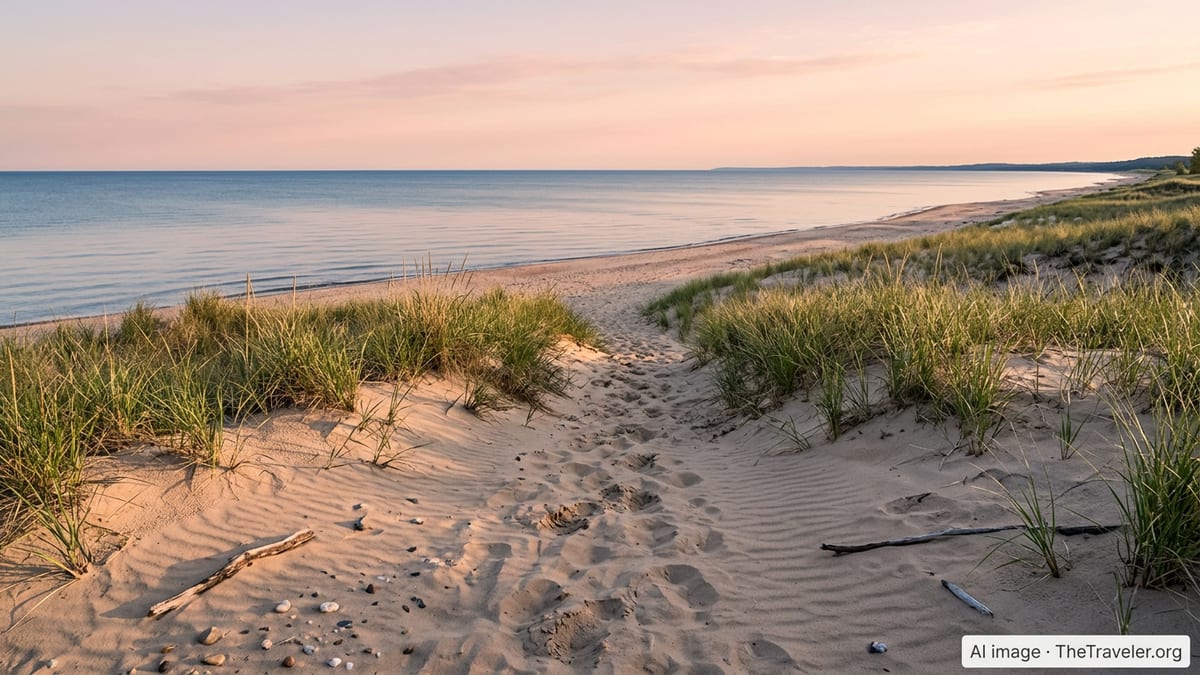
On the northern edge of the state, Indiana Dunes National Park and Indiana Dunes State Park protect a 15-mile stretch of Lake Michigan shoreline, where high sand dunes, beaches, wetlands, and wooded trails draw visitors year round. Travelers can hike stairways up the dunes for panoramic lake views, stroll boardwalks through marshes, paddle along calm inlets in summer, or simply sit on the sand and watch freighters pass on the horizon. Trail systems and interpretive routes, including newer cultural and discovery trails, provide context on the region’s ecology and Indigenous history while connecting beaches, overlooks, and the main visitor center.
Central and southern Indiana reward travelers who seek out small towns and rolling landscapes. Brown County State Park, near the town of Nashville, is famed for its scenic vistas, rugged hiking and biking routes, and especially for its fall foliage. The arts-focused town of Nashville offers galleries, craft shops, and cafes that make it a favorite weekend escape for residents from Indianapolis, Louisville, and beyond. Further south, the historic resort area around French Lick and West Baden Springs features grand early 20th century hotels, golf courses, and access to nearby forest and cave attractions.
Smaller cities across Indiana add depth to any itinerary. Fort Wayne has invested heavily in its riverfront, park system, and downtown, offering a popular zoo, family-friendly attractions, and seasonal festivals. South Bend, set along the St. Joseph River and home to the University of Notre Dame, mixes college-town energy with a revitalized downtown, riverwalks, and museums. In northern Amish country, towns such as Shipshewana and Nappanee draw visitors interested in rural scenery, markets, and traditional craftsmanship. Along the Ohio River, communities like Madison and New Albany combine historic districts with easy access to water views and nearby hiking.
Best Things to Do in Indianapolis
In Indianapolis, much of the appeal lies in how easy it is to get around once you arrive. The Indianapolis Cultural Trail creates a practical route for exploring without a car, connecting downtown hotels and convention spaces to neighborhoods such as Massachusetts Avenue, Fountain Square, and Fletcher Place. Along the trail, travelers encounter pocket parks, large-scale public art, and access points to the Canal Walk and White River State Park. Renting a bike or using bike-share services is a comfortable way to see more of the city in a short amount of time.
Museum lovers will find several standout institutions clustered near downtown. The Indiana State Museum, located in White River State Park, interprets the state’s natural and cultural history, while nearby museums focus on subjects such as American Indian and Western art or children’s interactive learning. North of downtown, a major art museum complex brings together galleries, historic gardens, and a sculpture-filled nature park. For many visitors, these museums are a cornerstone of any Indianapolis itinerary, particularly during colder months or on summer days when you may want a break from the heat.
Sports shape Indianapolis’s identity year round. The Indianapolis Motor Speedway hosts multiple events, with the Indianapolis 500 in late May being the most famous, drawing visitors from around the world. Professional football and basketball teams play at venues within walking distance of downtown hotels, and college basketball tournaments, minor league baseball, and amateur sports events regularly fill the city’s calendar. Even if you are not attending a specific game, tours, small sports museums, and public art installations reflect the city’s sports heritage.
Indianapolis also continues to expand its culinary and cultural offerings. Historic neighborhoods have been revitalized with independent restaurants, cafes, breweries, and music venues, and citywide food events increasingly draw regional attention. For a short city break, plan on at least two full days to explore the Cultural Trail, visit at least one major museum, sample local dining, and, if timing allows, join a festival, concert, or game.
Lake Michigan Shore and the Indiana Dunes
The Lake Michigan shoreline in northwest Indiana offers a dramatically different experience from the rest of the state. At Indiana Dunes National Park and Indiana Dunes State Park, steep dunes rise above the shoreline, backed by forests, wetlands, and prairies. Visitors can walk long, sandy beaches, climb dune stairways for sweeping lake views, and explore short interpretive trails that highlight plant communities adapted to shifting sands and changing water levels. The area’s trail network ranges from accessible boardwalks to more strenuous loops that cross multiple dune ridges.
Summer is by far the busiest time at the dunes, when day-trippers and vacationers arrive for beach days and swimming. Parking lots near popular beaches fill early on hot weekends, so arriving in the morning or late afternoon helps avoid the heaviest crowds. Shoulder seasons in late spring and early fall bring cooler temperatures, migrating birds, and quieter trails, while winter offers stark, beautiful views of frozen shorelines and windswept dunes for those who pack appropriate layers.
Beyond the beach, the surrounding communities provide lodging, dining, and low-key attractions that make the area a comfortable base for several days. Small towns near the dunes feature historic districts, lakefront parks, and marinas, while regional tourism offices maintain updated guides to local events, markets, and seasonal activities. Newly promoted experiences, including cultural and discovery trails, link the natural landscape with local history and art, helping visitors understand the long relationship between people and this stretch of shoreline.
Because the dunes are part of a sensitive ecosystem, travelers are encouraged to stay on marked trails, respect closures, and follow guidance from rangers or posted signage. Shifting sands, steep slopes, and changing water conditions can all pose risks if ignored, but with basic precautions, a visit to the Indiana Dunes is one of the most memorable outdoor experiences available in the state.
Small Towns, State Parks, and Outdoor Adventures
Indiana’s smaller towns and state parks are where many visitors fall in love with the state’s quieter side. Brown County State Park is often described as one of the most scenic places in Indiana, with ridges and ravines covered in hardwood forests and laced with hiking, biking, and horseback riding trails. The nearby town of Nashville serves as a base camp, offering inns, cabins, galleries, live music, and eateries that stay busy during fall foliage season. Mountain bikers are particularly drawn to the park’s trail system, which has earned national attention among off-road cycling enthusiasts.
Elsewhere in central and southern Indiana, state parks such as Turkey Run and Shades offer dramatic sandstone ravines, suspension bridges, and shaded creek walks that feel far removed from the surrounding farmland. These parks are popular for day trips and camping weekends, especially in summer and early fall. Many travelers combine a stay at one park with visits to nearby small towns, wineries, or covered bridges, crafting itineraries that blend outdoor activity with local culture.
Northern Indiana’s Amish country has long attracted visitors interested in rural life and craftsmanship. Towns like Shipshewana feature markets, quilt and furniture shops, and backroad drives past farmsteads and fields. Travelers are encouraged to approach these communities with respect, recognizing that daily life takes precedence over tourism. Tourism offices in the area provide guidance on scenic driving routes, locally owned shops, and seasonal events that welcome visitors.
Lakes are another major draw across Indiana, from larger resort areas to quieter fishing and paddling spots. Several counties promote lake districts that combine marinas, beaches, small-town main streets, and family-friendly parks. Summer boat shows, fishing tournaments, and waterfront festivals add to the appeal. Because many lake communities are relatively small, lodging can book up quickly for prime weekends, so advance planning is especially important if you are visiting during a major event or holiday.
Events, Seasons, and When to Visit
Choosing when to visit Indiana depends heavily on what you want to do. Late spring through early fall is the peak season for outdoor activities, with May and June offering milder temperatures for hiking, biking, and city walks, while July and August bring hot, humid weather that sends visitors toward lakes, water parks, and shaded trails. In September and October, temperatures cool again and fall colors appear, especially in southern and central Indiana, drawing leaf-peepers to Brown County and other wooded regions.
Indiana’s events calendar is full throughout the year. In Indianapolis, late May centers on the Indianapolis 500 and related activities at the Motor Speedway, one of the state’s largest annual draws. Summer sees a rotation of arts fairs, music events, and cultural festivals across the state, from large state and county fairs to regional celebrations of food, heritage, and the arts. Continued investment in event programming, including updated arts festivals and food competitions, keeps the calendar fresh and gives repeat visitors new reasons to return.
Autumn brings harvest festivals, pumpkin patches, and winery events, particularly in regions where agritourism has become an economic driver. Winter is quieter but still offers opportunities, including indoor sports, basketball tournaments, holiday lights displays, and cozy small-town weekends. Larger cities such as Indianapolis, Fort Wayne, and South Bend maintain active performing arts schedules year round, making them appealing destinations even when outdoor options are limited by weather.
When planning around events, it is worth checking regional tourism and city calendars a few months in advance, both to discover interesting festivals and to avoid being surprised by limited hotel availability or higher prices during major weekends. If your dates are flexible, traveling just before or after a major event often allows you to enjoy the same destinations with smaller crowds and more relaxed pacing.
Practical Planning Tips for Visiting Indiana
Travelers usually reach Indiana by car or air. Interstates and major highways cross the state in every direction, reflecting Indiana’s long-standing role as a transportation crossroads. For many visitors in neighboring states, a road trip is the most convenient option, allowing easy detours to small towns and state parks. Indianapolis International Airport serves as the primary air gateway, with additional commercial service available in cities such as Fort Wayne, South Bend, and Evansville. Rental cars are readily available at major airports and city locations, and for most itineraries that extend beyond a single downtown, having a car is highly practical.
Once in the state, driving is straightforward, with a mix of interstates, U.S. highways, and well-marked state roads connecting cities and towns. Congestion tends to be limited to Indianapolis during commuter hours or around major events, and in resort or lake areas during peak summer weekends. In cities, many attractions cluster close enough to walk or bike, especially in Indianapolis where trail networks connect downtown neighborhoods. However, public transit options are limited compared to larger coastal metros, so do not rely solely on buses or rideshares if you plan to visit rural areas or multiple regions.
Accommodation options in Indiana range from downtown business hotels and conference properties to resort complexes, independent inns, vacation rentals, and state park lodges. In high-demand areas such as the Indiana Dunes, Brown County, and popular lake towns, lodging can sell out well in advance for summer weekends and fall foliage season. Booking early is wise if you are traveling on fixed dates or aiming for specific properties. For more flexibility and lower rates, consider weekday travel or shoulder seasons in late spring or early fall.
Travel costs in Indiana are generally moderate by national standards, particularly outside the most popular summer and event weekends. Dining ranges from casual diners and family restaurants to chef-driven spots in larger cities and resort towns. As a visitor, you can keep your budget manageable by mixing restaurant meals with picnics or simple breakfasts, taking advantage of free or low-cost attractions such as city parks, trails, and public art, and using museum passes or combined tickets where available.
Safety, Etiquette, and Responsible Travel
Indiana is widely considered a safe destination for travelers, especially in smaller towns and outdoor areas, but the same common-sense precautions apply as in any state. In cities, be aware of your surroundings, secure valuables, and pay attention to local guidance about neighborhoods or areas that are quieter after dark. In rural areas, keep an eye on fuel levels, especially when driving at night or in less populated regions, and check weather forecasts frequently during seasons when storms are more common.
Weather is an important factor in safe and comfortable travel across Indiana. Summers can be hot and humid, with heat advisories possible, while spring and early summer sometimes bring strong thunderstorms. Winter conditions can vary widely from year to year, occasionally including snow and ice that affect roads. Packing layers, rain gear, sun protection, and sturdy footwear will help you stay comfortable in changing conditions, particularly if you are spending time at the dunes, on trails, or at outdoor festivals.
Cultural etiquette in Indiana is rooted in a generally friendly, informal Midwestern style. Travelers can expect polite interactions, and a bit of patience and small talk often go a long way. In Amish communities and other traditional settings, be especially mindful about photography, privacy, and traffic rules around horse-drawn buggies and farm equipment. When visiting museums, historic sites, or tribal interpretive areas, follow posted guidelines about photography and respectful behavior.
Responsible travel in Indiana increasingly focuses on protecting natural areas and supporting local economies. At state parks, the dunes, and other outdoor sites, staying on designated trails, packing out trash, and respecting wildlife are critical to preserving sensitive habitats. Choosing locally owned accommodations, restaurants, and shops, and attending community events, helps direct tourism dollars into the places you are visiting. Wherever possible, follow any updated guidance from park services, tourism boards, or local authorities, especially regarding trail closures, water safety, or wildfire risk during dry periods.
The Takeaway
Indiana rewards travelers who look past old stereotypes and focus on what the state offers today: an easygoing mix of city culture, lakes and dunes, rolling forests, and small-town hospitality. Whether you are walking the Indianapolis Cultural Trail, climbing a dune stairway above Lake Michigan, biking through hardwood forests in Brown County, or browsing markets in Amish country, Indiana invites you to slow down and explore at a human pace.
Thoughtful planning goes a long way toward a great trip. Choose your season based on the experiences you value most, reserve lodging early for popular destinations in summer and fall, and build in flexibility for weather and local events. Combine at least one city stay with time in nature, and you will leave with a far more complete picture of the state than a quick drive-through could ever provide.
Above all, Indiana is a place where hospitality still feels personal and where local pride shows up in small details, from meticulously maintained downtowns to trail systems and festivals organized largely by volunteers. Arrive curious, ask questions, and engage with the people who call these communities home, and you will likely find yourself planning a return trip before you even leave.
FAQ
Q1. What is the best time of year to visit Indiana?
The most popular months are May through October, when weather supports outdoor activities, lake trips, and festivals, with fall especially prized for foliage.
Q2. How many days do I need for a first trip to Indiana?
Plan at least three to five days for a first visit so you can see Indianapolis, add a day at the Indiana Dunes or a state park, and explore one small town.
Q3. Do I need a car to get around Indiana?
A car is highly recommended if you want to visit multiple regions, state parks, or small towns. In Indianapolis, you can rely more on walking, biking, and rideshares.
Q4. Is Indiana Dunes National Park suitable for families?
Yes. Families regularly visit for beaches, short hikes, and ranger programs. Just watch children closely near water and on steep dunes, and follow posted safety signs.
Q5. What should I pack for an Indiana trip?
Pack layers, comfortable walking shoes, rain gear, and sun protection. In summer, bring lightweight clothing; in fall and spring, add a warm jacket and hat.
Q6. Are there good options for travelers who do not like crowds?
Yes. Visit on weekdays, travel in shoulder seasons, focus on smaller towns and lesser-known state parks, and arrive early at popular spots like the dunes.
Q7. Can I combine an Indiana trip with nearby states?
Indiana pairs easily with Chicago and Michigan’s lake towns to the north, and with Kentucky or Ohio to the south and east, especially if you are road tripping.
Q8. Is Indiana a good destination for outdoor enthusiasts?
Outdoor travelers enjoy the Indiana Dunes, Brown County, Turkey Run, and numerous lakes for hiking, biking, paddling, and camping, especially from late spring to fall.
Q9. How far is Indiana Dunes from Indianapolis?
Driving from downtown Indianapolis to the main Indiana Dunes areas generally takes about two and a half to three hours, depending on traffic and your exact route.
Q10. Are there unique cultural experiences I should not miss?
Consider time in Indianapolis museums, a visit to Amish country, a major festival or fair, and, if timing allows, attending a race or basketball game.