

Indiana sits at the crossroads of the Midwest, where four distinct seasons, busy interstates, and a growing calendar of festivals can make trip planning feel more complex than it looks on the map. Whether you are cruising to Lake Michigan beaches, exploring college towns, or timing a visit around a big race in Indianapolis, understanding how weather, driving conditions, and reservations fit together will help you get more out of your time in the Hoosier State.
Understanding Indiana’s Weather by Season
Indiana’s weather is shaped by its position between the Great Lakes and the Ohio Valley, which means conditions can change quickly any time of year. Travelers should expect four true seasons, with hot, often humid summers, crisp and colorful autumns, cold winters that can bring snow and ice, and a spring that swings between mild sunshine and strong thunderstorms. The timing of your trip will shape everything from what you pack to how you drive.
Summer, from roughly June through August, is typically warm to hot across the state, with daytime highs often in the upper 70s to upper 80s Fahrenheit and occasional spikes higher during heat waves. Humidity can be high, especially in central and southern Indiana, so light, breathable clothing and sun protection are important. Afternoon thunderstorms are common, and while most pass quickly, heavy downpours can reduce visibility on highways and cause brief urban flooding.
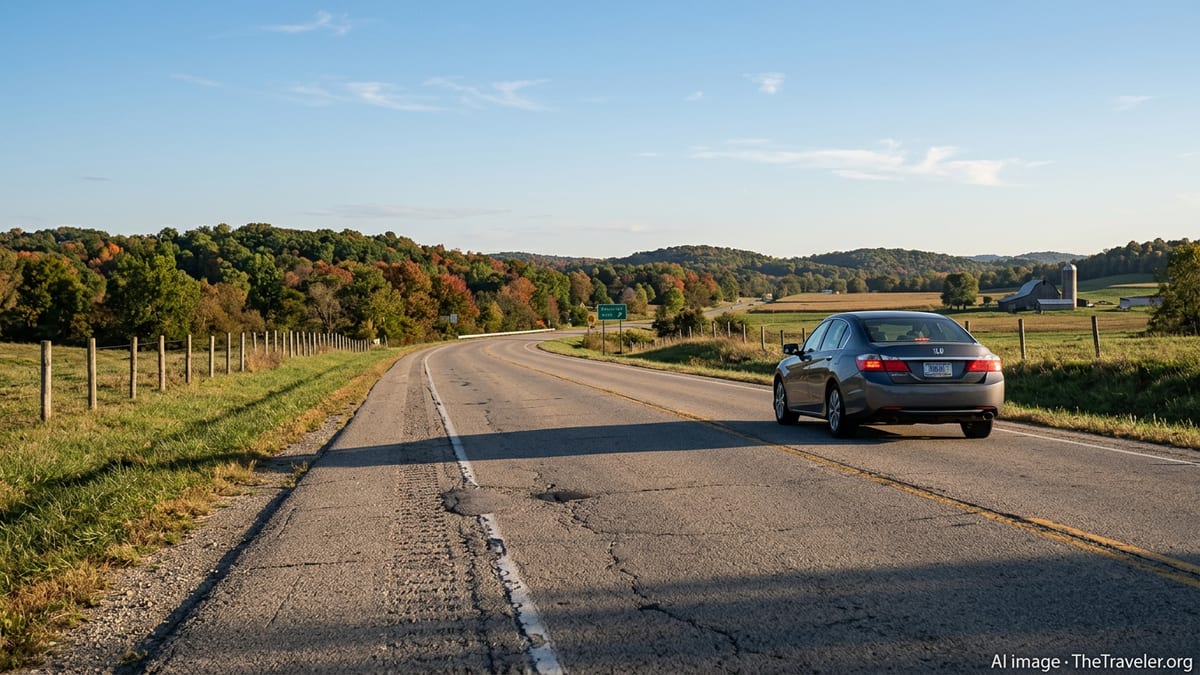
Autumn, especially from late September through October, is considered one of the best times to visit. Temperatures are usually mild, and skies can be clear and bright, particularly in southern Indiana’s hillier areas and state parks when fall foliage peaks. Nights turn cool, so layers are essential if you are camping or planning early morning hikes. By November, colder air settles in, and you may encounter the first frosts and light snow, particularly in the northern half of the state.
Winter in Indiana runs roughly from late November through March, with the coldest conditions in January and February. Northern Indiana, especially near Lake Michigan, is vulnerable to lake effect snow that can bring narrow but intense bands of snowfall and sudden whiteout conditions, even when nearby areas see only flurries. Central and southern counties tend to alternate between light snow, ice, and cold rain. Spring arrives unevenly, with March and April often mixing breezy mild days with blustery, rainy stretches and the risk of strong thunderstorms. If you are visiting in spring, pack for variety and check forecasts frequently.
Driving Indiana’s Highways and Scenic Byways
Indiana is heavily car oriented, and most travelers experience the state through its network of interstates and U.S. highways. Major north–south routes such as I 65 and I 69 and east–west routes like I 70 and I 74 carry steady traffic, especially around Indianapolis, which sits near the center of the state. Drive times between major cities are reasonable, but construction and weather can add delays, particularly in peak travel seasons or during major events.
Traffic is generally lighter than in large coastal metros, but congestion can build quickly during weekday rush hours around Indianapolis, Fort Wayne, and the northwest corner near the Illinois border. Truck traffic is common along the main corridors, so plan extra time and be prepared for slower speeds where road work narrows lanes. Night driving on rural stretches can be surprisingly dark, with long distances between exits and limited services, so keep fuel and rest stops in mind if you are traveling late.
For a more relaxed pace, Indiana’s network of state and county roads connects small towns, covered bridges, and rolling farmland. These backroads can be rewarding for fall foliage drives, winery visits, and access to state parks, but they require more attention. Speed limits drop, curves and unmarked intersections are common, and you are more likely to encounter farm equipment and wildlife near dusk and dawn. In wet or snowy weather, rural roads are often cleared after the main highways, so adjust your route if conditions deteriorate.
Navigating through cities is straightforward, with grid patterns in many downtowns and clear signage. However, sports events, concerts, and festivals can quickly change normal traffic patterns, especially near stadiums and arenas in Indianapolis, South Bend, Bloomington, and West Lafayette. On event days, downtown streets can close or become one way for short periods, and parking fills fast. It is worth reviewing city event calendars in advance and allowing extra time to reach hotels or restaurants near venues.
Winter Driving: Lake Effect Snow and Ice
Winter travel in Indiana demands extra caution, particularly in the northern tier of counties that feel the effects of Lake Michigan. In this region, cold air passing over the comparatively warmer lake can generate narrow lake effect snow bands that drop several inches of snow in a short period, sometimes under clear skies just a few miles away. When this happens, roads such as the Indiana Toll Road and I 80 or I 90 can see rapidly changing visibility and slick surfaces with drifting snow along open stretches.
State transportation crews typically conduct winter operations from mid November through mid March, with plows and salt trucks focusing on interstates and major routes first. Even so, during active snow events road conditions can deteriorate faster than crews can respond, especially during sustained lake effect snow or when high winds cause blowing and drifting. If a winter system is in the forecast, consider shifting your travel window by a day in either direction to avoid the heaviest precipitation.
Travelers unfamiliar with winter driving should be honest about their comfort level. Driving too fast for conditions, sudden braking, and following too closely are leading contributors to crashes on snowy and icy roads. When snow or freezing rain is expected, keep your fuel tank at least half full, clear all snow and ice from windows and lights, and pack a basic winter kit with warm clothing, blankets, snacks, water, and a fully charged phone and power bank. If conditions worsen while you are on the road, exit to a safe location and wait for visibility and traction to improve rather than trying to push through a storm.
Throughout the winter months, road condition hotlines and official travel advisory maps are updated around the clock by state and county agencies. These resources categorize county level travel statuses and note closures or restrictions on major routes. Before setting out, especially early in the morning or after dark, check for advisories in the counties you plan to cross, and recognize that local conditions can differ sharply within short distances, particularly in northwest Indiana.
Thunderstorms, Tornadoes, and Summer Heat
While snow and ice dominate winter concerns, Indiana’s warm season brings its own set of weather risks, especially from late spring through early autumn. Thunderstorms, sometimes severe, are part of life in the Midwest, and visitors should be prepared for strong winds, intense rain, frequent lightning, and occasional hail. Storms can develop quickly on humid afternoons, particularly in May and June, and can disrupt driving, outdoor events, and camping plans.
Indiana also lies within a region where tornadoes are possible, although most travelers will never experience one directly. More commonly, you may encounter severe thunderstorm or tornado watches and warnings on local television, radio, or smartphone alerts. When a watch is issued, it signals that conditions are favorable; a warning indicates that severe weather is occurring or imminent. If you are on the road and a warning is issued, avoid stopping under overpasses, which can be more dangerous than remaining in open areas, and seek shelter in a sturdy building if practical.
Heat and humidity are another factor in mid to late summer, especially across central and southern Indiana. High temperatures, combined with high dew points, can make outdoor activities feel strenuous, particularly during midday hours. Travelers should plan hikes, urban walking tours, and amusement park visits for morning or late afternoon, drink plenty of water, and take advantage of shade whenever possible. Air conditioning is standard in hotels and restaurants, but older cabins or budget accommodations may be less efficient at cooling in extreme heat, so confirm expectations if you are sensitive to high temperatures.
Despite these challenges, most summer storms move through quickly, leaving behind clear skies and cooler air. Local weather forecasts, including hourly radar updates, are widely available and reliable at short range. Checking the day’s forecast before setting out and monitoring radar when storm chances are high will give you enough lead time to adjust plans, pause road trips, or seek shelter if conditions suddenly deteriorate.
What to Book Early in Indiana
Indiana’s most popular travel experiences, from big race weekends to fall foliage escapes, increasingly require advance reservations. The Indianapolis Motor Speedway’s marquee events, including the annual 500, draw large crowds and sell out many central Indiana hotel rooms months ahead of race day. Tickets for major races and special experiences open for sale well in advance of each season, and the earliest buyers have the widest choice of seat locations and price levels. If attending a race is central to your trip, treat tickets and lodging as your first bookings, not last minute details.
State park accommodations across Indiana are another area where planning pays off. Many state park campgrounds, cabins, and lodge rooms allow reservations several months in advance, and popular properties such as Brown County State Park and Turkey Run State Park are heavily booked for peak autumn weekends, summer holidays, and school breaks. Campers often secure favorite sites as soon as reservation windows open, particularly for electric hookups and sites near playgrounds or trailheads.
Beyond campgrounds, state park inns and private cabin rentals in scenic regions fill early for long holiday weekends and fall color season. Rustic cabins and small lodges near lakes and forests are especially popular with families and small groups who return year after year. If you are aiming for a September or October visit to southern Indiana’s hill country, for example, it is wise to look at lodging options half a year or more in advance, especially if your dates are not flexible.
Urban events also influence demand. College towns like Bloomington, West Lafayette, and South Bend see surges in hotel bookings during football weekends, graduation ceremonies, and major campus events. In these periods, prices climb and availability shrinks, particularly near campuses. Booking early allows you to stay within walking distance of venues or downtown districts rather than commuting from outlying suburbs or neighboring towns.
How Far Ahead to Reserve: Practical Timeframes
The ideal lead time for reservations in Indiana depends on where you are going and when. For high demand experiences, such as attending the Indianapolis 500, race tickets and nearby hotels can sensibly be reserved many months ahead, with loyal fans frequently renewing seats from year to year. Visitors who decide closer to the event may still find tickets, but will have fewer choices for preferred grandstands or hospitality packages and may need to stay farther from the track.
For state parks and public campgrounds, reservation systems typically open a specific number of months before your arrival date, and occupancy climbs quickly for popular weekends once those dates become available. Travelers planning to camp on summer holiday weekends or during peak fall color should consider checking reservation calendars as soon as the window opens, particularly if they need adjoining sites or specific amenities. Weeknight stays and shoulder season dates, such as early June or late September, can be easier to secure on shorter notice.
Cabins and state park inns often operate on longer booking horizons and see strong repeat business, especially in Brown County State Park and other flagship destinations. In practice, this means that the most desirable weekends and larger family cabins may be claimed many months ahead, sometimes by guests who rebook during their current stay. If your plans involve a special occasion, group gathering, or limited mobility considerations, making inquiries early in the calendar year for a peak season stay is prudent.
For city hotels in Indianapolis and other larger communities, booking several weeks in advance is usually sufficient for ordinary weekends and midweek stays. However, when your visit coincides with major conventions, sports tournaments, or festivals, demand surges. Checking event calendars and securing refundable reservations early, then adjusting if your plans change, can provide both flexibility and peace of mind.
Packing and Preparing for Indiana’s Changing Conditions
Because weather and travel conditions in Indiana can shift quickly, the most effective packing strategy is to build in flexibility. Layered clothing works well in every season, allowing you to add or remove warmth as temperatures change between morning, afternoon, and evening. A lightweight waterproof shell is valuable year round, from breezy spring days and surprise summer showers to chilly autumn hikes. In winter, a warm coat, hat, gloves, and insulated footwear are crucial if you expect to be outside for any length of time.
For drivers, a modest car kit makes a significant difference when conditions deteriorate. In winter, this might include an ice scraper, small snow brush, windshield washer fluid rated for low temperatures, a flashlight, and a blanket. In summer and transitional seasons, extra water, basic snacks, and a paper map or printed directions provide backup in rural areas where mobile coverage may be patchy. Indiana’s interstates are generally well served with fuel and food options, but some stretches of rural highway can feel long, especially at night.
Footwear is another area where a little planning pays off. Comfortable walking shoes or boots with good traction will serve you well on city sidewalks, cobblestone side streets, and park trails. In wet or snowy seasons, waterproof or water resistant styles are especially useful, as slushy curb cuts and muddy paths are common. If you plan to visit both urban attractions and natural areas, consider packing one pair of durable trail capable shoes and another pair appropriate for restaurants or performances.
Finally, remember that Indiana’s outdoor experiences often span water as well as land, from Lake Michigan beaches in the northwest to reservoirs and small lakes scattered around the state. Quick drying clothing, a compact towel, and a small dry bag for electronics can be handy during boating, paddling, or beach days. Even if your itinerary is city focused, having a few items geared toward outdoor detours allows you to say yes when a spontaneous opportunity arises.
Local Etiquette, Safety, and Seasonal Nuances
Hoosier hospitality is more than a slogan, and visitors generally find Indiana residents friendly and ready to offer directions or local tips. That said, rural and small town norms can differ from big city expectations. Drivers on two lane roads often pull slightly to the right or wave when meeting oncoming cars, and giving farm equipment and school buses ample space is considered both polite and essential for safety. When passing through small communities, slowing to posted speed limits and minding pedestrian crosswalks is appreciated.
Weather related caution is also part of local culture. Many residents check forecasts and radar regularly, especially in winter and during spring storm season, and they adjust plans accordingly. Travelers who do the same will find it easier to fit in, whether that means leaving for a road trip earlier to avoid icy conditions or shifting a hike to the afternoon after morning fog burns off. Locals tend to be pragmatic about severe weather: if authorities advise delaying travel, they often do so, particularly in areas hit hard by lake effect snow or ice.
In cities and popular tourist areas, standard urban safety practices apply. Keep valuables out of sight in parked cars, stay aware of your surroundings, and use well lit, populated routes when walking at night. Sporting events and festivals are generally family friendly but can involve crowds, so agree on meeting points if you are traveling with a group. Public alcohol rules vary by city and event, so check local guidance rather than assuming open containers are permitted.
Seasonally, expect different rhythms across the state. College towns pulse with student life from late August through early May and feel quieter during academic breaks. Lakefront communities in northwest Indiana come alive in late spring and summer with beachgoers and boaters. Southern Indiana’s scenic drives and small arts towns are especially busy in October as foliage peaks. Recognizing these cycles will help you set expectations for crowd levels, restaurant waits, and driving times in each region.
The Takeaway
Planning a successful trip to Indiana is less about memorizing exact statistics and more about understanding patterns. The state’s four distinct seasons, combined with variable conditions from lake effect snow to summer thunderstorms, mean that advance preparation and flexible thinking are your best tools. By pairing weather awareness with realistic driving plans, you can navigate interstates and backroads more comfortably and safely.
Equally important is recognizing where early bookings matter most. From race day at the Indianapolis Motor Speedway to leaf peeping weekends in Brown County State Park and game days in college towns, demand for tickets and lodging can outstrip supply during peak periods. Reserving critical elements early, while keeping an eye on cancellation policies, will give you a wider range of options and help protect your budget.
With thoughtful timing, layered packing, and an eye on local forecasts and event calendars, Indiana rewards visitors with welcoming towns, accessible outdoor escapes, and a steady stream of cultural and sporting events. Treat weather, driving, and reservations as interconnected pieces of a single plan, and you will be free to enjoy the state’s quieter moments: sunrise over a wooded ridge, a stretch of open highway through farm country, or the roar of a crowd on a clear spring afternoon.
FAQ
Q1. When is the best time of year to visit Indiana for good weather and easier driving?
The most consistently pleasant conditions for both weather and driving are typically from late April through early June and again from late September through much of October, when temperatures are moderate, severe storms are less frequent than in peak summer, and winter hazards are unlikely.
Q2. How dangerous is lake effect snow for driving in northern Indiana?
Lake effect snow can create sudden, localized whiteout conditions and slick roads, particularly along the Indiana Toll Road and nearby interstates. It is hazardous mainly when bands are active; checking short term forecasts and travel advisories before departure and reducing speed if you encounter heavy snow are the safest approaches.
Q3. Do I need snow tires to drive in Indiana during winter?
Most local drivers use good all season tires, but quality tread and appropriate speeds are critical. Visitors who are not experienced with snow and ice may appreciate winter rated tires for added traction, especially if they plan to drive frequently in northern Indiana or on rural roads during the core winter months.
Q4. How far in advance should I book lodging for the Indianapolis 500 or other big races?
For the Indianapolis 500 and other major race weekends, booking lodging several months in advance is wise, as many regular attendees reserve the same properties year after year. Last minute options can exist but may involve higher prices, longer drives, or less convenient locations.
Q5. Are Indiana state parks open year round, and do I need reservations outside summer?
Many Indiana state parks and their campgrounds operate year round, though some loops or facilities may close or offer reduced amenities in winter. Reservations are strongly recommended for peak seasons and weekends, while midweek stays in the off season may allow more flexibility, especially for tent camping.
Q6. What should I pack for a spring road trip through Indiana?
For spring, plan on layers including a light to medium jacket, a waterproof shell, comfortable walking shoes with good traction, and an umbrella. Temperatures can swing from chilly mornings to warm afternoons, and spring showers or thunderstorms are common, so flexible clothing and a small car kit with snacks and a flashlight are useful.
Q7. How can I check road and weather conditions before driving?
Before driving, review local weather forecasts and radar for the specific counties you will cross and consult official travel advisory and road condition resources for current information. Many state and county agencies update these tools frequently during storms, helping you decide whether to delay or adjust your route.
Q8. Do I need to worry about tornadoes when visiting Indiana?
Tornadoes are possible but relatively rare experiences for most visitors. The more common concern is severe thunderstorms with strong winds and heavy rain. Paying attention to weather alerts, knowing the difference between watches and warnings, and seeking sturdy shelter when directed will significantly reduce risk.
Q9. How early should I reserve cabins or campsites in popular parks like Brown County State Park?
For prime summer weekends, fall foliage season, and holiday periods in popular parks, it is prudent to look at reservation availability as soon as booking windows open, often several months in advance. Weekday stays and shoulder season dates may be easier to secure closer to your travel dates.
Q10. Is it safe to drive rural backroads at night in Indiana?
Rural backroads can be driven safely at night with extra care, but they are often darker and less traveled than main highways, with sharper curves, wildlife, and occasional farm equipment. Slowing down, using high beams when appropriate, and planning fuel stops in advance will make nighttime rural driving more comfortable.