

More news on this day
Luxury cruising, once seen as a playground reserved for Western retirees and honeymooners, is rapidly being remade by Indian travellers who are booking entire decks, reshaping onboard menus and turning mega-ships into floating desi neighbourhoods across Asia, the Middle East and beyond.
Get the latest news straight to your inbox!
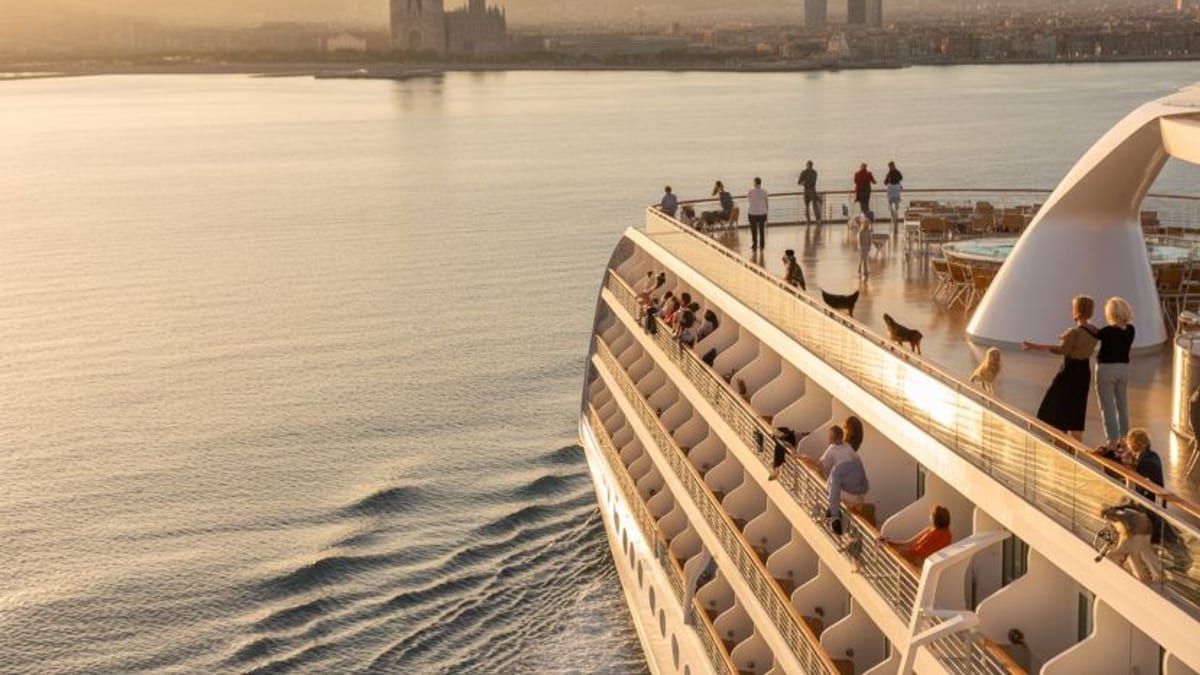
Image by International Cruise News: Latest Cruise Line & Cruise Ship News
From Fly-Cruise Curiosity to Mainstream Desi Holiday
Over the past decade, Indians have quietly shifted from curious first-time cruisers to one of the most closely watched source markets in global cruise tourism. Industry research shows that Indian cruise passenger numbers have grown from a niche base in the 2010s to well over 100,000 annual outbound cruisers, with a strong preference for shorter four to seven night itineraries that fit into school calendars and corporate leave cycles.
Travel operators reporting on 2024 and 2025 booking patterns highlight a sharp jump in luxury and premium leisure spending among Indians, with cruise holidays emerging as a favoured way to package multiple destinations into a single visa and itinerary. The Mediterranean, Arabian Gulf and Southeast Asia have become particularly popular, with Singapore, Dubai, Abu Dhabi and European hubs such as Barcelona marketed heavily as fly-cruise gateways for Indian families and groups of friends.
This growing appetite is being underpinned by a larger macro story at home. A rapidly expanding middle and upper middle class, coupled with easier access to online travel booking platforms and liberalised outward remittance rules, is allowing more Indians to view cruises not as once in a lifetime splurges but as repeatable annual holidays on par with Europe tours or resort stays.
Cruise lines and destination marketing bodies are taking note. Publicly available data from regional tourism boards points to consistent growth in Indian arrivals tied to cruise calls, while itineraries from global brands are increasingly timed around Indian holiday peaks such as Diwali, school vacations and the extended Christmas New Year break.
India’s Own Ocean Homes: Cordelia Leads a Domestic Wave
While Indian travellers are filling cabins on global brands, the most visible symbol of the country’s cruise ambitions is home grown operator Cordelia Cruises. Launched in 2021 with a single ship sailing from Mumbai, the company has framed itself as India’s own cruise line, offering itineraries along the west and east coasts and to regional destinations such as Sri Lanka and Southeast Asia.
Industry reports describe Cordelia as holding a dominant share of India’s small but fast growing domestic ocean cruise segment, with over 100 sailings a year and several hundred thousand guests carried since launch. The brand positions its vessels as accessible luxury ocean homes tailored to Indian tastes, packaging short three to five night voyages from ports including Mumbai, Chennai, Kochi and Goa.
In 2025 and 2026, Cordelia’s expansion plans moved firmly into the spotlight. Public documents and financial coverage show its parent company filing for an initial public offering in India, with proceeds earmarked largely for fleet growth. Agreements disclosed by Norwegian Cruise Line Holdings in 2025 confirmed that two well known international ships would be chartered to Cordelia over 2026 and 2027, effectively tripling capacity and signalling confidence in long term Indian demand.
The domestic build out aligns with broader government thinking that sees cruise tourism as a potential job generator and a way to diversify coastal economies. Port authorities and maritime planners have outlined multi year investment plans to add cruise terminals and improve berthing infrastructure in cities from Mumbai to Visakhapatnam, aiming to make India a regional embarkation hub rather than just a port of call.
Bollywood Nights, Jain Menus and Multigenerational Cabins
If infrastructure and capacity are the hardware of India’s cruise story, culture is the software that is turning these voyages into distinctly desi territory. Onboard experience is being rewritten to match Indian social habits, dietary needs and entertainment preferences, creating a product that feels closer to a five star wedding resort at sea than a quiet nautical retreat.
Domestic cruises routinely feature Bollywood themed parties, garba nights and live Hindi and regional language music as headline attractions. Programming leans into familiar genres, with DJs mixing film hits late into the night and theatre spaces repurposed for stand up comedy and dance shows aimed squarely at Indian audiences. For many passengers, the sense of sailing with people who share their language and cultural references is as important as the itinerary itself.
Food is another frontline of localisation. Reports on Indian cruising habits consistently note the importance of extensive vegetarian options, clearly labelled Jain and no onion no garlic dishes, and familiar regional staples such as dosa, chaat and biryani. International lines sailing from Asian ports already count large numbers of Indian crew in their galleys, and many have broadened buffet and main dining room offerings to ensure Indian cuisines are available daily rather than as occasional theme nights.
Cabin configurations and onboard services are also evolving. With Indian travellers more likely to move in large family groups, cruise lines are promoting interconnected cabins, pull out beds and larger suites that can host three generations together. Kids clubs with Hindi speaking staff, casino floors timed around Indian gaming preferences and shore excursions that avoid alcohol heavy experiences in favour of shopping, pilgrimage or heritage tours are increasingly common in itineraries marketed to this audience.
Global Cruise Giants Court the Indian Traveller
The transformation is not limited to ships sailing from Indian ports. Major international brands are reshaping their deployment and marketing strategies to court Indian guests across the region. Southeast Asia has emerged as a key laboratory, with ships homeporting in Singapore and offering long seasons of short sailings that bundle Malaysia, Thailand and Indonesia, all within easy reach of Indian metros via low cost flights.
According to trade press coverage, several global lines are working closely with Indian travel agents and consolidators to push fly cruise packages that include visas, flights, pre cruise hotel stays and onboard credit. Attractive pricing for shoulder season departures, zero interest instalment plans and group deals for weddings and corporate incentives are helping ease first time Indian cruisers onto ships that were once seen as distant and foreign.
The Middle East is the other major arena for this shift. New cruise terminals in Dubai, Abu Dhabi and Doha, combined with a dense network of India Gulf flights, have turned Arabian Gulf sailings into weekend friendly getaways. Cruise deployments in this region increasingly feature Bollywood performers, Indian festival sailings and food offerings designed around the sizeable South Asian diaspora, making it easy for Indians from both sides of the Arabian Sea to turn these voyages into floating reunions.
Europe, too, is seeing incremental gains from the Indian market. While Schengen visas and long haul airfares keep numbers modest compared with Asia, tour operators are reporting more Indians combining classic coach circuits through Italy, France and Spain with three or four night Mediterranean sailings to add a cruise component to otherwise land based itineraries.
From Niche to Next Big Thing in Indian Outbound Travel
For now, cruising still accounts for a small fraction of India’s outbound tourism. Prospectus data filed by Cordelia and independent market studies both describe penetration levels that remain far below those in mature markets like North America or Western Europe, even as overall Indian outbound travel spending has surged in recent years.
Yet the trajectory appears unmistakable. Government vision documents speak of India becoming one of the world’s top cruise destinations over the next decade, while forecasts from travel and hospitality analysts project double digit annual growth off the current low base. With a combination of rising disposable incomes, deep cultural enthusiasm for family travel and a new domestic operator investing in ships that feel unapologetically Indian, cruises are being reimagined as ocean homes where desi travellers can set the tone.
That shift is already visible on deck. From queues at live dosa counters and packed Bollywood dance floors to WhatsApp groups planning entire ship charters for weddings, Indians are no longer content to watch cruise culture from the sidelines. Increasingly, they are claiming space on the world’s oceans and asking a pointed question of an industry built around Western tastes for decades. Why should only the West have all the fun.