

More news on this day
India’s largest airline, IndiGo, has been thrust into a new phase of uncertainty after chief executive Pieter Elbers resigned on March 10, 2026, only months after a disastrous operational meltdown in December 2025 left hundreds of thousands of passengers stranded and triggered one of the worst crises in the country’s recent aviation history.
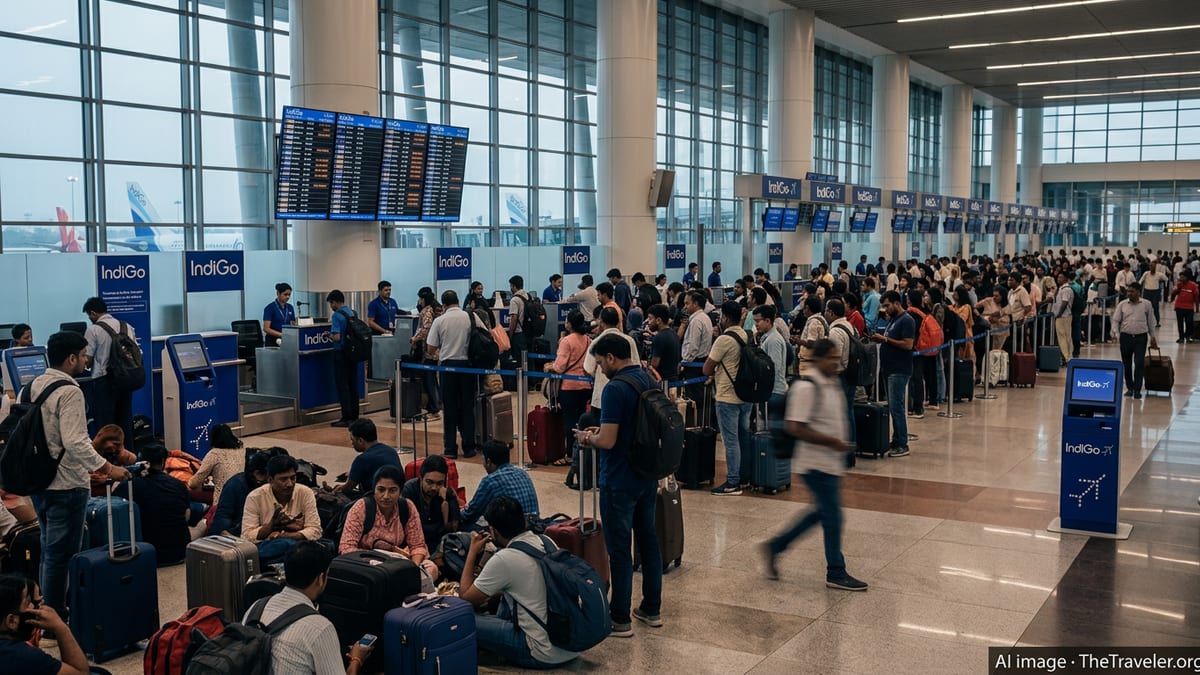
CEO Exit Follows IndiGo’s Worst-Ever Flight Disruptions
Elbers’ departure comes on the heels of IndiGo’s chaotic early December 2025 schedule collapse, when the carrier cancelled and delayed thousands of flights over a few days at the height of India’s winter travel season. The disruption upended plans for business travellers and holidaymakers alike, with scenes of packed terminals, long queues and passengers sleeping on airport floors across major hubs such as Delhi, Mumbai, Bengaluru and Hyderabad.
The meltdown was traced largely to IndiGo’s struggle to adapt its crew rosters to India’s revised Flight Duty Time Limitation rules for pilots. The new norms, introduced to tackle fatigue and enhance safety, required longer rest periods and tighter caps on night flying. Regulators later concluded that IndiGo had underestimated the impact of the rules as it continued to sell an aggressive winter schedule, creating a shortfall in available pilots just as demand peaked.
In the aftermath, India’s aviation regulator levied multi-crore penalties on the airline, citing serious deficiencies in operational planning and crew management. The crisis badly dented IndiGo’s reputation for reliability and on-time performance, long seen as its key competitive edge in the fast-growing Indian market.
Rahul Bhatia Steps In As Interim Leader
With Elbers stepping down, IndiGo’s parent company InterGlobe Aviation has turned to a familiar face. Founder and managing director Rahul Bhatia will temporarily take charge of day-to-day management while the board searches for a new chief executive. Bhatia, widely regarded as the architect of IndiGo’s low-cost, high-discipline model, returns to an unusually hands-on role at a time when investor, regulator and passenger scrutiny is intense.
The move places strategic control back in the hands of the airline’s original promoter, signaling a desire for stability and continuity during a turbulent period. Bhatia is expected to focus on restoring operational reliability, rebuilding trust with regulators and customers, and overseeing a recalibration of IndiGo’s growth plans in light of the recent crisis.
IndiGo has said Elbers will be available to assist with the leadership transition. The Dutch aviation veteran, who joined the airline in 2022 after a long stint at KLM, framed his exit as a personal decision and described his tenure at IndiGo as an honour, even as industry observers linked the timing directly to the December 2025 disruptions and their fallout.
Passenger Trust and Regulatory Pressure Weigh on India’s Top Carrier
The leadership shake-up unfolds against a backdrop of heightened regulatory pressure and frayed passenger confidence. After the December collapse, India’s aviation authorities ordered IndiGo to complete refunds on a strict timeline and warned the airline over its crisis response and customer communication. Many travellers reported confusion over last-minute cancellations, difficulty rebooking and inconsistent handling of compensation, prompting public anger and political scrutiny.
For frequent flyers and travel planners, IndiGo’s troubles have raised questions about overdependence on a single dominant carrier in a price-sensitive market. Before the crisis, IndiGo commanded well over half of India’s domestic market, with its network and frequency making it the default choice on many routes. The December failures exposed how fragile that dominance can be when scheduling assumptions collide with new safety-driven regulations.
In the months since, IndiGo has been forced to trim its schedule, prioritise network resilience and devote additional resources to crew planning and training. The airline has indicated it aims to restore full stability by early 2026, but the CEO’s abrupt exit underscores how far it still has to go in regaining the trust of travellers who were caught up in the chaos.
Flight Duty Rules at the Heart of the 2025 Crisis
At the core of IndiGo’s December 2025 meltdown were India’s updated Flight Duty Time Limitation standards, which tightened rest requirements and reduced the number of hours pilots could legally fly, particularly overnight. While regulators had signalled the changes well in advance, the transition coincided with peak winter traffic and a packed schedule built on pre-change assumptions.
IndiGo, with its vast narrow-body fleet and dense domestic network, was hit especially hard. As the new rules took effect, roster gaps widened, prompting cascading cancellations as crews went out of legal flying hours and replacement pilots were not available in sufficient numbers. The airline eventually had to proactively scale back its schedule for several weeks to prevent further last-minute cancellations.
For India’s broader aviation sector, the episode has become a case study in how safety-driven regulatory shifts can disrupt even the most successful low-cost models if capacity, hiring and training are not aligned early. Industry analysts say the IndiGo saga is likely to shape how airlines plan future network growth and crew deployment around regulatory change, particularly as India pushes for higher safety and service standards.
What IndiGo’s Turbulence Means for Future Travel
For travellers, IndiGo’s leadership transition and the lingering effects of the 2025 meltdown may translate into a more cautious approach to scheduling and capacity over the next year. The airline is expected to prioritise operational resilience over aggressive expansion, potentially moderating capacity growth on some busy domestic and regional routes.
At the same time, rivals may seek to capitalise on IndiGo’s moment of vulnerability by adding capacity on key sectors and courting corporate accounts that had previously booked almost exclusively with IndiGo. Any shift in market share, however modest, could reshape fare dynamics on routes where IndiGo has long been the dominant player.
For international visitors and Indian travellers alike, the episode is a reminder that the country’s aviation boom remains a work in progress, subject to both regulatory tightening and the operational strains of rapid growth. With founder Rahul Bhatia back at the controls on an interim basis, much will depend on how quickly IndiGo can stabilise its operations, reassure regulators and win back the confidence of the millions of passengers who helped make it India’s flagship budget carrier.