

More news on this day
IndiGo, India’s largest airline by passengers carried, has named veteran aviation executive William Walsh as its new chief executive officer, moving to restore confidence after a wave of flight cancellations disrupted travel across the country and drew intense regulatory scrutiny.
Get the latest news straight to your inbox!
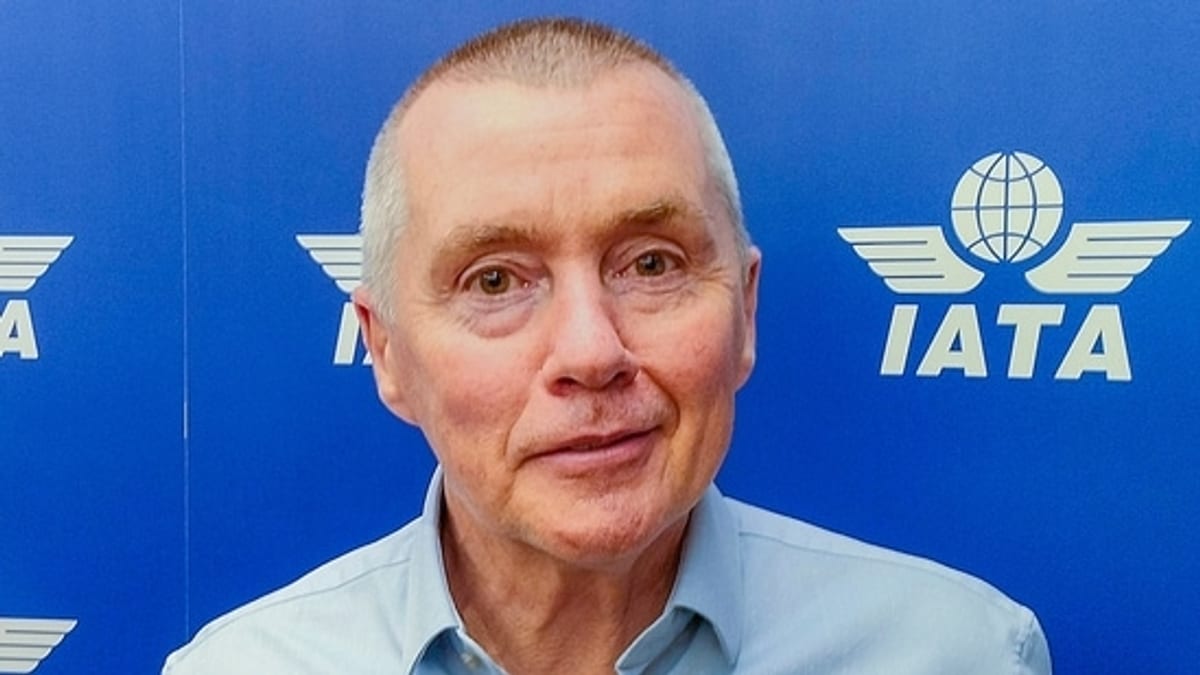
Image by hindustantimes.com
Leadership shake-up after a bruising operational crisis
The appointment of Walsh follows months of turbulence for IndiGo, which has faced thousands of cancellations and extensive delays since December 2025 after struggling to adapt to revised crew duty-time limits. The disruption hit key metro routes, left airports crowded with stranded travelers and raised questions about the carrier’s ability to manage rapid growth in a tightening regulatory environment.
Publicly available information shows that IndiGo’s previous chief executive, Pieter Elbers, resigned in March 2026, three months after the scheduling breakdown triggered investigations and formal notices from India’s aviation regulator. In the interim period, managing director and co-founder Rahul Bhatia stepped in to oversee operations while the board searched for a long-term leader capable of navigating both recovery and expansion.
Reports indicate that IndiGo’s board has framed Walsh’s appointment as a strategic move to bring seasoned global leadership into a market that remains one of the world’s fastest-growing for air travel. The decision comes as the airline works to stabilize schedules, rebuild customer trust and prevent a repeat of the mass cancellations that dented its reputation with both leisure and business travelers.
Industry analysts quoted in recent coverage suggest that the leadership change is also intended to send a signal to regulators and investors that IndiGo is prepared to overhaul internal processes, from crew planning to crisis communication, after what many have described as the most serious operational setback in the airline’s history.
An international heavyweight at the controls
Walsh is best known for his long tenure at the top of European aviation. Public profiles recount that he began his career as a pilot before moving into management roles at Aer Lingus, becoming its chief executive in the early 2000s, and later led British Airways and International Airlines Group, the parent company of carriers including Iberia, Vueling and Aer Lingus. More recently, he has served as director general of the International Air Transport Association.
According to published coverage, Walsh is expected to assume his new role at IndiGo after completing his term at the global industry body later this year, with the appointment subject to customary regulatory clearances. Until then, IndiGo’s existing leadership team is expected to continue implementing recovery measures while preparing for the transition to his stewardship.
Observers in the aviation sector note that Walsh brings experience in steering airlines through periods of volatility, including previous crises related to demand shocks, labor negotiations and large-scale fleet changes. His background is seen as particularly relevant as IndiGo works through a major aircraft order book and confronts bottlenecks in pilot availability and training capacity.
For India’s aviation market, the arrival of a high-profile international executive at the helm of its largest carrier also underscores how central the country has become to global airline strategies. Travel media and business outlets alike have highlighted that Walsh will be taking charge at a time when India’s domestic aviation recovery is outpacing many other regions, but infrastructure and workforce constraints remain acute.
Flight cancellations expose operational vulnerabilities
The flight cancellations crisis that set the stage for this leadership change has been traced in public reporting to IndiGo’s difficulties in implementing revised flight duty time limitation norms introduced by India’s aviation regulator. These rules, designed to better manage pilot fatigue and rest periods, required airlines to rework rosters, add crew capacity and adjust schedules.
In IndiGo’s case, the transition appears to have been particularly rocky. According to various news accounts, the airline cancelled or rescheduled thousands of flights over several weeks, with some days seeing hundreds of cancellations as revised rosters clashed with already tight pilot availability. Passengers reported last-minute changes, long queues at airport counters and challenges securing alternative connections.
The regulator’s subsequent inquiries, as described in available documentation, pointed to weaknesses in IndiGo’s planning and change-management processes. Analysts have argued that, as India’s largest carrier, the airline may have underestimated both the complexity of the regulatory shift and the cumulative effect of rapid growth, ambitious expansion plans and an already stretched crew base.
The crisis has become a case study in how operational missteps can quickly spill over into reputational damage in a market where social media amplifies traveler frustrations in real time. For India’s broader aviation ecosystem, it has also sparked debate about how quickly airlines can realistically adapt to tighter safety norms without disrupting connectivity.
Reassuring travelers and regulators in a critical growth market
For travelers, the immediate question is whether IndiGo’s leadership change will translate into more reliable operations in the months ahead. Travel industry commentators suggest that Walsh’s mandate will likely focus first on stabilizing the schedule, improving crew planning systems and setting more conservative capacity assumptions until resilience is restored.
Customer-facing measures are also expected to draw closer scrutiny. Passenger advocacy groups and consumer forums have been vocal about the need for clearer communication during disruptions, faster rebooking options and more transparent information about compensation policies. Public commentary indicates that IndiGo’s handling of stranded travelers during the cancellations crisis will remain a reference point for how its new leadership approaches service recovery.
Regulators, meanwhile, are watching the airline’s corrective actions closely. The introduction of revised duty-time norms was rooted in flight safety concerns, and IndiGo’s initial difficulties in complying have sharpened official attention on how carriers model fatigue risk and manage peak hours. Commentators in policy circles note that a smooth turnaround at IndiGo could help demonstrate that tougher safety regimes and rapid growth can coexist if backed by robust planning and governance.
Investors are also weighing the implications of the appointment. IndiGo remains a key player in India’s aviation growth story, with significant aircraft orders and an expanding international footprint. Market analysts writing in business media have pointed out that steady operations, predictable schedules and improved on-time performance will be crucial if the airline is to fully capitalize on rising demand and maintain its dominant share of domestic traffic.
Global aviation expertise meets India’s domestic travel boom
Walsh’s arrival comes as India consolidates its status as one of the busiest aviation markets, with growing middle-class demand, new regional routes and increasing international connectivity. IndiGo’s extensive network, from tier-two cities to major global hubs, places it at the center of that expansion but also exposes it sharply when disruptions occur.
Industry watchers note that combining global best practices with a deep understanding of India’s unique infrastructure and regulatory environment will be one of Walsh’s central challenges. The airline operates in a landscape of congested airports, intense price competition and rapidly evolving regulations, all while passengers expect low fares alongside improving service standards.
Some aviation commentators have suggested that Walsh may seek to strengthen IndiGo’s operational technology, data analytics and crew planning capabilities, drawing on tools widely used at large global carriers to forecast stress points before they trigger crises. There is also speculation that IndiGo could refine its network strategy, balancing aggressive growth with greater buffers in staffing and aircraft availability.
For the wider travel industry, IndiGo’s turnaround efforts under its new chief will be closely watched. Tour operators, online travel agencies and hospitality businesses depend heavily on the airline’s vast domestic and regional network. A successful reset could help stabilize travel itineraries ahead of India’s busy holiday and festival seasons, while any further disruptions would ripple across tourism and business travel alike.