

More news on this day
IndiGo is set to launch a new daily nonstop service between Kolkata and Shanghai from March 2026, a strategic addition to its growing China network that aims to unlock fresh trade, tourism and investment flows between eastern India and one of China’s most dynamic commercial hubs.
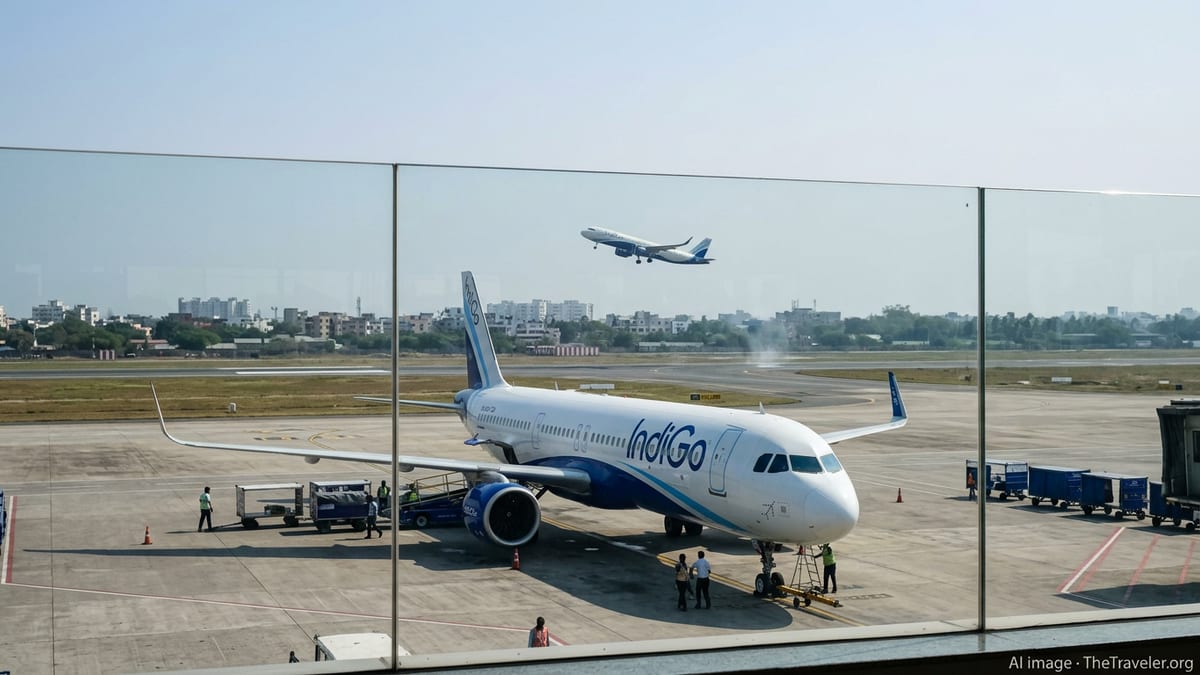
New Route Builds on IndiGo’s China Comeback
The planned Kolkata–Shanghai service marks IndiGo’s second direct connection from the West Bengal capital to mainland China, following the reinstatement of daily flights between Kolkata and Guangzhou in late 2025. Together, the two routes position Kolkata as a key Indian gateway for traffic to southern and eastern China, reinforcing the city’s historic role as a trading and cultural bridge between the two countries.
While final schedules and flight numbers for the Shanghai operation are expected to be confirmed closer to launch, industry executives say the service is being planned as a year round daily link, designed around connections to IndiGo’s extensive domestic network. Passengers from cities such as Hyderabad, Mumbai, Bengaluru and regional centres in eastern India will be able to connect via Kolkata onto Shanghai with through-ticketing on a single carrier.
For IndiGo, the new route also underlines its efforts to rebalance its international portfolio toward high growth Asian markets after a period of disruption. The carrier has been steadily rebuilding its China presence since the pandemic and subsequent geopolitical tensions led to a prolonged suspension of most direct air links between the two countries.
By targeting Shanghai, one of Asia’s most important financial and logistics centres, IndiGo is signalling confidence that underlying demand between India and China is strong enough to support additional capacity beyond the Guangzhou route already in place.
Boost for Trade, MSMEs and Cross Border Supply Chains
Business groups in both countries are expected to be among the biggest beneficiaries of the new daily link. Shanghai is home to a dense concentration of manufacturers, technology firms and financial institutions, while eastern India hosts a diverse base of small and medium enterprises involved in textiles, engineering goods, chemicals, tea, leather and services exports.
Direct belly cargo space on a daily narrow body service will give exporters and importers more predictable access to one of China’s primary logistics gateways. Freight forwarders in Kolkata say a nonstop connection can shave as much as a day off transit times compared with itineraries that rely on one stop services via Southeast Asian hubs, improving reliability for time sensitive shipments and high value components.
IndiGo executives have previously highlighted the importance of supporting India’s MSMEs through better international connectivity, and the Shanghai route is expected to be marketed aggressively to smaller companies that may not have the volumes to contract dedicated air freight capacity. Simplified schedules, through fares and aligned cut off times for cargo acceptance in Kolkata are being designed with these shippers in mind.
Financial and professional services firms in both cities also anticipate an uptick in executive travel once daily service begins, with easier access for investor roadshows, due diligence visits and technology partnerships. Travel agents in Kolkata report early inquiries from corporate clients planning cross border meetings in the second half of 2026.
Tourism, Education and Healthcare Links Set to Deepen
Beyond trade, the new route is expected to stimulate two way tourism flows at a time when Indian and Chinese travellers are gradually returning to overseas trips. Travel industry observers say Shanghai’s skyline, museums and nearby water towns have strong appeal for Indian leisure travellers seeking short breaks in East Asia, while West Bengal’s cultural heritage, hill stations and religious sites are drawing growing interest from Chinese tour operators.
Kolkata’s role as an education and healthcare hub for eastern India and neighbouring countries could also be reinforced. Universities in the city have been expanding partnerships with Chinese institutions and recruiting more international students, while private hospitals are targeting patients from across Asia for complex treatments. A daily, nonstop link from Shanghai makes travel planning more straightforward for students, visiting faculty, medical tourists and their families.
Industry analysts note that the route could become particularly attractive for younger travellers and business school students, who are increasingly looking to combine study, internships and short term work assignments across major Asian cities. With competitive fares and high frequency, IndiGo is positioned to tap into this emerging segment by offering flexible itineraries and code share interline options with partner airlines beyond Shanghai in the future.
Tour operators in both countries are already exploring bundled packages that include Shanghai and nearby destinations along with Kolkata and other Indian cities connected to IndiGo’s network, aiming to build multi stop itineraries that highlight cultural, culinary and shopping experiences.
Kolkata’s Position as an Eastern India Aviation Hub
The addition of Shanghai strengthens Kolkata’s case as a growing aviation hub for eastern and northeastern India, as well as for neighbouring Bangladesh, Bhutan and parts of Nepal. Netaji Subhas Chandra Bose International Airport has seen a steady expansion of domestic and regional services in recent years, with IndiGo playing a leading role in adding new point to point links and increasing frequencies on trunk routes.
By anchoring long haul regional services such as Guangzhou and Shanghai in Kolkata, IndiGo is creating a bank of international departures that can be fed by short haul flights from tier two and tier three cities. This hub and spoke model allows the airline to use its fleet more efficiently while offering passengers in smaller markets faster one stop access to major overseas destinations without having to route through Delhi or Mumbai.
Airport officials in Kolkata are expected to highlight the Shanghai launch as part of a broader push to attract additional international carriers and routes. Investments in terminal upgrades, immigration processing and airside infrastructure are being framed around the goal of turning the city into a preferred gateway for traffic between India’s east and key markets in East and Southeast Asia.
For passengers, the practical impact will be more choice of schedules and potentially sharper fares as competition for India China traffic intensifies. Travel agents anticipate that fare levels on the new Kolkata–Shanghai route will be calibrated to stay competitive with one stop options via Hong Kong, Bangkok or Kuala Lumpur, while still allowing IndiGo to maintain its low cost business model.
Strategic Timing Amid Regional Headwinds
IndiGo’s decision to firm up a new cross border route at a time of broader geopolitical and operational headwinds in the region has drawn attention in aviation circles. The airline has been navigating disruptions linked to airspace closures and schedule adjustments, even as it continues to grow capacity and take delivery of new aircraft.
A daily Kolkata–Shanghai service starting in March 2026 suggests that IndiGo sees enough structural demand on India China corridors to justify long term investment, despite short term volatility elsewhere in its international network. By focusing on dense, business heavy city pairs and leveraging its domestic strength, the carrier is betting that East Asia will remain central to its international growth story.
Industry watchers point out that the move could also spur competitive responses from rival airlines, including potential capacity increases on existing China routes or the launch of new links to cities such as Beijing, Shenzhen or Chengdu from other Indian gateways. For now, however, IndiGo’s planned Shanghai service keeps it at the forefront of efforts to rebuild direct connectivity between the two Asian giants.
As regulatory approvals are finalised and the carrier publishes detailed schedules in the coming months, attention will turn to load factors in the opening weeks of service. Strong uptake from both corporate and leisure travellers would reinforce Kolkata’s emerging role as a bridge between India and China and validate IndiGo’s strategy of deepening cross border ties through targeted, high frequency routes.