

More news on this day
Indonesia is preparing to launch the inaugural Indonesia Business Event Mart (IBEM) 2026 in Jakarta, positioning the new trade mart as a showcase for sustainable and digitally enabled meetings, incentives, conferences and exhibitions in Southeast Asia.
Get the latest news straight to your inbox!
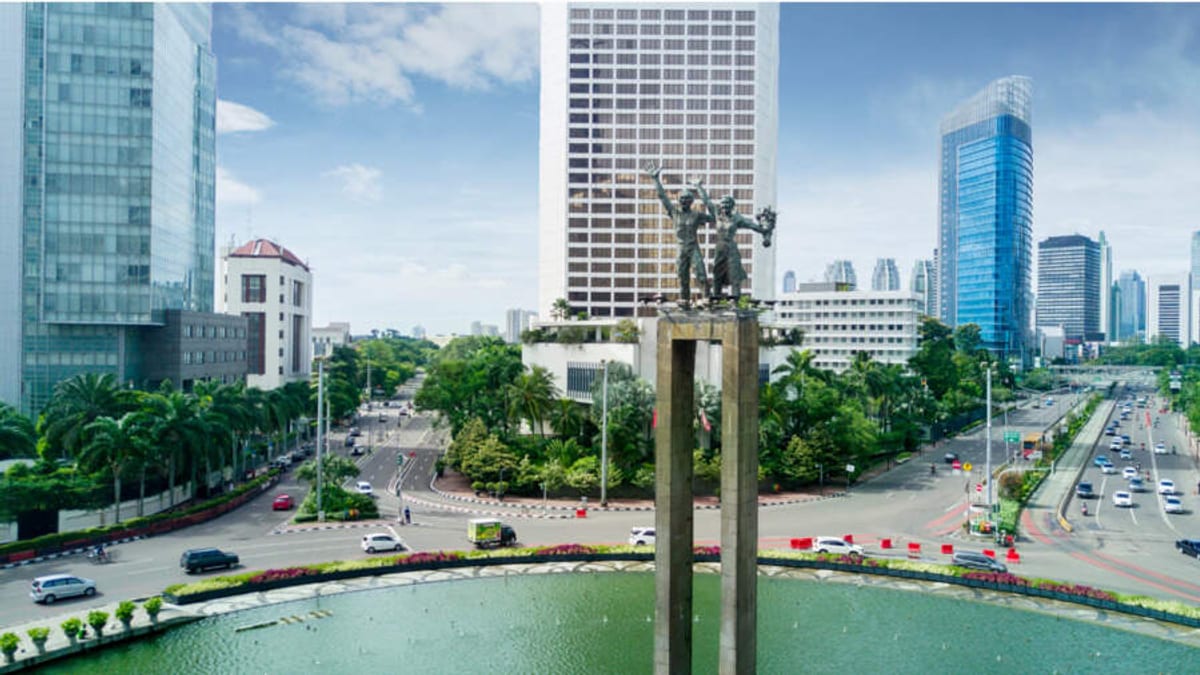
Image by Latest International / Global Travel News, Breaking World Travel News
Jakarta Chosen to Debut Indonesia Business Event Mart
According to publicly available information, the first edition of Indonesia Business Event Mart, branded as IBEM 2026, is scheduled to take place at the Jakarta International Convention Centre from 28 to 31 July 2026. Reports indicate that the event is being developed as a dedicated marketplace connecting domestic and international buyers and suppliers across the meetings, incentives, conferences and exhibitions segment, with Jakarta selected as the launch city due to its concentration of corporate headquarters, national institutions and established event infrastructure.
Coverage of the launch plan notes that the initiative is being led by ENCPRO in partnership with regional industry media, with the format designed around business meetings, exhibition booths and content sessions for professional development. Early projections cited in industry reports suggest the event is targeting around 150 to 200 exhibiting companies, with a majority expected from within Indonesia and a significant minority of international participants, underscoring ambitions to turn IBEM into a regional rather than purely domestic platform.
Jakarta’s selection aligns with the capital’s long running role as Indonesia’s primary gateway for business tourism, with a wide choice of convention centres, large hotels and supporting services. Previous campaigns promoting Jakarta as a meetings friendly city have highlighted the availability of modern venues, improved transport links and a growing ecosystem of professional conference organisers, digital event providers and hospitality brands capable of handling complex international programs.
Focus on Sustainability in Indonesia’s MICE Strategy
IBEM 2026 is emerging against a backdrop of growing emphasis on sustainability within Indonesia’s wider business events policy. Academic and sector events in recent years, including forums led by MICE study programs and city governments, have stressed the importance of aligning meetings and exhibitions with the United Nations Sustainable Development Goals and adopting recognised frameworks such as ISO 20121 for sustainable event management practices. Publicly available program notes describe priorities such as reducing waste, managing energy and water usage and encouraging responsible sourcing from local suppliers.
In Jakarta, earlier initiatives that examined sustainable MICE practices have encouraged organisers to integrate greener materials, low impact venue operations and inclusive community engagement into their planning. These efforts have been presented as essential to maintaining competitiveness as global clients and associations increasingly require verifiable environmental and social standards for host destinations. Industry observers indicate that Indonesia’s positioning of IBEM 2026 is likely to draw on this groundwork, using the new mart to highlight local best practice and stimulate further investment in green solutions.
International trade shows scheduled in Indonesia over the next two years, in sectors ranging from food to creative industries, also reflect a broader shift toward health, halal compliance and sustainability themes. By hosting IBEM 2026 in this evolving context, Indonesia appears to be seeking both to showcase its progress and to signal that sustainable operations are moving from niche positioning to mainstream expectations across the national events calendar.
Digital Innovation and Hybrid Capabilities Under the Spotlight
Alongside environmental ambitions, digital innovation is expected to play a central role in how Indonesia presents IBEM 2026. Information from local event management companies and regional travel trade shows points to rapid adoption of online registration platforms, data driven matchmaking tools and hybrid event formats that blend in person and virtual participation. These capabilities gained prominence during and after the pandemic and are now regarded as standard components of competitive MICE offerings in Asia.
Jakarta based organisers increasingly promote services such as real time attendee analytics, automated check in, app based agenda management and integrated streaming solutions, positioning the city as a hub for tech enabled business events. Industry coverage of recent conferences and expos in Indonesia cites strong interest in artificial intelligence supported tools, automation of routine planning tasks and cloud based collaboration systems that allow corporate and association clients to coordinate complex programs remotely.
Within this environment, IBEM 2026 is being framed as an opportunity to convene technology providers, venue operators and destination representatives under one roof, encouraging discussion on how digital tools can improve efficiency, sustainability reporting and delegate experience. Observers note that by embedding a strong technology focus into the mart’s content and exhibition zones, Indonesia aims to demonstrate that its MICE sector is not only expanding in scale but also adapting to the latest global standards in event design and delivery.
Strengthening Indonesia’s Position in the Regional Business Events Market
IBEM 2026 also reflects Indonesia’s broader strategy to capture a larger share of regional business events, in competition and collaboration with established hubs such as Singapore, Bangkok and Kuala Lumpur. Data and commentary released around recent forums on Southeast Asian business events underline the scale of opportunity, as governments and private sectors across the region look to meetings and exhibitions as drivers of tourism receipts, knowledge exchange and investment promotion.
Indonesia’s advocacy efforts at international trade shows, including campaigns that promote Jakarta as a capable host for large scale conventions and incentive travel, are part of a multi year push to reposition the country from a primarily leisure focused destination to a more balanced portfolio that includes high value corporate and association events. National and city level tourism bodies have increasingly aligned their messaging with this objective, highlighting infrastructure improvements and case studies from sectors such as automotive, food, creative industries and education.
Analysts following the region’s MICE dynamics point out that Indonesia’s vast domestic market, growing middle class and diversified economy offer a strong base of local buyers and exhibitors, which can make new platforms like IBEM 2026 more resilient. If the inaugural edition succeeds in attracting a critical mass of international hosted buyers and exhibitors, it could help reposition Jakarta as a regular stop on the itineraries of global event planners evaluating Asian destinations for future rotations.
Opportunities and Challenges Ahead for IBEM 2026
While expectations for IBEM 2026 are high, sector observers also highlight a number of challenges that will shape its long term impact. Competition for calendar space in 2026 is intensifying, with multiple industry specific exhibitions, association congresses and investment summits already slated for Jakarta and other Indonesian cities. Organisers will need to demonstrate a clear value proposition that differentiates IBEM from existing trade shows and ensures that both buyers and suppliers can secure tangible business outcomes.
There is also ongoing scrutiny of how sustainability commitments are implemented in practice. Stakeholders tracking Indonesia’s MICE development note that credible progress will require consistent measurement, transparent reporting and collaboration between venues, transport providers, hotels and local communities. IBEM 2026 will likely be assessed on how effectively it incorporates these elements into its operations, from waste management and energy use to accessibility and inclusion.
At the same time, the rapid pace of technological change presents both opportunities and risks. Digital platforms can enhance matchmaking, reduce paper usage and widen access, but they also require investment in cybersecurity, data privacy and staff training. Industry discussions suggest that events such as IBEM 2026 could become testing grounds for new solutions, provided that organisers balance innovation with reliability and user experience. The performance of the inaugural edition in July 2026 is expected to influence how Indonesia’s business events community approaches future collaborations that link sustainability, technology and economic growth.