

More news on this day
Indonesia’s tourism industry is entering a new boom phase, with rising visitor numbers and foreign exchange earnings increasingly tied to a “green” development agenda under the Golden Indonesia 2045 vision.
Get the latest news straight to your inbox!
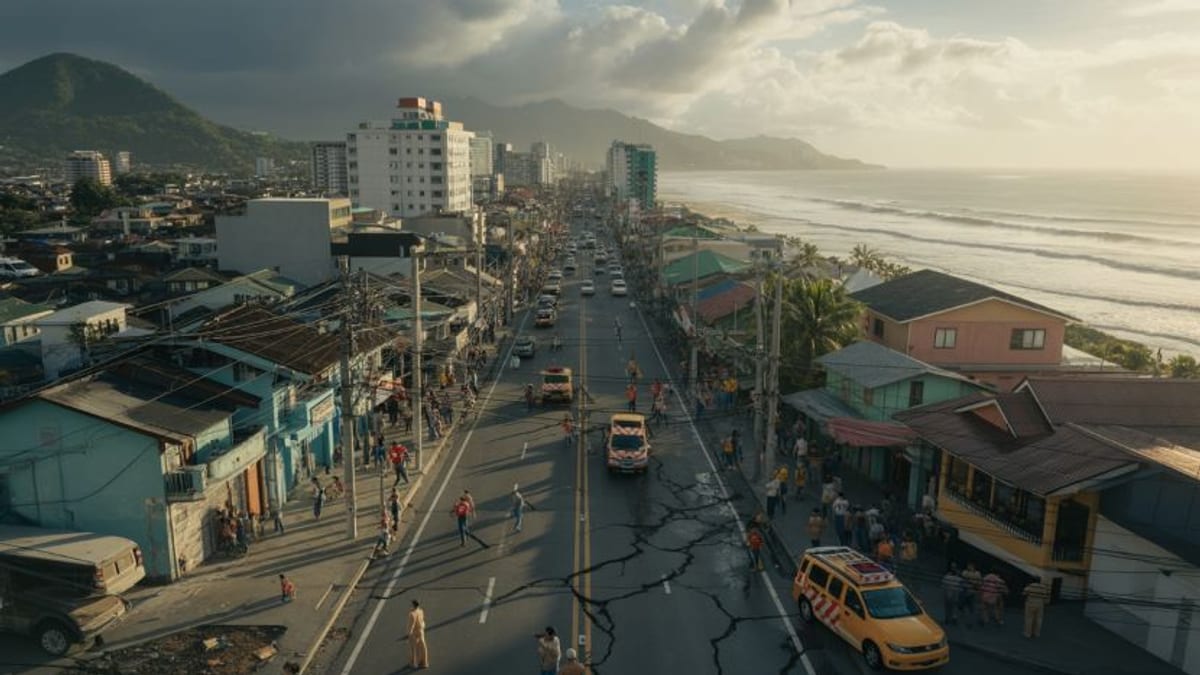
Tourist Arrivals Surge Past Pre-Pandemic Benchmarks
Recent data shows that international travel to Indonesia has rebounded strongly, driven by pent-up demand and more open border policies. Statistics Indonesia reported that 2023 marked a decisive recovery year, with more than 11 million foreign arrivals and nearly a doubling of visits compared to 2022. Subsequent figures for 2024 point to further acceleration, with publicly available summaries indicating around 13.9 million foreign visitor arrivals and sustained momentum into 2025.
Tourism’s macroeconomic role is strengthening alongside this resurgence. International visitor spending and related tourism receipts in 2024 were widely reported to have climbed into the mid-teens in billions of US dollars, while travel and tourism’s overall contribution to national GDP has edged above 5 percent according to industry and institutional assessments. Projections released by international tourism bodies suggest that spending by foreign visitors in Indonesia could set new records in 2025, underscoring the sector’s importance to growth and employment.
Domestic tourism is adding an additional layer of resilience. Government work plans and sectoral analyses point to more than one billion domestic trips annually, helping to support airlines, inter-island ferries, accommodation providers and micro, small and medium enterprises across the archipelago. This combined international and domestic demand is giving Indonesia a stronger platform for long-term tourism planning.
Destination dynamics are also shifting. Bali remains the flagship destination, contributing a substantial share of foreign arrivals, but more visitors are now venturing to emerging areas such as Labuan Bajo, Lombok, North Sulawesi and parts of Sumatra. Policy documents and regional statistics depict a gradual diversification that is central to the country’s broader tourism strategy.
Green Parekraf Strategy Puts Sustainability at the Core
The Ministry of Tourism and Creative Economy, often referred to by its Indonesian acronym Kemenparekraf, has been framing tourism growth through a “green and sustainable” lens. Publicly available presentations and policy briefings describe a Green Parekraf strategy that emphasizes low-carbon tourism, resource efficiency and community-based development, aligning tourism programs with national climate and biodiversity commitments.
Some of the flagship initiatives focus on certifying sustainable destinations, supporting eco-lodges and homestays, and steering investment into nature-based experiences that generate income without degrading sensitive ecosystems. Official roadmaps highlight efforts to manage carrying capacity at popular sites, strengthen waste management in coastal areas and promote cleaner transport solutions in key tourist corridors.
The green approach is also closely tied to inclusive development. Published program descriptions indicate that Kemenparekraf is channeling training, marketing assistance and digital tools to local communities and small businesses, especially in rural and outer-island regions. By doing so, tourism income is intended to be more evenly distributed beyond traditional hotspots, while encouraging guardianship of cultural and natural heritage.
Industry observers note that Indonesia’s green tourism agenda is increasingly influencing how international partners and investors engage with the sector. Sustainability criteria and environmental, social and governance considerations are becoming routine components of destination promotion, infrastructure planning and hotel pipeline development.
Golden Indonesia 2045 Vision Anchors Long-Term Tourism Goals
The Golden Indonesia 2045 vision, which outlines the country’s ambition to become a sovereign, advanced and prosperous nation by its centennial year, provides the long-term framework for tourism and creative economy policy. According to publicly accessible planning documents and analyses, tourism is expected to remain a key growth engine in the transition toward high-income status, particularly through higher value-added services and experience-based offerings.
Within this vision, the government’s medium- and long-term plans link tourism expansion with improvements in infrastructure, human capital and environmental stewardship. Strategic planning papers emphasize the need to move from volume-based targets to quality-focused metrics, such as higher per-visitor spending, longer stays and greater local value capture per trip.
The creative economy is central to these ambitions. Recent academic and policy-oriented studies estimate that creative sectors, many of them intertwined with tourism, already contribute substantial shares to GDP and employment. Sub-sectors such as crafts, fashion, culinary arts, film, music, and digital content are being framed as growth frontiers that can differentiate Indonesia from competitors and underpin a distinct national brand by 2045.
Analysts observing the Golden Indonesia 2045 agenda suggest that tourism will increasingly be evaluated not only on arrivals and revenue, but also on how it supports social cohesion, cultural vitality and the transition to a low-carbon economy. This multi-dimensional role is reshaping how success is defined for the sector over the next two decades.
New Capital and Infrastructure Projects Open Fresh Tourism Frontiers
Large-scale infrastructure projects are another driver of Indonesia’s tourism boom. The ongoing development of the new capital city Nusantara in East Kalimantan, for instance, is already generating visitor interest. Publicly available reports describe daily tourist numbers in the thousands, supported by new roads, public spaces and early hospitality investments.
Beyond the new capital, airport expansions, port upgrades and new toll roads across Java, Sumatra, Sulawesi and other islands are shortening travel times and opening less-visited destinations to both domestic and international tourists. Transport and logistics improvements are particularly important for archipelagic areas where access has historically been a constraint on tourism and creative-industry development.
These investments are generally framed as part of a broader effort to balance Indonesia’s tourism map. By easing travel to secondary and tertiary destinations, planners aim to reduce pressure on heavily visited areas while spreading economic benefits more widely. Environmental and social safeguards have been placed under greater scrutiny as civil society groups and researchers call for careful implementation to ensure that new infrastructure serves sustainable tourism rather than overdevelopment.
Destination management organizations at provincial and city levels are increasingly integrating tourism plans with other sectoral strategies, including urban development, conservation and cultural preservation. This integrated approach is expected to become more prominent as the country advances toward its 2045 goals.
Creative Economy and Policy Innovations Sustain Growth Momentum
Alongside physical infrastructure, policy innovations are shaping Indonesia’s tourism trajectory. Adjustments to visa regulations, including the expansion of e-visa on arrival facilities and selective visa-free arrangements for key markets, have been rolled out to reduce friction for international travelers while maintaining security and fiscal considerations. Publicly available policy summaries indicate that further refinements are under discussion to attract higher-spending segments.
Marketing campaigns under the “Wonderful Indonesia” banner continue to pivot toward digital platforms, data analytics and targeted storytelling around nature, culture and creative experiences. Collaborations with airlines, online travel agents and content creators are helping to expand Indonesia’s reach in both established and emerging source markets, reinforcing the sector’s post-pandemic recovery.
The creative economy ecosystem is evolving in parallel. Reports on the sector highlight increasing formalization of creative enterprises, new financing channels, startup accelerators and intellectual property frameworks aimed at protecting and monetizing local ideas. For many regions, tourism provides the primary market for creative goods and services, from culinary products and handicrafts to festivals and digital media.
Looking toward 2045, observers note that Indonesia’s tourism boom is likely to be sustained if the Green Parekraf strategy and Golden Indonesia 2045 vision continue to move in tandem. The challenge for policymakers, communities and businesses will be to manage growth in ways that preserve the archipelago’s rich environmental and cultural assets while ensuring that the gains from tourism and the creative economy are broad-based and resilient.