

More news on this day
As jet fuel costs spike across Asia, Indonesia’s largest airline groups are moving to raise fuel surcharges by up to 15 percent, a shift that could reshape what tourists from Singapore, China and India pay to reach Bali and how much of their budget is left for hotels on the island.
Get the latest news straight to your inbox!
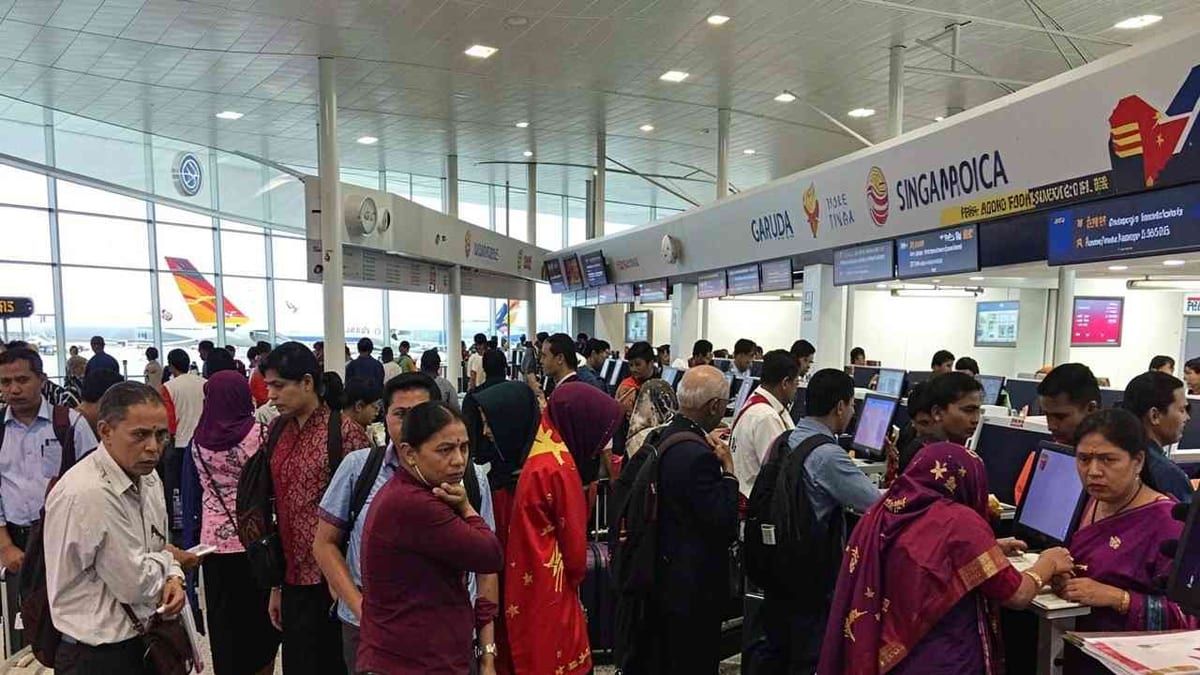
Image by Travel and Tour World – Tourism, Airline, Destination, MICE, Gobal Travel Market, Hotel news that you will find only over here.
Garuda, Lion Air, Citilink and Batik Air Seek Room to Raise Fares
Publicly available policy papers and industry commentary show that Indonesian regulators allow domestic airlines to tack on a separate fuel surcharge on top of base airfares, with ceilings that can be adjusted when fuel prices swing sharply. In this framework, full service carrier Garuda Indonesia and low cost rivals Lion Air, Citilink and Batik Air are now seeking scope for roughly a 15 percent increase in the fuel component on key routes, including those feeding Bali’s Ngurah Rai International Airport.
The discussions are unfolding against a backdrop of fast rising jet fuel prices after renewed conflict in the Middle East pushed global oil benchmarks sharply higher in March 2026. Regional media coverage indicates airlines across Asia have already begun lifting surcharges or base fares to offset higher operating costs, and Indonesian carriers are under similar pressure to protect margins while keeping ticket prices within government regulated bands.
For Indonesia’s aviation market, the four brands in focus are systemically important. Garuda Indonesia and its low cost subsidiary Citilink dominate full service and budget traffic on trunk domestic routes, while Lion Air and Batik Air anchor the privately owned Lion Group. Positioning papers from Indonesia’s competition watchdog highlight that these carriers together account for the bulk of domestic passenger volumes, meaning any coordinated shift in surcharge levels would be widely felt by travelers heading to and from Bali.
Industry analysts note that while the headline figure of a 15 percent fuel surcharge hike sounds steep, it typically applies only to the fuel component of a fare. In practice, the increase is likely to translate into a single or low double digit percentage rise in total ticket prices, depending on route length and fare type.
Impact on Tourists Departing From Singapore, China and India
For tourists based in Singapore, the immediate effect of higher Indonesian surcharges is expected to be modest but visible. Bali is served by a mix of Indonesian and foreign carriers, and published schedules show multiple daily flights between Singapore and Denpasar on both sides. Travelers who usually book Lion Air, Batik Air, Citilink or Garuda on this short haul sector may see final ticket prices edge up as the surcharge change filters through, while competition from Singapore based and other regional airlines could cap how far total fares can rise.
From mainland China, the picture is more complex. Bali’s tourism recovery has relied partly on the gradual return of Chinese visitors, with direct and one stop services operated by Indonesian, Chinese and other Asian carriers. Given the longer stage lengths from cities such as Guangzhou, Shanghai or Beijing, the proportion of a ticket attributed to fuel is higher than on Singapore routes. A 15 percent uplift to the fuel surcharge line item therefore has more potential to push up overall fares, especially on peak season departures when base prices are already elevated.
Indian travelers are facing a double squeeze. Airlines based in India, including large low cost operators, have recently introduced or expanded their own fuel charges on international routes in response to higher aviation turbine fuel costs. At the same time, Indonesian airlines serving India to Bali itineraries are looking to adjust their surcharges. For tourists from cities such as Mumbai, Delhi or Bengaluru booking connecting flights via Southeast Asian hubs, this can mean layered fuel related fees at each leg, even if headline base fares appear unchanged at first glance.
Travel management forecasts for 2026 suggest that, globally, airfares were already poised for slight increases due to lingering cost pressures and strong leisure demand. The latest fuel shock and surcharge moves by Indonesian airlines add an extra upward nudge for Bali bound passengers in these key source markets, though competitive dynamics and currency shifts will determine the final pricing travelers see.
What Higher Fuel Surcharges Mean in Rupiah Terms
How much more a 15 percent fuel surcharge rise will cost depends heavily on distance and cabin class. On short regional hops to Bali, industry fare tables in neighboring markets indicate that fuel surcharges often account for a relatively small slice of the total ticket, sometimes less than one fifth. On such itineraries, a 15 percent hike in that component might add only the equivalent of a few Singapore dollars or a similar amount in Chinese yuan or Indian rupees per one way segment.
For medium haul flights from China’s eastern seaboard or from Indian metros routed through Jakarta or other hubs, however, fuel can represent a much larger portion of the all in fare. In those cases, the same percentage change could translate into a noticeably higher outlay, particularly for families or group tours booking multiple tickets. Travel agents in the region are already advising clients to expect variable surcharges and to check final pricing carefully at the payment page rather than relying on initial fare search results.
Another subtle effect is the way fuel surcharges are often structured as separate line items rather than baked into the base fare. When that line grows, it can reduce the scope for airlines to run deep promotional discounts without selling below cost, especially during peak holiday seasons or around major festivals in India and China. As a result, tourists hoping for last minute bargains to Bali may find fewer ultra low promotional fares available if surcharges remain elevated through the northern summer and year end period.
Currency movements will also play a role. If the Indonesian rupiah weakens against the Singapore dollar, Chinese yuan or Indian rupee, foreign tourists may find on the ground expenses in Bali relatively cheaper, partially offsetting the higher cost of getting there. Conversely, if regional currencies soften or jet fuel remains above recent averages for an extended period, it could dampen price sensitive demand from secondary cities and emerging outbound segments.
Ripple Effects on Bali’s Hotel Rates and Tourism Spend
For Bali’s hotel sector, higher airfares are a double edged sword. On one hand, increased travel costs can temper arrival numbers, particularly among domestic travelers and regional tourists on tighter budgets. Indonesian hospitality groups and regional tourism bodies have previously warned that elevated flight prices tend to cap occupancy during key holiday periods, prompting cautious revenue forecasts for peak seasons.
On the other hand, Bali has seen an almost continuous build up of hotel and villa inventory over the past decade, with some travel forums noting that room supply in many areas still feels abundant relative to current demand. This oversupply has historically limited how far average daily rates can climb, even when international arrivals recover. With more beds chasing each visitor, accommodation providers have relied on competitive pricing and value add offers to maintain occupancy.
Global hotel outlooks for 2026 point to modest rate growth rather than the sharp post pandemic spikes seen in earlier years. In Asia, analysts expect destination specific dynamics to dominate. For Bali, that means any drag from higher airfares may be partially offset by a need among hotel owners to keep prices attractive in order to fill rooms. Visitors who do make the trip from Singapore, China and India could therefore face slightly higher flight costs but continue to find a wide range of price points for accommodation, from budget guesthouses to luxury resorts.
Local commentary also highlights a divergence between headline rates and effective prices after discounts. Even when published nightly rates tick upward, frequent flash sales, bundled packages with flights, and direct booking promotions can hold down what travelers actually pay. If fuel surcharges begin to bite into holiday budgets, hotels may lean more heavily on such tactics to capture guests who might otherwise defer or shorten their Bali trips.
How Tourists Can Adapt Their Bali Plans
For travelers planning Bali holidays from Singapore, China or India in the coming months, the latest fuel surcharge developments are a reminder to budget more carefully for flights and to keep a close eye on fare trends. Industry experience during previous fuel spikes suggests that airlines often phase in surcharge changes over several weeks, creating windows where booking slightly earlier or later can make a meaningful difference, especially on long haul or multi segment itineraries.
One practical strategy is to be flexible about travel dates and routing. With multiple carriers operating into Bali from major regional hubs, comparing combinations of Indonesian and foreign airlines, as well as considering nearby airports and connections, can help offset some of the surcharge driven increases. Travelers who typically book only full service airlines may also find value in mixing low cost and full service segments, provided they factor in baggage rules and connection risks.
On the accommodation side, observers of Bali’s hotel market note that room prices can vary widely by neighborhood and booking channel. Tourists facing higher airfares may choose to trim their nightly budget slightly or shorten their stay by a day while maintaining preferred standards of comfort. Given the island’s deep inventory, particularly in established resort areas, there is still scope to trade between location, amenities and price to stay within an overall holiday budget.
For now, the push by Garuda Indonesia, Lion Air, Citilink and Batik Air for a 15 percent increase in fuel surcharges underscores how global energy market shocks are filtering directly into the cost of leisure travel. Tourists from Singapore, China and India weighing a Bali break in 2026 will not be immune, but with careful planning and smart shopping on both flights and hotels, the island can remain an accessible getaway even in a higher fuel price era.