

More news on this day
Indonesia is reshaping how visitors experience the archipelago in 2026, tightening entry rules while promoting smarter, safer travel that steers tourists away from scams and overcrowded hotspots toward better prepared, lesser-known destinations.
Get the latest news straight to your inbox!
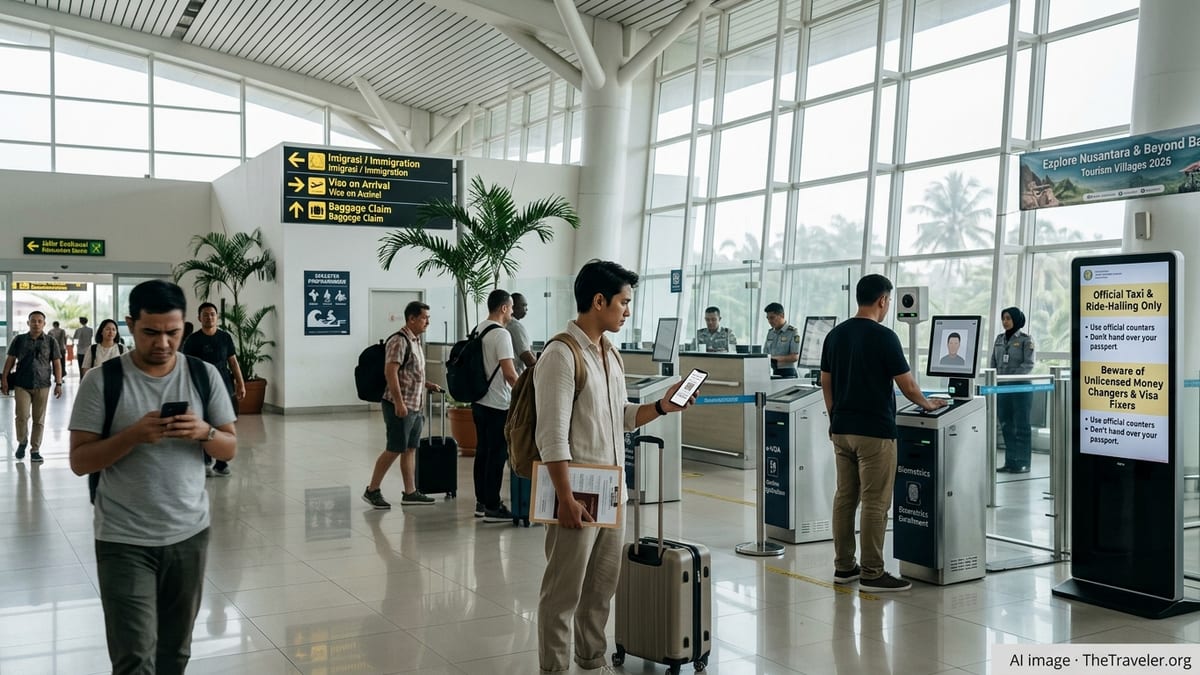
New 2026 Entry Rules: Apps, Biometrics and Higher Costs
Travel into Indonesia is becoming more digital and more closely monitored in 2026, with new platforms, biometric checks and fee changes that reward organized travelers but penalize those who arrive unprepared. Publicly available immigration guidance highlights a mandatory pre-registration system through a centralized Indonesia Immigration Portal for most visa categories, alongside a continued shift toward electronic visas on arrival for short stays.
Recent visa updates indicate that fees for several e-visa categories have increased since 2025, while documentation standards have risen, including higher minimum funds for some tourist applications. Travelers are being urged by advisory sites and law firms to complete their e-visa or e-VOA paperwork at least 48 hours before departure and to carry printed or offline copies of approvals in case airport systems are congested.
Extensive immigration briefings describe a hybrid model of online applications paired with in-person obligations such as biometric enrollment at local immigration offices for visa extensions. Foreign visitors seeking to stay beyond an initial visa period are expected to budget multiple hours for fingerprinting, photos and interviews, particularly in busy hubs like Bali and Jakarta. Agencies warn that incomplete forms, missing accommodation details or ambiguous travel purposes are now among the main reasons for rejection or shortened stay permits.
Analysts of Indonesia’s immigration reforms note that authorities are also investing in data integration and risk analytics through 2026, with longer term plans to link entry records to employment and investment databases. While these changes are primarily aimed at curbing misuse of tourist visas for work, they also mean that travelers who repeatedly overstay or bend the rules are more likely to be identified and refused future entry.
Scam Awareness: Cash, Rentals and Social-Media “Fixers”
Parallel to the rule changes, reports from traveler forums, consular advisories and local media continue to document a familiar set of scams in major Indonesian tourism centers. The most frequently mentioned issues include inflated exchange rates at unlicensed money changers, unofficial “police fines” demanded on the roadside, tampered taxi meters or unregistered ride-share drivers quoting off-app prices around airports and nightlife districts.
Travel guidance now stresses using only clearly branded, government-licensed money changers in malls and banks, checking that all notes are counted in front of the customer and refusing any demand to hand over a passport as collateral. In popular areas of Bali and Jakarta, visitors are encouraged to rely on official taxi counters inside terminals, verified ride-hailing apps, or hotel-arranged transfers, and to photograph license plates before departure.
Vehicle rentals are another recurring risk. Social media and messaging apps have fueled a rise in informal scooter and car rentals that bypass registration and insurance requirements. Consumer advocates point to cases in which travelers were presented with large repair bills for pre-existing damage, or threatened with police reports unless they paid on the spot. Recommended safeguards include documenting every scratch and dent via video at pickup, insisting on written contracts in English and declining to leave passports as security.
Visa “helpers” and self-described “agents” advertising on platforms like Instagram and TikTok are also drawing scrutiny. Legal commentaries warn that some intermediaries file false documentation or misuse tourist visas for work activities, exposing travelers to fines or deportation. The consistent advice from compliance specialists is to use only licensed visa consultants or apply directly through official portals, avoiding anyone who promises guaranteed approvals or shortcuts in exchange for cash.
Staying Safe in the World’s Disaster Hotspot
Indonesia’s position on the Pacific Ring of Fire keeps it under constant scrutiny from seismologists and disaster planners, and recent events continue to underline the risks. In the last year, national and regional agencies have reported damaging earthquakes in Sulawesi and East Java, as well as renewed activity at several volcanoes including Mount Semeru in East Java and Mount Bur Ni Telong in Aceh. These incidents prompted temporary trail closures, evacuations and rescues of stranded climbers.
In response, Indonesia has expanded simulation drills and early warning systems, particularly in coastal and tourism-heavy zones. Disaster management updates describe large-scale exercises in West Sumatra and joint tsunami drills along the southern coasts of Java and Sumatra. Tourism officials have been encouraged to integrate evacuation maps, siren tests and emergency signage into hotels, beach clubs and community-run guesthouses.
Specialist reports on disaster risk reduction in tourism highlight certification programs for hotels and tour operators in Bali and the Nusa Tenggara islands, aimed at standardizing basic preparedness. These initiatives encourage properties to mark safe assembly points, maintain emergency supply kits and train staff in earthquake and tsunami protocols. Travelers are increasingly being advised to choose accommodations that publish clear safety information and to read evacuation cards alongside room service menus.
For visitors planning adventure activities, the practical guidance is becoming more specific. Mountaineering and volcano trekking routes can close at short notice when alert levels rise, and reputable operators now monitor daily updates from geological agencies before starting hikes. Travelers are being urged to avoid unauthorized guides, check that trips include radios or satellite phones in remote areas and confirm that itineraries stay outside official danger zones around active craters.
Hidden Gems: Tourism Villages, New Capital and Lesser-Known Islands
While Bali and Jakarta remain Indonesia’s most recognizable destinations, tourism planners are using 2026 to push visitors toward what they describe as “hidden gems” across the archipelago. A growing network of officially recognized tourism villages showcases traditional crafts, local cuisine and slow-paced stays in homestays or eco-lodges, particularly in Bali and Java. One example that has reached international travel press is Pemuteran in northwestern Bali, noted for coral restoration projects and snorkeling sites away from the busiest beaches.
Regional authorities in Bali’s Badung Regency are promoting a series of new tourism villages scheduled for expanded development through 2026, targeting travelers seeking culture, trekking and community-based experiences instead of large resort corridors. Travel features describe structured village walks, farming and cooking programs, as well as locally managed marine conservation activities that cap daily visitor numbers to protect reefs.
Beyond Bali, the gradual shift of Indonesia’s national capital to Nusantara on the island of Borneo is already influencing travel patterns. Public information on the project notes that visitor numbers to the new city and surrounding East Kalimantan region have climbed, as domestic tourists and international travelers add short stops to see the emerging government district and nearby forest landscapes. Infrastructure plans for 2025 to 2029 include new roads, utilities and public spaces designed to accommodate larger visitor flows.
Smaller islands in eastern Indonesia, including parts of East Nusa Tenggara, Maluku and North Sulawesi, are also appearing more frequently in tourism promotion campaigns focused on diving, hiking and cultural festivals. These areas often lack the crowds of Bali or Lombok but require greater self-sufficiency from travelers, with limited ATMs, patchy mobile coverage and fewer medical facilities. Guides stress the importance of arranging transport in advance, traveling with reliable local operators and respecting community rules on activities such as alcohol consumption and dress.
Practical Hacks to Travel Smarter in 2026
For visitors looking to turn these trends into concrete travel hacks, 2026 favors those who plan ahead and spread out their itineraries. Travel advisers recommend starting trip preparation by checking the latest visa category that fits the purpose of the visit, using only official platforms or verified intermediaries, and saving digital and printed copies of every document. Booking refundable flights and accommodation is increasingly seen as a buffer against sudden route closures or disaster-related disruptions in specific regions.
On the ground, carrying a mix of cards and cash in Indonesian rupiah remains important, but experts suggest limiting the amount of cash carried at any one time and using hotel safes whenever possible. Tourists are further encouraged to rely on widely recognized ride-hailing apps in cities, agree taxi fares in advance where meters are not used and keep small denominations for tolls and local markets to avoid disputes over change.
To avoid overcrowded hotspots and reduce exposure to scams, travel planners propose allocating only a few days to the busiest districts of Bali or Jakarta before heading to certified tourism villages or less commercial islands. In many cases, these communities offer better value accommodations, quieter beaches and more direct income for local residents, while also participating in disaster preparedness programs that can benefit visitors during emergencies.
Finally, experienced visitors to Indonesia emphasize the value of staying informed day by day. Simple steps such as enabling local news alerts on smartphones, checking seismic and weather updates for coastal or mountain areas, and asking hotels to explain sirens and evacuation signage can significantly improve safety. For 2026, Indonesia’s message to travelers is clear: those who respect the rules, prepare for natural hazards and look beyond the obvious hotspots will find a richer and more resilient version of the archipelago waiting to be explored.