

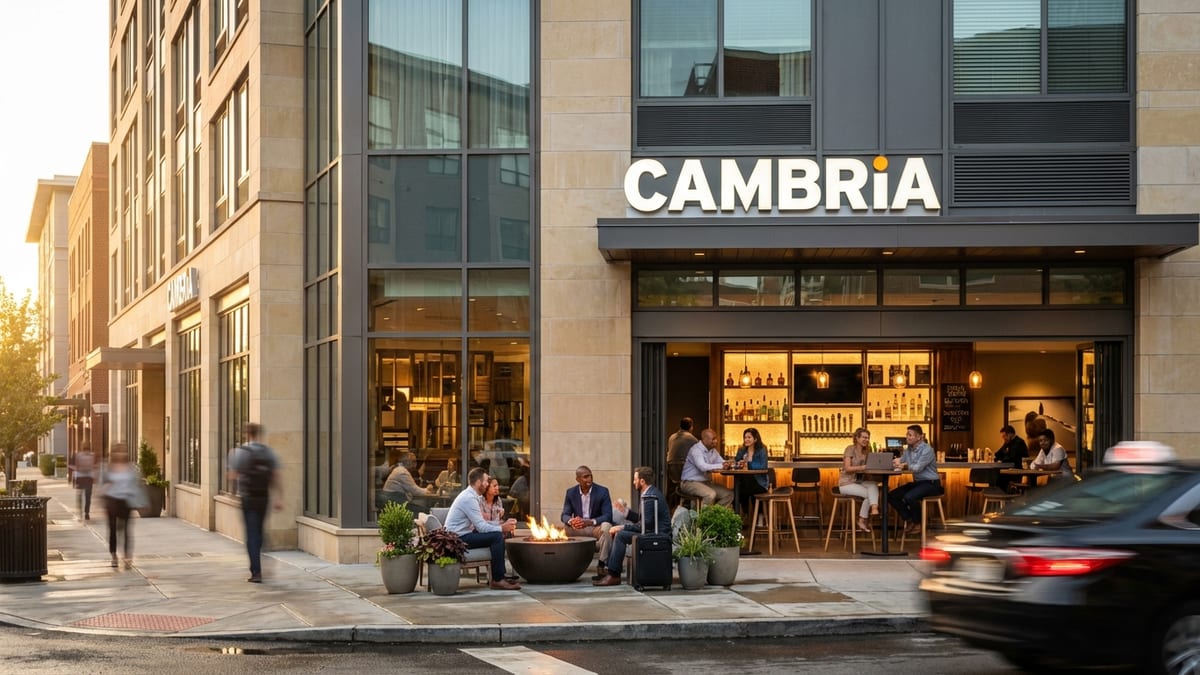
Cambria Hotels has quietly grown from a niche newcomer to one of the most talked‑about upscale hotel brands in the United States. Owned by Choice Hotels International, Cambria now counts more than 70 properties open nationwide, with a robust pipeline stretching from major gateways like New York and Los Angeles to emerging leisure destinations in the Smoky Mountains and the California desert.
For travelers who want a polished stay that still feels relaxed and local, Cambria has positioned itself as a challenger to the big legacy names in the upscale segment such as Courtyard by Marriott and Hilton Garden Inn. This guide explores what makes Cambria different, how the brand has evolved, and how to decide whether it fits your next trip.
Understanding the Cambria Hotels Brand
Cambria was launched by Choice Hotels in 2005 as the company’s first new brand in nearly a decade. The initial concept, then called Cambria Suites, targeted business travelers who wanted more space and style than a traditional select‑service chain could offer. The first property opened in Boise, Idaho in 2007, and the portfolio grew steadily from there. Over time, the name evolved to Cambria Hotels and the brand refined its identity around modern design, locally inspired touches and what it describes as “little luxuries” that make a short stay feel more indulgent without climbing into luxury‑hotel price territory.
As of 2025, Cambria operates roughly 75 to 76 hotels across the United States, with thousands of additional rooms in the development pipeline. The brand has built a strong presence in top business and leisure markets, including Chicago, New York, Los Angeles, Washington, D.C., Nashville and Phoenix, while also moving into fast‑growing secondary destinations. That scale matters for travelers who want to earn loyalty points consistently and know what to expect from one stay to the next, yet Cambria aims to avoid the overly standardized feel that can make some chain hotels blur together.
Cambria is firmly positioned in the upscale category, sitting above midscale chains like Comfort Inn but below traditional full‑service luxury. Its main competitors are the better‑known business travel stalwarts: Courtyard, Hilton Garden Inn, Hyatt Place and similar brands. Where Cambria tries to stand out is in its design sensibility, bar‑forward social spaces, and focus on regionally rooted food and beverage. Choice Hotels has leaned heavily into this differentiation, describing Cambria as its “challenger” brand in the upscale space and investing aggressively in new builds and renovations to keep the look and feel contemporary.
The strategy appears to be resonating with guests. In the J.D. Power 2023 North America Hotel Guest Satisfaction Index Study, Cambria was ranked number one within the upscale segment. Corporate travel buyers have also rated Cambria highly, noting a strong balance of value, design and convenience. While individual hotel experiences will always vary, the overall feedback suggests the brand has succeeded in offering something that feels fresher and more personality‑driven than many of its direct rivals.
Design and Atmosphere: Local Flair Over Cookie‑Cutter
Walk into a Cambria lobby and the first impression is usually of a contemporary, open space that feels more like a neighborhood hangout than a traditional hotel check‑in zone. High ceilings, generous natural light, and seating clustered for both solo work and casual gatherings are common. While there is a recognizable brand language in the furnishings and finishes, each property is encouraged to reflect its setting through art, photography and subtle design cues. In a California desert location, that might mean earth‑tone palettes and local landscape imagery; in a Texas tech corridor, sleek lines and industrial accents may take the lead.
This emphasis on local personality is not an afterthought. Choice’s development playbook for Cambria includes specific guidelines for incorporating locally inspired materials, artwork and storytelling elements into the public spaces. Murals, historic photos and references to regional culture often feature prominently. The intent is to give guests an immediate sense of place instead of the “could be anywhere” vibe that critics often level at chain hotels. For leisure travelers especially, that localized feel can make a quick weekend away more memorable.
Guestrooms continue the design narrative with a restrained, modern look that favors clean lines and practical comfort. Expect a predominantly neutral color scheme punctuated by accent walls or fabrics, contemporary lighting and simple, functional furniture. Unlike many older business‑oriented properties, Cambria rooms are designed with multiple power outlets and USB ports where travelers actually need them: by the bed, at the desk, and often near casual seating. While not every property is identical, the consistent thread is an emphasis on efficiency and flexibility that suits both laptop‑toting business guests and couples on a short city break.
Public areas are planned to encourage guests to linger rather than retreat immediately to their rooms. Many Cambrias feature indoor‑outdoor transitions such as patios or rooftop decks, fire pits or poolside seating, depending on climate and available space. These zones are often directly connected to the lobby bar and restaurant, which further encourages a social, low‑key atmosphere. For road‑weary travelers arriving late or staying just one night, having an inviting on‑site space for a drink, a bite and a bit of people‑watching can be a meaningful upgrade over the standard lobby lounge.
Signature Amenities: From Barista Bars to Bluetooth Mirrors
What truly differentiates Cambria for many guests are the small, consistently delivered touches that the brand calls “guilt‑free indulgences.” Instead of formal butlers or white‑tablecloth dining, these come in the form of barista‑style coffee in the lobby, well‑curated craft beer lists, spa‑inspired bathrooms and technology that feels more like an upgrade than an afterthought. Collectively, they are designed to elevate the stay experience without requiring the budget, dress code or formality of a luxury hotel.
Food and beverage is a particular focus. Most Cambrias feature a bar‑forward concept where the bar is physically and strategically central to the lobby experience. Menus are designed to incorporate regional flavors, with at least a few dishes that reference local specialties alongside familiar comfort foods. The bar programs make a point of showcasing nearby breweries and sometimes regional distilleries, giving travelers a quick introduction to local tastes without leaving the hotel. For business travelers arriving in time for a quick dinner or a solo drink, this can be a significant perk that feels more personal than a generic lounge.
In the guestrooms, bathrooms are one of the brand’s calling cards. They are typically larger than average for the segment, with glass‑enclosed showers, backlit mirrors and upgraded fixtures. Some newer properties have introduced signature Bluetooth‑enabled mirrors that allow guests to stream audio while getting ready, a small but memorable tech flourish. Premium bedding with high‑thread‑count linens, plentiful pillows and well‑designed blackout curtains all contribute to the brand’s promise of providing an “upscale” sleep experience at a mid‑to‑upper price point.
Cambria properties also tend to pay attention to the needs of travelers who blend work and leisure. Guestrooms generally include spacious desks or multipurpose work tables, ergonomic chairs and reliable Wi‑Fi. Many hotels feature multiple power points and often integrate USB‑C alongside standard outlets, recognizing the mix of devices modern travelers carry. Public spaces are similarly designed with tech use in mind, offering numerous plug‑in points around communal tables and soft‑seating zones so guests can work comfortably outside their rooms.
Who Cambria Hotels Are For: Business, Leisure and “Bleisure”
Cambria’s core guest base is still business travelers, particularly those visiting corporate hubs and technology corridors. Locations near airports, office parks and convention centers are common, and many properties are designed with midweek demand in mind. Features like flexible meeting space, business‑friendly room layouts and reliable high‑speed internet reflect that orientation. Corporate travel managers have taken note, with industry surveys placing Cambria near the top of the list of preferred upscale brands for business stays.
At the same time, the brand has strategically expanded into leisure‑oriented destinations that appeal to vacationers and families. Recent openings in places like Pigeon Forge in the Smoky Mountains, coastal markets and sunbelt cities illustrate this pivot. These properties are often positioned near major attractions, national parks, entertainment districts or outdoor adventure hubs, and they tend to emphasize resort‑style amenities such as pools, outdoor lounges and scenic views to capture weekend and holiday travelers.
A growing slice of Cambria’s guests combine work and play on the same trip. The brand has leaned into this “bleisure” trend by offering environments where guests can shift fluidly from laptop time to local exploration. A traveler might spend the morning on video calls from a quiet corner of the lobby, then borrow recommendations from bar staff for a nearby craft brewery or hiking trail. Because many Cambrias are built in walkable neighborhoods or near transit connections, they can serve as efficient bases for both meetings and sightseeing.
For travelers loyal to the Choice Privileges program, Cambria represents the chain’s most polished mainstream option, sitting alongside Radisson Blu and other upscale partners in the portfolio. Earning and redeeming points at Cambrias often delivers higher perceived value than at lower‑tier brands, particularly during off‑peak periods when rates are competitive. The ability to earn the same points whether staying in a highway Comfort Inn or a downtown Cambria gives frequent Choice guests added flexibility when planning more indulgent stays.
Development Strategy: Urban Icons and Secondary‑Market Standouts
Behind the scenes, one of the reasons Cambria has expanded so quickly is the way Choice Hotels has positioned the brand for developers. In recent years, the company has introduced new prototype designs that reduce overall square footage and streamline operations without sacrificing the upscale hallmarks guests expect. For owners and investors, that can mean lower build costs and more efficient staffing models, which in turn make it viable to bring Cambria into secondary and leisure markets that might not support a more expensive full‑service build.
The brand’s pipeline increasingly reflects a mix of high‑profile urban projects and right‑sized hotels in fast‑growing regional destinations. In major cities, Cambria has pursued sites near entertainment districts, corporate corridors and transit nodes, aiming for visibility and convenience. The forthcoming Cambria near Times Square in New York is a flagship example in one of the world’s most competitive hotel markets. In sunbelt and mountain destinations, the brand has targeted gateway towns that serve as launchpads for outdoor recreation, from desert parks to ski slopes and national forests.
From a traveler’s perspective, this development strategy means you are now more likely to find a Cambria option both in the big city where your conference is held and in the smaller town where you might tack on a long weekend. Because many of the properties are new builds rather than conversions, they share a relatively modern, cohesive feel. For guests weary of aging stock at some competitors, especially in older suburban office corridors, this can be an important practical advantage: newer systems, fresher interiors and a reduced likelihood of outdated layouts.
Choice has also linked Cambria’s growth closely to its technology investments, such as cloud‑based revenue management tools and centralized owner portals. While these are largely behind‑the‑scenes features, they can result in more competitive pricing, better availability visibility and more consistent service standards across the portfolio. The goal is to ensure that rapid growth does not come at the expense of quality or brand coherence, a challenge that has tripped up other fast‑expanding flags in the past.
Comparing Cambria with Competing Upscale Brands
On paper, Cambria shares many characteristics with its closest competitors in the upscale select‑service space. Like Courtyard, Hilton Garden Inn or Hyatt Place, a typical Cambria offers a lobby bar and restaurant, fitness center, meeting rooms, well‑equipped guestrooms and a focus on business‑friendly amenities. Average nightly rates in most markets fall within a similar band, though specific pricing swings widely by location and date. For travelers choosing among these brands, the decision often comes down to loyalty program allegiance, location specifics and perceived style.
Where Cambria seeks to stand out is in its more design‑forward and locally tuned approach. While many business‑focused chains now highlight regional influences, Cambria pushes these touches more visibly through artwork, storytelling in the lobby and menu selections at its restaurants and bars. Guests frequently mention in reviews that properties feel “boutique‑like” despite being part of a national chain, particularly in recently built locations. That boutique impression can be especially appealing to leisure travelers and younger guests who might otherwise gravitate toward independent hotels.
Another differentiator is the brand’s bar‑centric social spaces. Some older competitors still treat the bar as an add‑on or primarily a breakfast‑service outlet. In contrast, Cambria’s concept puts the bar at the heart of the lobby, often with indoor‑outdoor connectivity and a clear emphasis on craft beer and curated cocktails. For solo travelers looking to unwind without leaving the property, the result is a more inviting and lively scene than a typical hotel lounge. It is not a nightclub atmosphere, but it can feel closer to a neighborhood bar than a purely functional amenity.
Service philosophy also plays a role. Cambria aims for an approachable, unpretentious style that blends efficiency with friendly local insight. Staff at the bar and front desk are often encouraged to act as informal concierges, offering suggestions on nearby restaurants, nightlife or outdoor activities based on personal experience. While this can vary by property and staffing levels, it aligns with the brand’s vision of being an extension of the destination rather than just a place to sleep. For travelers who appreciate a little guidance but do not require full‑scale concierge services, this middle ground can be ideal.
Planning Your Stay: What to Expect and How to Choose
When considering a Cambria for your next trip, start with the basics: location, nightly rate and your priorities for that particular journey. For business travelers, proximity to offices or meeting venues will likely be paramount, and many Cambrias are deliberately situated in corporate nodes or near airports. Verify transportation options, parking fees and early‑morning food availability if you expect tight schedules. Also look at meeting space specifications if you plan to host small gatherings, as capacities and layouts vary from property to property.
Leisure travelers should pay close attention to the surrounding neighborhood. Some Cambrias are embedded in lively entertainment districts or within walking distance of major attractions, while others serve more as roadside or airport‑area hubs. In resort‑adjacent destinations, review photos and descriptions of outdoor amenities such as pools, patios and fire pits, since these elements can significantly influence the feel of a weekend getaway. Because many properties are relatively new, images online generally provide a fairly accurate representation of what you will encounter on arrival.
Once you have narrowed your options, compare room types and consider whether the incremental cost of a larger room or suite makes sense for your plans. Cambrias often offer a mix of standard kings, double queens and studio‑style layouts with added seating, which can be helpful for families or travelers planning longer stays. Pay attention to details such as workspace design, bathroom layout and storage solutions, particularly if you will be juggling both professional commitments and personal activities during your stay.
Finally, factor in the value of earning or redeeming Choice Privileges points. Frequent guests of Choice brands may find that staying at Cambria accelerates their path to free nights because nightly rates are generally higher than budget or midscale properties, resulting in more points per stay. Conversely, redeeming points at Cambria can sometimes offer better cents‑per‑point value than at lower‑priced chains, especially in high‑demand city‑center locations where cash rates spike. For infrequent travelers without strong loyalty ties, the decision may come down more to aesthetics, on‑site dining quality and overall reviews than to program calculus.
The Takeaway
Cambria Hotels has carved out a compelling niche by combining the predictability of a national chain with the personality of a boutique property. Its emphasis on locally inspired design, bar‑centric social spaces, and practical but polished room amenities has helped it stand apart in a crowded upscale field dominated by longer‑established names. Consistently strong guest satisfaction scores suggest the formula is working, and the brand’s steady expansion into both major cities and secondary leisure markets means travelers in the United States are increasingly likely to find a Cambria option that suits their itinerary.
For business travelers, Cambria offers a reliable, well‑equipped base with a bit more style than the average road‑warrior hotel, plus the ability to earn and burn Choice Privileges points at an upscale flag. For leisure guests, especially those who appreciate good design, local flavor and the convenience of on‑site dining that feels more authentic than perfunctory, the brand can be a smart alternative to both traditional chains and higher‑priced boutique hotels. As Choice continues to invest in Cambria’s growth, the brand appears poised to remain a prominent player in the evolving landscape of American upscale hospitality.
FAQ
Q1. What type of hotel brand is Cambria?
Cambria is an upscale, select‑service hotel brand owned by Choice Hotels International. It sits above midscale chains like Comfort Inn but below traditional full‑service luxury, competing with brands such as Courtyard by Marriott and Hilton Garden Inn.
Q2. Where are Cambria Hotels located?
Cambria Hotels are located across the United States in major cities and growing leisure destinations. You will find properties in markets such as Chicago, New York, Los Angeles, Washington, D.C., Nashville and Phoenix, as well as in regional hubs and resort‑adjacent towns.
Q3. What makes Cambria different from other upscale chains?
Cambria differentiates itself through design‑forward, locally inspired interiors, a bar‑centric lobby experience, spa‑style bathrooms and a focus on small “guilt‑free” luxuries like premium bedding and barista‑style coffee. The brand aims to feel more boutique‑like than many traditional business‑oriented chains.
Q4. Is Cambria a good choice for business travelers?
Yes. Cambria targets modern business travelers with well‑equipped guestrooms, generous workspaces, strong Wi‑Fi, flexible meeting rooms and locations near corporate centers, airports and convention venues. Industry surveys have ranked it highly for corporate travel satisfaction.
Q5. Are Cambria Hotels suitable for families and leisure travelers?
Many Cambria properties work well for families and leisure guests, particularly those in leisure destinations or near major attractions. Larger room types, on‑site dining, pools or outdoor spaces and walkable locations in some cities make the brand appealing for weekend getaways and vacations.
Q6. Do Cambria Hotels participate in a loyalty program?
Cambria is part of the Choice Privileges loyalty program. Guests can earn points when staying at Cambria and redeem them for free nights at Cambria and other Choice‑affiliated hotels, as well as for various travel and retail rewards depending on program terms.
Q7. What amenities can I typically expect in a Cambria guestroom?
A standard Cambria guestroom usually includes premium bedding, a spacious work area, plentiful charging outlets, a spa‑inspired bathroom with a glass‑enclosed shower and upscale fixtures, a flat‑screen television and complimentary Wi‑Fi. Some newer properties add touches like Bluetooth‑enabled mirrors and expanded seating areas.
Q8. Do Cambria Hotels have on‑site restaurants and bars?
Most Cambria Hotels feature an on‑site restaurant and a bar that serve locally inspired dishes and a curated list of drinks, often highlighting regional craft beers and cocktails. The bar area is typically integrated into the lobby as a social hub where guests can relax, dine and work.
Q9. How new are most Cambria properties?
Cambria is a relatively young brand, and a significant share of its hotels are either new builds or have opened within the past several years. As a result, many properties feel contemporary in both design and infrastructure compared with some older competitors in similar locations.
Q10. How do I decide if Cambria is right for my next trip?
Consider your priorities. If you value modern design, a lively but relaxed lobby bar, strong business amenities and a sense of local character without paying luxury‑hotel prices, Cambria is likely a good fit. Compare specific locations, room types, rates and reviews, and factor in the potential value of earning or redeeming Choice Privileges points for your stay.