

More news on this day
A new hospitality arrival in Philadelphia’s Old City is drawing attention for its mix of upscale design and neighborhood character, as The Diplomat prepares to welcome guests in a historic, walkable corner of the city’s core.
Get the latest news straight to your inbox!
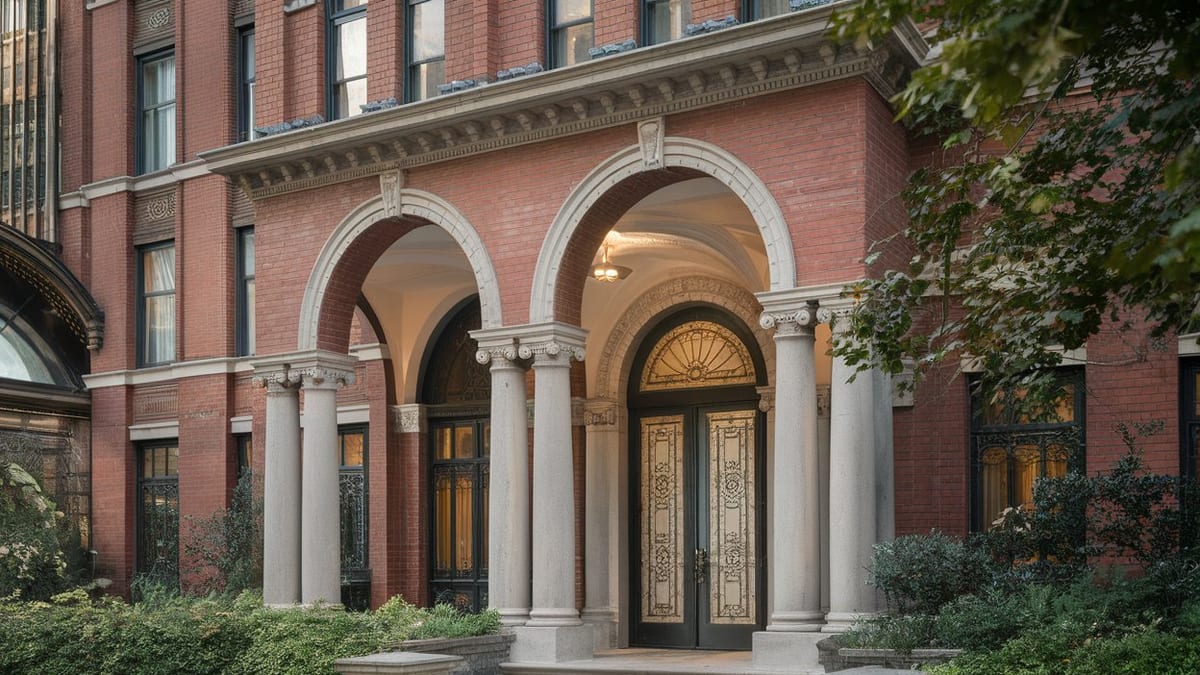
Image by International Hotels News, Hotel Industry & Hospitality News
A Boutique Stay Built for Groups in Old City
Recent coverage of Philadelphia’s evolving hotel scene highlights The Diplomat as one of the latest boutique-style properties positioning Old City as a destination for design-conscious travelers. Developed as a short-term rental-style hotel with just a handful of upscale suites, the property is described in business reports as catering to larger groups who want to stay together rather than book multiple traditional rooms scattered across a corridor.
Plans outlined in regional business publications indicate that The Diplomat occupies the upper floors of a four-story building, with four generously sized units arranged over three levels. Each unit is reported to feature multiple bedrooms and ample living space, setting the property apart from standard hotel room configurations that dominate the market nearby.
This format places The Diplomat in the growing category of “apartment hotel” or hybrid lodging, a segment that has expanded across U.S. cities as travelers seek residential-style layouts alongside professional management. The concept aligns with Old City’s increasing appeal among visitors who want an experience that feels rooted in a neighborhood rather than a conventional business district.
The timing also reflects broader confidence in leisure and group travel to Philadelphia. Analysts and local tourism observers have noted that the city’s historic district has rebounded as a favored base for weekend getaways, weddings, and family gatherings, a demand profile that a multi-bedroom property like The Diplomat is designed to capture.
Historic Streetscape, Contemporary Comforts
Old City is known for brick-front rowhouses, early bank buildings, and narrow cobblestone sidestreets that frame landmarks such as Independence Hall and the Liberty Bell. Hotel operators across the district have increasingly focused on pairing that historic backdrop with contemporary interiors, and early descriptions suggest The Diplomat follows this pattern with a polished, modern aesthetic inside a traditional facade.
Publicly available information on nearby properties shows that Old City’s hospitality landscape already includes long-established boutique addresses, including intimate inns housed in 19th-century commercial structures and converted residences. These hotels often retain original masonry, wood beams, or period window proportions while introducing updated fixtures, lighting, and technology. Reports indicate that The Diplomat’s design approach keeps pace with that trend, opting for sleek finishes and open-plan living areas that contrast with the more formal architecture outside.
The surrounding blocks underscore the blend of old and new that defines the neighborhood. Historic registers describe Old City as a district shaped by early American finance, maritime commerce, and small-scale manufacturing, with buildings that date back well into the 18th and 19th centuries. At street level today, those structures host galleries, cafes, bars, and independent shops, creating an environment where a contemporary boutique hotel can plug directly into an established urban fabric.
By positioning itself within this context, The Diplomat offers guests a setting where heritage is visible the moment they step outside. The combination of period streetscapes and updated interiors mirrors the strategy that has helped other Old City hotels appeal to travelers who value character as much as comfort.
Flexible Layouts for Modern Travelers
Coverage of The Diplomat’s development notes that each suite is configured with multiple bedrooms and shared living and dining zones, a deliberate shift from traditional king- or queen-room inventory. This layout is geared toward families, wedding parties, small corporate retreats, and groups of friends who prefer communal spaces over separate rooms connected only by a hallway.
Hospitality analysts have observed that such flexible units can serve both short city breaks and longer extended stays, particularly when paired with amenities like full kitchens or kitchenettes, in-unit laundry, and dedicated work areas. While individual fit-out details for The Diplomat continue to emerge, the property’s positioning as a multi-bedroom, design-forward stay suggests an emphasis on day-to-day livability as well as visual appeal.
This model also responds to changing guest expectations in the wake of the rapid growth of home-sharing platforms. Travelers drawn to the space and autonomy of private apartments increasingly look for professionally cleaned, code-compliant buildings with clear management and service standards. Boutique properties like The Diplomat seek to bridge that gap, providing the feel of a residence with the reliability of a regulated hospitality operation.
In Philadelphia’s historic district, that format may be particularly attractive to visitors arriving for milestone events or multi-generational trips who want to base themselves close to attractions without sacrificing shared spaces. With Old City’s museums, waterfront, and dining within walking distance, a compact building outfitted with only a handful of oversized suites positions The Diplomat as a niche but strategic entrant.
Strengthening Old City’s Boutique Hotel Cluster
Tourism agencies and destination marketing materials have increasingly promoted Old City and the surrounding historic district as a distinct lodging zone, separate from the high-rise towers of Center City. Existing properties range from long-running historic hotels to newer, design-centered addresses, all trading on the appeal of staying within steps of Revolutionary-era landmarks.
Recent roundups of new and renovated hotels in Philadelphia highlight a broader pattern of investment in and around the historic district, including refreshed interiors, upgraded public spaces, and adaptive reuse of older buildings. The arrival of The Diplomat adds another layer to that mix, broadening the range of formats on offer from classic single-room hotels to hybrid apartment-style stays.
Observers note that this diversification can help the neighborhood appeal to a wider cross-section of travelers, from solo visitors and business guests to larger groups. As more properties lean into distinctive branding and architectural character, Old City’s identity as a boutique cluster becomes more defined, underpinned by smaller footprints and individualized concepts rather than standardized chains.
For Philadelphia’s tourism sector, a property like The Diplomat contributes to a narrative of incremental but steady evolution, where historic buildings and intimate streets remain the draw while the accommodation stock quietly adapts to contemporary demand. As the hotel opens to paying guests, its performance will offer another signal of how strongly the market for high-design, group-friendly stays is resonating in one of the nation’s most storied urban neighborhoods.