

More news on this day
Across the United States in 2026, aparthotels and extended stay properties are moving from niche to headline act, combining upscale design with apartment style independence in a way that is rapidly reshaping what “luxury on the road” looks like.
Get the latest news straight to your inbox!
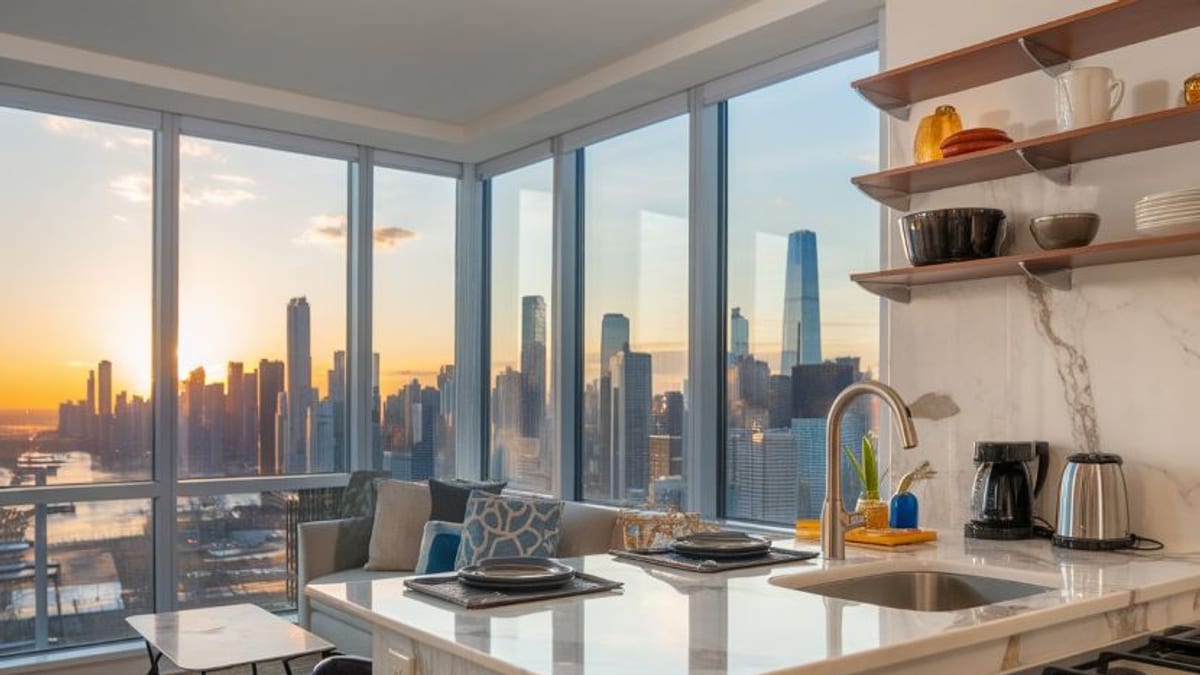
Image by International Hotels News, Hotel Industry & Hospitality News
A Market Surging on Longer, More Flexible Stays
Industry data for 2025 and early 2026 point to a powerful shift in how Americans travel, work, and relocate, with extended stay and aparthotel style products among the fastest growing corners of the hotel sector. Research on serviced apartments indicates that North America accounted for roughly one third of global market share in 2025, with the United States driving a substantial share of that demand as travelers seek more space, kitchens, and work areas for trips that last weeks rather than nights.
Reports from hotel analysts show that average daily rates for extended stay hotels in the United States largely tracked broader hotel trends through 2025, suggesting that travelers are increasingly willing to pay hotel level prices for apartment style comfort. The combination of resilient corporate demand, the rise of digital nomads, and a surge in relocations and project based assignments has created fertile ground for brands that can deliver both flexibility and polish.
Market outlooks published in 2025 note a crowded but expanding field, with new flags joining established extended stay names across the upscale and midscale tiers. For travelers, that translates into more choice across price points, from functional studios on the interstate to high design aparthotels in downtown business districts and resort markets.
The trend is particularly pronounced in secondary and tertiary cities, where developers have turned to aparthotel style formats as a way to tap into long stay demand from corporate campuses, logistics hubs, and healthcare clusters. These properties are increasingly designed to feel like contemporary residential buildings, with lobbies resembling co working spaces and suites that mirror urban micro apartments.
Hotel Giants Race to Refine the “Home Plus Hotel” Formula
The largest global hotel groups have spent the past two years fine tuning brands aimed squarely at guests who want the independence of an apartment with the backing of a major loyalty program. Hyatt, Hilton, Choice, and BWH Hotels are among those pushing aggressively into the space, each layering their own interpretation of comfort and style onto the extended stay model.
Hyatt’s upper midscale extended stay concept, Hyatt Studios, opened its first property in Alabama and has since built a pipeline of dozens of additional locations across the country, according to company disclosures. New openings such as Hyatt Studios Huntsville highlight a design brief centered on studio style suites with kitchen facilities, self service laundry, and shared social areas that make longer stays feel less transient.
Hilton has been building out its own studio style lineup, with coverage in outlets such as Forbes highlighting LivSmart Studios as a key brand to watch in 2026. The concept targets travelers seeking fresh, efficient spaces with kitchenettes, residential furnishings, and simplified services that keep rates competitive while still promising the reliability of a global chain.
Choice Hotels recently introduced a redesigned prototype for its Everhome Suites brand in early 2026, signaling another round of innovation in the midscale extended stay segment. Public materials describe an emphasis on smarter layouts and development efficiency, a combination aimed at helping owners bring more extended stay inventory online quickly while offering guests modern apartment style suites with clearly defined zones for sleeping, working, and dining.
New Luxury: Space, Kitchens, and Self Direction
While the word “luxury” once referred primarily to marble lobbies and white glove service, 2026’s aparthotel boom is reframing the term around usable space, privacy, and control. For many guests, being able to cook in a fully equipped kitchenette, spread out at a proper work desk, and close a bedroom door at the end of a video call now ranks as a higher form of comfort than nightly turndown service.
Apartment style layouts are at the heart of the new offer. Studio and one bedroom units typically feature full size refrigerators, dishwashers, and induction cooktops, alongside lounges that are designed for both streaming and laptop work. Many developments have dropped the traditional desk in favor of generous tables or kitchen islands that can shift from office to dining space in seconds, matching how remote workers actually use their homes.
Self service amenities are another defining feature. Aparthotels increasingly incorporate 24 hour laundries, grab and go markets, and mobile check in, allowing guests to shape their own routines without waiting on staff. For travelers staying several weeks, the ability to wash gym clothes at midnight or heat a quick meal between calls can feel far more indulgent than a formal restaurant that closes at ten.
Across newer properties, design language is moving decisively away from the beige boxes that once defined long stay. Developers are investing in soft lighting, layered textures, and locally inspired artwork that make suites feel more like city apartments than standardized hotel rooms. This emphasis on style at a practical price point is particularly evident in brands pitching themselves as a bridge between budget extended stay and traditional upscale hotels.
Loyalty, Work Patterns, and the Rise of Hybrid Living
Behind the scenes, loyalty programs and changing work habits are helping to accelerate the aparthotel boom. Hotel groups are using targeted promotions to steer frequent guests into their extended stay brands, rewarding trips of five nights or more with bonus points and elite credit. Publicly available information from major chains shows specific 2026 campaigns focused on studio style hotels, signaling how strategic these products have become.
For remote and hybrid workers, aparthotels have evolved into a preferred base for long projects, team offsites, and temporary relocations. Corporate travel managers reportedly value the ability to house staff in units that reduce restaurant and laundry expenses while still providing the duty of care and reporting associated with a hotel stay. That combination of cost control and employee comfort is helping to shift more corporate demand from traditional full service hotels into extended stay formats.
Leisure travelers are responding in similar ways. Families who might once have booked two adjoining hotel rooms for a weeklong city break are gravitating toward one or two bedroom aparthotel suites that provide separate sleeping spaces and the option to cook. Younger travelers blending vacation with remote work, often referred to as “bleisure” guests, are choosing aparthotels so they can log on from a dedicated workspace during the day and live like locals in the evening.
This convergence of business, leisure, and long stay relocation demand has created what some analysts describe as a new hybrid living category, sitting between traditional rentals and hotels. Aparthotels offer the flexibility of nightly or weekly booking without deposits, long leases, or utility setups, while replicating many of the comforts of home.
Independent and Design Led Players Push the Concept Further
Alongside global chains, a new generation of independent and soft branded aparthotels is pushing the lifestyle side of the segment. Market studies of serviced apartments note a wave of operators focusing on high design, technology integration, and neighborhood specific experiences that resonate with travelers who might otherwise choose boutique hotels or vacation rentals.
These properties often occupy converted warehouses, historic commercial buildings, or mixed use towers in urban cores. Inside, the design cues are closer to contemporary residential projects or private members clubs, with fully equipped kitchens, curated furniture, and generous living areas. Instead of traditional front desks, some lean on digital access and concierge style guest messaging, leaving public spaces open for co working, pop up events, or local coffee partners.
Several global hotel groups are responding with their own residence style or soft branded offerings in North America, pairing the independence of an apartment with access to loyalty ecosystems and distribution networks. Recent updates from BWH Hotels, for example, highlight continued growth for extended stay concepts such as @HOME by Best Western and SureStay Studio in the region, which are being positioned to appeal to design conscious travelers who still value recognized flags.
With pipelines expanding and prototypes constantly refined, 2026 is shaping up as a pivotal year in which aparthotels move firmly into the travel mainstream in the United States. For guests, the result is a new standard of comfort built around independence, space, and personal style, delivered at a range of price points that make long stays feel less like an exception and more like a deliberate way of living on the move.