

More news on this day
interCaribbean Airways will launch a new nonstop route between Bridgetown, Barbados and St. Maarten in March 2026, further expanding its growing regional network and reinforcing Barbados as a key hub for Eastern Caribbean travel.
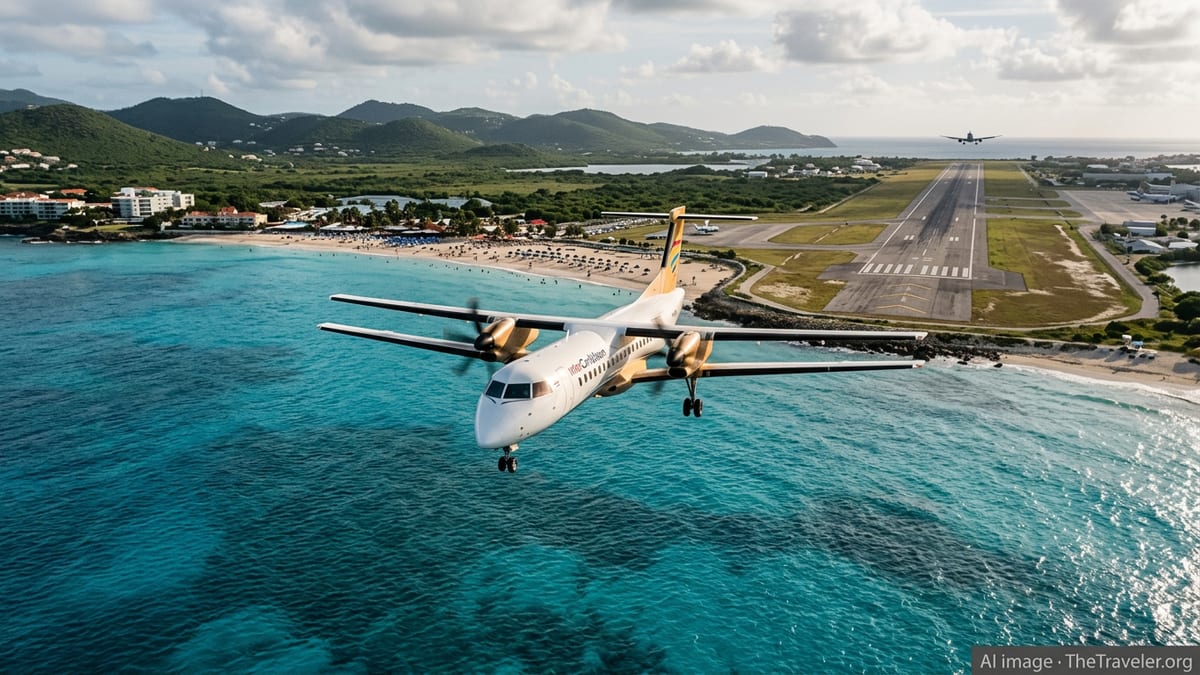
New Link Between Two Major Eastern Caribbean Gateways
The new Barbados–St. Maarten service is part of a wider network expansion that will see interCaribbean grow its presence at both Grantley Adams International Airport in Barbados and Princess Juliana International Airport in St. Maarten. Aviation schedule specialists report that the route is planned to begin in March 2026, timed to coincide with the airline’s broader first quarter schedule changes and hub development strategy.
St. Maarten joins a slate of new nonstop interCaribbean services from Barbados, which also include routes to Tortola in the British Virgin Islands, Providenciales in Turks and Caicos, Georgetown in Guyana and Port of Spain in Trinidad. Together, these additions position Bridgetown as a central connecting point linking the northern and southern Caribbean, with St. Maarten serving as a key northern gateway.
The St. Maarten service enhances access to one of the region’s busiest leisure destinations, famous for its dual Dutch and French identity, cruise traffic and airside beach views. For Barbados, it widens options for both outbound holidaymakers and inbound visitors looking to combine multiple islands on a single trip.
While final frequency details for the Barbados–St. Maarten pair are still being refined, industry sources indicate the airline is targeting multiple weekly flights, coordinated with its expanding network from Barbados to ensure same-day onward connections.
Strengthening Barbados as a Regional Hub
The new route underscores interCaribbean’s strategy of transforming Barbados into a cornerstone hub for Eastern and Southern Caribbean connectivity. Recent announcements have highlighted five new nonstop routes from Bridgetown, including the St. Maarten service, all scheduled to commence around March 8, 2026. This follows previous growth from Barbados to destinations such as Kingston and other key tourism and business markets.
By adding St. Maarten to its Barbados portfolio, interCaribbean is effectively knitting together two important regional crossroads. Barbados offers strong links into the Southern Caribbean, including Guyana, St. Vincent, Grenada and Trinidad, while St. Maarten provides a convenient jumping-off point for Anguilla, St. Barts, Saba and St. Eustatius via local carriers and ferry services.
For regional travelers, the expanded hub model means more one-stop itineraries that avoid long backtracking through Miami or other North American gateways. For airports and tourism boards, it promises a more resilient intra-Caribbean network at a time when governments and industry groups have been calling for improved airlift between islands.
interCaribbean’s growth at Barbados is supported by a steadily expanding turboprop fleet, particularly ATR aircraft, which are suited to short regional hops and smaller runways. This allows the airline to add new spokes like St. Maarten while maintaining frequencies on existing routes.
Tourism and Trade Anticipate a Boost
Tourism officials in both Barbados and St. Maarten are expected to welcome the new link as a timely boost to multi-destination travel. The connection will make it easier for visitors to pair Barbados’ beaches and cultural heritage with St. Maarten’s duty-free shopping, sailing and vibrant dining scene on a single itinerary.
For the cruise sector, the route opens additional options for pre- and post-cruise stays. St. Maarten is a major homeport and transit call for Caribbean cruises, while Barbados is steadily building its own cruise footprint. Easier air connectivity between the two islands could translate into more flexible embarkation and disembarkation choices for cruise passengers.
Business and government travelers are also likely to benefit. Barbados is a financial and diplomatic hub, hosting regional institutions and international business offices, while St. Maarten is an important commercial center in the northeastern Caribbean. The new service provides a faster, more direct option for meetings, conferences and cross-border projects, reducing the need for circuitous connections.
Local hospitality operators, from boutique hotels to villa agencies, have been closely watching the evolution of regional airlift as they plan for the 2026 high season. The prospect of nonstop service between Barbados and St. Maarten adds another selling point for tour operators and travel advisors promoting multi-island holidays.
Improving Intra-Caribbean Connectivity After Years of Gaps
The Barbados–St. Maarten announcement comes against a backdrop of persistent concern about limited air links within the Caribbean following the restructuring and downsizing of legacy regional carriers. Many island pairs that are geographically close still require lengthy connections through distant hubs, driving up costs and travel time.
In recent years, interCaribbean has been one of several carriers stepping in to fill that gap, gradually building a web of routes linking territories from the Bahamas and Cuba through to Guyana and the Eastern Caribbean. New services such as Barbados–St. Maarten are seen as incremental but important steps toward restoring a more cohesive regional network.
For regional organizations advocating for better air connectivity, each new nonstop route strengthens arguments for coordinated policy support, from streamlined taxes and fees to cooperative marketing. Although the Barbados–St. Maarten flight is a commercial initiative, it aligns with broader calls to treat air links between islands as essential infrastructure for tourism, trade and cultural exchange.
Travel advisors and frequent Caribbean travelers note that reliability and schedule coordination will be critical to the route’s long-term success. interCaribbean has signaled that the new St. Maarten service from Barbados will be built into its wider bank of arrivals and departures at Bridgetown, aiming to facilitate smooth connections with other islands in its network.
What Travelers Can Expect When Flights Begin
Passengers on the new Barbados–St. Maarten flights can expect short sector times suited to leisure travelers looking to maximize their time on the ground. The route will be operated by the airline’s turboprop fleet, which has become the backbone of its regional operations and allows for efficient climbs and descents on island-hopping services.
Launch timing in March 2026 positions the route near the end of the traditional winter peak while still capturing strong demand for spring and Easter travel. If performance meets expectations, aviation analysts anticipate the airline could adjust capacity or frequency for subsequent winter seasons, when demand for Caribbean escapes is typically highest from North America and Europe.
Once schedules are finalized and published, travelers will be able to combine the new St. Maarten flights with existing interCaribbean services from Barbados to create bespoke multi-island itineraries. This could include pairing St. Maarten with southern destinations such as Trinidad, Grenada or Guyana, or with central Eastern Caribbean islands like St. Lucia and St. Vincent.
For now, the announcement of the Barbados–St. Maarten route signals continued momentum in interCaribbean’s network build-out and offers a welcome sign for those who have long called for easier, more affordable travel between Caribbean neighbors.