

More news on this day
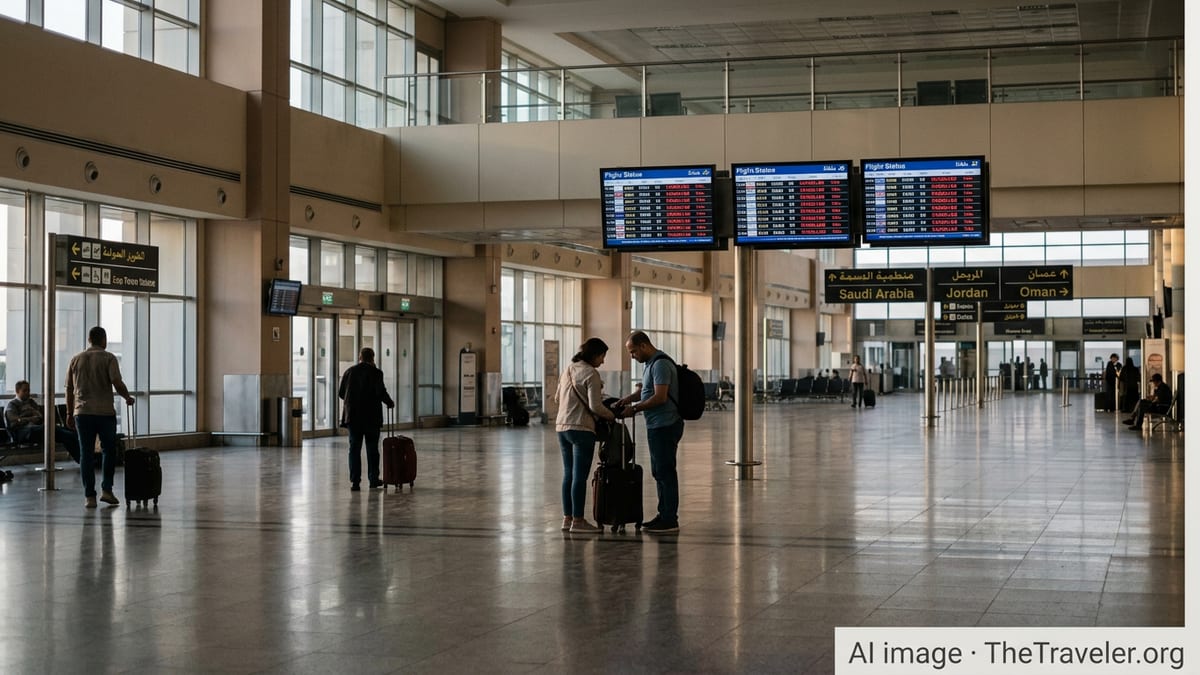
Intrepid Travel has widened its Middle East shutdown to include Egypt, cancelling all departures there as well as in Saudi Arabia, Jordan and Oman until at least March 31, 2026, as escalating regional conflict and disrupted air links reshape travel plans across the region.
Get the latest news straight to your inbox!
What Intrepid Has Announced So Far
According to a statement published by Intrepid Travel on March 4, 2026, the company has cancelled all departures in Egypt, Jordan, Oman and Saudi Arabia up to and including March 31, 2026. Publicly available information indicates the move follows a rapid deterioration in regional security linked to ongoing military action involving Israel, Iran and several Gulf states, and aligns with tighter government travel advisories.
The latest update marks a shift for the operator, which had previously paused trips to Saudi Arabia, Jordan and Oman while keeping most Egypt departures under review. With Egypt now added to the suspension list, Intrepid’s entire portfolio of group tours in these four countries is on hold for at least the rest of March.
Intrepid’s statement indicates that the company is monitoring official travel advice and conditions on the ground and will review departures beyond March 31, 2026 in line with further developments. Other trips in the wider region that do not transit the affected countries are currently advertised as operating as scheduled.
The company notes that customers on impacted departures are being contacted directly with options, which typically include rebooking to a later date or choosing an alternative destination from Intrepid’s global program.
How Egypt Joined the Growing List of Suspensions
Tour operations in Jordan, Saudi Arabia and Oman began to feel the effects of the latest conflict in late February, as airspace restrictions, flight cancellations and rising government warning levels made it harder for tour companies to guarantee smooth itineraries. Trade coverage from industry outlets shows that several major operators had already paused or shortened itineraries in Jordan and Oman before Intrepid’s latest update explicitly added Egypt to its suspension window.
Egypt had initially remained more resilient, with many itineraries still running or under rolling review, reflecting that its primary tourist zones along the Nile and Red Sea had not seen direct attacks. However, mounting disruptions to regional flight networks and concerns about onward connections through hubs such as the United Arab Emirates and Qatar have increased the risk of travellers being stranded or facing complex rerouting.
Reports from travel trade publications indicate that other tour brands have also cut or adjusted Egypt and Jordan schedules for March, with some cancelling combined Jordan–Egypt itineraries entirely. Intrepid’s decision to group Egypt with Saudi Arabia, Jordan and Oman in its suspension list suggests the company now views the overall operating environment across these countries as too uncertain for group touring, at least in the short term.
Industry commentary points to a combination of safety risk management, insurance considerations and logistical obstacles as the main drivers, rather than specific incidents affecting tour groups on the ground in Egypt.
What This Means for Travellers With Booked Tours
For travellers holding Intrepid bookings to Egypt, Saudi Arabia, Jordan or Oman with departure dates on or before March 31, 2026, the suspension effectively cancels the tour. Publicly available information from Intrepid indicates affected customers will be offered flexible options, commonly including rebooking to a later date, switching to a different destination, or receiving a credit toward future travel.
Travellers should carefully review their booking terms and conditions, including any flexible booking guarantees, to understand whether cash refunds, credits or date changes apply in their specific case. Travel insurance policies may offer additional protection, but coverage can vary widely, especially where government advisories move to higher warning levels such as “avoid nonessential travel.”
Those who have already arranged separate flights to join Intrepid tours should contact airlines or travel agents as soon as possible to explore options for date changes or route alterations. Recent regional airspace closures and rerouting have led to limited capacity and, in some cases, higher fares on remaining services, so acting early may improve the chances of securing workable alternatives.
Travellers who are already in the region on independent itineraries or with other operators are being advised by multiple national governments to stay in close contact with airlines, monitor travel alerts and keep registration details updated with their embassies to receive security notifications and assistance if needed.
Current Risk Picture in Egypt, Jordan, Saudi Arabia and Oman
Government travel advisories in North America, Europe and Australasia have tightened across much of the Middle East since late February 2026. Public advisories for Jordan and certain parts of Saudi Arabia in particular have shifted toward higher levels of caution, reflecting both the potential for missile or drone attacks and the risk of sudden airspace closures that could affect commercial flights.
Egypt’s major tourist areas along the Nile, Luxor, Aswan and the Red Sea remain geographically distant from most current military activity, and several operators beyond Intrepid continue to advertise trips there, sometimes with itinerary modifications or shorter booking windows. However, the country’s reliance on regional flight hubs and overflight corridors means that disruption elsewhere can quickly impact arrivals and departures, even when conditions on the ground remain relatively calm.
In Oman and parts of Saudi Arabia, reports point to intermittent flight disruptions and a heavy dependence on accurate, up to date airspace notices for safe routing. While many day to day tourism operations are reportedly still functioning in key cities and resort areas, the unpredictability of regional military developments has introduced a level of operational risk that group tour companies are increasingly reluctant to shoulder.
Travel analysts note that the current situation is fluid, with government advisories and airline schedules subject to rapid change. Travellers considering future bookings in any of the affected countries are being encouraged to monitor official advice from their own governments and to choose flexible booking options where possible.
Practical Steps for Travellers Reassessing Middle East Plans
With Intrepid’s suspensions now covering Egypt alongside Saudi Arabia, Jordan and Oman, many travellers are reassessing itineraries that included combinations of these countries or relied on their airports as regional gateways. Those still hoping to travel later in 2026 may wish to delay final decisions on rebooking until there is greater clarity on both the security environment and commercial flight operations.
Experts in travel risk management consistently recommend that travellers planning to visit the wider Middle East, whether on tours or independently, ensure they have comprehensive travel insurance that explicitly addresses war and terrorism exclusions, medical evacuation and trip interruption. Reading policy fine print before departure is critical, as standard policies may not cover cancellations arising from advisories alone.
Prospective visitors are also being encouraged to keep an eye on statements from major tour operators and airlines, which often provide early signals about operational confidence in a destination. Changes to schedules, the introduction of more generous change-fee waivers, or extended suspension dates can all serve as indicators of how industry stakeholders view the near term outlook.
For travellers who decide to postpone Egypt or broader Middle East trips, many operators, including Intrepid, highlight alternative destinations in North Africa, Europe, Asia and the Americas where tours are continuing as normal. Reallocating travel plans can help support tourism jobs in other regions while allowing time for the situation in the Middle East to stabilize.