

More news on this day
China’s online entertainment giant iQIYI has announced plans for iQIYI LAND in Wuhan, a new immersive IP-based attraction scheduled to open in 2027 as a flagship cultural tourism project in central China.
Get the latest news straight to your inbox!
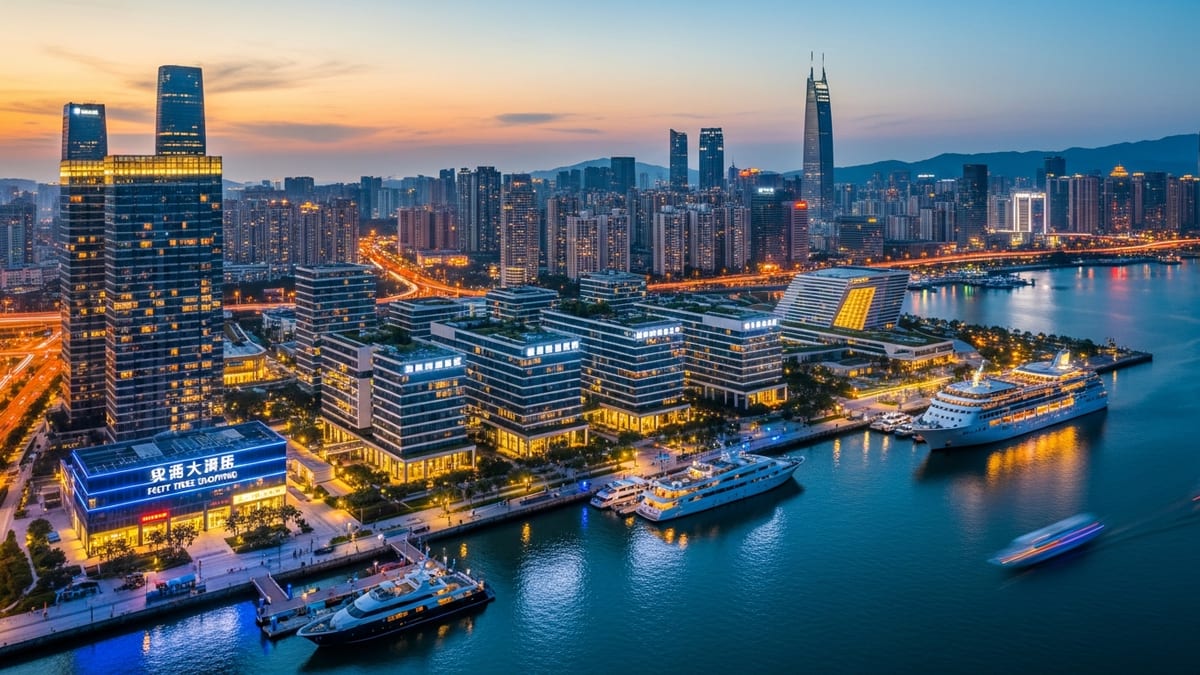
New Landmark for Wuhan’s Cultural Tourism Vision
According to publicly available information, the upcoming iQIYI LAND will be located within the Hanyangzao Cultural and Creative Industry Park in Wuhan’s Hanyang district, an area that has been undergoing steady transformation from historic industrial waterfront to creative hub. The project is described in published coverage as an urban renewal initiative that aligns with Wuhan’s wider goals to build recognizable cultural tourism landmarks.
Reports indicate that the park is planned as iQIYI’s first theme park project in central China and its fourth theme park development nationwide. It follows earlier investments in Yangzhou and Kaifeng, where the company has been testing how to extend its popular film and drama properties into offline experiences. The Wuhan park is slated to deepen that strategy by placing an immersive venue directly into a dense urban district rather than on the outskirts of a city.
Partnership information released to the media notes that iQIYI is working with Wuhan Urban Construction Group on the project. This collaboration positions the park not only as an entertainment venue but also as part of the city’s broader infrastructure and destination planning, reinforcing Wuhan’s status as a pivotal gateway for central China’s tourism economy.
With a target opening year of 2027, iQIYI LAND Wuhan is expected to join a roster of cultural and tourism assets that Chinese planners have been promoting along the Yangtze River corridor, including museums, riverfront cultural districts, and technology-infused visitor experiences. Analysts following the sector suggest the new park could help draw younger domestic travelers who increasingly seek story-driven, interactive trips.
Immersive IP Experiences Beyond the Screen
Information released through corporate channels describes iQIYI LAND Wuhan as a tech-enabled immersive park designed to bring the platform’s best-known intellectual properties into physical space. The concept builds on the company’s recent openings, where visitors encounter themed environments inspired by hit dramas, variety shows, and animated titles rather than traditional amusement park rides.
Plans for the Wuhan site reference a mix of immersive theaters, interactive installations, and live performance spaces that use projection, lighting, and mixed reality technologies. Visitors are expected to move through story zones where they can step into recognizable sets, interact with performers playing popular characters, and take part in game-like activities that mirror plotlines from original series.
Public descriptions of earlier iQIYI LAND projects indicate that photo-friendly recreations of film and television scenes have become central draws, catering to social media habits that prioritize visually striking backdrops. The Wuhan park is expected to extend that approach, offering cinematic streetscapes and interiors curated for short video and photography.
In addition to entertainment elements, concept materials highlight dedicated areas for themed dining and retail, creating full-day itineraries within a compact urban footprint. Industry observers note that this model allows streaming platforms to diversify revenue while strengthening fan loyalty to key franchises.
Integration With Wuhan’s Urban Renewal at Hanyangzao
Hanyangzao, the chosen site for iQIYI LAND, is a cultural and creative industry park that incorporates preserved industrial structures, brick warehouses, and riverfront spaces. Over recent years it has been repositioned as a magnet for design studios, cultural institutions, and night-time economy projects, making it a strategic location for an immersive entertainment complex.
Published planning documents and media reports describe the Wuhan project as iQIYI’s first theme park embedded directly within an urban renewal scheme. Rather than building independently in a new development zone, the park will be woven into an existing district that already attracts residents and tourists for festivals, exhibitions, and waterfront leisure.
Observers of China’s cultural tourism development note that such integration can create more layered visitor experiences. A trip to iQIYI LAND Wuhan could easily be combined with walks along the industrial heritage corridors of Hanyangzao, visits to galleries or performance spaces, and dining in converted factory buildings, potentially increasing overall visitor dwell time in the district.
For Wuhan, aligning a nationally recognized digital entertainment brand with a signature urban regeneration site underscores ongoing efforts to position the city as both a transportation hub and a creative destination. If the park meets its 2027 timetable, it is likely to feature prominently in future marketing campaigns aimed at domestic travelers from neighboring provinces.
Part of iQIYI’s Growing Offline Entertainment Network
iQIYI LAND Wuhan is the latest step in a broader push by the streaming platform to extend its intellectual property into offline venues. In the past year, the company has advanced a network of immersive parks across different regions of China, using each as a testbed for narrative-driven attractions and digital technologies.
In Yangzhou, an indoor iQIYI LAND has already opened to visitors, featuring multiple themed zones built around popular series and characters. A separate project in Kaifeng is in development, focused on comprehensive theme park experiences that blend theaters, light-and-shadow spaces, and interactive game areas. The Wuhan park is expected to draw on lessons from these earlier sites while tailoring content to its urban context.
Publicly available corporate updates indicate that iQIYI views offline experiences as a means to amplify the value of its original Chinese IP, creating a feedback loop in which successful shows inspire attractions, and in-person visits, in turn, sustain interest in the streaming platform. For brands competing in China’s crowded online video market, such physical touchpoints are increasingly seen as a way to differentiate and generate new revenue streams.
The decision to locate a major park in central China also reflects a geographic diversification strategy. By anchoring flagship projects in Yangzhou, Kaifeng, and Wuhan rather than concentrating solely on coastal megacities, iQIYI is positioning itself to tap into growing tourism flows in inland provinces that are investing heavily in cultural infrastructure.
Boost for Central China’s Tourism and Night-Time Economy
Wuhan has been promoting culture and tourism as pillars of its development strategy, emphasizing riverfront attractions, large-scale expos, and creative industry hubs. The arrival of iQIYI LAND fits into this narrative, potentially enhancing the city’s appeal as a stopover for multi-city itineraries across central China.
Analysts who track regional tourism trends point out that immersive entertainment venues can play a significant role in building a night-time economy. With multimedia shows, live performances, and indoor attractions that operate into the evening, a park like iQIYI LAND encourages visitors to stay longer, boosting nearby hospitality, dining, and retail businesses in Hanyangzao and surrounding neighborhoods.
For central China more broadly, the project serves as a visible example of how digital content companies and local partners are investing in post-industrial cultural assets. Other cities in the region have been competing to secure large-scale IP-based attractions, and the Wuhan announcement suggests that more such collaborations may follow as streaming platforms search for new growth engines.
As preparations move forward toward the planned 2027 opening, industry observers will be watching how the Wuhan park balances national-level IP recognition with local storytelling, and whether its immersive format can translate online fandom into sustained visitor numbers in one of China’s most dynamic regional capitals.