

More news on this day
Millions of Americans planning trips from Washington and across the United States this summer could face a fresh bout of airfare inflation as the war in Iran sends oil prices sharply higher and rattles global aviation markets.
Middle East War Sends Oil and Jet Fuel Costs Soaring
The latest military escalation involving the United States, Israel and Iran has jolted global energy markets, with crude prices climbing to their highest levels in more than a year and analysts warning of further spikes if disruptions persist. The closure and disruption of tanker traffic through the Strait of Hormuz, a narrow waterway that normally carries about a fifth of the world’s oil and liquefied natural gas, has become a focal point for energy traders.
Benchmark U.S. crude has jumped past 90 dollars a barrel in recent sessions, while Brent, the global benchmark, has leapt by roughly 10 percent since late February as the Iran war unfolded and attacks on energy infrastructure intensified. That run up is already feeding directly into refined products such as gasoline, diesel and, critically for the travel sector, jet fuel.
Fuel is typically the second largest expense for U.S. airlines after labor, and carriers have far less protection against fuel volatility than they did a decade ago. Many large U.S. airlines no longer hedge fuel prices extensively, leaving them more exposed to sudden cost surges. Industry analysts say the current spike in oil and jet fuel prices, if sustained into late spring, will inevitably filter into ticket prices.
Globally, airline shares have swung lower this week as investors factor in higher operating costs and rerouted flight paths around conflict zones. While some carriers in Asia and the Gulf region are benefiting from a tentative restart of certain Middle East routes, U.S. and European airlines have been under pressure as markets brace for a more expensive summer to fly.
Washington Travelers Face Dual Pressure of Demand and Higher Costs
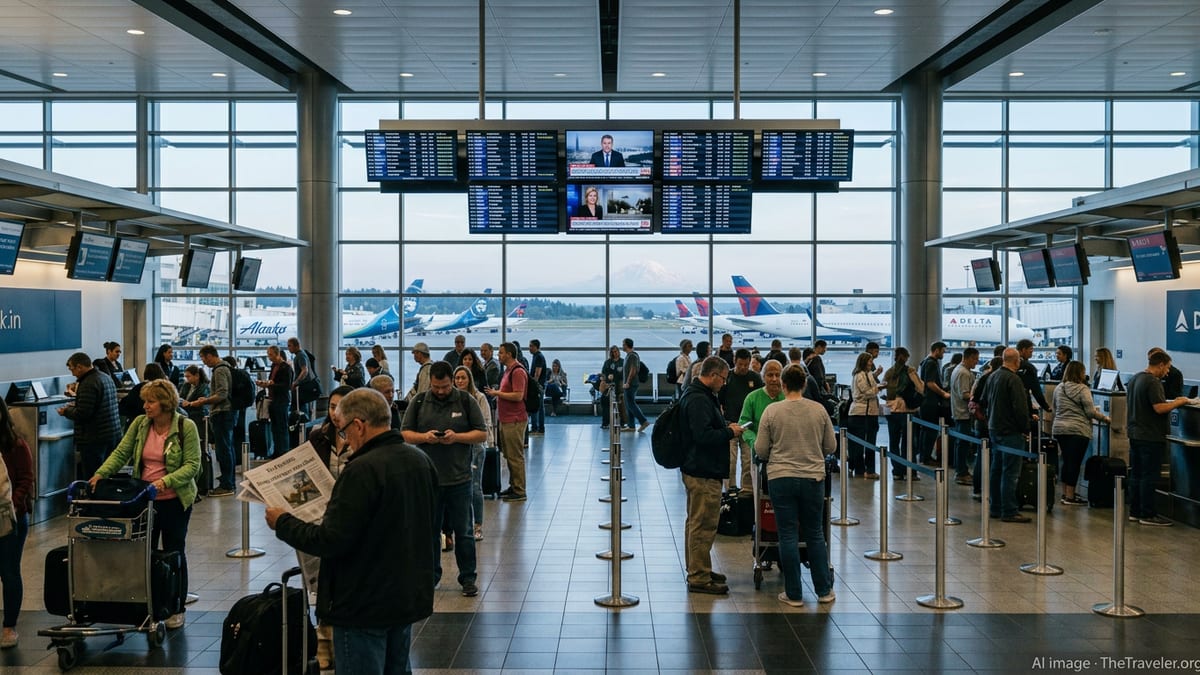
For travelers departing from Washington state, the timing could hardly be worse. Seattle Tacoma International Airport, already operating near capacity during peak seasons, has seen steady growth in passenger volumes in recent years as the Puget Sound region booms and airlines add new domestic and long haul routes. Local airport planners have been preparing for continued strong demand into 2026 and beyond.
Summer is traditionally the most expensive time of year to fly from the Pacific Northwest, as families, students and cruise passengers converge on Seattle as both a gateway and a destination. Even before the Iran conflict, forecasters were expecting higher base fares this summer compared with last year, reflecting solid demand and limited slack in airline schedules.
The surge in oil prices adds a new layer of pressure. Carriers serving Seattle and other major West Coast gateways typically operate long stage length routes to Hawaii, Asia and Europe, which burn more fuel per trip than short haul flights. That makes these services especially sensitive to swings in jet fuel costs and increases the likelihood that airlines will look to raise fares, trim less profitable frequencies or both.
Airlines have several tools at their disposal, from across the board fare increases to targeted fuel surcharges on international tickets and the removal of the cheapest fare buckets on high demand routes. Travel agents in the region say that while advertised base fares may not jump overnight, the lowest promotional prices are already becoming harder to find for peak July and August departures.
Experts Warn of Uncertain but Rising Airfare Outlook
Travel pricing experts emphasize that it is still too early to know exactly how high summer airfares will climb, but they agree the risk is clearly on the upside. Several U.S. airline executives, including the chief executive of United Airlines, have warned publicly in recent days that sustained jet fuel increases will force carriers to reassess their pricing and capacity plans for the coming months.
Analysts point out that fuel costs are only one part of the equation. Airfares are ultimately set by the balance between supply and demand, meaning strong consumer appetite for travel can do as much to keep prices elevated as higher oil. With unemployment still relatively low and many households prioritizing experiences over goods, advance bookings for summer leisure travel remain robust, at least for now.
Some fare trackers note that the industry is currently in what they describe as an optimal window for purchasing summer flights, when airlines have loaded most of their seasonal schedules but have not yet fully adjusted to late breaking cost pressures. They caution, however, that any prolonged surge in energy prices or further escalation in the Middle East could prompt a second wave of fare adjustments closer to departure.
For budget conscious travelers, the uncertainty complicates planning. Those who wait in hopes that geopolitical tensions will ease and fuel prices will fall risk being caught out if airlines instead push through surcharges or pull back capacity, particularly on discretionary routes to sunshine and beach destinations.
Geopolitics Ripples Through Routes, Schedules and Travel Plans
Beyond the direct impact on fuel bills, the Iran conflict is disrupting normal air traffic flows across parts of the Middle East, with several countries temporarily closing or restricting their airspace. Long haul flights that would normally transit the region are being rerouted, extending flight times, increasing fuel burn and straining crew schedules. Those added costs are another reason airlines are signaling that fares may have to move higher.
While most travelers from Washington to Europe or Asia are unlikely to see their itineraries pass near the conflict zone, the global nature of aviation means that network imbalances elsewhere can still affect prices out of U.S. gateways. If carriers redeploy wide body aircraft away from vulnerable or less profitable routes, they may have fewer seats available on transpacific or transatlantic services from West Coast hubs, tightening capacity just as summer demand peaks.
At the same time, elevated gasoline prices at U.S. pumps could push some Americans to scale back road trips and instead redirect spending toward fewer, but more substantial, air vacations. That shift would support airline pricing power, particularly on high demand corridors such as Seattle to major coastal cities or popular mountain and national park gateways in the West.
Tourism boards and travel businesses in Washington are watching closely. A significant jump in airfares could deter some price sensitive visitors from other parts of the country, even as the state prepares for major events and continued growth in cruise traffic. Hoteliers and tour operators say they are bracing for more last minute booking patterns as travelers wait to see how the airfare picture evolves.
What Travelers Can Do Now as Summer Approaches
Consumer advocates say that while individual travelers cannot control geopolitical shocks or global oil prices, there are practical steps they can take now to protect their summer plans. The most consistent piece of advice is to book sooner rather than later for June through August trips, especially for peak dates and nonstop routes from busy hubs such as Seattle.
Flexibility remains one of the strongest tools for keeping costs in check. Shifting departure by a day or two, considering early morning or late night flights, or opting for a nearby secondary airport where available can sometimes offset broader price increases. Travelers are also being encouraged to set fare alerts, monitor prices regularly and be prepared to pounce when a reasonable fare appears.
For those who have the option, redeeming frequent flyer miles or credit card points for summer trips may provide extra value if cash fares climb further. However, award inventory tends to tighten as departure dates draw near, so waiting too long can limit choices. Travelers who already hold tickets should periodically recheck prices, as some airlines will offer vouchers or credits if a fare drops after purchase.
Ultimately, the trajectory of summer airfares out of Washington and across the United States will hinge on developments far from airport check in counters. If the conflict in Iran eases and energy markets stabilize, airlines could moderate their pricing strategies. If tensions deepen and oil continues to surge, however, the cost of getting away this summer is likely to move higher for millions of travelers.