

More news on this day
Escalating conflict in Iran and wider Middle East airspace closures are reshaping global travel patterns, driving up fuel costs and squeezing tourism-dependent destinations across Asia just as regional recovery was gaining momentum.
Get the latest news straight to your inbox!
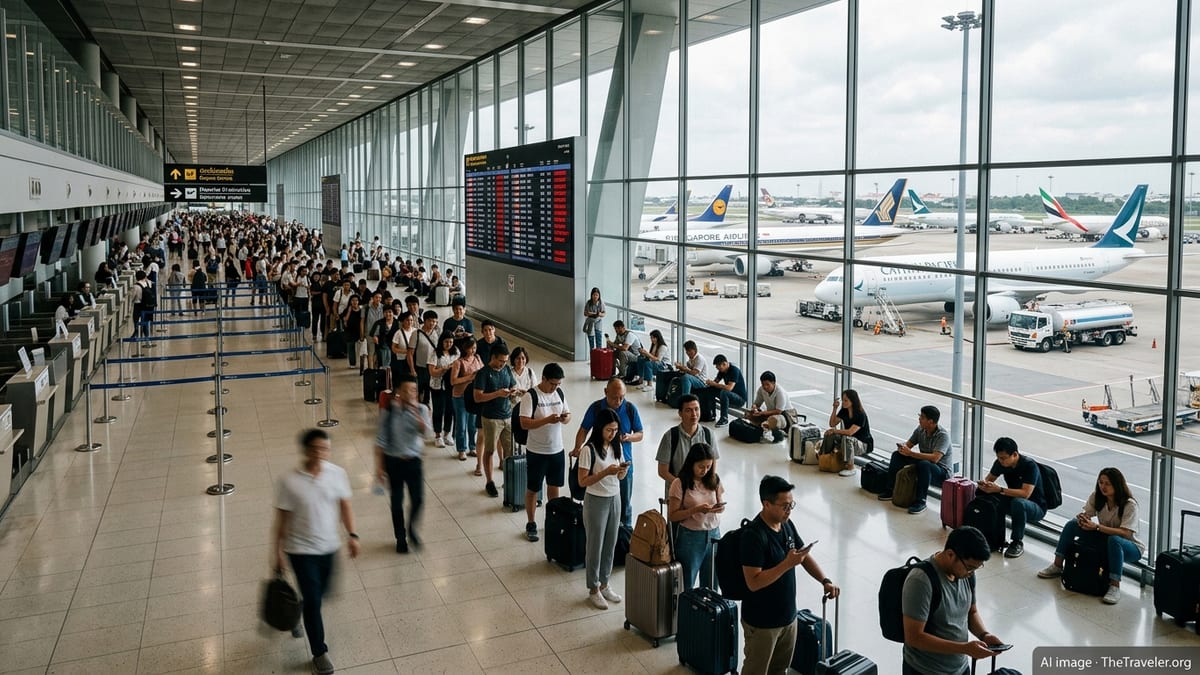
Airspace Closures Ripple Across Global Flight Networks
The Iran war that erupted after United States and Israeli strikes on February 28 has rapidly evolved into a severe aviation shock, with large portions of Middle East airspace either restricted or avoided by major carriers. Industry assessments describe the situation as one of the toughest tests for airlines since the pandemic, with tens of thousands of flights canceled or rerouted as carriers steer clear of Iranian and neighboring skies.
Gulf hubs that normally act as bridges between Europe, Asia and Africa are among the hardest hit. Analysis of airline schedules indicates that more than half of planned flights to and from the wider Middle East have been scrapped since the fighting began, and daily disruption at airports in the United Arab Emirates, Qatar, Saudi Arabia and beyond continues to cascade through global networks.
For passengers traveling between Europe and Asia, the consequence is longer, costlier journeys. Rerouted services are adding two to five hours of flying time on some long-haul sectors, leading to missed connections, rolling delays and growing backlogs at alternative hubs in South and Southeast Asia that are now absorbing traffic once funneled through the Gulf.
Travel advisory bulletins show that these extended routings are particularly affecting itineraries to New Zealand, Australia and East Asia, where travelers previously relied on fast one-stop connections via Doha, Dubai or Abu Dhabi. With over a thousand daily cancellations reported at some Gulf hubs at the height of the disruption, airlines are warning that schedule instability could persist for weeks.
Jet Fuel Shock Strains Airline Economics
The turmoil in regional airspace coincides with a steep jump in global energy prices triggered by attacks on Iranian oil and gas infrastructure and fears over shipping through the Strait of Hormuz. International monitoring bodies describe the oil shock from the Iran war as more severe than the crises of the 1970s, with benchmark crude and refined product prices climbing sharply in March.
For airlines, jet fuel is typically one of the largest operating costs, often accounting for a quarter to more than a third of total expenditure. Recent analysis from aviation consultants and energy agencies indicates that geopolitical tension has added several dollars per barrel to crude prices, translating into double-digit percentage increases in jet fuel costs within weeks of the first strikes.
Carriers are responding by adding fuel surcharges, trimming marginal routes and tightening capacity growth plans. Some long-haul services between Europe and Asia that require substantial extra flying time to skirt the conflict zone are now under review, as higher fuel burn erodes already thin margins.
While large North American airlines report that strong demand is helping them absorb the initial hit, the picture is more fragile in Asia, where many carriers only recently restored long-haul networks after the pandemic. Analysts warn that sustained elevated fuel prices combined with routing detours could force further schedule cuts or fare increases on already sensitive leisure routes.
Tourism Hotspots in Asia Confront Soaring Cancellations
Travel and tourism bodies estimate that the broader Middle East conflict is currently costing the global sector hundreds of millions of dollars per day in lost visitor spending, and Asia’s key tourism destinations are increasingly feeling the strain. The region had been closing in on pre-pandemic arrival levels, but the Iran war has punctured confidence just as high season planning for northern-hemisphere summer gets underway.
In Thailand, official arrival figures for early 2026 remain relatively strong, with nearly 7.5 million international visitors recorded between January and mid March. However, local industry reporting points to a slowdown in bookings from Europe, where a sizable share of flights traditionally route through Middle Eastern hubs now affected by cancellations and diversions. Hotel operators in major Thai resorts report rising cancellation rates from European and Middle Eastern guests and an uptick in last-minute changes.
Elsewhere in Asia-Pacific, destinations such as Singapore, Japan, South Korea and Australia are experiencing a downturn in visitors from Gulf states and surrounding markets that once relied on direct or one-stop Middle Eastern connections. Tourism data cited by regional organizations indicates double-digit declines in bookings from the Middle East to some North Asian destinations for the upcoming spring and summer periods.
At the same time, fears over potential retaliatory attacks on tourist sites and global travel advisories related to the conflict are leading some travelers from Europe and North America to postpone or reconfigure trips to Asia altogether. Travel agents in multiple markets report clients favoring shorter-haul or domestic options rather than long-haul itineraries that involve complex rebookings and possible last-minute changes.
Fuel Shortages and Energy Costs Weigh on Asian Economies
The travel disruption is unfolding against a wider energy crunch that is hitting Asian economies particularly hard. The region is heavily dependent on imported oil and liquefied natural gas, much of it shipped through the Strait of Hormuz. With Iran asserting greater control over this critical chokepoint and attacks on energy infrastructure intensifying, supply fears have driven up the cost of electricity, transport and industrial output in several Asian countries.
Reports from energy and economic agencies suggest that some governments are boosting coal use or tapping strategic reserves to keep power systems stable, even as they brace for higher import bills. Rising fuel and utility costs are likely to filter through to airlines, hotels and tour operators, narrowing margins and potentially pushing prices higher for travelers.
For tourism businesses already contending with weaker demand from long-haul markets, this combination of higher operating costs and softer bookings is particularly challenging. Smaller operators, including guesthouses, local transport providers and excursion companies that depend on steady foreign arrivals, are viewed as especially vulnerable if the conflict stretches into the peak travel months.
Macroeconomic forecasts now factor in slower growth for several Asia-Pacific economies if energy prices stay elevated and visitor numbers stall. Analysts highlight that tourism plays an outsized role in employment and foreign exchange earnings in many Southeast Asian destinations, meaning prolonged disruption could have broader social and economic consequences.
Shift in Travel Corridors and Prospects for Recovery
As airlines and travelers adapt, new patterns are emerging in global air corridors. Some passengers are rerouting via East Asian or South Asian hubs rather than the Gulf, while others are breaking long journeys into multi stop itineraries to avoid pressure points. Industry commentary notes increased traffic through airports in hubs such as Bangkok and Hong Kong, which are positioning themselves as more reliable bridges between Europe and the Pacific during the crisis.
Tourism boards across Asia are simultaneously accelerating campaigns to attract visitors from within the region, hoping to offset the decline in bookings from Europe and the Middle East. Domestic and short-haul travel was already a cornerstone of Asia’s post-pandemic rebound, and current conditions are reinforcing that trend, with some destinations reporting relatively resilient demand from neighboring countries.
However, the pace and shape of recovery will hinge on developments in the Iran conflict and wider Middle East security picture. Historical precedent from earlier geopolitical crises suggests that leisure travel demand can rebound relatively quickly once safety concerns ease and airspace fully reopens, but lost bookings during the peak window cannot be recaptured.
For now, airlines, tour operators and travelers across Asia are preparing for a period of elevated uncertainty, marked by volatile fuel prices, patchwork airspace restrictions and fragile consumer confidence. Many in the industry are focused on flexibility, encouraging customers to choose refundable fares and maintain close watch on schedule changes as the situation evolves through 2026.