

More news on this day
US airlines are bracing for a new wave of cost pressures as the Iran conflict sends global oil prices sharply higher, driving up jet fuel costs and setting the stage for more expensive and less convenient air travel for American passengers in the months ahead.
Get the latest news straight to your inbox!
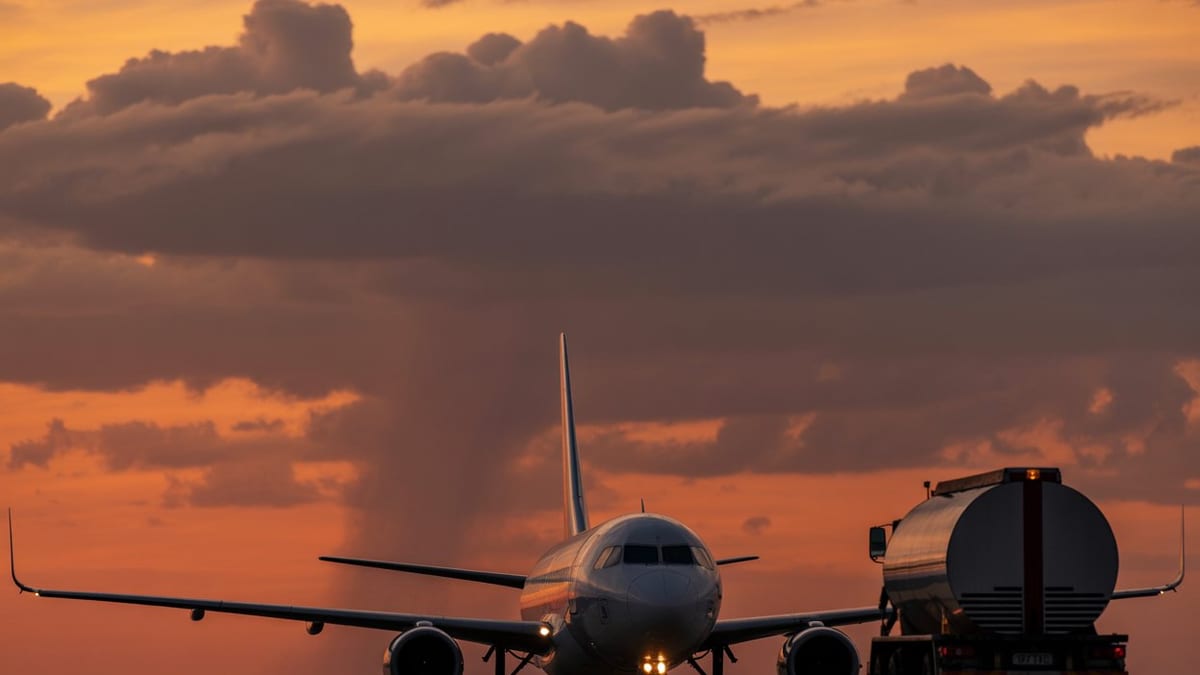
Image by Travel And Tour World
Oil Shock Ripples From Strait of Hormuz to US Skies
The latest escalation of the Iran conflict has tightened energy markets worldwide, with disruptions around the Strait of Hormuz and strikes on regional oil and gas infrastructure pushing benchmark crude prices well above the levels seen earlier this year. Industry analyses describe the current spike as one of the most severe oil shocks in recent decades, with Brent crude recently trading above 100 dollars a barrel after touching even higher intraday peaks.
Aviation is particularly exposed because jet fuel costs closely track movements in crude. Market commentary and airline-industry research indicate that jet fuel prices have climbed far faster than general inflation since late February, with some estimates suggesting increases of 50 percent or more from pre-conflict levels. For US carriers, fuel is typically the single largest or second-largest operating expense, meaning a sustained jump can quickly erode profit margins.
Global airspace closures and rerouting around parts of the Middle East are compounding the squeeze. Publicly available assessments of the 2026 Iran war’s economic impact note that airlines are being forced onto longer flight paths to avoid conflict zones, adding flying time and fuel burn across many intercontinental routes. While US domestic services are less affected by rerouting, they still face the same higher fuel prices set on global markets.
Financial research houses warn that if oil remains near or above current levels through the rest of 2026, the shock could shave a noticeable fraction off global growth and keep headline inflation elevated. For US travelers, that macroeconomic backdrop is filtering directly into the cost of a flight.
Jet Fuel Surge Pressures US Airline Economics
Jet fuel can account for up to one quarter or more of an airline’s operating costs in normal times. With spot prices climbing rapidly since the first US and Israeli strikes on Iranian targets in late February, that share is rising again, echoing past fuel crises that forced carriers to cut routes, retire aircraft early, and introduce new fees.
Data cited in recent aviation and business coverage show that jet fuel prices in late March are roughly 60 percent higher than they were before the latest phase of the conflict began. Some industry trackers put the implied jet fuel barrel cost in a range comparable to 150 to 200 dollars, versus pre-crisis levels closer to 85 to 90 dollars. Those levels are challenging even for carriers that entered 2026 with strong balance sheets and solid demand.
Many US airlines hedge only a portion of their fuel exposure or choose not to hedge at all, which means the impact of higher prices can reach their income statements quickly. While some foreign carriers disclosed relatively favorable hedge positions for the first half of 2026, analysts expect the protection to fade later this year, creating a second wave of pressure as long-dated fuel contracts roll off and are replaced at higher market rates.
Public commentary from airline executives and travel-industry analysts suggests that companies have limited room to absorb such increases purely through cost cutting. Labor contracts signed after the pandemic recovery, higher airport charges and ongoing investment in fleet renewal already weigh on margins, making fuel spikes more painful than in some earlier cycles.
Higher Fares, New Fees and Tighter Capacity for US Travelers
For passengers in the United States, the most visible impact is likely to come through higher ticket prices and tighter capacity. Consumer-facing analyses of travel costs in early 2026 already show US airfare up more than seven percent year on year, outpacing the broader rise in travel expenses. With fuel now surging, industry watchers expect additional hikes as carriers adjust summer and fall schedules.
Recent coverage from travel and financial outlets points to a growing consensus that base fares will continue climbing if jet fuel remains elevated. Some reports highlight that summer airfares on key leisure routes are already running double-digit percentages above last year, particularly for transatlantic and long-haul services that consume more fuel per passenger. US airlines are also expected to lean more heavily on ancillary revenue, potentially increasing baggage fees, seat selection charges and other add-ons.
Capacity reductions are another tool carriers may use to balance higher costs with softening demand. Early indications from airline planning documents and investor commentary suggest that some US networks could see reduced frequencies on marginal routes, delayed seasonal expansions or a shift toward smaller aircraft on thinner city pairs. Such moves can support fares by tightening supply but may mean fewer nonstop options and more connections for travelers.
Industry economists note that higher fares tend to hit price-sensitive leisure travelers hardest, especially those planning family trips or long-haul vacations. Business travel, which is less elastic, may hold up better in the short term, but companies facing their own cost pressures could eventually trim discretionary trips or favor virtual meetings if airfare inflation persists.
Rerouting, Schedule Disruptions and Longer Journeys
Although the United States is geographically distant from the core conflict zones, US-bound international traffic is being indirectly affected by airspace closures and security restrictions stretching across parts of the Gulf, Iraq and neighboring countries. Publicly available air navigation and industry reports describe widespread rerouting of flights between Europe, Asia and Africa, as well as curtailed operations at several major hubs in the Middle East that previously handled a significant share of global connecting traffic.
For US passengers, that means some journeys now involve longer flight times, additional fuel burn and, in certain cases, fewer connection options via popular hubs. Travel advisories and route-update notices published by airlines and aviation regulators show schedules being reworked at short notice as operators avoid affected corridors and adjust to capacity constraints at alternative airports.
The additional complexity raises operational risk and cost. Longer routes require more contingency fuel and can push aircraft and crew schedules closer to regulatory limits, increasing the potential for knock-on delays when disruptions occur. Airport congestion at alternative hubs can further slow the system, especially during the peak summer travel season when runway and gate capacity are already under stress.
Industry analysts warn that even if the conflict does not spread further, the cumulative effect of these reroutes, higher fuel consumption and schedule volatility will be felt in both airline financial results and passenger experience. The global network that underpins long-haul travel to and from the United States is being forced into less efficient patterns at precisely the moment demand is strong.
Short-Term Shock or Structural Shift for US Air Travel?
A key question for both airlines and travelers is whether the current spike in fuel costs will prove transitory or mark the start of a longer period of elevated prices. Economic research circulated in recent days outlines scenarios in which oil remains near 100 dollars a barrel for much of 2026, with corresponding pressure on jet fuel, inflation and consumer spending.
If the conflict eases and energy markets stabilize, US carriers could see some relief later in the year, particularly if demand remains resilient and hedging strategies cushion the blow. In that case, fare growth might moderate, and airlines could restore some of the capacity and network expansion plans that have been postponed or scaled back.
However, if disruptions in and around the Strait of Hormuz persist or intensify, the industry may be facing more structural adjustments. Analysts point to the potential for further consolidation of routes, renewed focus on fuel-efficient aircraft and a sharper differentiation between premium and budget offerings as airlines try to pass on costs while retaining the most valuable customers.
For now, publicly available travel guidance generally suggests that US consumers who anticipate flying later this year may benefit from booking earlier than usual, especially for long-haul or peak-period trips. With jet fuel costs tethered to a volatile geopolitical situation, the only certainty for American air travelers is continued uncertainty over what it will cost to get to their destination.