

More news on this day
The latest shock from the Iran war and Middle East fuel crisis is rippling through Southeast Asia’s travel industry, slowing a fragile post-pandemic tourism rebound in key markets such as Thailand, Malaysia and Singapore while exposing new vulnerabilities linked to Iran and regional investor sentiment.
Get the latest news straight to your inbox!
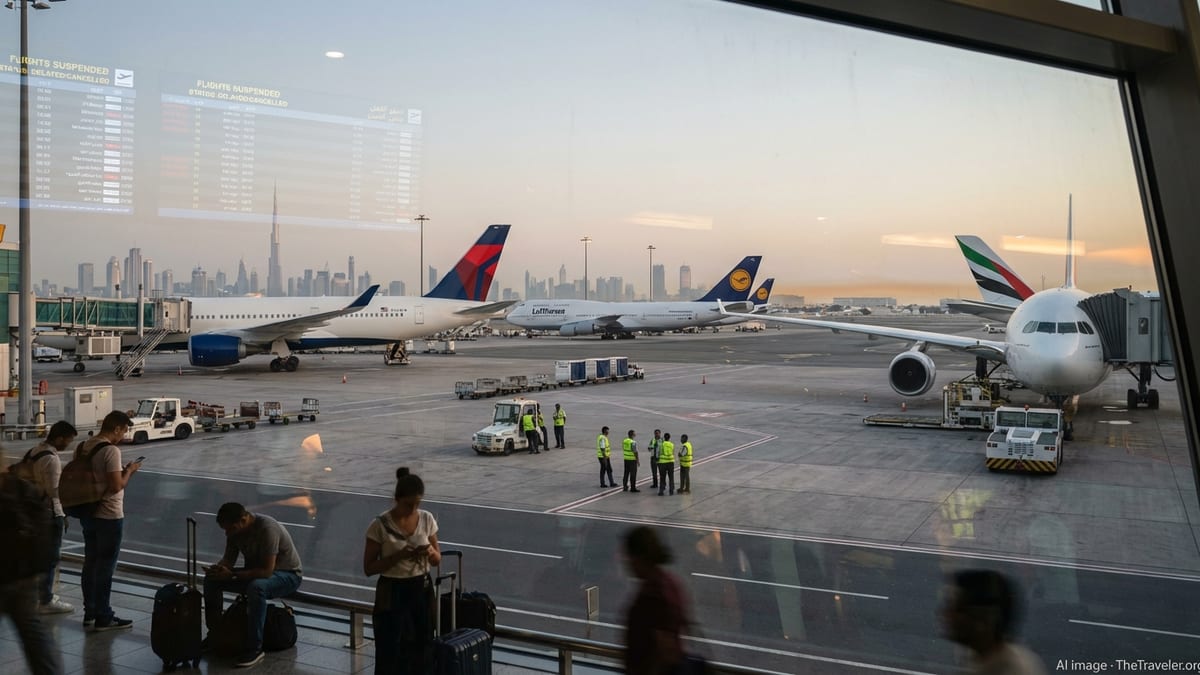
Recovery Stalls As Conflict Reshapes Travel Flows
Tourism across Southeast Asia had been edging back toward pre-pandemic levels, but recent turbulence in the Middle East has shifted the trajectory. Regional assessments indicate that by late 2025 ASEAN as a whole had climbed to more than 90 percent of 2019 arrivals, with some destinations surpassing their pre-crisis performance. Yet within that aggregate, Thailand, Malaysia and Singapore have all begun to show signs of deceleration, particularly in short-haul and price-sensitive segments.
Thailand’s rebound has lost momentum as Chinese and other short-haul Asian visitors underperform earlier expectations, according to official tourism and economic reports. Malaysia’s international arrivals have recovered strongly in headline terms but are now facing headwinds from costlier airfares and weakened regional currencies. Singapore, which relies heavily on aviation connectivity and business travel, has seen growth forecasts revised amid more volatile energy and transport costs linked to Middle East supply disruptions.
The Iran war and related Strait of Hormuz crisis have intensified these pressures by driving up oil and jet fuel prices, lengthening flight routes and constraining airline capacity. Publicly available analysis on the economic impact of the conflict shows that aviation fuel costs have more than doubled since before hostilities escalated, forcing carriers to pass higher expenses on to travelers and reconsider marginal routes.
These dynamics are feeding directly into demand for Southeast Asian holidays, where price-sensitive regional travelers and mid-market long-haul visitors are already grappling with inflation at home. Industry commentary suggests that the current shock risks turning what had been a steady recovery into a more uneven, prolonged adjustment period.
Jet Fuel Shock Pushes Fares Higher And Routes Into Question
The most immediate drag on tourism has come from soaring fuel prices. Trade and energy data indicate that benchmark jet fuel in the Singapore market, a key reference for Asian airlines, has climbed more than 140 percent from pre-war levels as crude flows through the Strait of Hormuz are disrupted and insurers raise premiums on tankers transiting the area. The International Energy Agency has described the broader supply interruption as one of the largest on record.
Airlines serving Southeast Asia are responding with a mix of fuel surcharges, selective capacity cuts and routing changes to avoid conflict-affected airspace. Travel industry coverage across the region has highlighted an uptick in flight cancellations and longer journey times on Europe–Asia and Middle East–Asia corridors, which are essential feeders for Thailand, Malaysia and Singapore. Analysts warn that if elevated fuel prices persist through the northern summer, the cost of reaching Southeast Asia could deter a significant share of budget-conscious travelers.
Domestic and short-haul routes are not immune. Rising fuel and operating costs are putting pressure on low-cost carriers that anchor intra-ASEAN travel. Reports from Vietnam, Thailand and the Philippines point to higher average fares even on staple domestic sectors as airlines try to protect margins. For destinations positioned as affordable beach or city-break options, the erosion of that price advantage could have lasting implications for market share.
Investors are taking note. Aviation and hospitality stocks tied closely to fuel-intensive or long-haul operations have experienced heightened volatility, reflecting concerns that a prolonged Iran-related energy shock will compress profits and slow planned capacity expansion in Southeast Asia’s airline and airport sectors.
Thailand’s Tourism Engine Sputters As Costs And Demand Diverge
Thailand, traditionally one of the region’s star performers, illustrates how these global shocks intersect with domestic structural challenges. Monetary and economic reports from Bangkok indicate that tourism was a key growth driver in 2024 but began to lose pace in 2025, with international arrivals trailing earlier forecasts. The shortfall has been most pronounced among Chinese and other short-haul Asian visitors, whose recovery remains well below pre-pandemic norms.
While arrivals from higher-spending markets such as Europe and the Middle East have helped support overall revenue, they have not fully offset the volume decline. At the same time, cost pressures are mounting. Commentaries in Thai and regional business media link rising fuel and transport costs to higher airfares, logistics expenses and living costs, all of which weigh on both inbound tourism and domestic travel.
Local tourism operators report thinner margins as they struggle to balance higher input costs with consumer resistance to further price hikes after several years of post-pandemic increases. Some are shifting focus toward “quality over quantity” strategies, targeting fewer but higher-spending visitors, yet this transition requires new investment in experiences, infrastructure and marketing at a time when financing terms are tightening.
The result is a more fragile outlook. Projections for foreign arrivals in 2025 and 2026 have been revised down by Thai tourism and economic planners, and private-sector forecasts flag the risk that, without a strong recovery from China or a normalization in fuel prices, Thailand’s tourism sector could undershoot its medium-term potential.
Malaysia And Singapore Confront Energy Exposure And Investor Jitters
Malaysia and Singapore entered the current crisis with relatively strong tourism metrics, but their exposure to energy imports and air connectivity is now casting a shadow over future growth. Regional tourism outlooks show that Malaysia was among the ASEAN markets closest to a full recovery by late 2024, helped by robust intra-ASEAN travel and overland links. However, higher fuel and transport costs are raising concerns about sustainability, particularly for secondary destinations that depend on low-cost flights.
Singapore’s position as an aviation and cruise hub amplifies its sensitivity to the Iran-linked energy shock. Economic survey data indicate that tourism-related services have been a central pillar of the city-state’s post-pandemic rebound. Yet forecast downgrades to 2026 growth, attributed in part to volatile energy prices and external demand risks, signal that the sector may face a more challenging operating environment if jet fuel prices remain elevated and regional travel demand softens.
Investor sentiment is increasingly shaped by these risks. Market analysis shows heightened scrutiny of capital-intensive tourism and hospitality projects, especially those reliant on sustained long-haul traffic or energy-intensive operations such as integrated resorts and large convention facilities. Developers and operators are being pushed to factor in more conservative assumptions on occupancy, room rates and operating costs.
At the same time, both countries are trying to use policy levers and branding to stay competitive. Malaysia is doubling down on nature-based and Muslim-friendly tourism offerings that may appeal to travelers rerouting from Middle Eastern destinations, while Singapore is leaning on its reputation for safety, connectivity and premium experiences. The challenge is that these strategies must now perform in a higher-cost, higher-risk global environment.
Iran Linkages Add A New Layer Of Risk To Southeast Asia’s Outlook
While Iran is not a major direct source market for Southeast Asia compared with China or Europe, the current conflict has added a new layer of complexity to regional tourism prospects. The closure or severe disruption of shipping and aviation routes around the Strait of Hormuz affects energy prices, flight paths and investor confidence far beyond the Middle East itself.
Published coverage on the Iran war fuel crisis describes the situation as a global supply shock, with repercussions for airlines and economies that rely heavily on imported energy, a category that includes most of Southeast Asia. Singapore’s dependence on Middle Eastern energy imports, for example, has been flagged as a factor behind increased macroeconomic uncertainty and downgraded growth expectations, which in turn can influence corporate travel budgets and event planning.
There are also reputational and perception effects. As media attention focuses on conflict in and around Iran, some travelers may opt to avoid routes that overfly or transit the broader region, even where safety measures are robust. This can push demand toward alternative destinations closer to home or in other parts of the world, diluting Southeast Asia’s share of long-haul leisure and business flows.
For tourism investors, the episode reinforces questions about geopolitical risk, energy security and climate exposure in long-term project planning. Resort developments, airport expansions and cruise terminals in Thailand, Malaysia and Singapore are now being evaluated not only on traditional metrics such as visitor growth and yield, but also on their resilience to external shocks that originate far beyond Southeast Asia’s borders and, as the Iran crisis shows, can rapidly reshape the travel landscape.