

More news on this day
A deepening jet fuel crisis tied to the conflict in Iran is rapidly reshaping global aviation, with airlines slashing flights, lifting fares, and rerouting traffic as Bahrain and wider Gulf hubs grapple with disrupted fuel supplies and volatile security conditions.
Get the latest news straight to your inbox!
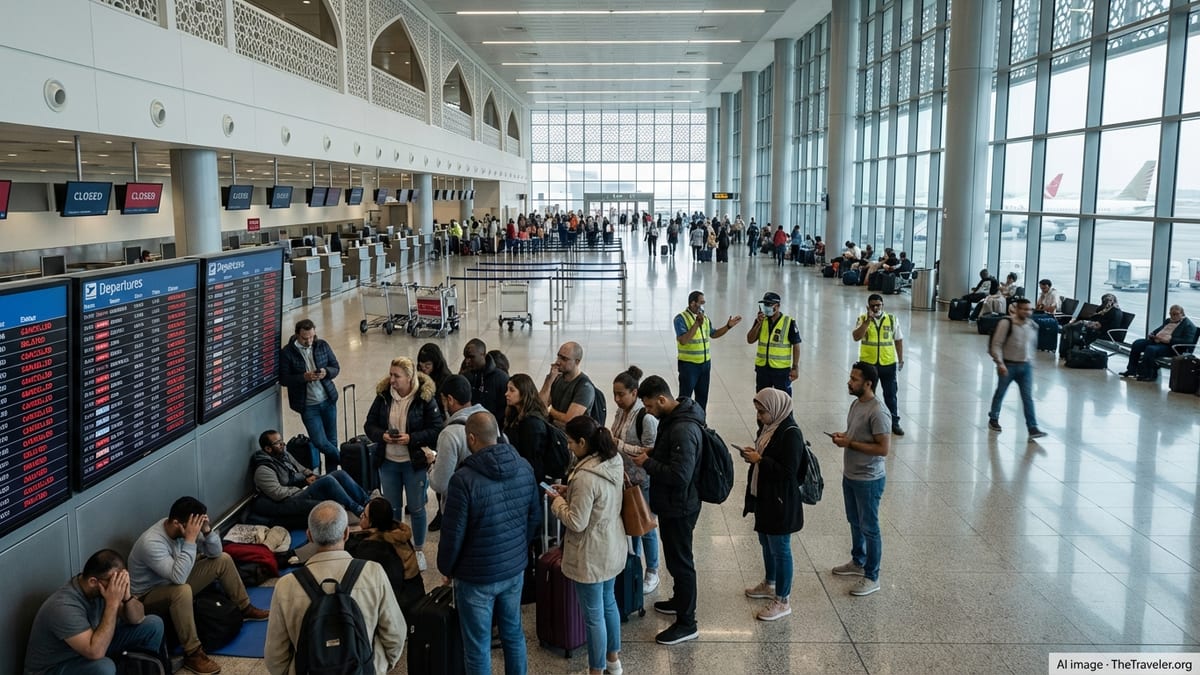
Strait of Hormuz Shock Sends Jet Fuel Costs Soaring
Publicly available data on energy flows show that Iran’s closure and effective militarization of the Strait of Hormuz has choked off a significant share of global seaborne jet fuel shipments, forcing refiners and airlines to scramble for alternative supplies at higher prices. Analysts tracking tanker movements report that the Gulf conduit, normally responsible for a substantial portion of world jet fuel trade, is now operating well below capacity as commercial vessels avoid the area amid heightened risk.
Market commentary from aviation and energy specialists indicates that the resulting squeeze has driven jet fuel prices sharply higher in Asia, Europe, and parts of Africa. Carriers that rely heavily on spot purchases rather than long term hedging are under particular pressure, with executives warning that the current spike could become the industry’s most serious fuel shock since the pandemic period.
The International Air Transport Association and other industry groups have highlighted how thin fuel inventories at many airports leave airlines vulnerable when a key supply route is disrupted. Briefs circulated to member carriers in recent weeks emphasize that commercial stocks in Europe and some Asian hubs typically cover only days of demand, making the present disruption unusually acute and increasing the likelihood of sudden capacity cuts.
Iran War Fallout Hits Airline Schedules Worldwide
As the war in Iran intensifies, route maps across the Middle East and beyond have been redrawn in a matter of weeks. Airspace closures or severe restrictions over Iran, Iraq, Kuwait, Syria, and parts of the Gulf have forced airlines to abandon traditional corridors, adding hours and extra fuel burn to long haul flights linking Europe, Asia, and Oceania. Aviation tracking services show thousands of cancellations and diversions since late February, as carriers avoid conflict zones and congested detours.
Industry reports detail that more than 14,000 flights originating from or routed through the wider Middle East have already been cancelled since the conflict escalated, with additional services operating on lengthened routings that further strain jet fuel supplies. European and Asian airlines have shifted some capacity north and south of the Gulf, while several major Gulf carriers face reduced hub operations or contingency schedules as they manage both security and fuel uncertainties.
Major network airlines have begun openly discussing grounding aircraft and shrinking schedules if fuel prices remain elevated into the peak northern summer. Public comments by senior executives at European flag carriers indicate that contingency plans include parking dozens of widebody jets and trimming intercontinental frequencies, particularly on routes where higher fares cannot fully offset fuel costs and detour times.
Bahrain Emerges as a Flashpoint for Travel Disruptions
Bahrain, a key aviation and logistics node in the Gulf, has emerged as one of the most exposed locations in the current crisis. Situation reports compiled by risk consultancies note that airspace over Bahrain has been subject to heightened military activity and intermittent restrictions, with short notice closures still considered possible. At the same time, infrastructure near Bahrain International Airport has been drawn into the wider conflict, further complicating fuel logistics.
Open source coverage of recent strikes in the region indicates that an attack on a fuel depot in the Muharraq area, close to the main airport on Bahrain’s northern island, triggered a significant fire and raised fresh concerns about the resilience of local fuel storage. While core airport operations have continued at reduced capacity, analysts warn that any prolonged damage to depots or pipelines feeding Bahrain’s aviation system could force sustained cutbacks in both passenger and cargo services.
Advisories circulated to corporate travel managers and freight customers in early April describe Bahrain’s hub reliability as “degraded,” citing a combination of airspace risk, security measures, and potential fuel constraints. Some airlines have reportedly relocated aircraft to neighboring Saudi airports as a precaution, while continuing to operate limited Bahrain services using tanker fuel from other locations when possible.
Travel advisories from several governments now flag Bahrain alongside other Gulf states as a destination where flight schedules may change with little warning. Travelers connecting through the kingdom are being urged by insurers and travel risk firms to allow longer connection times, monitor rebooking options, and be prepared for last minute reroutes via alternative hubs.
Airlines Cut Capacity and Pass Rising Fuel Costs to Travelers
Across the wider region and beyond, airlines are responding to the fuel shock with a mix of flight reductions and aggressive fare measures. According to aviation business reporting, carriers in Southeast Asia and Oceania have been among the first to announce explicit jet fuel surcharges and capacity cuts, citing limited access to alternative supplies after major exporters in East Asia curtailed overseas shipments.
Low cost and long haul operators alike are adjusting their pricing structures. Analysis of published fare data shows that some carriers have implemented fuel surcharges of 20 percent or more on select routes, while others have raised base fares by over 30 percent to cover rising operating costs. In several cases, airlines are pairing these price moves with targeted schedule reductions of around 10 percent, focusing on less profitable routes or frequencies.
In Europe, large network carriers are balancing heavy fuel hedging positions against the operational impact of longer routings around closed airspace. Publicly available comments from airline financial updates suggest that while hedges soften the immediate blow of higher prices, they do not mitigate the risk of physical jet fuel shortages at certain hubs. Executives have warned that if refinery outages or shipping delays intensify, carriers might have to prioritize core trunk routes and reduce secondary services, particularly those touching the Middle East.
Analysts also note that some Gulf and Asian carriers are using the crisis to recalibrate their networks. Capacity is being shifted toward markets with stronger yields and more reliable fuel access, while marginal leisure routes are paused. Premium cabins remain in demand on Asia Europe and transpacific sectors, but economy passengers are increasingly facing higher ticket prices, tighter refund conditions, and fewer low fare options.
Passengers Face Longer Journeys, Higher Bills, and Greater Uncertainty
For travelers, the combined effect of fuel scarcity, war related airspace closures, and Bahrain centered disruptions is a more fragile and expensive global air network. Journey times between Europe and Asia have lengthened as flights detour around conflict zones, adding technical stops or selecting slower routings that allow for fuel tankering from more secure hubs. This in turn can require passengers to endure additional layovers, overnight stays, and missed connections.
Consumer advocacy outlets and travel insurance specialists report a surge in complaints related to last minute cancellations, unexpected surcharges, and out of pocket costs for accommodation when itineraries collapse. In many jurisdictions, compensation rules for passengers do not apply when disruption is linked to armed conflict or government mandated airspace closures, leaving many travelers dependent on airline goodwill or insurance policies that may carry extensive exclusions.
Industry observers expect the pressure on Bahrain and other Gulf gateways to continue as long as fuel supplies remain constrained and the security outlook around Iran is unsettled. Corporate travel buyers are already revising routing policies to avoid the most exposed hubs, while leisure travelers are being advised to book flexible tickets, confirm coverage for conflict related disruption, and keep a close watch on airline updates in the days leading up to departure.
With no clear timeline for relief in the fuel markets or a durable ceasefire in sight, the aviation sector is preparing for a prolonged period of volatility. For now, the Iran linked fuel crisis, centered on vulnerable nodes such as Bahrain, is a reminder of how quickly geopolitical shocks can ricochet through the world’s flight networks and upend travel plans far beyond the immediate conflict zone.