

More news on this day
Escalating conflict involving Iran is rippling across the eastern Mediterranean, with Greece reinforcing military readiness around key bases and sea lanes as the United States urges American travelers to exercise heightened caution worldwide.
Get the latest news straight to your inbox!
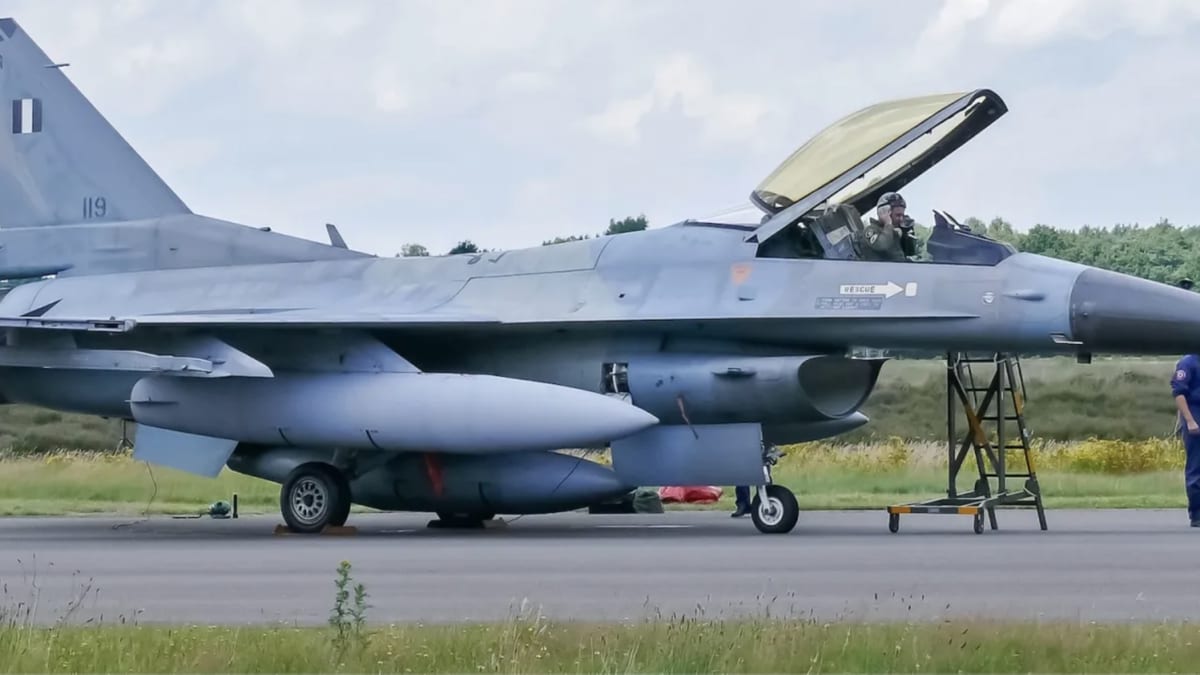
Image by ibtimes.co.uk
Heightened Alerts as Iran Conflict Spills Toward the Mediterranean
Recent fighting linked to the Iran war has increasingly affected the wider Middle East and nearby sea routes, drawing the eastern Mediterranean into a more precarious security environment. Publicly available information on the 2026 Strait of Hormuz crisis describes a pattern of missile and drone exchanges, maritime disruption, and threats against international interests that have unsettled governments across the region.
In this climate, reports indicate that Greece has placed dozens of potential military and infrastructure targets on increased alert, while reinforcing its air and naval posture around the Aegean and eastern Mediterranean. Coverage in international and Greek media points to stepped-up surveillance near key sea lanes, including those used by energy shipments that help supply European markets.
Analysts note that while Greece is geographically distant from Iran, its role as a NATO member, EU state, and regional transport hub places it within planning scenarios for any further escalation. The presence of allied facilities on Greek territory adds to the country’s strategic profile, even as officials emphasize that Greece is not a party to the war.
At the same time, regional evacuations and widespread flight disruptions documented during earlier phases of the Iran conflict highlight how quickly a localized clash can affect civilian mobility. Aviation observers have drawn parallels between those disruptions and current contingency planning around key Mediterranean hubs.
Greek Defensive Posture and Eastern Mediterranean Flashpoints
Greek defense planning has focused on shielding both national territory and nearby partners, particularly Cyprus, from any spillover attack linked to the Iran confrontation. International reports describe deployments of Hellenic Navy vessels and fighter aircraft to reinforce air defense coverage and maritime surveillance in sectors considered most exposed to long-range drones or missiles.
Media coverage also points to growing security coordination within NATO’s southeastern flank, including discussions on ballistic and air defense coverage reaching across borders. Neighboring states such as Bulgaria have been cited in regional analysis as looking to Greece for additional protective capacity in the event that Iranian or proxy forces expand their target set to include allied infrastructure.
Military experts quoted in open-source commentary argue that a direct strike on Greek soil remains a low-probability scenario but not an impossibility, given Iran-linked threats against facilities associated with the United States and its partners. They note that the principal concern is less a deliberate attack on Greece itself and more a strike on allied assets or shipping that could take place in or near Greek-controlled airspace and waters.
Greek economic commentators have warned that even the perception of vulnerability can carry costs, especially for a country whose recent recovery has been heavily driven by tourism and maritime trade. Previous episodes of Middle East turmoil have already demonstrated how quickly shipping premiums and insurance costs can rise for vessels transiting the eastern Mediterranean.
US Security Alerts and What They Mean for American Tourists
Against this backdrop, the United States has been updating its global security messaging to citizens, with particular attention to potential threats linked to Iran and groups aligned with it. A recent worldwide security alert from the US Department of State urged Americans to exercise increased caution, highlighting the risk that locations associated with the United States or US nationals could be targeted in response to developments in the Iran war.
Separate alerts focused on the Middle East have advised US nationals to avoid travel to Iran, depart that country as soon as possible using available routes, and remain alert to the possibility of sudden airspace closures, airport disruptions, and restrictions affecting civilian movement across the wider region. Travel-industry reporting notes that this guidance has been accompanied by specific security messages in several Gulf and Levant states as tensions have spiked.
For Greece, publicly available information indicates that the country remains in the lowest risk category of the US travel advisory system, which evaluates destinations based on crime, terrorism, civil unrest, health, and other factors. However, US security messaging has underlined that Americans anywhere overseas should review personal security plans, monitor local media, and be prepared for rapidly changing conditions if regional tensions escalate.
Travel analysts emphasize that such alerts are designed to prompt vigilance rather than panic. They recommend that US tourists pay particular attention to any new country-specific alerts mentioning the eastern Mediterranean or European bases that could be drawn into Iran-related contingencies, while also monitoring conditions at major transit hubs through which flights to and from Greece may pass.
Tourism Surge Meets Geopolitical Anxiety
Despite the conflict, recent travel and tourism data show robust demand for Greece among American visitors. Industry outlets have reported a surge in transatlantic capacity to Athens for the 2026 season, with major US carriers expanding routes from cities such as New York, New Jersey gateways, Boston, Philadelphia, and Atlanta to meet record bookings.
Greek travel trade publications describe a sector that is simultaneously optimistic about visitor numbers and conscious of geopolitical headwinds. Hoteliers and tour operators continue to promote island destinations and cultural hotspots, while quietly updating contingency plans for potential airspace disruptions or sudden shifts in traveler sentiment should the Iran war widen further west.
Online travel forums reflect a similar duality. Many prospective visitors express strong interest in proceeding with long-planned trips to Greek islands and historic sites, but raise questions about proximity to US and NATO facilities, the risk of being caught near potential targets, and the possibility of canceled flights if regional routes are affected by missile or drone activity.
Tourism analysts argue that Greece’s safety record, alignment with the European Union, and distance from front-line conflict zones still weigh heavily in its favor for most travelers. At the same time, they note that the country’s reliance on long-haul markets such as the United States means that perceptions shaped by global news coverage can have an outsized influence on bookings.
Practical Risk Calculus for Travelers Considering Greece
Security specialists advising international travelers point to several practical considerations for Americans evaluating trips to Greece amid Iran-related tensions. The first is to distinguish between direct, country-specific threats and broader regional anxiety. As of early April 2026, open-source travel advisory information continues to classify Greece as among the safer European destinations, while focusing the highest-risk designations on countries much closer to the core of the Iran conflict.
A second factor is route planning. Even if conditions in Greece remain stable, flights may rely on air corridors that could be temporarily restricted during spikes in regional hostilities. Travel experts recommend choosing itineraries with flexible fare rules, allowing for easy rebooking, and avoiding tight connections through hubs situated closer to active conflict zones.
Third, personal security preparation remains relevant even in destinations not directly affected by fighting. Public guidance from governments and travel-resilience organizations advises carrying copies of key documents, registering travel with consular services, identifying nearby medical facilities, and maintaining communication plans with family or companions. Travelers are also encouraged to monitor local news and official advisories during their stay.
Finally, the evolving nature of the Iran war means that risk assessments can change quickly. Analysts following the region suggest that travelers planning Greece trips for later in the year should check for updates from both US and Greek authorities in the weeks before departure, while recognizing that, at present, the primary impact of the conflict on Greece has been strategic and psychological rather than operational on the ground.