

More news on this day
Escalating fallout from the Iran war is rippling through global tourism, with Cyprus, Greece, Turkey, Egypt and Thailand reporting sharp slowdowns in bookings, rising cancellations and growing concerns over airspace safety and travel costs.
Get the latest news straight to your inbox!
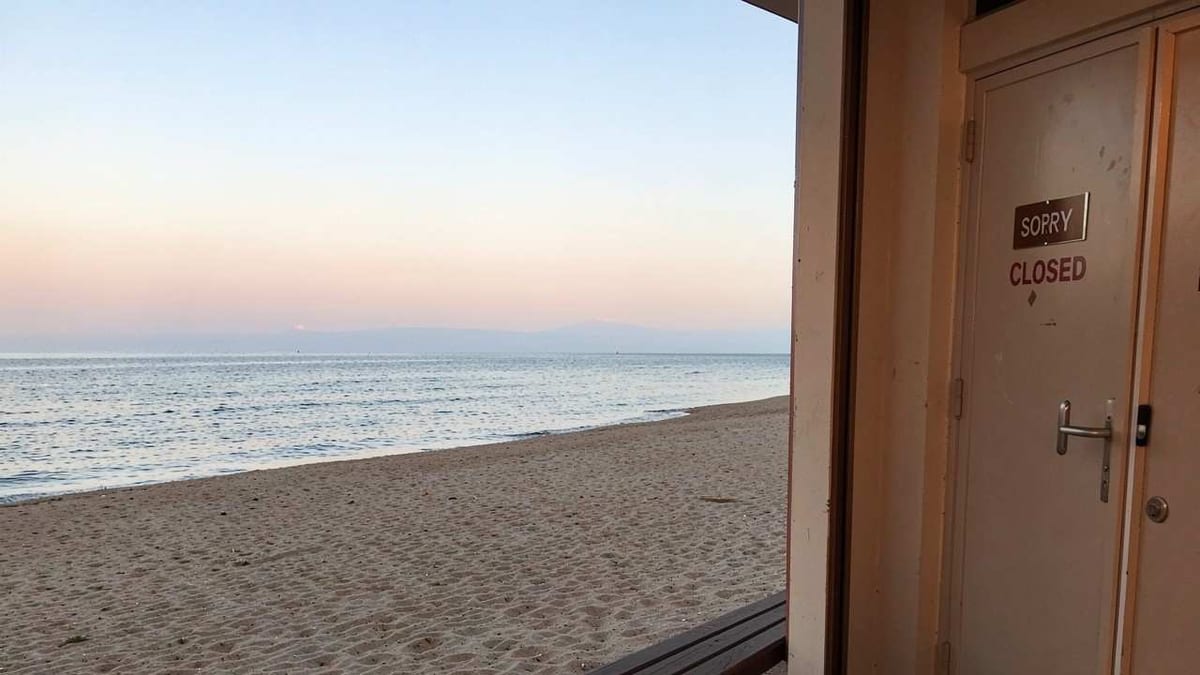
Image by Latest International / Global Travel News, Breaking World Travel News
Eastern Mediterranean Bookings Slide as Conflict Widens
Tourism-dependent economies in the eastern Mediterranean are emerging as early casualties of the Iran war’s economic shock. Publicly available information on regional travel trends indicates that Cyprus has been hit particularly hard, with local hotel and travel bodies reporting double-digit cancellation rates following recent drone strikes on military facilities on the island and broader fears that nearby airspace could be drawn deeper into the conflict.
Greek-focused coverage cites tourism operators in Cyprus speaking of cancellations in the range of 15 to 30 percent in certain coastal resorts, alongside hotel occupancy dropping far below seasonal norms after the March drone attacks on British bases at Akrotiri and Dhekelia. These incidents have reinforced perceptions of Cyprus as being on the edge of an expanding war zone, prompting many European holidaymakers, especially from the United Kingdom, to shift plans toward Spain, Portugal and other western Mediterranean destinations.
Greece, while geographically further from the core conflict areas, is also feeling the strain. Reports from Greek tourism media describe a clear slowdown in new bookings for the summer 2026 season, particularly from Israel and Gulf markets that had been key growth drivers in recent years. Package operators and hoteliers are said to be adjusting revenue expectations amid uncertainty over how long the crisis and associated oil and flight disruptions will last.
Turkey, another major beneficiary of regional tourism flows, is facing a similar pattern. European coverage of the sector notes a visible increase in cancellations and deferred trips as travelers reassess itineraries that involve eastern Mediterranean air corridors and hubs, raising concerns over revenue for coastal resorts and Istanbul’s urban tourism market.
Airlines Cut and Reroute Flights as Safety Concerns Mount
Commercial aviation has become one of the most immediate pressure points of the Iran war, with airspace closures and missile and drone risks triggering mass cancellations and costly rerouting. Industry analyses of the conflict’s early weeks point to thousands of daily flight cancellations at the peak of the crisis, concentrated over Iran, Iraq, Syria and parts of Israeli airspace.
Greece’s largest carrier, Aegean Airlines, has issued multiple schedule updates since late February, extending suspensions and reductions on routes to Israel, the United Arab Emirates, Saudi Arabia and Iraq. Greek aviation coverage describes these moves as a response to changing risk assessments and ongoing restrictions in regional airspace. The carrier’s disclosures also indicate a double-digit decline in summer bookings from Israel and Gulf markets, reflecting both reduced capacity and weaker demand.
Budget airlines serving Mediterranean leisure markets are also indicating softer demand. Travel reports from Europe suggest that British low-cost carriers, including EasyJet, are seeing noticeable weakness in bookings to Cyprus and parts of Turkey as risk-averse holidaymakers pivot to destinations perceived as safer and less exposed to military activity or airspace disruption. Airlines are responding by trimming frequencies, adjusting route networks and offering flexible change policies to manage volatility.
Beyond outright cancellations, the widespread need to reroute flights around closed or restricted corridors is driving longer flight times and higher fuel burn. Airline executives have publicly warned that higher jet fuel prices linked to the war and to disruptions in energy flows through the Gulf and Red Sea are likely to filter into ticket prices, potentially further dampening demand for long-haul leisure travel in the months ahead.
Hotel Giants Watch Demand Cool Across Key Sun Destinations
The travel shock is also being felt by global hotel groups that rely heavily on leisure demand in Cyprus, Greece, Turkey, Egypt and Thailand. While detailed property-level performance figures are limited at this early stage of the crisis, sector commentary notes that major brands, including Marriott and Hilton, face an increasingly uncertain outlook in resort-heavy portfolios across the eastern Mediterranean and Red Sea.
Cyprus and Greek island resorts, many operating under international flags, are reportedly contending with shortened booking windows, slower advance sales and elevated cancellation requests from core European markets. Tourism analysts warn that if the Iran war and associated airspace risks persist into the peak summer season, hotels may be forced to rely more heavily on last-minute discounting and domestic visitors to fill rooms, putting pressure on average daily rates and profitability.
In Turkey and Egypt, where international chains have extensive beach and city properties, the pattern is similar. Local business press coverage highlights concerns among hotel owners and operators about declining European tour group bookings and uncertainty over airlift capacity from key source markets. The Red Sea region, already affected by maritime security tensions and rerouted shipping, is now contending with a parallel squeeze on air arrivals, intensifying financial stress on hospitality assets.
Global investors tracking listed hotel and travel companies are closely watching booking trends and forward guidance. Analysts point out that while diversified groups can offset weakness in one region with strength elsewhere, a prolonged conflict that simultaneously disrupts eastern Mediterranean, Gulf and parts of Asian travel flows could weigh on overall revenue and development pipelines.
Egypt and Thailand Caught in the Crossfire of Rerouted Travel
Egypt has emerged as a critical aviation corridor between Europe and Asia as airlines seek alternatives to closed or hostile airspace over Iran and neighboring countries. Egyptian media reports describe the country’s airspace and airports, notably Cairo, as key transit nodes in a heavily disrupted regional network. However, the same conflict-driven dynamics that boost transit traffic are undermining leisure demand for the country’s own resort markets.
Travel agents quoted in recent coverage say clients are increasingly wary of itineraries involving the eastern Mediterranean and Red Sea, with some canceling or postponing trips to Egyptian beach destinations over perceived proximity to the conflict and concerns about potential spillover incidents. Higher airfares due to longer routings and fuel costs are adding to the hesitancy, particularly among price-sensitive European holidaymakers.
Thailand, geographically distant from the Middle East but deeply integrated into global tourism flows, is feeling more indirect effects. Economic and travel commentary notes that Southeast Asian destinations, including Thailand, are exposed to the broader increase in jet fuel prices and potential pressure on long-haul leisure budgets as travelers reassess total trip costs. Tour operators report that some European clients are postponing or shortening long-haul holidays amid economic uncertainty linked to the war.
At the same time, analysts highlight that Thailand and other Asian markets could benefit at the margin from travelers seeking destinations perceived as far removed from the Iran conflict and related airspace issues. The overall impact remains fluid, with booking data still reflecting a mix of cancellations, deferrals and rebookings to alternative regions.
Safety Perceptions and Economic Uncertainty Weigh on Future Seasons
Beyond immediate cancellations and schedule cuts, the Iran war is reshaping perceptions of safety and stability around entire regions, with potentially lasting consequences for tourism in Cyprus, Greece, Turkey, Egypt and Thailand. Economic assessments of the conflict describe it as a multi-front crisis that has extended into NATO-adjacent areas, the eastern Mediterranean, the Red Sea and key global shipping and aviation corridors.
For destinations that had built their growth strategies around air connectivity, cruise calls and rising middle class demand from Europe, the Gulf and Asia, the new environment introduces layers of geopolitical risk that are difficult to price. Travel advisers and industry bodies are urging would-be visitors to closely monitor government advisories, airline schedules and insurance conditions, as policy changes and new restrictions can emerge with little notice.
In the short term, many tourism boards and large hotel operators are expected to ramp up marketing in stable source markets and promote messages around on-the-ground safety and resilience, while quietly preparing contingency plans for further volatility. However, if the conflict drags on and energy and insurance costs stay elevated, sector observers warn that the damage to employment, tax revenues and investment in these tourism-reliant economies could deepen.
With the crucial 2026 summer and winter seasons approaching, Cyprus, Greece, Turkey, Egypt and Thailand face a delicate balance between projecting normality and acknowledging real concerns about travel safety and affordability. The trajectory of the Iran war, and of global responses to its airspace and energy implications, is likely to determine whether the present slump stabilizes or develops into a more prolonged tourism downturn across these flagship destinations.