

More news on this day
Escalating conflict involving Iran is rapidly spilling into the global tourism economy, with airlines and hotel groups warning of plunging bookings and analysts estimating regional travel spending losses of around 600 million dollars per day.
Get the latest news straight to your inbox!
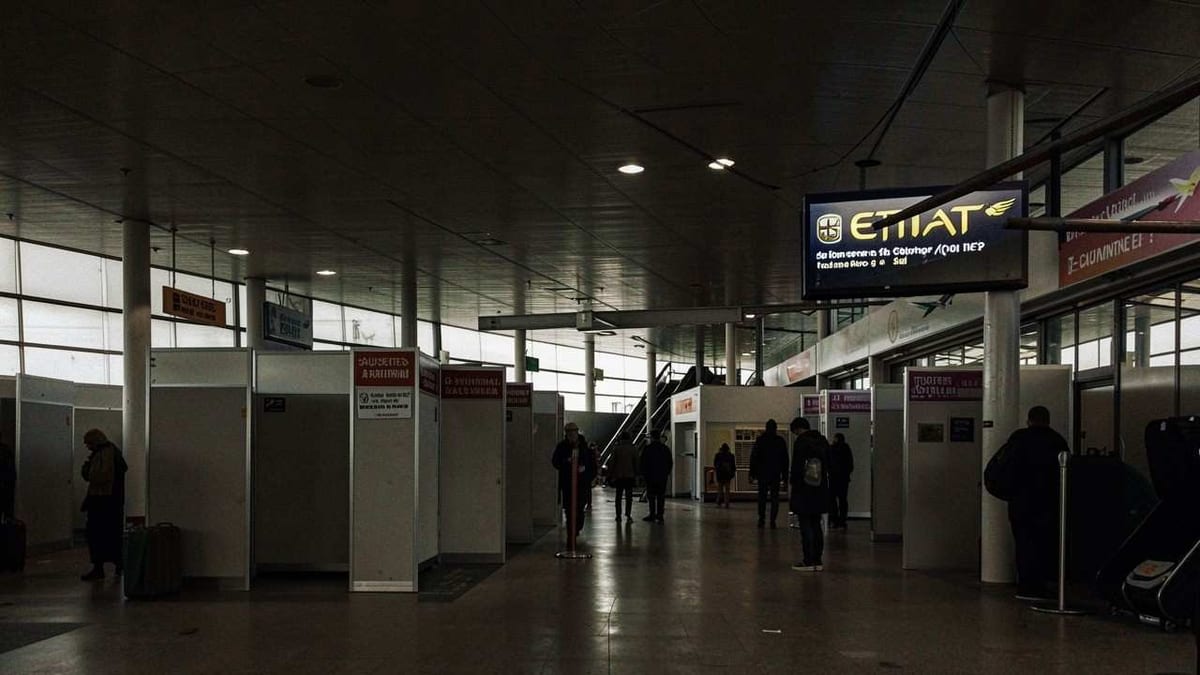
Image by Latest International / Global Travel News, Breaking World Travel News
Warnings Mount From Governments Across Key Source Markets
Governments in major outbound travel markets are tightening guidance on trips to the Middle East and nearby regions as the Iran war drags on. Publicly available advisories from countries including the United Arab Emirates, Cyprus, Greece, Italy, India, China and the United Kingdom urge citizens to closely monitor security developments, avoid high‑risk areas and reconsider non‑essential travel to locations affected by missile, drone and airspace disruptions.
In Europe, recent guidance covering Greece, Cyprus and neighboring states highlights the risk posed by spillover from strikes and drone activity around military installations and key infrastructure. Travel advice circulated in late March underscores that while core tourist operations remain open, conditions could shift quickly if the conflict widens.
India’s foreign ministry has also reiterated caution for travel into the broader West Asia region, following earlier notices advising against non‑essential journeys to specific flashpoints. Chinese and British travelers are being told through updated notices to review insurance cover, remain prepared for flight cancellations or rerouting and stay in close contact with tour operators when planning trips that transit Gulf airspace.
Analysts note that even when governments stop short of outright bans, stronger wording in advisories tends to chill demand. Tourists often delay or redirect holidays once travel alerts reference heightened risk levels, particularly for destinations perceived as close to an active war zone.
Emirates, Etihad, EasyJet and Aegean See Demand Slide
The conflict has rapidly fed through to airline order books. According to sector coverage focused on aviation and tourism, Emirates and Etihad are confronting significant schedule disruptions and weaker forward demand as repeated missile and drone incidents force rerouting around the Strait of Hormuz and intermittent restrictions on Gulf airspace. Industry reporting indicates that Abu Dhabi‑based Etihad has already cut a large share of its scheduled services, while Dubai’s Emirates has pared back flights on certain regional and long‑haul routes as booking curves soften.
In Europe, carriers tied closely to eastern Mediterranean leisure markets are coming under pressure. Budget airline EasyJet has reported softer sales for Cyprus and parts of the eastern Mediterranean, with travelers shifting preference toward destinations perceived as safer, such as Spain and Portugal. Greek carrier Aegean Airlines has extended suspensions and reductions on routes touching Israel, the Gulf and other nearby markets, citing the security situation and the need to adapt capacity to lower demand.
Travel trade sources describe a pattern that typically follows geopolitical shocks: an initial wave of cancellations on near‑term departures, followed by a slowdown in new bookings for peak summer months. For airlines that rely on filling seats several months ahead to lock in revenue, the current uncertainty is creating what one European analyst characterized in recent commentary as a “double hit” of lost traffic and higher operational complexity.
The squeeze comes on top of a sharp rise in jet fuel costs linked to disruption in Iranian oil and gas exports and elevated crude prices. Research shared by industry consultancies suggests that some carriers are adding fuel surcharges while simultaneously discounting base fares on sensitive routes in an attempt to keep aircraft reasonably full without sacrificing margins across their networks.
Hilton, Marriott and Accor Brace for Hotel Revenue Shock
The strain is moving quickly from the skies to the hotel lobby. Global chains such as Hilton, Marriott and Accor, which operate substantial portfolios across the Gulf, Mediterranean and wider Europe, are bracing for softer occupancy and rates as regional tensions drag on. Market data cited by hospitality consultancies shows a notable drop in revenue per available room in several European markets within the first weeks of the conflict, with coastal destinations reliant on air arrivals most exposed.
In the United Arab Emirates, hotel operators have begun to offer deeper discounts, free‑night promotions and flexible cancellation policies to counter rising vacancies in city properties that depend heavily on international arrivals and transit passengers. Reports from Dubai and Abu Dhabi indicate that some upscale hotels are repurposing inventory toward longer‑stay corporate and government contracts as leisure travel cools.
Across the Mediterranean, hoteliers in Cyprus and parts of Greece are seeing a surge in cancellations linked to the war. Local industry representatives quoted in regional coverage describe thousands of room nights being abandoned for the upcoming season, particularly from markets such as the United Kingdom, Germany and Scandinavia. While some bookings are being re‑routed to alternative destinations, operators warn that last‑minute shifts rarely replace the value of early, committed reservations.
For multinational hotel groups, the immediate financial impact is concentrated in properties closest to the Gulf and eastern Mediterranean, but investor commentary suggests concern that prolonged instability could weigh on performance across broader European and Asian networks if travelers grow more cautious about long‑haul trips in general.
Cyprus, Greece, Italy and the Wider Mediterranean Feel the Strain
The eastern Mediterranean sits on the front line of the tourism shock. Cyprus, which had been targeting another strong summer after several recovery years, is facing what local commentators are calling one of the sharpest waves of cancellations since the pandemic. Hotels in coastal hubs such as Limassol and Larnaca are reporting a steady stream of withdrawn bookings since early March, particularly from package operators nervous about proximity to military activity and high‑profile drone incidents.
Greece, whose economy is heavily reliant on tourism, is seeing a more nuanced picture. Industry updates suggest that while cancellations are mounting for islands and resorts in the eastern Aegean and for itineraries that combine Greece with nearby states, demand for the western Greek islands and mainland city breaks remains relatively resilient. Travel professionals say that flexible booking terms and the ability to switch to alternative islands are helping to cushion the blow, at least for now.
Italy and other Mediterranean destinations are monitoring trends closely. Travel risk assessments circulated in recent days flag that renewed missile or naval escalation in the wider region could alter traveler perceptions even for countries far from the immediate conflict. Cruise itineraries that normally combine Gulf embarkation ports with Mediterranean sailings are already being rewritten, which in turn can affect pre‑ and post‑cruise hotel stays in cities such as Rome, Venice and Athens.
Tourism boards and local businesses across the Mediterranean are stepping up marketing in established source markets, emphasizing distance from active combat zones and the continuity of normal holiday operations. However, tour operators caution that elevated airfares, longer routing times around risky airspace and constant headline risk from the war make a rapid rebound in demand less certain than after previous, more localized crises.
Global Tourism Faces a 600 Million Dollar a Day Shock
Behind the country‑by‑country warnings and airline schedule changes lies a mounting global bill. Analysis shared by travel and tourism research bodies, including estimates attributed to the World Travel and Tourism Council in recent commentary, points to regional visitor spending losses of roughly 600 million dollars per day linked to the Iran war and its ripple effects on the wider Middle East. Given the region’s role as a hub for long‑haul connections, analysts warn that the real cost to global tourism flows is likely even higher.
These losses are being driven by a combination of outright trip cancellations, shorter stays, reduced discretionary spending by visitors who do travel, and the diversion of traffic away from Gulf and eastern Mediterranean hubs. The impact cascades across airlines, hotels, restaurants, attractions and retail, as well as through supply chains serving the sector. For many destinations, tourism is a major employer, so the shock raises concerns about seasonal jobs and small business viability if the conflict persists into the peak northern summer.
Financial institutions tracking the sector note that while travel demand has historically proven resilient after security crises, the current conflict coincides with higher interest rates and cost‑of‑living pressures in key source markets. That combination leaves households with less flexibility to absorb price spikes in airfares and accommodation, increasing the likelihood that some trips will simply not be taken rather than rebooked elsewhere.
For now, industry groups are calling for clear, coordinated travel information, efficient airspace management and diplomatic efforts to stabilize shipping lanes and energy markets, arguing that restoring confidence in the safety and reliability of regional travel corridors will be essential to stem further damage to the global tourism economy.