

More news on this day
Eid al-Fitr, typically a peak moment for family reunions, luxury getaways and late-night shopping across the Gulf, unfolded this year under the roar of air-defense systems and the glare of burning infrastructure as Iranian missiles and drones struck multiple states around the Persian Gulf.
Get the latest news straight to your inbox!
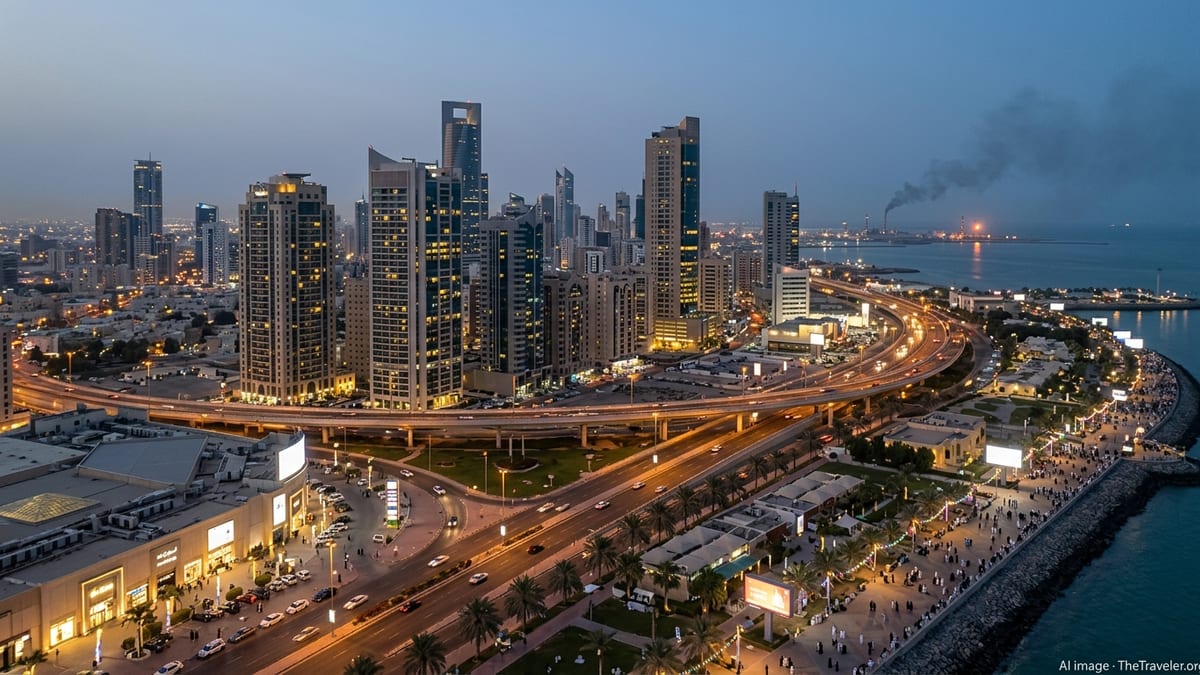
Eid Under Fire in Kuwait, UAE and Beyond
Across Kuwait, the United Arab Emirates and several neighboring states, the festive lights and fireworks that usually mark the end of Ramadan were overshadowed by the flash of interceptions and distant explosions. Published coverage indicates that Iran has mounted a multiday campaign of missile and drone attacks across the region since late February, with several waves coinciding with Eid celebrations.
In Kuwait, reports indicate that drones struck the Mina Al-Ahmadi oil refinery on March 20, igniting fires at the facility just as families gathered for holiday prayers and seaside outings. The attack followed an earlier strike on the same refinery a day before, as well as a series of drone incidents targeting US-linked sites at Port Shuaiba and near Ali Al Salem air base earlier in March. The country’s narrow coastline, lined with refineries, ports and urban districts, has left many residents feeling that industrial and residential life are uncomfortably close to the front line.
To the south, the United Arab Emirates has come under sustained attack since February 28, with open-source tallies citing hundreds of ballistic missiles and more than a thousand drones launched toward Abu Dhabi and Dubai. Most have reportedly been intercepted, but debris and a small number of successful strikes have damaged residential areas, hotels and energy-related infrastructure. Instead of the usual Eid traffic jams around malls and beach resorts, much of the movement in recent days has centered on air-raid alerts, diverted flights and last-minute changes to family travel plans.
Similar patterns have been reported in Bahrain, Qatar, Oman and Saudi Arabia, where Iranian missiles and drones have focused on ports, refineries and desalination plants. That focus on strategic assets has had a direct spillover effect on holiday life, as smoke plumes became visible from popular waterfront promenades and as authorities temporarily adjusted airspace and shipping lanes around key tourist gateways.
Travel Disruptions and a Tourism Sector on Edge
The Gulf’s tourism economies, heavily promoted as safe, ultra-modern destinations for Eid and school holidays, are now facing an unprecedented stress test. Flights have been delayed or rerouted after temporary airspace closures, such as those reported over the UAE during intense exchanges between Iran and Israel. Airlines serving hubs in Dubai, Abu Dhabi and Doha have had to revise schedules, and passengers connecting through the region have endured longer journeys and last-minute gate changes.
Hotel and resort districts that typically advertise all-night Eid festivities have taken on a more subdued tone. In some Gulf cities, shopping centers and beachfront promenades have reduced outdoor entertainment or adjusted hours around periods of heightened alert, according to regional media coverage and traveler accounts shared on social platforms. While many venues remain open, the soundtrack of live music and fireworks has at times been interrupted by the distant thud of interceptors and the whine of fighter jets.
Travel planners and regional analysts warn that the perception of vulnerability, rather than the number of direct hits, may become the most damaging factor for tourism. The Gulf has spent years building a reputation for security and seamless connectivity, positioning cities like Dubai, Abu Dhabi and Doha as stable alternatives to traditional Mediterranean and Southeast Asian holiday spots. With Iran now openly signaling that it can target “tourist destinations” in states it views as hostile, that image is under acute pressure.
For travelers already in the region, the reality on the ground has varied widely by location and timing. Many report routine holiday activities continuing largely as normal, especially during daytime hours, even as they share images of night skies streaked by interceptors. Others describe moving Eid gatherings indoors or away from waterfront districts where smoke or debris from intercepted drones has occasionally been visible.
Energy and Infrastructure Strikes Cast a Long Shadow
The concentration of Iranian attacks on refineries, gas hubs and ports has immediate security implications but also long-term consequences for travel and tourism. In Kuwait, the repeated targeting of Mina Al-Ahmadi has raised questions about the resilience of energy infrastructure situated close to densely populated coastal areas and major road corridors used by commuters and visitors alike.
In Saudi Arabia, an alleged Iranian drone strike on a refinery complex at Ras Tanura on March 2 added to widespread anxiety about potential knock-on effects on global fuel prices and regional shipping routes. Ras Tanura lies along the Gulf coast within driving distance of popular island and beach destinations that attract domestic and regional tourists, particularly during long holiday weekends.
Qatar has also reported significant damage at its Ras Laffan gas hub following drone and missile attacks in early and mid-March, according to international press reporting. While the strikes have focused on industrial infrastructure, the disruption has implications for Hamad Port and nearby logistics corridors that support both cargo and cruise tourism. Industry observers note that any prolonged instability in gas exports could reverberate through airline operations and hospitality sectors that rely on predictable energy supplies and costs.
Meanwhile, in Bahrain, Iranian drones damaged a desalination plant on Qeshm Island that supplies water to the kingdom, highlighting the fragility of critical utilities in an arid region. Environmental and humanitarian experts have warned that further attacks on desalination facilities or power stations could have immediate repercussions for hotels, theme parks and residential districts that host large numbers of visitors during Eid and other peak seasons.
Psychological Toll on Residents and Holidaymakers
Beyond the physical damage, the psychological impact of celebrating Eid under fire is reshaping how many Gulf residents and visitors think about risk. Publicly available information, including social media posts and regional commentary, shows a mix of defiance, fatigue and quiet alarm. Some residents insist on continuing traditional outings to malls, desert camps and seaside parks as a form of resilience. Others describe staying home, keeping children indoors after dark, or postponing planned staycations at high-profile beachfront resorts.
For expatriates and tourists, the contrast can be especially jarring. Many arrived in the Gulf expecting choreographed fireworks displays, neon-lit skylines and late-night outdoor events, only to find themselves checking missile alert apps, watching interception videos and comparing notes on which neighborhoods feel safest. Travel forums now feature practical questions about access to underground parking, proximity to likely targets such as ports and bases, and the reliability of hotel contingency plans.
Regional commentators warn that even if the pace of attacks slows, the sense of vulnerability may linger long after the last drone is intercepted. Repeated air-raid sirens, temporary road closures and the constant hum of military aircraft are shaping childhood memories and holiday rituals. For many families, Eid 2026 will be remembered as the year when children asked whether the “bright lights in the sky” were fireworks or something far more dangerous.
This evolving psychological landscape poses a complex challenge for tourism authorities, which must balance transparent communication about risks with efforts to sustain visitor confidence. Messaging that once focused almost exclusively on luxury and leisure now increasingly includes references to resilience, preparedness and the robustness of local civil defense systems.
What Comes Next for Gulf Travel and Eid Festivities
Strategic analysts following the conflict note that Iran’s campaign across the Gulf appears designed to pressure states hosting US and allied forces, particularly around key ports and air bases. Open-source assessments suggest that, even with interception rates reported as high, Iran retains the capacity to launch large drone swarms that can strain air-defense networks. For the tourism and travel sectors, this means that periods of relative calm may alternate with sudden spikes in risk.
Airlines and tour operators are already adjusting by building more flexibility into schedules, diversifying routings and updating contingency plans for travelers. Some regional carriers have emphasized their ability to reroute flights quickly and to coordinate with multiple hubs, while travel agencies are fielding more questions about insurance coverage, cancellation policies and real-time security information.
Looking ahead to future Eid seasons, hospitality executives and urban planners are likely to rethink the geography of major events and attractions. There may be a gradual shift toward inland venues perceived as less exposed, more investment in hardened infrastructure at coastal resorts, and greater emphasis on crisis communication training for front-line tourism staff.
For now, the Gulf’s famed Eid festivities continue, but under a different sky. Lanterns and LED displays still illuminate shopping avenues and waterfront promenades, yet they share the horizon with the glow of interceptors and the smoke of distant strikes. The region’s ability to preserve its appeal as a holiday destination in the midst of an evolving missile and drone threat will shape not only its tourism fortunes, but also how millions remember this Eid and those to come.