

More news on this day
Ireland has selected the KeolisAmey joint venture as preferred operator for Dublin’s Luas light rail system, a decision that will see the long-running Transdev contract replaced by a multi‑billion‑euro operations and maintenance agreement from later in 2026.
Get the latest news straight to your inbox!
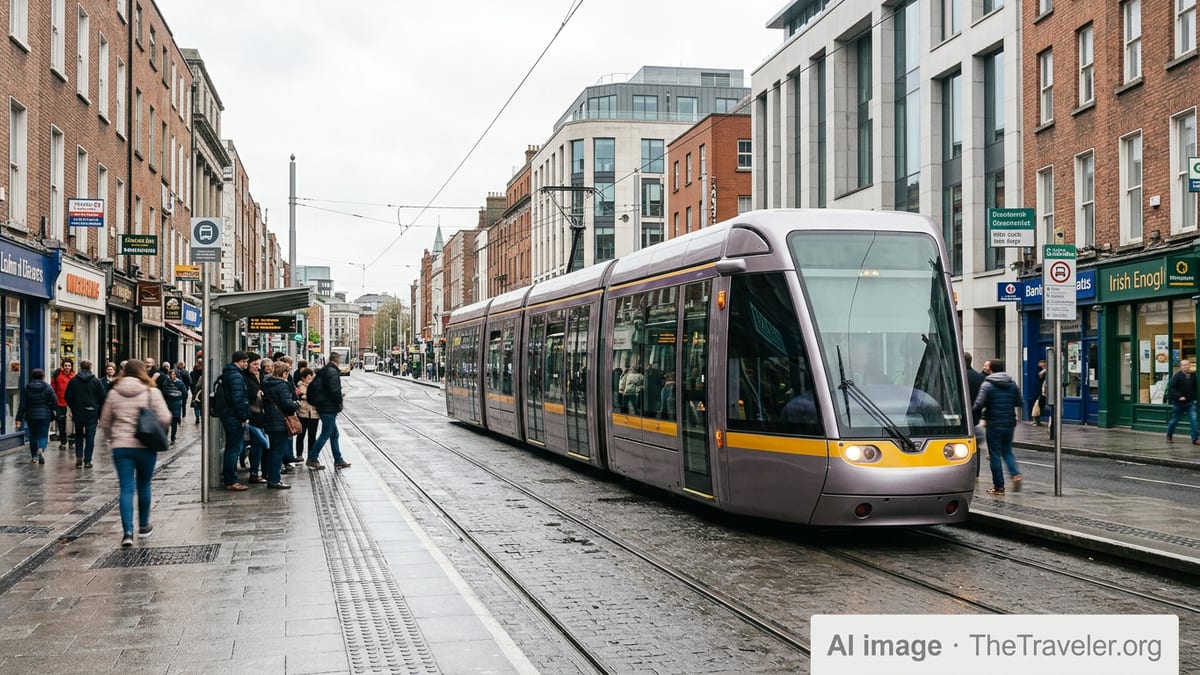
Major Contract Shift for Dublin’s Flagship Tram Network
Publicly available information indicates that Transport Infrastructure Ireland has chosen KeolisAmey, a partnership between French operator Keolis and UK-based infrastructure specialist Amey, as the preferred bidder for the next Luas operating contract. Reports describe the deal as worth about €1.75 billion over its initial term, covering the day-to-day running and maintenance of Dublin’s two-line tram network.
The decision ends a 22-year run for Transdev, which has managed Luas since services began in 2004. Coverage in Irish business media notes that the existing contract is approaching expiry and was retendered through an international competitive process launched in 2023, drawing interest from several major transport groups active in Europe and beyond.
According to published coverage, the new KeolisAmey contract is expected to start in the second or third quarter of 2026, following a standstill period and transition phase. The initial term is reported as seven years, with options that could extend the arrangement by a further five to seven years, aligning with Ireland’s longer-term investment plans for urban rail and sustainable mobility.
What the KeolisAmey Deal Covers
Transport Infrastructure Ireland’s publicly available material on Luas operations shows that the private operator is responsible for a comprehensive package of services, from driving trams and managing control centres to cleaning, customer service and revenue protection, along with routine and life-cycle maintenance of vehicles and infrastructure. The new contract with KeolisAmey is expected to follow a similar model, integrating operations and maintenance in a performance-based framework.
Reports on the tender outcome indicate that the agreement will also encompass periodic overhauls of the tram fleet and key system components, reflecting the age and intensity of use on the network. Luas carried roughly 54 million passenger journeys in 2024, according to recent transport statistics, with ridership having recovered strongly in the wake of the pandemic.
Industry commentary suggests that performance targets for punctuality, reliability, safety and customer satisfaction will remain central to the new contract, supported by financial incentives and penalties. Similar contracts elsewhere in Ireland’s public transport system, such as bus and commuter rail operations, typically combine fixed payments with variable elements linked to service delivery and passenger experience.
Implications for Workers and Passengers
One of the most immediate questions raised by the operator change concerns the future of Luas staff. Reports indicate that employees currently working for Transdev on the Luas contract are expected to transfer to KeolisAmey under Irish and European transfer of undertakings rules, which are designed to safeguard existing terms and conditions when a public service contract moves between companies.
Union commentary quoted in local coverage has highlighted assurances that workers will be protected during the transition, although discussions on detailed arrangements are likely to continue over the coming months. For passengers, officials have previously emphasised in similar contract changes that services should continue seamlessly during the handover, with any changes to branding, uniforms or customer-facing technology introduced gradually.
Recent history on the network shows the stakes involved. Irish transport bulletins record that Luas experienced strong ridership growth in 2024, but also faced isolated service disruptions, including a high-profile Green Line power fault in late 2025 that temporarily halted operations. Observers note that maintaining resilience and rapid incident response will be a key focus area for the incoming operator, particularly as passenger volumes continue to grow.
Strategic Context in Ireland’s Public Transport Landscape
The selection of KeolisAmey for Luas fits into a broader pattern of competitive contracting across Ireland’s publicly owned transport system. Over the past decade, authorities have tendered elements of the Dublin bus network to private operators while retaining overall ownership and planning control through the National Transport Authority and Transport Infrastructure Ireland.
Public documents outlining the National Sustainable Mobility Policy and recent capital investment programmes highlight Luas as a central component of Dublin’s integrated transport network, alongside Dublin Bus, Irish Rail’s DART services and the future MetroLink line. Ongoing asset renewal programmes for Luas track, power systems and rolling stock are intended to keep the system reliable as it moves into its third decade of operation.
KeolisAmey already has experience with complex urban rail systems in the UK, including the Docklands Light Railway in London, and transport analysts note that this background may have strengthened its bid. Published case studies emphasise the joint venture’s expertise in automated and high-frequency metro-style operations, which may become increasingly relevant as Dublin considers further expansions and interfaces between Luas and future rail projects.
Next Steps Before the New Contract Begins
Although KeolisAmey has been identified as the preferred bidder, reports note that a mandatory standstill period applies under procurement rules. During this time, unsuccessful bidders can seek clarifications or consider legal options. Coverage indicates that Transdev is reviewing the outcome and taking legal advice on the tender process, a standard step in large public contracts where significant commercial interests are at stake.
Assuming the award proceeds as planned, a detailed mobilisation phase will follow. This typically involves transferring staff, aligning safety and operating procedures with national regulations, updating control systems and information technology, and preparing joint communication plans with authorities for passengers.
Observers point out that the Luas transition will coincide with other major developments in Dublin’s transport system, including preparatory work for MetroLink and ongoing bus network changes. For regular users of the red and green lines, the most visible changes in the near term are likely to be subtle, such as new corporate logos or updated signage, while the underlying structure of services and fares will continue to be set by Irish transport authorities.