

Alabama has been quietly transforming itself from a regional getaway into one of the most compelling states to visit in the American South. With record visitor numbers in recent years, growing culinary and music scenes, national attention on its beaches and trails, and renewed interest in its civil rights heritage, the question for 2026 travelers is not just whether Alabama is worth visiting, but how to fit its variety into a single trip.
Alabama Tourism in 2026: A State Hitting Its Stride
Alabama’s tourism industry has seen record-breaking growth in the past few years, with nearly 29 million visitors and close to 24 billion dollars in visitor spending reported for 2024. Tourism officials project that momentum to continue into 2026 as infrastructure, events, and destination marketing mature across the state. For travelers, that translates into better services, more lodging options, and a broader range of things to do, from small-town festivals to major sports and music events.
That growth is not limited to one corner of the state. Coastal Baldwin County, anchored by Gulf Shores and Orange Beach, remains Alabama’s biggest draw, but Birmingham, Mobile, Huntsville, Montgomery, and the state parks and small towns in between have all reported rising visitation. This wider geographic spread means visitors can build very different trips within one state, whether they are chasing seafood and sunsets, hiking forested ridges, or following the stories of the civil rights movement.
Importantly for value-conscious travelers, Alabama still tends to be more affordable than many neighboring coastal and mountain destinations. Lodging, dining, and attractions often come in at gentler price points than in Florida or parts of Georgia and Tennessee. That combination of lower costs, growing quality, and a less crowded feel is one of the main reasons Alabama is earning more attention on 2026 travel lists.
Gulf Coast Appeal: Beaches, Trails, and Coastal Towns
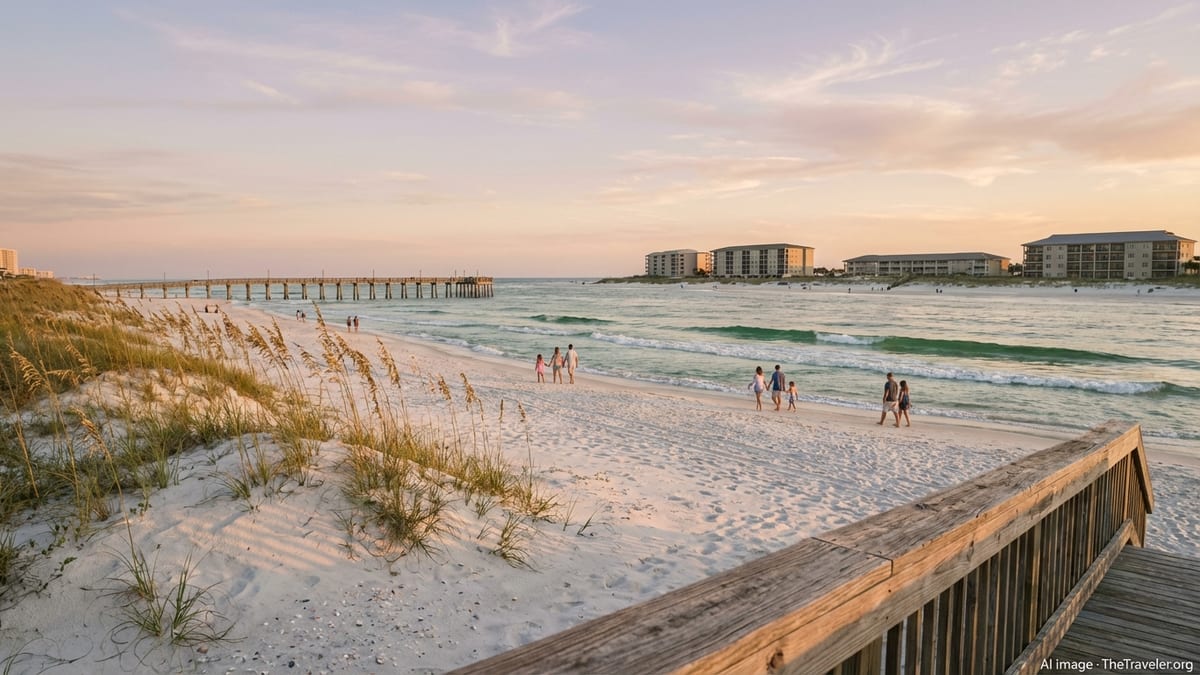
For many visitors, Alabama’s Gulf Coast is the deciding factor in whether the state is worth a trip. The stretch of coastline around Gulf Shores, Orange Beach, and the Fort Morgan peninsula offers wide, sugar-white beaches, warm Gulf waters, and a laid-back atmosphere that feels distinctly different from the high-rise intensity of some Florida resorts. The coastal area attracts millions of visitors each year and continues to invest in lodging, dining, and family-friendly attractions, making it a strong contender for a dedicated beach vacation.
Beyond sunbathing and swimming, Gulf State Park and its surroundings have become a showcase for sustainable coastal recreation. The park protects thousands of acres of dunes, marshes, freshwater lakes, and pine forest, threaded with walking and biking paths. The Hugh S. Branyon Backcountry Trail, a network of more than two dozen trails linking Gulf Shores and Orange Beach, has drawn national praise and repeated recognition on lists of the best recreational trails in the United States. For active travelers, it offers rare access to quiet Gulf Coast ecosystems just minutes from hotels and condos.
The coastal towns also lean into relaxed, family-friendly entertainment. Seafood shacks, marinas, small amusement parks, and live music venues help create evenings that can be as easygoing or as lively as you want them to be. In 2026, sports tourism and tournaments, especially youth and collegiate events, are expected to remain a big part of the calendar, bringing steady energy outside of peak summer. For travelers who want beach time without leaving the United States or paying big-city prices, Alabama’s coast is one of the clearest reasons to put the state on the itinerary.
From Rocket City to Riverfronts: Alabama’s Emerging Cities
Alabama’s cities have undergone notable change over the past decade, and that evolution is accelerating as tourism grows. Birmingham, Huntsville, Mobile, and Montgomery each offer a distinct experience, and together they give Alabama a more urban dimension than many travelers expect.
Huntsville, known as Rocket City for its deep connections to the U.S. space program, has become one of the state’s most dynamic destinations. The U.S. Space & Rocket Center remains the headline attraction, particularly for families and space enthusiasts, and Huntsville’s role in aerospace and defense is expected to deepen as federal facilities expand and related industries grow. Around it, new districts like MidCity are adding hotels, music venues, tech hubs, and entertainment options, turning what was once a primarily work-focused city into a place where visitors can easily fill a weekend with food, culture, and nightlife.
Birmingham, long associated with steel and civil rights history, is now also known for its culinary scene, craft breweries, and revitalized neighborhoods. The city’s farmers markets, food festivals, and chef-driven restaurants have attracted national attention, while sports tourism and major events at its stadiums and arenas bring visitors in throughout the year. Its compact downtown and nearby districts are increasingly walkable, making it easier for visitors to sample art, food, and history in a short stay.
Mobile, on the Gulf Coast, blends port-city grit with graceful historic architecture and one of the country’s oldest Mardi Gras traditions. Investment in a new downtown airport and civic facilities signals an effort to position Mobile as both a cruise and air gateway to the region, and visitor numbers have been trending upward. Montgomery, the state capital, has focused on its riverfront and its powerful civil rights and historical institutions, attracting travelers who want to engage with America’s past in a meaningful way. Together, these cities help ensure that a trip to Alabama does not have to be purely rural or coastal; it can be as urban and cultural as you choose.
Civil Rights, History, and Culture: Traveling with Meaning
Alabama holds a central place in the story of the American civil rights movement, and that history is one of the most compelling reasons to visit in 2026. Montgomery, Birmingham, Selma, Tuskegee, and other communities host memorials, churches, courthouses, and museums that document key moments in the struggle for racial justice. Walking these streets and sites is a very different experience from reading about them, and for many visitors, it is the emotional core of their time in the state.
In Montgomery, institutions devoted to the legacy of slavery, lynching, and civil rights are reshaping how visitors connect with the past. The city provides context for events that unfolded in its streets, from bus boycotts to landmark legal cases. In Birmingham, former battlegrounds of segregation are now centers of interpretation and education, with parks, museums, and historic churches offering guided and self-guided experiences. Selma’s bridges and streets remain powerful symbols for travelers tracing the route of the voting rights movement.
Beyond civil rights, Alabama also preserves older layers of history. Coastal forts recall centuries of strategic importance at the mouth of Mobile Bay. Small towns maintain antebellum and early 20th-century architecture, while agricultural regions tell quieter stories of cotton, timber, and rural life. In 2026, many of these historic sites are working to balance preservation with more inclusive storytelling, highlighting the experiences of groups that were once overlooked. For travelers who seek trips with depth and reflection, Alabama’s historic landscape can be as impactful as its beaches and mountains.
Outdoors Beyond the Coast: Mountains, Lakes, and Trails
While the Gulf Coast garners much of the attention, inland Alabama offers an underappreciated mix of mountains, forests, waterfalls, and lakes. For road trippers and outdoor enthusiasts planning 2026 adventures, this side of the state might be the biggest surprise.
In the north and northeast, the foothills of the Appalachian Mountains roll into Alabama, creating scenic drives, hiking trails, and state parks with overlooks and waterfalls. Lookout Mountain, Little River Canyon, and other protected areas offer hiking, paddling, and rock formations in a landscape that feels more like neighboring Georgia and Tennessee than many expect. Natural rock bridges, sandstone cliffs, and deep river gorges are all within a few hours’ drive of the major cities.
Near Birmingham, Oak Mountain State Park stands out as the state’s largest park and a versatile playground for hiking, trail running, mountain biking, fishing, and camping. Farther afield, lakes and reservoirs provide boating, fishing, and houseboat getaways without the crowds of some better-known regional lakes. As Alabama leans into its “Year of Trails” branding and similar campaigns, more wayfinding, maintained paths, and promotional efforts are making these natural assets easier for first-time visitors to discover.
If your ideal 2026 vacation involves mornings on a trail and evenings in a small town or mid-sized city, Alabama is increasingly capable of delivering that blend. The infrastructure is less built out than in some national park destinations, but that also means fewer lines, more flexibility, and room to feel like you have discovered something before it becomes widely famous.
Food, Festivals, and Local Flavor
No evaluation of whether Alabama is worth visiting would be complete without considering what you will eat and how you will spend your evenings. Across the state, food has become a major driver of tourism, from coastal seafood and oyster houses to barbecue, meat-and-three diners, and refined takes on Southern classics in Birmingham and Huntsville. Chefs and restaurateurs increasingly highlight local seafood, seasonal produce, and regional traditions, creating a culinary scene that rewards both casual grazers and dedicated food travelers.
Festivals and events help bring that food and culture together. Coastal seafood festivals, barbecue competitions, and farmers markets showcase regional ingredients and local producers. In Birmingham and Mobile, multi-day food and culture events draw visitors from across the Southeast, pairing dining with live music, demonstrations, and neighborhood tours. Smaller towns host fairs, bluegrass gatherings, and seasonal celebrations that can become memorable anchor points in a road trip itinerary.
Music is another thread that ties Alabama’s experiences together. From live bands in Gulf Shores and Orange Beach to concert series in Huntsville’s emerging entertainment districts and historic theaters in cities like Birmingham and Mobile, visitors will find plenty of opportunities to hear regional sounds. These events are often priced more accessibly than in larger metros, which can make it easier to sample multiple venues over the course of a stay.
By 2026, Alabama’s calendar of festivals, concerts, and food events is expected to be both fuller and more evenly spread throughout the year, reducing the sense that there is only one “right” season to visit. For travelers who enjoy planning trips around tastes and sounds, the state offers a satisfying, if sometimes underrated, lineup.
Practical Considerations: Costs, Logistics, and Timing
From a practical standpoint, Alabama is relatively easy to include in 2026 travel plans. Major interstate highways run north-south and east-west through the state, making road trips from neighboring states straightforward. Air access continues to improve through regional airports in Birmingham, Huntsville, Mobile, and nearby hubs in surrounding states, with ongoing investments in airport infrastructure aimed at attracting more routes and carriers over the next few years.
Costs are a key advantage. While peak-season beachfront rentals can still be expensive, many inland destinations, mid-range hotels, and vacation rentals are more affordable than those in some competing regions. Dining, local transportation, and attraction tickets often feel gentler on the wallet as well, especially outside of the most heavily touristed summer weeks on the coast. Travelers willing to visit in shoulder seasons such as late spring or early fall can often find particularly good value.
Weather is a mixed factor that visitors should plan around. Summers are hot and humid, especially in the interior, and the Gulf Coast is subject to hurricane season from roughly June through November. Spring and fall tend to offer the most comfortable conditions for hiking and city exploration, though they can also be popular months for events and conferences. Winter is usually mild by national standards, and while some attractions operate on reduced schedules, this season can appeal to travelers seeking lower prices and fewer crowds.
Safety and infrastructure are broadly comparable to other Southern states. Travelers should take standard precautions in cities and during severe weather, particularly along the coast. On the positive side, Alabama’s emphasis on tourism as an economic engine has led many communities to improve signage, wayfinding, visitor information centers, and downtown streetscapes, making navigation easier for first-time visitors.
The Takeaway
So is Alabama worth visiting in 2026? The evidence strongly suggests that it is, especially for travelers who value variety, authenticity, and affordability over marquee-name destinations. The state combines nationally recognized beaches and trails with serious historic and cultural weight, notably in its civil rights sites, while its cities are evolving into more rounded, visitor-friendly places with real personality.
Alabama is not a polished theme park version of the South, and that is part of its appeal. Some areas still feel emerging rather than fully developed, and travelers looking for luxury shopping boulevards or dense clusters of five-star hotels may find more options in neighboring states. But for families chasing Gulf sunsets, couples in search of a road trip that mixes food and history, outdoor enthusiasts exploring new trails, or space buffs drawn to Rocket City, Alabama delivers experiences that are distinctive, memorable, and often better value than more famous alternatives.
In 2026, the state’s record tourism growth is likely to continue as more visitors recognize what Alabama offers. If you are willing to look beyond old stereotypes and approach it with curiosity, you will find a destination that feels both rooted in its past and quietly confident about its future.
FAQ
Q1. Is Alabama a good destination for first-time visitors to the American South?
Yes. Alabama offers a compact introduction to Southern beaches, food, music, and civil rights history, making it a strong choice for first-time regional visitors.
Q2. When is the best time of year to visit Alabama?
Spring and fall are generally the most comfortable, with milder temperatures and lower humidity, though summer is ideal for beach trips and winter brings lower prices.
Q3. Are Alabama’s Gulf Coast beaches really comparable to Florida’s?
Alabama’s Gulf Coast shares the same sugar-white sand and warm waters found in parts of Florida, but often feels slightly less crowded and a bit more relaxed.
Q4. Is Alabama safe for tourists in 2026?
Overall, Alabama is as safe as most U.S. states for visitors. Using standard urban and weather-related precautions is usually sufficient for a smooth trip.
Q5. Can I explore Alabama without renting a car?
It is possible in certain cities, but a car greatly increases flexibility. Public transport is limited outside urban cores, and many natural sites are best reached by road.
Q6. Is Alabama suitable for a family vacation?
Yes. The combination of beaches, space and science attractions, state parks, and family-friendly museums makes Alabama well suited to multi-age family trips.
Q7. How many days do I need to see the highlights of Alabama?
A long weekend works for one city or the coast, but five to seven days allows you to combine beaches, a major city, and key historic or outdoor sites.
Q8. Is Alabama a good option for budget travelers?
Generally yes. Lodging, dining, and attractions often cost less than in many neighboring states, especially outside peak coastal seasons.
Q9. What should I pack for a trip to Alabama?
Lightweight clothing for heat and humidity, comfortable walking shoes, sun protection, and a light layer for cooler evenings or air-conditioned interiors are useful.
Q10. Does Alabama offer enough for travelers who are not interested in beaches?
Absolutely. Inland Alabama has space and science centers, civil rights landmarks, growing food scenes, and mountain and lake landscapes that reward non-beach travelers.