

Alaska sells a powerful promise. Marketed as the Last Frontier, it conjures images of grizzly bears on salmon rivers, midnight sun over jagged peaks, and glaciers calving into icy fjords. At the same time, record visitor numbers, crowded ports and climate change are reshaping this vast northern state. For travelers planning a dream trip, a natural question follows: is Alaska now overhyped, or does it still qualify as the ultimate wilderness adventure?
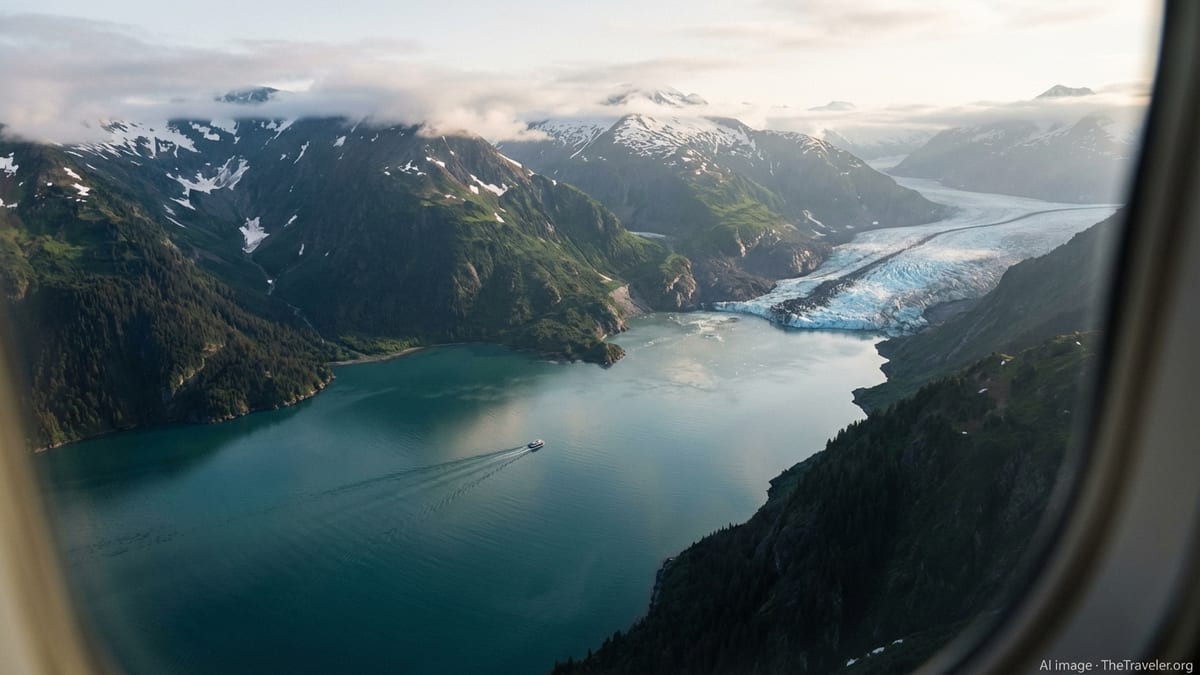
The Myth and Reality of “The Last Frontier”
The idea of Alaska as an untouched frontier is part romance and part reality. With a landmass more than twice the size of Texas and a relatively small population, much of the state remains roadless and sparsely inhabited. From the Brooks Range in the Arctic to the fjords of Southeast, there are huge swaths of country where you could hike for days without seeing another person. For travelers willing to venture beyond the cruise dock or highway pullout, genuine solitude is still possible.
Yet Alaska is not a time capsule. Towns like Juneau, Anchorage and Fairbanks are modern hubs, with busy airports, cruise terminals and infrastructure to move millions of visitors a year. That development has opened up landscapes that once required serious expedition skills to reach. Today, you can step off a ship in the morning, board a helicopter or floatplane and be standing on a glacier an hour later. The access is astonishing, but the experience no longer feels like discovering a secret.
Understanding this duality is key to deciding whether Alaska is “overhyped.” The state is no longer the unknown frontier of early 20th century exploration, yet by almost any global measure it remains one of the wildest places you can visit without a full-scale expedition. The gap between the marketing slogan and the lived experience tends to appear in the busiest, most promoted corners of the state rather than the backcountry that still stretches far beyond the road system.
Tourism Boom: Crowds in the Land of Space
Recent years have brought a pronounced tourism boom. Visitor data for the 2024–2025 season show more than three million people traveling to Alaska, with the majority arriving between May and September and more than half coming by cruise ship. Summer days in some ports now feel more like a bustling theme park than a remote outpost, particularly when multiple mega-ships disgorge thousands of passengers at once.
Juneau, the state capital, has become a symbol of this surge. The city has hosted well over one and a half million cruise passengers in a single season, prompting local officials to negotiate daily caps on ship arrivals. Anchorage and other Southcentral ports have likewise reported record or near-record traffic, with airport passenger counts and cruise capacity steadily climbing. For business owners and seasonal workers, the boom is welcome. For residents dealing with clogged streets, noise from constant flightseeing helicopters and pressure on local trails, it can feel like too much of a good thing.
For travelers, the result is that parts of Alaska in peak season no longer feel empty. Historic downtowns, iconic viewpoints and easily reached glacier lookouts can be shoulder to shoulder at midday. Lines for popular excursions are longer, and independent travelers sometimes find that rental cars, lodging and guided trips sell out months in advance. None of this cancels out the grandeur of the place, but it does challenge the expectation of effortless solitude that the “Last Frontier” brand implies.
Is Overtourism Ruining the Experience?
Whether Alaska feels overhyped often comes down to where, when and how you travel. In Southeast Alaska, national parks and marine corridors see intense seasonal pressure. Glacier Bay National Park and Preserve, Kenai Fjords National Park and other marquee destinations now welcome far more cruise passengers and tour boats than they did even a decade ago. Visitor seasons have stretched from late April into mid-October, and spring and fall, once relatively quiet, are increasingly busy.
This concentration produces classic overtourism symptoms in specific hotspots. Trails near cruise ports can be crowded with day hikers. Whale-watching boats sometimes cluster around the same pod of humpbacks. Popular glacier viewpoints may feel like outdoor amphitheaters, with buses cycling visitors in and out on a tight schedule. In response, communities like Juneau have set limits on daily cruise passenger numbers and are experimenting with dispersing visitors to lesser-known sites and times of day.
At the same time, the very scale of Alaska still keeps many regions far from overrun. Away from major ports and highway-accessible parks, visitation drops sharply. National park units in the Arctic and interior receive a small fraction of the crowds seen in more famous parks in the lower 48. Even on the road system, travelers who are willing to start early, stay late or hike beyond the first viewpoint often find the quiet they imagined. In this sense, overtourism is real but highly localized, and careful trip planning can avoid most of the worst bottlenecks.
Wilderness on a Spectrum: How Wild Does It Feel Today?
Judging Alaska’s wilderness quality depends on your baseline. If you are used to heavily developed mountain regions elsewhere, even busy Alaskan parks can feel remarkably wild. Glaciers still carve their way to the sea, salmon runs still draw bears to riverbanks, and weather regularly reminds visitors that nature is in charge. In many coastal and interior areas, cell coverage drops out quickly, trail signage is minimal, and distances between services are long.
Conversely, if your expectation is total isolation and self-reliance, parts of modern Alaska may feel surprisingly managed. Scenic drives come with frequent pullouts and interpretive panels. Well-trod trails near Denali, Seward and Juneau have clear markers, bear-awareness signs and ranger presence in high season. Sightseeing flights follow established routes, and cruise excursions operate with streamlined efficiency. Much of this infrastructure has evolved to keep visitors safe and minimize accidental impacts on wildlife and fragile tundra.
Wilderness in Alaska today is best understood as a spectrum. At one end are heavily trafficked cruise ports and roadside viewpoints where you will share the scenery with many others. In the middle lie the classic backcountry hikes, paddle trips and drive-in campgrounds where you might see a handful of people each day. At the far end are remote river systems, mountain ranges and Arctic coasts accessible only by bush plane or boat charter, where human footprints are rare. Travelers can still choose which slice of that spectrum they want to experience.
The Climate Question: Glaciers, Wildlife and a Changing Frontier
A major factor in any honest assessment of Alaska today is climate change. The state has been warming faster than the national average, and the signs are everywhere. Glaciers that once flowed close to visitor centers in the 20th century have retreated dramatically, with some pulling so far back that former viewing platforms now face bare rock or lakes. In Juneau, the Mendenhall Glacier has become both a tourism icon and a case study in rapid change, with recurring glacial lake outburst floods tied to a shrinking ice mass.
Permafrost thaw is reshaping parts of the Arctic and interior, slumping ground, altering drainage and complicating road maintenance. Coastal communities face increased erosion as sea ice that once protected shorelines forms later and melts earlier. Wildlife patterns are shifting too. Some caribou herds and salmon runs are under stress from warming waters, changing precipitation and human development, with direct implications for Indigenous communities whose subsistence lifestyles depend on these species.
For visitors, this means that the Alaska they encounter today is not the same one captured in older guidebooks and documentaries. Certain glaciers are smaller or harder to access; some iconic ice features have vanished entirely. Late-summer landscapes may be greener, wetter or smokier, depending on wildfire conditions. At the same time, climate impacts can make the wilderness feel more immediate and fragile. Instead of undercutting the experience, this shifting reality often leaves travelers with a more complex, bittersweet appreciation of the place and its future.
Access, Comfort and the Social Media Effect
Another reason some travelers come home calling Alaska overhyped is that the trip can feel surprisingly packaged. Decades of investment have made it easy to experience headline attractions on a tight schedule. Large-ship cruises offer weeklong itineraries that cover glaciers, wildlife viewing and picturesque towns, all without guests ever having to handle their own logistics. Shore excursions are designed to hit maximum highlights in minimum time, from sled dog demonstrations to whale watching and short hikes.
Social media amplifies the sense of déjà vu. Certain viewpoints, boardwalks and docks now appear constantly on travel feeds, often in near-identical framing. Travelers who follow these accounts may arrive with expectations shaped more by curated images than by the reality of unpredictable weather, fogged-in flights or rainy days that blur the mountains. When the trip does not match the glossy version, disappointment can lead to accusations that Alaska has been oversold.
Yet the same infrastructure and connectivity that streamline mass tourism can also empower more independent adventure. Reliable regional flights, local guiding companies and detailed online information make it more feasible than ever to craft a custom itinerary into less visited corners of the state. The key is resisting the urge to replicate exactly what everyone else is doing and instead seeking experiences, seasons and locations that align with your own tolerance for uncertainty and remoteness.
Cost, Value and Expectations
Alaska has long been an expensive destination, and recent inflation has only sharpened that reality. Industry analyses suggest that a typical weeklong trip can easily reach several thousand dollars per person, especially in the peak summer season when accommodation, car rentals and excursions are in highest demand. Cruise fares may appear more affordable at first glance, but onboard expenses and premium shore tours add up quickly.
High costs raise the stakes for travelers. When people invest a significant share of their vacation budget into a single trip, they often arrive with sky-high expectations. If weather cancels a flightseeing tour, wildlife proves elusive or crowds feel overwhelming at a marquee glacier, some visitors understandably feel that Alaska did not live up to the price tag. Reviews that frame the state as overhyped sometimes stem less from the place itself than from a gap between marketing promises and what any real-world destination can deliver.
On the other hand, many travelers report that Alaska offers good value when measured in once-in-a-lifetime experiences. Watching humpback whales bubble-net feeding, flying over an icefield at sunset or paddling a mirror-calm bay framed by snowcapped peaks can feel priceless, even if the invoice is not. The key is building flexibility into your itinerary, budgeting for weather contingencies and recognizing that Alaska’s drama and unpredictability are part of what you are paying for.
How to Experience the “Ultimate Wilderness Trip” Today
If your goal is to tap into Alaska’s wilder side rather than its most polished tourist façade, planning with intention makes a significant difference. One of the most effective strategies is to travel in the shoulder seasons of late May or early September. During these periods, you may still see snow on the mountains, active wildlife and long days, but with fewer ships in port and slightly lower prices. Some services scale back outside peak season, so research is essential, yet the trade-off in quieter trails and less crowded viewpoints can be substantial.
Another lever is your choice of base and activities. Opting for smaller coastal communities, interior towns or wilderness lodges rather than the most famous ports can instantly shift the tone of your trip. Backcountry hiking, river rafting, sea kayaking and multi-day camping or cabin stays move you beyond the standard sightseeing loop. Working with reputable local guides who specialize in small-group or custom trips unlocks areas that independent travelers might struggle to access safely on their own.
Finally, calibrate your definition of “ultimate wilderness.” In Alaska, true isolation usually requires time, money and a higher tolerance for discomfort. Bush-plane drop-offs into remote valleys, self-supported river journeys or extended backpacking routes demand careful preparation and the willingness to accept that weather or wildlife may alter your plans. For many travelers, a hybrid approach works best: a mix of comfortable base towns and lodges combined with one or two thoughtfully chosen forays into deeper backcountry, creating a balance between accessibility and adventure.
The Takeaway
So, is Alaska overhyped or still the ultimate wilderness trip? The honest answer is that it can be either, depending on your expectations and choices. Certain corners of the state now feel undeniably crowded and commercial, especially at the height of summer around major cruise ports and headline attractions. Climate change is reshaping glaciers and ecosystems, while rising costs and social media amplification can leave some visitors feeling that the dream promised in glossy brochures has slipped out of reach.
Yet even with those caveats, Alaska remains extraordinary by global standards. Few other destinations offer such expansive, relatively intact landscapes, where large predators still roam, salmon still surge upriver and miles of country remain trackless and quiet. For travelers willing to plan carefully, travel thoughtfully and embrace a measure of unpredictability, the state still delivers visceral encounters with wildness that are hard to find elsewhere.
In the end, the question may be less whether Alaska is overhyped and more whether we are willing to adjust our own narratives. Instead of expecting a perfectly curated frontier untouched by modern life, approaching Alaska as a living, changing place invites deeper engagement. That perspective shift, combined with smart trip design, can transform a heavily marketed destination back into what it has always been at heart: a vast, challenging and deeply rewarding landscape on the edge of the continent.
FAQ
Q1. Is Alaska still worth visiting if I hate crowds?
Yes, but you will need to plan carefully. Avoid peak dates in July and early August, steer clear of the busiest cruise ports at midday, and prioritize smaller communities, shoulder seasons and backcountry or small-group trips to find quieter experiences.
Q2. When is the best time to visit Alaska for a less crowded wilderness feel?
Late May, early June and early September typically offer fewer visitors than peak summer. You may encounter cooler weather and some seasonal closures, but trails, viewpoints and excursions are often noticeably less busy.
Q3. Are Alaska’s glaciers disappearing so fast that it is “too late” to see them?
Many glaciers are retreating quickly, but substantial ice remains in coastal fjords and mountain ranges. You can still see impressive tidewater glaciers and icefields; just be aware that some well-known valley glaciers are smaller and farther away than older photos suggest.
Q4. Do I have to take a cruise to experience Alaska?
No. While cruises are a popular option, you can also explore by road, rail, ferry, small ship, or a mix of these. Independent land-based trips can provide more flexibility and a stronger sense of being in local communities and landscapes.
Q5. How expensive is an Alaska trip compared with other major destinations?
Alaska is generally on the higher end of the price spectrum, especially during peak season. Expect higher costs for lodging, transportation and excursions than in many lower 48 destinations, and budget extra for weather-related changes or last-minute opportunities.
Q6. Can I still find true solitude in Alaska without extreme expedition skills?
Yes, in many areas. Multi-day hikes on established but less famous trails, guided rafting or kayaking trips, and stays at remote lodges accessible by small plane or boat can all offer a strong sense of solitude without requiring technical mountaineering experience.
Q7. Is Alaska safe for inexperienced wilderness travelers?
With sensible precautions and respect for local guidance, yes. Stick to marked trails, follow bear safety advice, check weather forecasts, and consider guided outings for more remote or challenging terrain. The main risks usually come from underestimating distances, conditions and wildlife.
Q8. How is climate change likely to affect my Alaska trip in the next few years?
You may notice smaller or more distant glaciers, wetter or smokier summers in some regions, and shifting wildlife patterns. Trip plans that build in flexibility, avoid over-tight schedules and include backup activities for poor weather are increasingly important.
Q9. Are locals generally welcoming to tourists despite overtourism concerns?
In most communities, tourism is a vital economic engine and visitors are welcomed, especially those who are respectful, curious and supportive of local businesses. Tensions tend to center on congestion and noise, not on tourism as a whole, so traveling thoughtfully goes a long way.
Q10. What kind of trip should I plan if I want Alaska to feel like the “ultimate wilderness” for me?
Define what wilderness means to you, then design your itinerary around that vision. For some, it might be a remote lodge and daily hikes; for others, a small-ship cruise, a river journey or a backpacking route with few people. Prioritize time in nature over constant moving, and allow space for weather, serendipity and the unexpected.