

Alaska has long captured travelers’ imaginations with its glaciers, wildlife, and vast, unspoiled landscapes. In 2026, demand for trips to the Last Frontier remains strong, particularly for cruises and summer adventures. At the same time, recent bear encounters near Anchorage, serious wildlife-vehicle collisions, and reminders of Alaska’s seismic activity have put safety questions on many travelers’ minds. Is Alaska actually safe for tourists in 2026? The answer is that it generally is, provided visitors understand the risks unique to this northern state and take basic precautions on the trails, the roads, and the water.
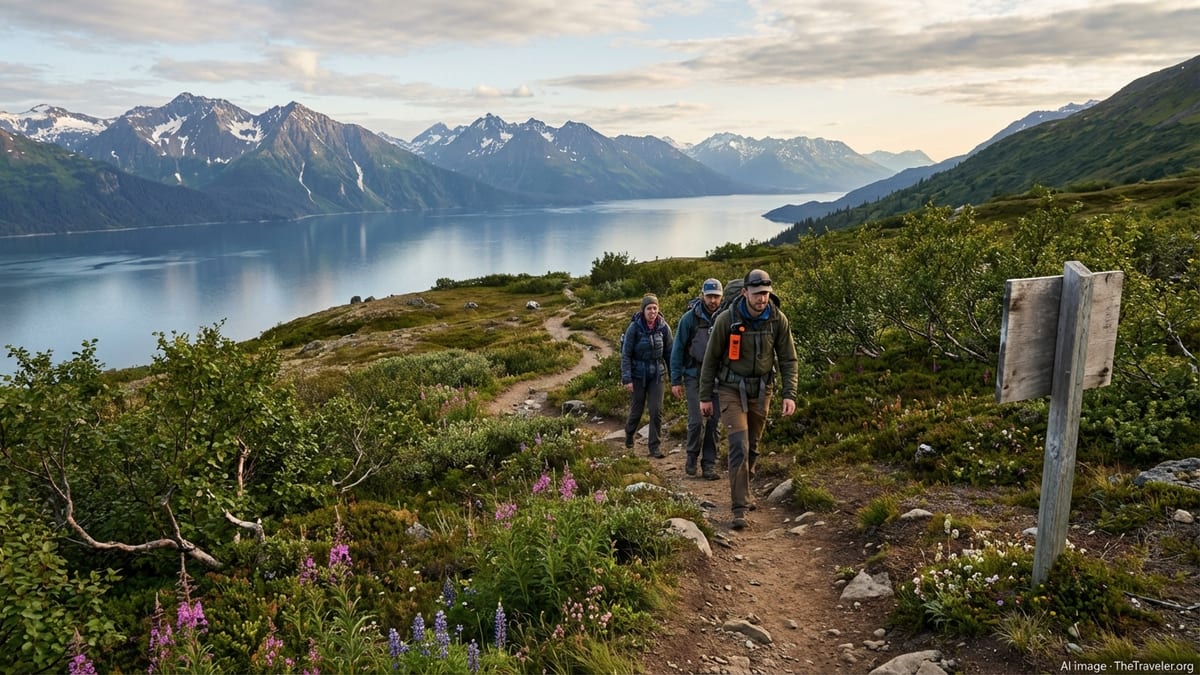
How Safe Is Alaska Overall for Visitors in 2026?
For most travelers, Alaska remains a safe destination in 2026, especially in popular hubs such as Anchorage, Juneau, Fairbanks, and the main cruise ports. Each year, hundreds of thousands of visitors explore national parks, ride tour buses, join guided excursions, and sail along the Inside Passage with relatively few serious incidents. Tourism infrastructure in the most visited regions is mature, and local outfitters are accustomed to managing risk in challenging conditions. When problems do occur, they are more likely to involve weather, terrain, or wildlife than violent crime.
Alaska does have a higher overall crime rate than the United States average, driven largely by issues within some local communities rather than by crimes against visitors. In city centers, the same common-sense practices that apply in other American cities are appropriate: be aware of your surroundings, avoid leaving valuables visible in parked vehicles, and stay in well-lit, populated areas at night. Most tourist itineraries focus on well-trafficked locations where police presence and community familiarity with visitors help keep problems limited.
In 2024 and 2025, the state did see headline-making incidents involving bears near Anchorage-area trails and a fatal collision with a moose near Denali National Park. These events highlight that the primary safety challenges for visitors are Alaska’s natural elements: large wildlife, rugged terrain, long distances, and occasionally volatile weather and geology. Recognizing these realities and planning around them is far more important for most travelers than worrying about human-caused dangers.
Local authorities, the National Park Service, and state agencies continue to update and circulate safety guidance, especially around bears and moose, backcountry travel, and road conditions. Travelers who pay attention to advisories and follow basic instructions tend to have trouble-free trips, even when venturing far from urban areas. In short, Alaska in 2026 is safe for tourists who respect the environment and prepare realistically for conditions that differ from those in more temperate destinations.
Wildlife Risks: Bears, Moose, and Other Encounters
Wildlife viewing is one of the great draws of an Alaskan vacation, but it is also a key source of risk. All of Alaska is considered bear country, and both black bears and brown or grizzly bears live in areas that visitors frequent, including near Anchorage and along popular hiking trails. In 2024 and 2025, Anchorage officials warned hikers after multiple bear maulings near salmon streams and forested trails close to the city, underscoring how close urban life and wild habitats sit to one another.
Experts emphasize that most bear encounters do not result in attacks and that bears typically prefer to avoid people. Safety agencies recommend that hikers make noise, travel in groups, and stay alert rather than using headphones on the trail. Carrying bear spray and knowing how to use it correctly is widely encouraged. Recent advisories from parks and state agencies continue to highlight the importance of keeping food and scented items secured, maintaining clean campsites, and avoiding areas with active salmon runs or dense berry patches when bears are feeding heavily.
Moose, while herbivores, are also a significant hazard. They can weigh more than 1,000 pounds and may act aggressively if they feel threatened, especially cows with calves. In 2025, a visitor was killed when a vehicle collided with a moose near the entrance to Denali National Park, and similar collisions occur in low-light conditions on highways across the state. On foot, officials advise giving moose generous space and watching for signs of agitation such as flattened ears or raised hackles. Unlike bears, it is acceptable to run from a charging moose if you can reach cover such as a vehicle or large tree.
For most wildlife experiences, guided tours significantly reduce risk. Professional guides are trained in animal behavior, know recent patterns in local bear and moose activity, and carry deterrents and communication devices. Whether you are photographing brown bears on the Katmai coast, hiking near Anchorage, or driving along the Seward Highway, following posted signs, listening to local advice, and remaining aware of your surroundings will dramatically increase your safety in Alaska’s living wilderness.
Weather, Terrain, and Natural Hazards
Alaska’s scale and latitude mean that natural hazards go beyond wildlife. Rapidly changing weather, cold water, glaciated terrain, and seismic activity all present challenges that visitors should treat with respect. Summer may feel mild in town, but temperatures can drop quickly at higher elevations or when wind and rain move in. Hypothermia is possible even in the warmer months if travelers are unprepared for wet, windy conditions, particularly during boat trips or glacier hikes.
Cold water is a serious, sometimes underestimated risk. Whether kayaking in coastal fjords, taking small-boat wildlife tours, or fishing on rivers and lakes, wearing properly fitted life jackets and understanding the dangers of sudden immersion are crucial. Tour operators in Alaska generally adhere to strict safety standards, providing flotation devices and monitoring weather forecasts closely. Independent travelers should adopt the same level of caution and avoid venturing onto the ocean, rivers, or remote lakes in questionable conditions or with inadequate gear.
Alaska also lies in a seismically active region. In July 2025, a magnitude 7-range earthquake off the southern coast triggered a tsunami advisory and brief warnings for some communities along a several-hundred-mile stretch of shoreline. While this event did not produce major damage, it reminded residents and visitors alike that earthquakes and tsunamis are part of the region’s risk profile. Coastal communities and ports regularly conduct preparedness drills, and siren systems and local emergency broadcasters are designed to alert people quickly when necessary.
Terrain adds another layer of complexity. Trails can be steep, muddy, or snow-covered even in early summer. Glaciers conceal crevasses, and river crossings may be deeper and swifter than they appear. Many serious backcountry incidents in Alaska involve experienced hikers and climbers who underestimated conditions far from roads or rescue services. For most visitors, choosing activities that match your fitness and experience level, booking certified guides for glacier and backcountry travel, and carrying basic safety equipment such as maps, communication devices, and extra clothing reduces the likelihood that natural hazards will turn an adventure into an emergency.
Road, Air, and Cruise Travel Safety
Alaska’s limited road network, heavy reliance on small aircraft, and booming cruise industry shape how tourists move around the state and what risks they face. The major highways connecting Anchorage, Fairbanks, Denali, and the Kenai Peninsula see heavy summer traffic from rental cars, RVs, and tour buses. Moose and other wildlife often wander onto the roads, particularly at dawn, dusk, and at night, when visibility is poor. Authorities urge drivers to use high beams when safe, obey speed limits, and avoid driving when fatigued.
Road conditions can vary, with construction zones, gravel stretches, and sudden weather changes affecting traction. Visitors who are unaccustomed to long-distance driving on rural highways may find it tiring, especially when combining sightseeing with substantial daily mileage. Planning realistic driving days, taking frequent breaks, and avoiding alcohol before driving are important steps in staying safe. In winter and shoulder seasons, the bar for safe self-driving rises sharply due to ice, snow, and limited daylight.
Small aircraft play a central role in Alaskan tourism, from flightseeing around Denali and glaciers to air taxis serving remote lodges and villages. Aviation in Alaska has historically carried higher risks than in many other U.S. states because of terrain and weather, but safety culture and regulation are strong, and operators serving mainstream tourism routes tend to emphasize conservative decision-making. Travelers can improve their safety by choosing reputable companies, being willing to accept last-minute weather cancellations, and asking basic questions about aircraft type, safety briefings, and emergency gear.
On the water, the cruise sector is thriving. In recent seasons, Juneau and other ports have seen record cruise passenger numbers, prompting local authorities to cap daily ship and passenger counts starting in 2026 to manage crowding. From a safety perspective, large cruise ships are tightly regulated, and serious accidents are rare. Common issues are more mundane: slips on wet decks, minor illnesses, or occasional disruptions due to fog or storms. Shore excursions run by established operators typically include safety briefings, life jackets for boating tours, and clear guidelines for wildlife viewing. Travelers who disclose medical conditions, follow instructions, and avoid risky behavior around railings or in rough seas are unlikely to encounter serious problems at sea.
Crime, Alcohol, and Urban Safety Concerns
Crime in Alaska frequently appears in national statistics because some communities struggle with high rates of assault and substance abuse. However, crimes that directly affect tourists tend to be limited and concentrated in certain urban areas, as in many U.S. states. Anchorage, Fairbanks, and Juneau are accustomed to hosting visitors and large cruise crowds. In the downtown cores and near port areas, the main risks are petty theft, vehicle break-ins, and alcohol-related disturbances at night.
Standard city travel precautions apply. Keep wallets and phones secure, avoid flashing large amounts of cash, lock vehicles, and do not leave bags or camera gear unattended. Late at night, especially around bars, situational awareness matters. Traveling with companions, using reputable taxis or ride services where available, and choosing central accommodations with good reviews can all help reduce exposure to petty crime or disorderly behavior.
Alcohol is deeply woven into aspects of Alaskan social life, from craft breweries to fishing-lodge cocktail hours. Visitors should be mindful of how drinking interacts with other risks in the state, such as cold water, wildlife, and driving. Incidents involving intoxicated hikers, boaters, or drivers are a recurring concern for local authorities. Moderation, planning designated drivers, and avoiding alcohol before outdoor activities go a long way toward preventing otherwise avoidable emergencies.
In remote communities, cultural norms may differ from those in larger American cities, and resources such as police coverage and medical facilities can be more limited. Tourists who behave respectfully, follow local guidance, and avoid intrusive or insensitive behavior rarely encounter problems. Overall, while it is important to recognize that Alaska is not immune to crime, most visitors who exercise common sense will experience the state as welcoming and safe.
Emergency Services, Medical Care, and Preparedness
Another factor in evaluating Alaska’s safety for tourists in 2026 is the availability of emergency and medical services. Major hubs such as Anchorage, Fairbanks, and Juneau have modern hospitals and clinics capable of handling a wide range of injuries and illnesses. Smaller towns along cruise routes or popular highways typically have basic clinics or urgent-care facilities, often supported by air ambulance services for more serious cases. In true wilderness areas, however, professional help may be many hours away.
Search and rescue operations in Alaska frequently involve coordination among the Alaska State Troopers, National Park Service, local fire departments, and volunteer groups. Helicopters, fixed-wing aircraft, and boats are commonly used, particularly for incidents in national parks, mountain ranges, and along remote coastlines. Authorities encourage visitors to help themselves by filing trip plans, carrying satellite communication devices where there is no cell coverage, and understanding that bad weather can delay rescue efforts even when responders know your location.
Travel insurance that covers medical evacuation can be valuable for itineraries that include remote lodges, expedition cruises, or independent backcountry trips. A serious injury in the backcountry or on a remote river may require costly air evacuation to a regional medical center. Policies vary widely, so travelers should check coverage specifics before departure, especially if they plan to engage in higher-risk activities such as mountaineering or backcountry skiing.
Preparation is key. Packing a basic first-aid kit, extra layers, rain gear, high-energy snacks, and a flashlight or headlamp is advisable even for day hikes. Knowing the signs of hypothermia, dehydration, and altitude-related issues (on higher-elevation trips in the Interior and around Denali) can help travelers identify problems early. With realistic planning and a modest level of self-sufficiency, most visitors will never need to test Alaska’s emergency systems directly, but it is wise to understand how they work.
The Takeaway
So is Alaska safe for tourists in 2026? For the vast majority of visitors, the answer is yes, provided that they respect the state’s distinctive risks and prepare accordingly. Most people who travel to Alaska return home with memories of calving glaciers, breaching whales, and endless summer light, not of emergencies. The incidents that do occur tend to cluster around predictable hazards: close encounters with bears or moose, road collisions in low light, sudden weather changes, and misjudged backcountry adventures.
Alaska’s communities, tourism businesses, and public agencies continue to refine their safety practices. Updated bear advisories, restrictions on cruise traffic in busy ports, and ongoing investments in emergency response and infrastructure all aim to balance the state’s wild character with visitor safety and resident quality of life. Travelers can do their part by staying informed, listening to local advice, and choosing activities that match their experience and comfort level.
If you approach Alaska with humility, curiosity, and a willingness to adapt plans to conditions on the ground, the state’s scale and wildness become a source of wonder rather than worry. In that spirit, 2026 is an excellent time to explore the Last Frontier, as long as you remember that safety in Alaska is a shared responsibility between visitors, locals, and the powerful natural forces that shape this remarkable place.
FAQ
Q1. Is Alaska generally safe for tourists in 2026?
Alaska is generally safe for tourists who use common sense and follow local safety guidance. Most incidents involve natural hazards such as wildlife, weather, or terrain rather than crime.
Q2. How worried should I be about bears when hiking?
Bears are present across much of Alaska, but serious attacks are rare. Making noise, hiking in groups, carrying bear spray, and following posted advisories significantly reduce risk.
Q3. Are moose dangerous to visitors?
Moose can be very dangerous if they feel threatened or surprised, especially cows with calves. Give them plenty of space, watch for signs of agitation, and move away calmly if they approach.
Q4. Is driving in Alaska safe for visitors using rental cars or RVs?
Driving is safe if you are cautious. Watch for wildlife on roads, expect changing weather and construction, avoid fatigue, and be especially careful at night or in low-light conditions.
Q5. How safe are Alaska cruises?
Alaska cruises are tightly regulated and considered very safe. Most issues are minor, such as slips or seasickness. Choosing reputable cruise lines and excursion operators further enhances safety.
Q6. What about crime in Anchorage and other cities?
Cities like Anchorage and Fairbanks do face crime challenges, but visitors are rarely targeted if they stay aware, secure valuables, avoid risky areas late at night, and use the same precautions as in other U.S. cities.
Q7. Are earthquakes and tsunamis a serious concern for tourists?
Alaska is seismically active, but damaging events that affect visitors are uncommon. Coastal communities have warning systems and emergency plans. Following local instructions during any advisory is the best protection.
Q8. Is medical care accessible if I get sick or injured?
Major hubs offer good hospitals and clinics, and many smaller towns have basic medical services. In remote areas, evacuation may be necessary, so travel insurance with medical evacuation coverage is strongly recommended.
Q9. Do I need special gear to stay safe in Alaska?
Sturdy footwear, layered clothing, waterproof outerwear, and a basic first-aid kit are important. For hiking or backcountry travel, add bear spray, navigation tools, extra food, and a reliable way to communicate.
Q10. What is the single most important safety tip for visiting Alaska?
The most important tip is to respect local conditions and advice. Pay attention to weather, wildlife warnings, and guide instructions, and be willing to change your plans if conditions become unsafe.