

Arkansas rarely tops the list of classic U.S. vacation spots. It sits in the shadow of flashier neighbors, and many travelers are unsure what, if anything, makes the Natural State worth a precious week of vacation time. Yet anyone who has hiked beneath its limestone bluffs, soaked in historic bathhouses, or wandered through a world-class art museum in a small Ozark town will tell you Arkansas is full of surprises. The honest answer to whether Arkansas is worth visiting depends on what kind of traveler you are, what you expect from a trip, and how comfortable you are trading big-city polish for raw landscapes and emerging cultural scenes.
First Impressions: What Arkansas Is (and Is Not)
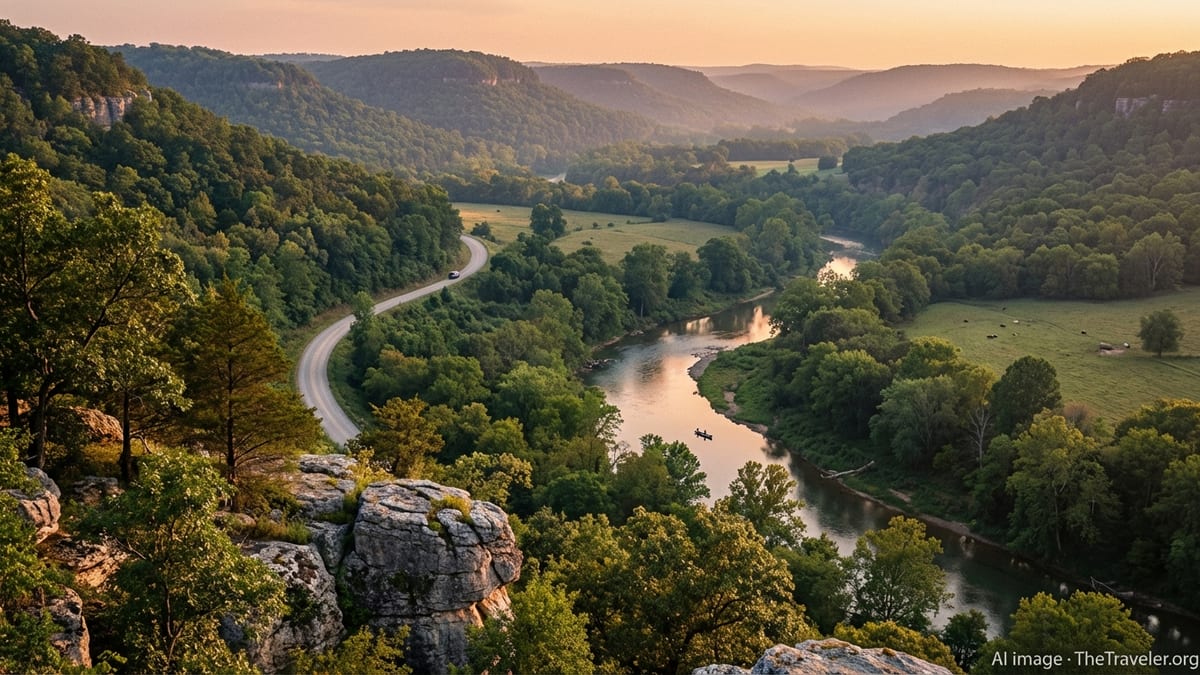
Arkansas is a state of deep forests, low-key towns, and winding backroads that still feel undiscovered compared with many parts of the American South. You will not find the dense skyline of Dallas or the constant buzz of Nashville here. Instead, the first thing many visitors notice is how quickly city streets give way to ridgelines, rivers, and pastureland. This mix of quiet rural scenery and modest downtowns can feel either peaceful or underwhelming, depending on your expectations.
For travelers chasing icons like national park lodges, famous theme parks, or blockbuster urban landmarks, Arkansas can initially seem short on headliners. Its one national park, Hot Springs, is small compared with the giants of the West, and its cities do not yet have the name recognition of Austin or New Orleans. What Arkansas does offer, in abundance, is access to nature without crowds, an emerging food and arts scene anchored in a few key hubs, and prices that remain relatively modest compared with coastal destinations.
It is also important to be honest about the gaps. Public transportation is limited outside a few urban cores, so you will almost certainly need a car. Some rural areas have patchy cell service and basic lodging options. Social attitudes can be traditional, especially away from college towns and tourist centers. For many visitors, these realities are minor trade-offs for the chance to explore a quieter corner of the country. For others, they are deal breakers. Understanding this context will help you decide whether Arkansas fits your travel style.
The Natural State: Outdoor Experiences That Justify the Trip
The strongest case for visiting Arkansas is its landscapes. The state leans into its official nickname, the Natural State, and for good reason. The Ozark and Ouachita Mountains cover much of the north and west, creating a rolling tapestry of hardwood forests, clear rivers, and sandstone cliffs. These regions are a draw for hikers, paddlers, anglers, and anyone who prefers trail dust to city streets. Many visitors are surprised at how wild the terrain can feel within a short drive of major towns.
One of Arkansas’s marquee outdoor destinations is the Buffalo National River, the first river in the United States to receive a national river designation. The waterway runs free for more than 150 miles, with paddling seasons that generally start on the upper stretches in spring and move downstream as rainfall patterns change. The upper river near Ponca and Kyle’s Landing is especially known for dramatic bluffs, waterfalls, and cool, swimmable pools. Outfitters in the area offer canoe, kayak, and raft rentals, and multi-day float trips reward travelers who want a deeper immersion in the Ozarks.
Beyond the Buffalo, Arkansas is dotted with state parks and national forest lands that offer hiking, camping, and scenic drives. Places like Petit Jean, Mount Magazine, and Devil’s Den state parks provide well-maintained trail systems and campgrounds with comparatively low congestion outside peak holiday weekends. In fall, hardwood forests across the Ozarks and Ouachitas turn shades of red and gold, drawing regional leaf peepers without the gridlock seen in more famous foliage destinations. For travelers who define a good trip by the quality of their hikes, Arkansas has more than enough terrain to justify a visit.
Hot Springs and Healing Waters: Arkansas’s Most Famous Town
Hot Springs is Arkansas’s best-known tourist town and often the first stop for first-time visitors. The city grew around natural thermal springs that rise from the Ouachita Mountains and once drew bathers from across the United States. Today, Hot Springs National Park protects a compact area of forested hillsides and historic bathhouses along Bathhouse Row. The park does not offer the sweeping wilderness of a large western park, but it combines short, accessible trails with a sense of early twentieth century spa history that you will not find elsewhere.
Several of the ornate bathhouse buildings have been preserved and adapted for modern use. Visitors can still book traditional thermal baths and spa treatments in historic surroundings, while other structures now house a brewery and cultural spaces. The town around the park has a straightforward, slightly nostalgic feel, with souvenir shops, casual restaurants, and older motels alongside newer boutique properties and vacation rentals. It is not a luxury spa destination in the international sense, but it offers a distinctive blend of small-city Arkansas life and historic wellness culture.
Hot Springs also serves as a practical base for exploring nearby lakes, trails, and scenic byways. Outdoor enthusiasts can pair morning hikes and lake swims with afternoon soaks and an evening in town. The area can feel busy during school breaks and summer weekends, and some parts of the strip cater to classic tourist tastes. For travelers who enjoy quirky, lived-in resort towns more than sleek, master-planned complexes, Hot Springs can be one of the most rewarding parts of an Arkansas itinerary.
Northwest Arkansas: Art, Bikes, and a Surprising Cultural Hub
If you prefer creative energy to hot springs, Northwest Arkansas is the region most likely to change your assumptions about the state. Anchored by Bentonville, Fayetteville, Springdale, and Rogers, this corner of Arkansas has grown briskly in recent decades, helped by the presence of large corporate headquarters and a major university. The result is an unusually cosmopolitan pocket in an otherwise rural state, with new restaurants, breweries, venues, and bike trails appearing at a steady pace.
The standout attraction here is Crystal Bridges Museum of American Art in Bentonville. Set in a forested ravine, the museum combines notable works of American art with architecture that curves over ponds and streams. Its grounds include miles of walking and biking trails through native Ozark forest, dotted with outdoor sculptures. Recent expansions have added significant gallery space and enhanced the collection with major gifts of modern and contemporary art, including works by well-known twentieth century artists and a growing emphasis on women artists and underrepresented voices. The museum continues to develop outdoor experiences, including an interactive playscape and new installations that blend art with the surrounding landscape.
Beyond the museum, Northwest Arkansas has become a legitimate cycling and mountain biking destination. A network of paved greenways and singletrack trails links towns and parks across the region. Films and events highlighting routes that cut across the state, including multi-day gravel rides between the northwest and the Delta, showcase Arkansas’s potential as a cycling playground. Visitors who ride can base themselves in Bentonville or Fayetteville and spend several days exploring trail systems that range from family friendly paths to technical mountain bike terrain, all supported by local bike shops, rental options, and an emerging bike-centric cafe culture.
Fayetteville, home to the University of Arkansas, layers on college town energy with live music, sports, and a more bohemian vibe than its corporate-driven neighbors. Together, the cities of Northwest Arkansas offer a cultural density, dining variety, and youthful atmosphere that may surprise anyone expecting only small-town diners and antique shops. For many modern travelers, this region alone is enough to make Arkansas worth the trip.
Cities, Small Towns, and Civil Rights History
Arkansas’s urban story is more modest than that of many states, but it still offers worthwhile stops, particularly if you are interested in U.S. history. Little Rock, the capital, sits along the Arkansas River and blends government buildings, residential neighborhoods, and an evolving downtown. It is not a major metropolis, yet it serves as a practical arrival point and base for exploring central Arkansas. The city’s River Market District, once a neglected industrial area, now hosts restaurants, event venues, and riverfront pathways that work well for an afternoon or evening stroll.
The most significant site in Little Rock for many visitors is Little Rock Central High School National Historic Site. This working high school and its surrounding visitor center interpret the events of 1957, when nine Black students, known as the Little Rock Nine, faced intense opposition and federal intervention to desegregate the school. The site is a powerful stop for those interested in the civil rights movement, and ranger-led programs, exhibits, and preserved spaces give context to one of the key confrontations in the struggle over public school integration.
Smaller towns across Arkansas offer a different perspective on the state. Eureka Springs, tucked into the hills of the Ozarks, draws visitors with Victorian architecture, a winding street plan, and a longstanding reputation as an artsy, somewhat offbeat retreat. Its hillside hotels, galleries, and performance spaces create a setting that feels more like an Old World mountain village than a typical American small town. Elsewhere, communities in the Arkansas Delta and along the Mississippi River highlight agricultural history, blues heritage, and efforts to use cycling routes and cultural tourism to bring new travelers into regions that have not traditionally benefited from the state’s growth.
None of these cities or towns should be mistaken for large international hubs, and nightlife options can be limited compared with coastal or Sun Belt hotspots. However, if you value learning about regional stories, walking real neighborhoods rather than manicured entertainment districts, and exploring how history still shapes daily life, Arkansas’s urban stops add important context to an otherwise nature-focused trip.
Cuisine, Culture, and the Pace of Life
Arkansas’s food scene is rooted in Southern and Ozark traditions: expect barbecue, fried catfish, biscuits, pie, and plate lunches built around smoked meats and seasonal vegetables. In many small towns you will find modest cafes and family-run diners more often than chef-driven restaurants. That can be part of the appeal if you enjoy simple, hearty meals and conversations with local regulars. Portions are often large and prices comparatively gentle, which can help keep trip budgets in check.
In larger hubs, particularly in Northwest Arkansas and Little Rock, the culinary picture is broadening. Breweries, coffee roasteries, and creative restaurants have followed population growth and new investment. Menus here are more likely to feature regional ingredients treated with contemporary techniques, as well as international influences that reflect a diversifying population. You can spend a few days in Bentonville or Fayetteville eating everything from inventive tacos and wood-fired pizzas to carefully sourced tasting menus, then shift to small-town barbecue and pie as soon as you head back into the hills.
Culturally, Arkansas revolves around the outdoors, local sports, and community events. College football and baseball games, mountain bike festivals, music weekends, and seasonal fairs all play a part in the state’s social calendar. Museums beyond Crystal Bridges range from local history centers and small art spaces to specialty museums that interpret topics like music, regional industry, and frontier life. The pace of life is generally slower than in coastal cities, with fewer late-night options but more opportunities to catch sunsets over lakes or stars above quiet campgrounds.
For some visitors, that slower tempo is exactly the point. Travelers looking to unwind, disconnect from constant digital stimulation, and spend long evenings around campfires will find Arkansas a comfortable fit. Others who thrive on nightlife, dense performing arts schedules, and cutting-edge fashion will likely see Arkansas as peaceful but limited. Being clear about your own preferences is key before you commit.
Practical Realities: Costs, Seasons, and Challenges
From a practical standpoint, Arkansas can be an appealing destination for value-conscious travelers. Lodging, dining, and activity prices are often lower than in more famous outdoor and cultural destinations, especially if you avoid the busiest holiday periods. Cabin rentals, state park lodges, and roadside motels provide a range of options, from rustic to contemporary. In growing areas like Northwest Arkansas and central Bentonville, however, rates can climb during popular weekends, major festivals, or school breaks, so advance planning is wise.
Weather is one of the most important considerations when deciding whether Arkansas is worth visiting for you. Summers are typically hot and humid, with daytime temperatures that can make midday hiking or cycling uncomfortable, particularly in exposed areas. Spring and fall are generally the most comfortable seasons, offering milder temperatures, lively rivers in spring, and colorful foliage in autumn. Winter brings quieter trails and occasional cold snaps, but it is usually milder than in many northern states, which can be attractive for off-season hiking and city exploring as long as you pack appropriate layers.
Travel logistics require some forethought. Public transit is limited, and ride-hailing coverage weakens outside urban cores, so renting a car or driving your own is the norm. Distances between key regions are not enormous by U.S. standards, but they are long enough that you should plan drive times realistically, especially on winding mountain roads. Mobile coverage can be patchy in isolated valleys, particularly along rivers and in dense forest, so offline maps, printed directions, and letting someone know your plans are sensible precautions, especially if you are heading onto backroads or into remote trailheads.
Travelers should also approach outdoor activities with realistic expectations about their own fitness and safety. River levels and trail conditions vary with weather, and park services encourage visitors to check for current updates and to know their limits before committing to long floats or challenging hikes. This is not unique to Arkansas, but the state’s combination of fast rivers, steep terrain, and sometimes limited on-site services means self-reliance matters. With a bit of preparation, most visitors find the challenges manageable and well rewarded by the experiences on offer.
Who Will Love Arkansas and Who Might Not
Ultimately, whether Arkansas is worth visiting comes down to fit. The state is especially well suited to travelers who prioritize outdoor time over urban spectacle. Hikers, paddlers, anglers, gravel riders, and road-trippers who enjoy scenic drives and low-key towns are likely to find plenty to love. Couples looking for a nature-focused getaway, families who want to combine accessible hikes with kid-friendly museums and bike trails, and solo travelers seeking quiet reflection in the woods all tend to rate Arkansas highly when expectations match reality.
Arkansas also works well for repeat regional travelers who have already checked off more famous national parks and southern cities. If you are curious about lesser-known corners of the United States, or you like the idea of visiting a museum of national stature in a town that still feels approachable, the Natural State offers a sense of discovery that many oversubscribed destinations have lost. The combination of Crystal Bridges, the Buffalo National River, Hot Springs, Northwest Arkansas’s urban cluster, and a scattering of characterful small towns can easily fill a week or more.
On the other hand, travelers who judge destinations primarily by luxury infrastructure, glamorous shopping, or nightlife may feel that Arkansas falls short. High-end accommodations exist, especially in and around Bentonville, some resort areas, and select boutique inns, but they are not the statewide norm. If you are uncomfortable driving in rural areas, prefer robust public transit, or strongly dislike hot, humid weather, you may feel constrained by Arkansas’s realities. Those seeking a highly curated, all-inclusive experience with minimal planning might be better served by more conventional resort or big-city destinations.
Being candid, Arkansas is not trying to be the next Las Vegas or Miami. Its strength lies in authenticity, access to nature, and a sense of place that still feels rooted and unpolished in many areas. If those are qualities you value, the state can more than justify the time and travel it takes to get there.
The Takeaway
So, is Arkansas worth visiting? For many travelers, the answer is a qualified yes. If your idea of a successful trip centers on hiking under tall bluffs, paddling clear rivers, wandering through a major art museum nestled in the woods, and exploring towns where residents still greet newcomers with curiosity rather than fatigue, Arkansas delivers. It remains less crowded and less commercial than many rivals, which is precisely what attracts a growing wave of visitors who are seeking places with soul rather than spectacle.
At the same time, it is important to recognize that Arkansas is not a one-size-fits-all destination. It requires a willingness to drive, to plan around the seasons, and to embrace simple pleasures. You trade high-end shopping districts and constant nightlife for porch swings, campfires, and trailheads that may feel like they belong to you alone. You gain affordability and breathing room, but you sacrifice some of the convenience and polish that come with more developed tourism hubs.
If you go with clear eyes and realistic expectations, Arkansas has a way of exceeding them. You may arrive wondering whether the state can hold your interest for more than a long weekend and leave already thinking about which bluff, river bend, or museum trail you want to explore next time. For travelers who value nature, emerging culture, and an honest sense of place, the Natural State is not just worth visiting. It is worth getting to know slowly.
FAQ
Q1. Is Arkansas a good destination for a first-time U.S. visitor?
Arkansas can be a rewarding choice for first-time visitors who prioritize nature and smaller cities over famous landmarks, but it is less convenient than major gateway destinations.
Q2. How many days do I need to see the highlights of Arkansas?
A five to seven day trip is usually enough to experience at least one major outdoor area, Hot Springs or the Buffalo National River, plus time in either Little Rock or Northwest Arkansas.
Q3. Is Arkansas safe for travelers?
Most visitors experience Arkansas as generally safe, especially in tourist areas, though common travel sense applies, including securing belongings and being cautious late at night.
Q4. Do I need a car to visit Arkansas?
Yes, in practical terms you almost always need a car, since public transportation is limited and many of the best outdoor areas are not served by transit.
Q5. What is the best time of year to visit Arkansas?
Spring and fall are usually the best, with comfortable temperatures, lush or colorful scenery, and more favorable conditions for hiking, paddling, and cycling.
Q6. Is Arkansas suitable for budget travel?
Arkansas works well for budget travelers, offering relatively affordable lodging, food, and activities compared with many coastal or marquee outdoor destinations.
Q7. Are there vegan or vegetarian options in Arkansas?
Larger cities like Little Rock, Fayetteville, and Bentonville offer growing vegetarian and vegan choices, while options in smaller towns can be limited but are slowly improving.
Q8. Can I visit Arkansas without being very outdoorsy?
Yes, you can focus on museums, historic sites, scenic drives, and spa experiences, though you will get more from a trip if you are comfortable with at least light outdoor activities.
Q9. Is Arkansas welcoming to LGBTQ+ travelers?
Experiences vary by region, but college towns and tourist hubs tend to be more openly welcoming; in rural areas, attitudes can be more traditional, so discretion and research help.
Q10. What should I pack for a trip to Arkansas?
Plan on layered clothing, sturdy walking or hiking shoes, sun protection, rain gear, and swimwear, plus insect repellent and a reusable water bottle for outdoor days.