

Austria has a well-earned reputation for postcard-perfect Alpine landscapes, immaculate cities, and efficient public transport. For many visitors, it also feels reassuringly orderly and calm. Yet in a world where security headlines shift quickly, it is natural to ask whether Austria is still a safe destination in 2026. The answer is that Austria remains one of the safer countries for international travelers, but, as everywhere, it is not risk-free. Understanding the real risks and how to manage them will help you enjoy the country’s charms with confidence.
How Safe Is Austria Overall in 2026?
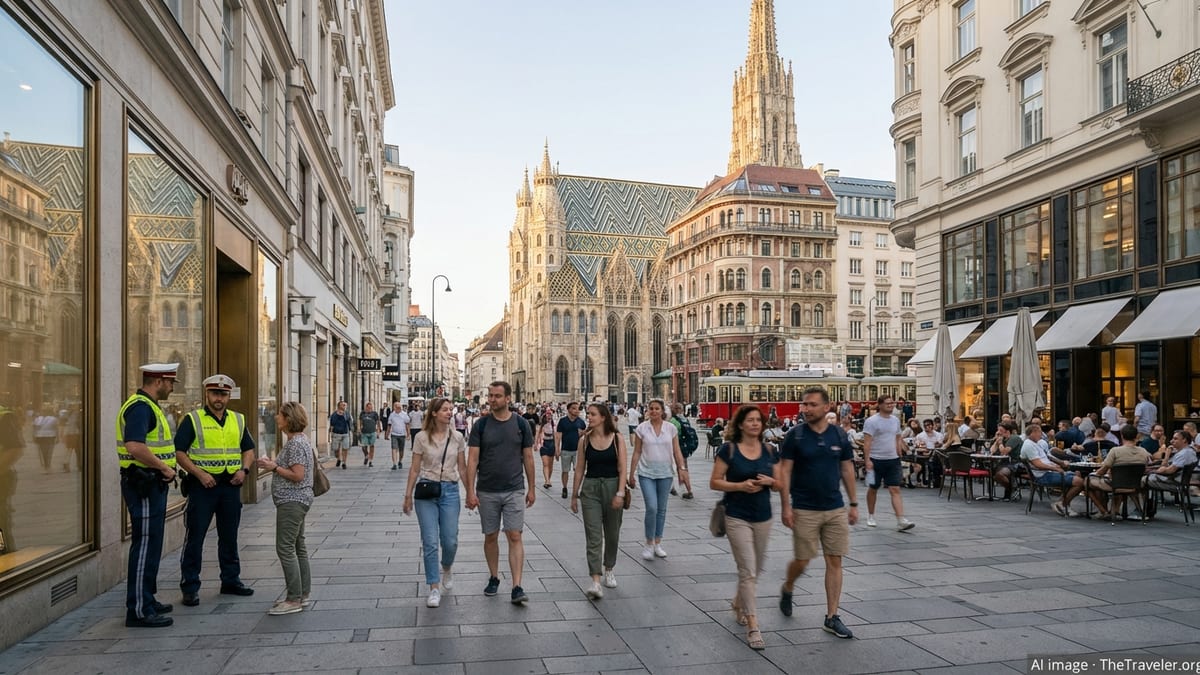
By global standards, Austria is considered a low-risk destination for tourists. In August 2024 the United States categorized Austria at its lowest travel advisory level, advising travelers to exercise normal precautions rather than avoid any specific regions. That rating has remained in place through periodic reviews, which reflects a generally stable security environment and functioning institutions throughout the country.
Independent assessments reach similar conclusions. Austria consistently ranks among the world’s most livable and peaceful countries, with Vienna repeatedly placed near the top of international quality-of-life and liveability indexes. Although Vienna recently slipped from first to second place in one major ranking, analysts attributed the change to a modest adjustment in perceived stability rather than a dramatic deterioration in everyday safety. For the typical visitor, everyday experiences still tend to feel orderly and calm.
Insurance and risk industry surveys also portray Austria as a relatively safe bet. A recent report on the safest countries for travelers placed Austria near the very top, highlighting strong health care, solid infrastructure, and a broadly inclusive social climate. While such rankings are not guarantees and can change year to year, they reinforce what many travelers report anecdotally: Austria feels safe, predictable, and well organized compared with many other destinations.
That said, no destination is entirely free of risk. Austria has faced isolated terrorism concerns, occasional natural hazards, and the kinds of petty crime found in any popular tourist hub. Understanding these issues in context allows you to put headlines into perspective and make sensible decisions about where you go, how you move around, and how you look after your belongings.
Crime and Everyday Risks Tourists Are Most Likely to Face
Most visitors to Austria are far more likely to encounter minor nuisances than serious crime. Petty theft is the risk that travelers report most often, particularly in crowded urban areas and on public transport. Pickpocketing can occur on busy tram and metro lines in Vienna, around major train stations, and at large events or Christmas markets where visitors may be distracted by the atmosphere.
In practice, these incidents are usually opportunistic. Thieves tend to target easy-to-access handbags, backpacks worn on both shoulders, and phones or wallets kept in rear pockets. Simple precautions such as using a cross-body bag that closes fully, keeping valuables out of sight, and remaining alert in crowds significantly reduce your chances of becoming a victim. Bag snatching and more aggressive theft are less common than in many major European cities but can occur, especially at night around transport hubs.
Violent crime against tourists remains relatively rare. Austria does record instances of assault, domestic violence, and youth crime, but these tend to be concentrated in local nightlife or private settings rather than directed at visitors walking through historic districts during the day. As in any city, conflicts can emerge around bars and clubs late in the evening, particularly when alcohol is involved. Sticking to well-lit streets, avoiding confrontations, and using official taxis or reputable ride services are usually sufficient to avoid trouble.
Scams targeting tourists are not as widespread as in some neighboring countries, but a few issues are worth noting. Overcharging by unlicensed taxis, misleading pricing at venues around major attractions, or strangers offering unsolicited help with ticket machines can occasionally lead to disputes. To minimize these risks, use metered taxis or trusted ride-hailing apps where available, confirm prices before ordering, and be cautious if anyone pressures you to make quick financial decisions.
Terrorism, Protests, and Political Climate
Austria has experienced rare but serious security incidents that understandably draw international attention. In 2020 Vienna suffered a deadly terror attack in its central districts, and in 2024 authorities disrupted an extensive plot targeting Taylor Swift concerts planned in the capital. More recently, two foiled attacks, including one at Vienna’s main westbound railway hub, influenced how international analysts rated the city’s stability, contributing to its small drop in one prominent liveability ranking.
Crucially for travelers, these plots were prevented through close cooperation between local and international security agencies, and major events have continued under heightened security measures. The risk of terrorism in Austria is classified as low to moderate, similar to many Western European countries. Security services closely monitor potential threats, and visible police or military patrols around transport hubs or major events are intended to reassure the public as much as deter wrongdoing.
Austria’s political climate is generally stable, but it is not immune to tensions. Demonstrations related to domestic politics, labor disputes, or international issues such as the war in Gaza have taken place in Vienna and other cities. Most are peaceful and well managed by authorities, though they can temporarily disrupt traffic or public transport and occasionally involve isolated clashes at the margins.
Visitors who encounter a demonstration are usually best advised to observe from a distance or take an alternative route. Checking local news, your hotel’s front desk, or municipal information channels can help you avoid gathering spots at sensitive times. It is also sensible to carry identification, as police may occasionally conduct spot checks near large events or protest sites.
Transport, Infrastructure, and Getting Around Safely
Austria’s public transport network is one of its greatest safety assets. Trains, trams, and buses are widely regarded as clean, reliable, and well lit, which makes them a comfortable option even after dark. Stations and vehicles are typically equipped with clear signage, emergency call buttons, and surveillance cameras. Staff presence varies by system and time of day, but in major cities such as Vienna, Salzburg, and Graz, help is usually not far away.
That said, common-sense precautions still apply. Keep your bags in sight on trains and at stations, particularly when services are crowded or you are stowing luggage on overhead racks or in designated storage areas. In busy terminals, be cautious if anyone tries to distract you while another person stands close to your belongings. On night services or in remote areas, sitting in carriages with other passengers and staying alert to your surroundings is a sensible approach.
Road safety standards in Austria are generally high. Highways and secondary roads are well maintained, signage is clear, and enforcement of speed and drink-driving laws is relatively strict. Winter driving in Alpine regions, however, introduces additional risks, including snow, ice, and reduced visibility. If you plan to rent a car in the mountains, ensure that it is equipped with winter tires and chains when required, and be prepared to adjust your plans if conditions deteriorate.
Cycling infrastructure is strong in many Austrian cities and along rivers such as the Danube. Dedicated paths and clear traffic rules make cycling an enjoyable and usually safe way to explore. Wearing a helmet is recommended even where not legally required, and cyclists should use lights and reflective clothing in low-light conditions. When hiking or biking in rural and mountainous areas, mobile reception may be limited, so informing someone of your route and expected return time is good practice.
Nature, Weather, and Outdoor Adventure Risks
Austria’s natural environment is one of its primary attractions, but it also carries inherent risks that visitors should treat with respect. The Alps offer superb skiing, hiking, and climbing, yet mountain weather can change rapidly, and terrain that appears gentle from a distance may involve steep drops, loose rock, or avalanche-prone slopes. Every year, local authorities respond to accidents that could often have been prevented with better preparation or more conservative decision-making.
If you plan on mountain activities, it is wise to check local avalanche bulletins and weather forecasts, follow marked trails, and consider hiring certified guides for more demanding routes or off-piste skiing. Many Alpine communities publish detailed safety advice at trailheads, cable car stations, and tourist offices. Heeding closures or warnings is essential; ignoring a rope or barrier in the mountains can have far more serious consequences than skipping a city museum.
In recent years, Austria has also experienced episodes of severe weather and flooding, particularly along the Danube and in parts of Styria and Lower Austria. Heavy rainfall has led to overflowing rivers, localized evacuations, and disruptions to transport and even election logistics. While these events seldom target tourists specifically, they can affect travel plans by closing roads, rail lines, or river cruises at short notice.
To manage environmental risks, travelers should build some flexibility into itineraries, especially if traveling in late spring or early summer when flooding has occasionally occurred, or in winter when avalanches and storms are more likely. Travel insurance that covers trip interruptions due to natural hazards can provide a financial backstop. On the ground, pay attention to updates from local authorities, accommodation providers, and national weather services, and avoid entering closed areas even if conditions appear calm at first glance.
Social Climate, Harassment, and Discrimination
Austria is broadly welcoming to visitors, but as in most societies, social experiences can vary depending on identity and context. Major cities such as Vienna are multicultural and cosmopolitan, with diverse communities and international universities. Visitors typically report feeling accepted, especially in central districts, cultural venues, and tourist-oriented businesses where staff are accustomed to meeting people from around the world.
However, isolated incidents of harassment or discrimination do occur. Jewish communities, for example, have reported increasing online antisemitism and sporadic vandalism, including an attack on the Jewish section of Vienna’s central cemetery in late 2023. Such acts have been widely condemned by political leaders and investigated by authorities, but they underscore that prejudice has not disappeared entirely. Similarly, travelers who are visibly part of minority groups may occasionally encounter stares or rude remarks, particularly in less urban areas.
LGBTQ+ travelers usually find Vienna and other major cities relatively safe, with active queer communities and venues. Public displays of affection may attract attention in more conservative or rural regions, so discretion can be advisable depending on the setting. Solo women travelers often describe Austria as comfortable compared with many destinations, with less aggressive harassment on the street than in some large cities elsewhere in Europe, though unwanted comments or attention can still happen, especially around nightlife.
In practice, standard strategies for personal safety apply: trust your instincts, avoid escalating confrontations, stay in well-populated areas at night, and seek help from hotel staff, transport employees, or police if a situation feels uncomfortable. Austria’s emergency response systems are robust, and officers generally take threats or harassment seriously, particularly when directed at foreigners or marginalized groups.
Health, Medical Care, and Emergency Services
Access to quality medical care is a significant component of travel safety, and Austria performs well on this front. The country’s health system is developed, with modern hospitals, well-trained staff, and widely available pharmacies. Urban centers boast major clinics and specialist facilities, while smaller towns typically have local practices or regional hospitals within reachable distance.
For most tourists, the main health concerns are minor: altitude-related discomfort in the mountains, sports injuries on ski slopes, or routine ailments such as colds. In ski resorts and popular hiking regions, emergency rescue teams and mountain services are familiar with responding to accidents involving international visitors. However, the costs associated with helicopter evacuations, private clinics, or extended hospital stays can be significant without adequate insurance coverage.
It is therefore strongly advisable to purchase comprehensive travel health insurance that includes emergency evacuation and coverage for adventure sports if you plan to ski, snowboard, or undertake high-altitude treks. Carrying a basic first-aid kit, staying hydrated, and acclimatizing slowly to higher elevations can prevent many minor issues from becoming serious. Food and water standards in Austria are generally high, so gastrointestinal illnesses are less common than in some other parts of the world, though basic hygiene remains important.
In an emergency, dialing the European emergency number will connect you with the appropriate services. Operators can usually coordinate translation support when needed. Keeping a note of your embassy or consulate’s contact details, along with the address of your accommodation, can further streamline assistance if you encounter serious difficulties, whether medical or legal.
Practical Safety Tips for Different Types of Travelers
While Austria’s overall risk profile is relatively low, the way you experience safety will depend on your travel style. City-break visitors who spend most of their time in Vienna’s museums and coffee houses will face different considerations from backpackers crossing high passes in the Tyrol or families navigating busy ski resorts during school holidays.
Solo travelers can usually move around comfortably, particularly in daylight and early evening. Choosing centrally located accommodation with 24-hour reception, informing someone of your daily plans, and avoiding excessive alcohol are practical steps that enhance security anywhere. Many hostels, guesthouses, and hotels in Austria are accustomed to solo guests and can provide up-to-date, neighborhood-specific advice on safer routes, well-lit shortcuts, and reputable taxi services.
Families with children often find Austria reassuring, thanks to its clean public spaces, accessible playgrounds, and family-friendly attractions. The main safety challenges relate to crowded venues where young children could become separated and to mountain environments where curiosity might lead them close to edges or water. Establishing meeting points, using identification bracelets for young children, and supervising closely near rivers, lakes, and slopes are sensible precautions.
For adventure travelers, preparation is key. Whether skiing, paragliding, canyoning, or tackling via ferrata climbing routes, always verify that operators are licensed and that equipment is well maintained. Ask about guides’ qualifications and language skills, and do not hesitate to walk away if something feels improvised or rushed. Respect your own limits and remember that turning back early due to fatigue or weather is often the wisest decision, even when the surrounding scenery is enticing.
The Takeaway
Austria in 2026 remains one of Europe’s safer and more predictable destinations for international travelers. Strong institutions, efficient infrastructure, and a well-developed health system underpin a generally low level of everyday risk. Cities such as Vienna continue to rank among the world’s most livable, and most visitors experience nothing more serious than chilly mountain weather or a crowded tram ride.
At the same time, recent years have illustrated that Austria is not immune to global challenges. Isolated terrorism plots, episodes of severe weather and flooding, and pockets of social tension remind travelers that absolute safety does not exist anywhere. The good news is that authorities have typically responded swiftly to emerging threats, and serious incidents remain rare for tourists who take basic precautions.
If you stay aware of your surroundings, secure your valuables, respect local advice in the mountains, and carry appropriate insurance, you can enjoy Austria’s baroque palaces, lakes, and Alpine trails with considerable peace of mind. Sensible planning turns potential worries into manageable details, allowing the country’s culture, landscapes, and hospitality to take center stage.
FAQ
Q1. Is Austria safe to visit in 2026 given recent security headlines?
Austria remains generally safe to visit, with a low overall crime rate and effective security services. Isolated terrorism plots and other incidents have occurred but are uncommon, and authorities have typically intervened before they could affect large numbers of people.
Q2. Which areas of Austria feel safest for tourists?
Most of Austria is safe, but visitors often describe central Vienna, Salzburg, Innsbruck, and well-known resort towns as especially comfortable. Rural villages and Alpine regions also tend to feel calm and orderly, though mountain environments bring their own natural risks.
Q3. How worried should I be about terrorism while in Austria?
The risk of terrorism exists, as it does across much of Europe, but major attacks are rare. Recent foiled plots have led to increased vigilance and visible security around major events, which can actually enhance safety for visitors attending concerts, festivals, or gatherings.
Q4. Is public transport in Austria safe at night?
Public transport is generally safe, clean, and well lit, even after dark. The main thing to watch for is pickpocketing on busy lines and around major stations. Sitting near other passengers, keeping valuables secure, and avoiding empty carriages late at night are prudent habits.
Q5. Are Austria’s mountains safe for inexperienced hikers or skiers?
Austria’s mountain areas are well organized, with marked trails and professional rescue services, but they can be dangerous if underestimated. Inexperienced visitors should stick to clearly marked routes, check weather and avalanche reports, use proper equipment, and consider hiring guides, especially in winter or on challenging terrain.
Q6. Is Austria safe for solo women travelers?
Many solo women describe Austria as relatively comfortable and low stress compared with other destinations. Street harassment tends to be less aggressive than in some large cities elsewhere, though it can still occur. Choosing central accommodation, avoiding poorly lit areas late at night, and trusting your instincts are usually sufficient to feel secure.
Q7. How safe is Austria for LGBTQ+ travelers?
LGBTQ+ travelers generally find Vienna and other major cities accepting, with visible queer communities and events. Public displays of affection may attract attention in more conservative or rural areas, so some couples choose a more discreet approach outside larger urban centers, but physical violence is uncommon.
Q8. Do I need to worry about natural disasters during my trip?
Austria does not experience large-scale natural disasters as frequently as some regions, but it can face flooding, avalanches, and severe storms. These events mainly affect travel logistics rather than personal safety when you follow local guidance. Checking forecasts and heeding closures or warnings is the best way to stay safe.
Q9. Is tap water and food in Austria safe?
Yes, tap water in Austria is generally safe to drink and often praised for its quality, particularly in Alpine regions. Food hygiene standards in restaurants and markets are high, so serious foodborne illness is relatively rare, though normal caution and hand hygiene are still advisable.
Q10. What is the single most important safety tip for visiting Austria?
The most important tip is to combine normal urban awareness with respect for the mountains and weather. Secure your valuables in cities, follow official advice in outdoor areas, and carry appropriate travel insurance. With these basics in place, you can focus on enjoying your time in Austria rather than worrying about safety.