

Austria often appears on lists of Europe’s safest, prettiest and most culture-rich destinations, but if you are planning a first trip to Europe, it is natural to ask if it really deserves a place ahead of bigger names like Italy, France or Spain. The answer depends less on postcard views of Alpine lakes and more on what you value as a new traveler: ease of getting around, language barriers, budget, safety, and how much you want to be on the move versus slowing down. Looking closely at what Austria offers in 2026 helps clarify whether it is the right launchpad for your European travels or better kept for a return visit.
Safety, Stability and Ease: Austria’s Biggest Advantages
For many first-time travelers, overall safety and predictability matter more than ticking off the most famous landmarks. On that front, Austria scores very well. In early 2026, a major travel insurance survey ranked Austria among the top three safest countries in the world for visitors, based on a mix of traveler feedback and international safety indices. That perception is backed up by formal government guidance: as of August 2024, the United States classified Austria as a Level 1 destination, which is the lowest risk category and simply advises travelers to exercise normal precautions. For an anxious first-time visitor, this combination of reputational and official confidence can make a real difference in comfort level.
Austria’s stability shows up in everyday details that reduce travel stress. Trains generally run to schedule, even between small towns. City centers like Vienna, Salzburg, Innsbruck and Graz are walkable, well lit and heavily used by locals into the evening, which gives streets a lived-in feel rather than the hollowed-out atmosphere that can make some tourist districts feel less secure at night. Violent crime affecting tourists remains rare, although, as anywhere in Europe, busy squares and public transport hubs call for normal pickpocket awareness.
That does not mean Austria is free of incidents. Isolated attacks, such as the 2025 stabbing in Villach, rightly make headlines and can cause concern for would-be visitors. Yet these events remain the exception, not the rule, and are treated very seriously by authorities. For a first-time traveler comparing destinations, the key point is relative risk. When measured against many other popular countries, Austria continues to stand out for low crime, political stability and effective public services, which collectively make day-to-day travel feel straightforward and low drama.
Beyond safety, first-timers benefit from Austria’s clear information systems. Train platforms, metro stations and most museums post signage in German and English. Tourist information offices in major cities remain well funded and are used to fielding basic questions from nervous visitors. This infrastructure does not eliminate all challenges, but it significantly lowers the barrier to entry for those new to international travel.
Getting Around: Public Transport, Passes and Practicalities
How you move between and within cities can make or break a first European trip. Austria’s strongest argument in its favor is its integrated and generally punctual public transport network. High-speed and regional trains knit together Vienna, Salzburg, Linz, Graz and Innsbruck, and reach into smaller Alpine valleys where buses then connect you to villages and trailheads. For someone unused to driving abroad or navigating complex motorway systems, being able to rely on trains and trams becomes a major confidence boost.
In recent years, Austria has experimented with countrywide and regional transit passes that simplify travel for residents and longer-stay visitors. The flagship KlimaTicket allows a year of travel on almost all scheduled public transport across Austria, from national rail services to local city networks. Its 2026 price is geared more to locals than short-term tourists, but the policy environment matters: when a country invests heavily in its network and encourages people to use it daily, visitors reap the benefits in frequency, reliability and reach. On the regional level, annual passes and local tickets make commuting within the eastern regions around Vienna particularly smooth, signaling the strength of everyday transit.
For first-time visitors on shorter trips, city-specific products are more relevant. Vienna’s transport system, for example, offers 24-hour tickets and a seven-day ticket that will cover a typical three-day city break with room to spare. In 2026 the older 48-hour and 72-hour passes are being phased out in favor of simpler options, so visitors will often find that a seven-day pass, even for a shorter stay, is better value than multiple day tickets. Vienna’s dedicated visitor card remains an alternative: for a modest surcharge over standard transit tickets, it bundles unlimited urban travel with discounts at museums and attractions, and options that include airport transfers or hop-on hop-off buses.
Outside Vienna, similar logic applies. Salzburg, Graz and Innsbruck all run compact public transport networks that are easy to navigate, and regional trains radiate into surrounding countryside. Compared with driving, first-timers often discover that journeys are less tiring, and they are free to watch the scenery rather than traffic patterns. Crucially, ticket machines and apps are available in English, and staff in major stations are used to helping non-German speakers. If your main worry is “Will I get lost between cities,” Austria’s transport culture is a strong argument in its favor.
Costs, Value and Budget Surprises
No European destination is truly cheap anymore, and Austria is no exception. For first-time travelers, it helps to think in terms of value rather than rock-bottom prices. Overall, Austria sits in the upper-middle range for Western Europe: more expensive than many Central and Eastern European countries, often a bit cheaper than Switzerland, and broadly comparable to Germany for everyday expenses. Accommodation in Vienna and Salzburg, particularly in high season and around Christmas markets, can climb quickly, while smaller cities and rural regions often feel noticeably gentler on the wallet.
Where Austria delivers strong value is in its “quality per euro.” Public transport is generally clean and efficient, even in modest towns. Tap water is safe and often excellent, especially in Alpine regions where it comes straight from mountain sources, cutting down on the need to buy bottled water. Portions in traditional restaurants tend to be hearty, which can help travelers manage with two main meals a day and a snack. Cultural attractions like state-run museums, palaces and opera houses are not cheap, but they are rarely out of line with other major European cities and often underprice equivalents in places like Paris or London.
Travelers should be aware of seasonal price swings. During Christmas market season, ski weeks in February, and peak summer school holidays, accommodation and some tours rise sharply in Vienna, Salzburg and key Alpine resorts. Conversely, shoulder seasons in April, May, late September and October frequently see more moderate pricing while still offering pleasant weather and lively city life. First-timers with flexible dates can significantly improve value by avoiding the most obvious holiday windows.
Another budget consideration is how Austria handles tourist cards and city passes. Products like the Vienna City Card can be good value if you plan to visit multiple paid attractions in a short window, but they are not a universal bargain. A clear-eyed look at your must-see list, opening times and bundle inclusions is essential. For many first-time travelers, a mix of paid highlights and free experiences, such as parks, churches without admission fees and riverfront promenades, keeps overall costs reasonable without diminishing the sense of discovery.
Culture, Cities and the “Feel” of Austria
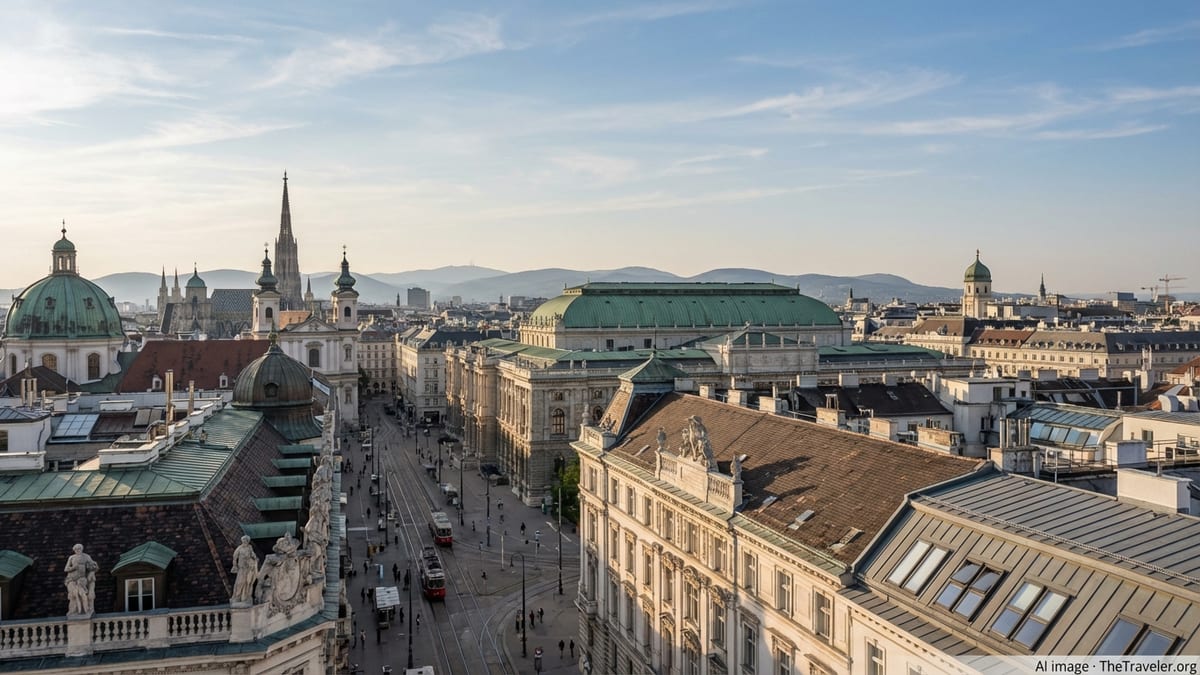
Austria’s cultural depth is one of its most compelling arguments for a place on a first-time itinerary. Vienna alone offers layers of history, music, cafe culture and architecture that can occupy several days without feeling repetitive. The city’s grand Ringstrasse, imperial palaces and museums showcase the legacy of the Habsburg empire, while concert halls and opera houses maintain a living classical music tradition that remains accessible to visitors. Yet Vienna also functions as a modern European capital, with lively neighborhoods, contemporary art spaces and an expanding food scene that goes far beyond schnitzel and strudel.
Salzburg, smaller and more compact, distills much of what many travelers imagine when they think of Austria: baroque domes, fortress-topped hills, and river views framed by distant peaks. Graz and Innsbruck, although less internationally famous, often prove to be surprises for first-timers. Graz mixes a well-preserved old town with a youthful energy driven by universities, while Innsbruck blends colorful streets with easy access to cable cars and hiking trails. For travelers who want variety without long travel days, Austria’s cities provide distinct personalities within manageable distances.
An important, if less tangible, factor is how Austria feels to new visitors. There is a certain formality in service and social interactions, especially compared with Southern Europe, but it usually coexists with efficiency and a quiet pride in doing things well. English is widely spoken in cities and tourist areas, particularly among younger residents and hospitality staff. Travelers who make even a small effort with German greetings and thank-yous often find that doors open more readily and conversations become warmer.
From a cultural perspective, Austria works particularly well for travelers interested in music, architecture and the performing arts. Regular concert series, from symphonies to intimate chamber performances, run throughout the year in Vienna and Salzburg, and tickets are often more accessible in price and availability than comparable events in some neighboring countries. For a first-time traveler keen on experiencing European high culture without feeling shut out, this accessibility is a notable plus.
Landscape, Seasons and Outdoor Appeal
Austria’s compact size belies the variety of landscapes it offers, which is a strong point for first-time visitors who want both city experiences and nature. The eastern lowlands gradually rise into the Alpine spine that dominates much of the country, creating options that range from wine-growing valleys along the Danube to jagged peaks and high meadows. This diversity, combined with efficient transport, makes it realistic to pair a city stay in Vienna or Salzburg with a few days in the mountains without long transfers.
Seasonality, however, plays a major role in whether Austria is a good fit for your first trip. Winter is magical in the right circumstances: Christmas markets in Vienna, Salzburg and smaller towns, illuminated historic centers and snow-draped villages in the Alps attract many visitors. For those comfortable with cold temperatures and early nightfall, the atmosphere can be unforgettable. Yet winter also brings shorter sightseeing hours, occasional travel disruption due to snow, and higher prices in ski regions. First-timers unused to winter driving may prefer to rely entirely on trains and shuttles or to visit outside the deepest cold months.
Spring and autumn arguably offer the best balance for first visits. In April and May, cities emerge from winter with blooming parks and cafe terraces, while the high Alps remain snow-capped but lower trails become accessible. September and October bring stable weather more often than not, harvest festivals in wine areas, and quieter hiking paths after the summer peak. Summer delivers long days and a full slate of outdoor events, but also more crowds in lakeside towns and popular viewpoints. For a traveler sensitive to heat, humidity tends to be less oppressive than in Mediterranean countries, although late-summer days can still feel very warm.
Austria’s outdoor infrastructure is another point in its favor. Well-marked hiking trails, maintained bike paths and clear signage make it easier for inexperienced travelers to explore nature without hiring guides for every excursion. Mountain huts, cable cars and chairlifts extend access to higher terrain, and even day-trippers can enjoy panoramic vistas with relatively modest effort. For a first-time European traveler who dreams of Alpine scenery but is not ready for backcountry adventures, Austria’s balance of accessibility and beauty can be compelling.
Tourism Pressure, Crowds and Authenticity
No evaluation of Austria in 2026 would be complete without acknowledging the pressures of overtourism in certain hotspots. Small, picturesque towns like Hallstatt have struggled with the sheer volume of day-trippers in recent years, at times experimenting with physical barriers and limits on buses to manage viewpoints and protect residents’ quality of life. While these measures aim to preserve the town, they also illustrate how heavily photographed places can feel more like open-air backdrops than functioning communities for much of the day.
For first-time travelers, this raises a key question: will you experience the authentic Austria you imagine if you focus only on its most famous scenes. The answer is mixed. Visiting an iconic village on a calm shoulder-season morning can be enchanting, but arriving at midday in high summer may mean jostling with tour groups and struggling to find space on the lakeshore. Similar dynamics, though less extreme, play out in central Salzburg and some Vienna landmarks at peak hours. Understanding that social media fame carries a cost can help set realistic expectations.
The good news is that Austria offers abundant alternatives with fewer crowds. Lakes and valleys throughout Salzkammergut, Carinthia and Styria share many of the visual qualities that make Hallstatt and similar spots so appealing, without the same bus traffic and Instagram-driven congestion. Second cities and smaller towns, from Graz to Linz and Bregenz, retain lively local cultures and attractive historic cores yet rarely feel overwhelmed. For a first-time traveler willing to step slightly off the most trodden path, it is entirely possible to balance a quick visit to a famous viewpoint with longer stays in quieter, equally charming settings.
Authenticity also depends on how you choose to spend your time. Seeking out neighborhood cafes rather than only flagship coffee houses, visiting weekly markets alongside museums, and walking residential streets just beyond the main tourist ring all help reveal everyday Austrian life. In that sense, Austria rewards curiosity and a slower pace. Travelers whose ideal first trip involves checking off the maximum number of bucket-list photos might find other destinations more instantly gratifying, but those who value a sense of place often find Austria’s rhythm very satisfying.
Who Will Love Austria on a First Trip, and Who Might Not
Austria is not a universal match for every first-time traveler, and recognizing that is important when weighing whether it is “worth it.” The destination tends to suit visitors who appreciate culture and scenery as much as, or more than, nightlife. If your dream Europe trip centers on late-night beach clubs, celebrity chef restaurants and cutting-edge fashion districts, cities like Barcelona, Paris or Berlin may fit better. Austrian cities have bars, contemporary dining and cultural events, but the overall tone is more measured than hedonistic.
On the other hand, Austria shines for travelers who want a mix of museums, music, historic architecture and access to nature, all wrapped in a relatively calm, orderly environment. Couples seeking a romantic but not overly flashy destination, solo travelers who prioritize safety, and families who value reliable infrastructure often find Austria a strong first choice. The consistent availability of child discounts on transport, family-friendly attractions in cities, and easy day trips to lakes and mountains all support multi-generational travel.
Language can be another deciding factor. While English is widely spoken in tourist-facing roles, first-time travelers heading into smaller towns may encounter more situations where only German is used. Some see this as part of the adventure and a chance to practice basic phrases; others may find it intimidating. If you prefer destinations where English alone carries you almost everywhere with ease, you may want to concentrate your time in Vienna and Salzburg, or consider countries where English is an official language.
Finally, personal travel style matters. Austria tends to reward those who enjoy walking, appreciate public spaces like parks and riverfronts, and are willing to adjust to local dining hours and customs. It may be less appealing to travelers who want intense sensory overload from the moment they land. Rather than competing with the brightest lights of Europe, Austria offers a slightly quieter but deeply layered experience, which many first-timers later describe as a highlight of their early travel years.
The Takeaway
Is Austria worth it for first-time travelers. In many cases, yes, and sometimes emphatically so. Its strongest assets are safety, reliability, cultural richness and a rare combination of sophisticated cities and easily reached mountain and lake landscapes. For new travelers who feel some apprehension about managing logistics, Austria’s well-developed public transport and clear visitor infrastructure significantly lower the barriers to enjoying a rewarding trip.
Yet Austria is not automatically the best choice for every debut journey. It is a country of nuance rather than spectacle, more about lingering in cafes and strolling along rivers than racing between world-famous beach clubs or ultra-iconic skylines. Costs, while often fair for the quality provided, are not low, especially at peak times, and popular spots can feel strained by visitor numbers if you arrive at the wrong moment.
The decision comes down to what you want your first major trip to feel like. If you value calm over chaos, culture over constant partying, and the ability to move easily between grand boulevards and Alpine valleys, Austria is a compelling and often underappreciated starting point for exploring Europe. If your priorities lie elsewhere, you might keep Austria on your list for a second or third journey, when you are ready to savor its quieter strengths.
FAQ
Q1. Is Austria a good first European country for solo travelers.
Austria is generally an excellent choice for solo travelers because of its strong safety record, reliable public transport and clear visitor infrastructure. Cities like Vienna and Salzburg feel lively but not overwhelming, and English is widely spoken in tourist areas, which helps first-timers navigate with confidence.
Q2. How expensive is Austria compared with other popular European destinations.
Austria typically falls into the upper-middle range for costs in Europe. It is often cheaper than Switzerland, somewhat similar to Germany, and more expensive than many Central and Eastern European countries. You may find accommodation and dining prices in Vienna and Salzburg high in peak seasons, but everyday quality, especially in transport and public spaces, is usually strong for what you pay.
Q3. Do I need to speak German to travel comfortably in Austria.
You do not need to speak German to enjoy a first trip, especially if you focus on major cities and popular regions. English is commonly used in hotels, restaurants and attractions that cater to visitors. Learning a few basic German phrases for greetings, thanks and simple requests is still helpful and tends to be appreciated by locals.
Q4. Is public transport easy to use for someone new to Europe.
Yes, Austria’s public transport is one of its biggest advantages for first-time visitors. Trains, trams and buses run frequently, are usually punctual, and have clear signage, often in both German and English. Ticket machines and apps are straightforward, and city passes or day tickets remove much of the guesswork from getting around.
Q5. When is the best time of year for a first trip to Austria.
Spring and autumn are often ideal for first-time visitors, with milder weather, fewer crowds and more moderate prices than peak summer or winter holidays. April, May, late September and October typically offer a good balance of open attractions, pleasant temperatures and accessible walking and hiking options.
Q6. Are Austrian cities friendly for travelers with mobility concerns.
Major cities such as Vienna and Salzburg continue to improve accessibility, with many public transport vehicles offering low floors and step-free access at key stations. Historic centers can have cobblestones and uneven surfaces, so planning routes and choosing centrally located accommodation is important. It is wise to check individual attractions for specific accessibility details in advance.
Q7. How many days should a first-time visitor spend in Austria.
A well-paced first trip often runs from one to two weeks. With about a week, you can combine Vienna with a second base such as Salzburg or Innsbruck. With two weeks, it becomes realistic to add time in a lake or mountain region without rushing, giving you a broader sense of both urban and rural Austria.
Q8. Is Austria safe for families with children.
Austria is widely considered very safe for families. Public spaces and parks are well maintained, public transport usually accommodates strollers, and many attractions offer child discounts or family tickets. As always, standard precautions for crowded areas apply, but overall conditions tend to feel secure and welcoming for younger travelers.
Q9. Will I feel out of place if I am on a tight budget.
You can visit Austria on a careful budget, though it requires planning. Choosing shoulder-season dates, staying in smaller cities or towns, using supermarket picnic lunches, and relying on public transport instead of taxis all help control costs. You may not dine in the most famous restaurants, but there are many free or low-cost experiences, such as parks, viewpoints and church interiors.
Q10. Should I include Austria on my first Europe trip or wait until a later visit.
Include Austria on your first trip if you value safety, cultural depth and easy access to landscapes as much as iconic “must-see” sights. If your priorities are more focused on beach time, nightlife or specific landmarks in other countries, you might keep Austria in mind for a later journey when you can give its cities and mountains the slower attention they deserve.