

More news on this day
With visitor numbers rebounding and new direct flights launching from Australia and beyond, Bali remains one of Southeast Asia’s busiest holiday hubs in 2026, but changing visa rules, digital security concerns and a new tourism levy mean travelers should prepare carefully before they go.
Get the latest news straight to your inbox!
Overall Safety Picture in Bali in 2026
Recent tourism statistics indicate that international arrivals to Bali have continued to climb through 2025 and into early 2026, with several markets already surpassing pre‑pandemic levels. Reports from regional tourism bodies describe a broadly stable security situation on the island, with most incidents affecting visitors still linked to road accidents, petty theft, alcohol‑related incidents and water safety rather than targeted crime.
Publicly available crime data from Indonesia shows no widespread pattern of violence against tourists in Bali. However, local media and travel advisories consistently highlight risks such as motorbike crashes, unlicensed alcohol, rip currents and occasionally aggressive street scams around nightlife districts. Travelers are generally described as safe when they use licensed transport, wear helmets, avoid drink spiking risks and follow beach safety flags.
Health infrastructure has also expanded since borders fully reopened. Private hospitals and international clinics are concentrated in the main tourist corridors of Kuta, Legian, Seminyak, Canggu, Nusa Dua, Sanur and Ubud, and many can coordinate directly with foreign travel insurers. Nonetheless, travelers planning surfing, diving or remote trekking are still encouraged to have evacuation coverage, as serious cases may require transfer to larger hospitals in Denpasar or even Jakarta.
Environmental pressures remain an important part of the safety picture. Seasonal air pollution from burning on neighboring islands, coastal erosion and plastic waste periodically affect beach conditions. During the rainy season, flooding and landslides can disrupt road travel. While these issues rarely deter tourism outright, they reinforce the need to monitor local weather updates and build some flexibility into itineraries.
Flight Connectivity and 2026 Route Developments
Air connectivity to Bali’s Ngurah Rai International Airport continues to grow in 2026, especially from Australia. Aviation industry coverage during late 2025 and early 2026 highlights a wave of new or restored direct links from secondary Australian cities, helping to spread inbound traffic beyond the traditional Sydney and Melbourne gateways.
Indonesia AirAsia announced a new Melbourne–Bali route for 2026, with travel trade reports noting that daily services began operating in March 2026 at competitive promotional fares. Additional reporting shows Jetstar and other carriers restoring and extending seasonal routes from Newcastle and Avalon near Melbourne to Denpasar, boosting capacity into the island over the southern hemisphere winter holiday period.
From Europe and the Middle East, Bali is mostly reached via one‑stop services through major hubs such as Singapore, Kuala Lumpur, Bangkok, Doha and Dubai. Airline schedules in 2025 and early 2026 show increased wide‑body frequencies on these connecting routes, reflecting stronger demand from European holidaymakers and digital nomads basing themselves in Indonesia for longer stays.
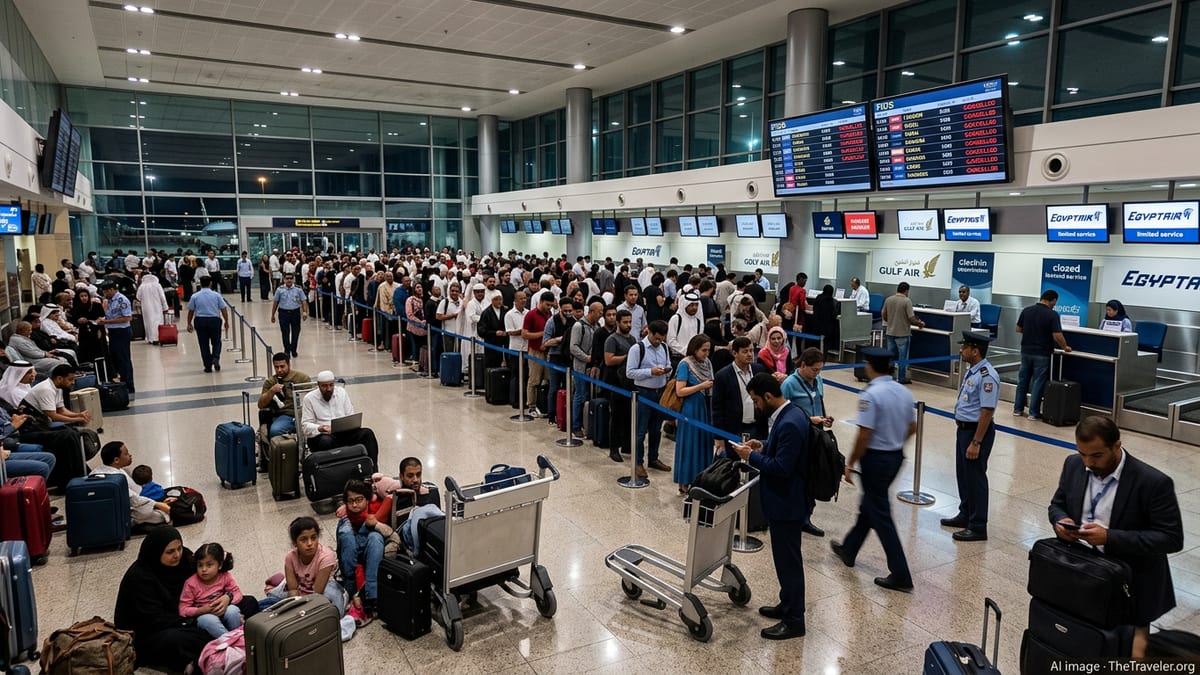
Operationally, Bali’s airport still faces peak‑hour congestion, especially around late evening arrival banks. Travel industry advisories recommend allowing extra time for immigration, baggage and ground transport at busy times, and suggest that travelers with onward domestic connections factor in longer buffers than they might have before the pandemic.
Visas, Tourist Levy and New Digital Procedures
Indonesia’s visa policy has evolved significantly since borders reopened, and early 2026 guidance from visa specialists and regional authorities indicates that most short‑term Bali visitors still rely on either visa exemption (where available) or the paid Visa on Arrival and its electronic counterpart, the e‑VoA. As of March 2026, multiple travel information services report that Indonesia has dropped all Covid‑19 vaccination and testing requirements for entry, simplifying arrival for most nationalities.
For many travelers, the Visa on Arrival remains available for stays of up to 30 days, with the option to extend once to 60 days through an immigration office. New rules implemented in mid‑2025 require that extensions for VoA and e‑VoA begin with online registration through the official immigration portal, followed by an in‑person biometric appointment at a local immigration office in Bali. Reports indicate that this change was introduced after a rise in immigration enforcement actions, and visitors who overstay can face fines, deportation or temporary bans.
Alongside visas, Bali’s provincial government has introduced a permanent tourist levy. Provincial regulations and consular notices confirm that since 14 February 2024, foreign visitors arriving in Bali are subject to a 150,000 rupiah per‑person tourism tax, including for children. Official guidance describes the fee as payable electronically through designated systems, with funds earmarked for cultural and environmental programs across the island.
Recent discussions in travel forums and legal analyses note a gap between local regulations and federal tax law, leading to some confusion about how consistently the levy is collected at ports of entry in 2026. Some travelers report that airport staff do not systematically verify payment, while others describe checks at dedicated counters or via barcodes in new arrival apps. Given the evolving enforcement, visitors are generally advised to budget for the levy and complete payment via recognized channels linked from official government or consular resources rather than via third‑party intermediaries.
Cybersecurity, Scam Risks and the e‑Visa Controversy
Beyond physical safety, digital security has become a prominent talking point for Bali‑bound visitors in early 2026. In March, widely shared forum posts alleged a data breach affecting Indonesia’s official e‑Visa portal, including concerns about unauthorized access to applicant information. While technical details are still emerging, the episode has prompted renewed scrutiny of how travelers submit sensitive data when arranging visas and travel documents online.
Cybersecurity specialists and experienced travelers consistently recommend accessing any Indonesian government portals only through addresses published on official ministry and consular sites, and avoiding links in unsolicited emails. Past reports of phishing schemes impersonating immigration services, sometimes redirecting payments to unrelated companies, underscore the risk of relying on search ads or social media promotions that mimic legitimate visa platforms.
At the same time, immigration procedure updates mean that online steps are increasingly unavoidable. The move to require online pre‑registration for visa extensions and the roll‑out of integrated customs and health declaration platforms, such as the All Indonesia app referenced in 2025 and 2026 guidance, have shifted more of the arrival process onto digital channels. Travelers who are uncomfortable uploading documents from unsecured networks may wish to complete registrations from home before departure, and to use temporary payment cards where possible.
On the ground in Bali, more traditional scams still occur around currency exchange, unmetered taxis and rental vehicle deposits. Local consumer advocates and traveler reports suggest using reputable money changers, confirming fares in advance or insisting on metered cabs, photographing rental vehicles at pickup and keeping copies of contracts. These practical steps, combined with basic digital hygiene, can significantly reduce common risks.
Practical Safety Advice for Visiting Bali in 2026
With Covid‑19 rules largely lifted, the key health considerations for Bali in 2026 focus on road safety, tropical illnesses and adventure activities. Travel health advisories continue to note a risk of dengue fever, particularly during and shortly after the rainy season, and recommend standard precautions against mosquito bites, including repellent, long sleeves in the evenings and staying in accommodation with screens or air‑conditioning.
Road safety remains one of the biggest hazards for visitors. Local data and insurance claims highlight a steady stream of motorbike accidents involving foreign riders, some of whom may not hold the appropriate license under Indonesian law. Travel insurers increasingly stress that claims can be denied if riders do not hold a valid motorcycle license from their home country or if they are not wearing a helmet. For many travelers, hiring a licensed driver rather than riding themselves significantly reduces risk.
In coastal areas, surf conditions and rip currents can change quickly. Bali’s lifeguard resources are concentrated on the busiest beaches, and not all stretches of coastline are patrolled. Seasoned surfers and local guides encourage visitors, particularly beginners, to take lessons from reputable schools, heed red flag warnings and avoid swimming alone at less developed or remote beaches.
Finally, as Bali becomes an even more popular base for long‑stay visitors, immigration compliance and respectful behavior are drawing more scrutiny. Indonesian media in 2024 and 2025 documented several high‑profile deportations linked to visa abuse and conduct seen as disrespectful to local customs. In 2026, observers expect enforcement to remain firm. Travelers who understand basic cultural etiquette, comply with temple dress codes and adhere closely to the terms and duration of their visa are far less likely to encounter problems and can enjoy the island’s renewed energy with greater peace of mind.