

Churchill, Manitoba sits on the subarctic shores of Hudson Bay and proudly calls itself the polar bear capital of the world. It is also one of Canada’s most unusual destinations, where a small, remote town shares its backyard with large predators, beluga whales, and vast stretches of tundra. For many travelers, the obvious question arises long before booking a tundra buggy tour or a flight north: is Churchill actually safe to visit, and what does wildlife safety really look like on the edge of polar bear country?
Understanding Churchill’s Unique Setting and Wildlife
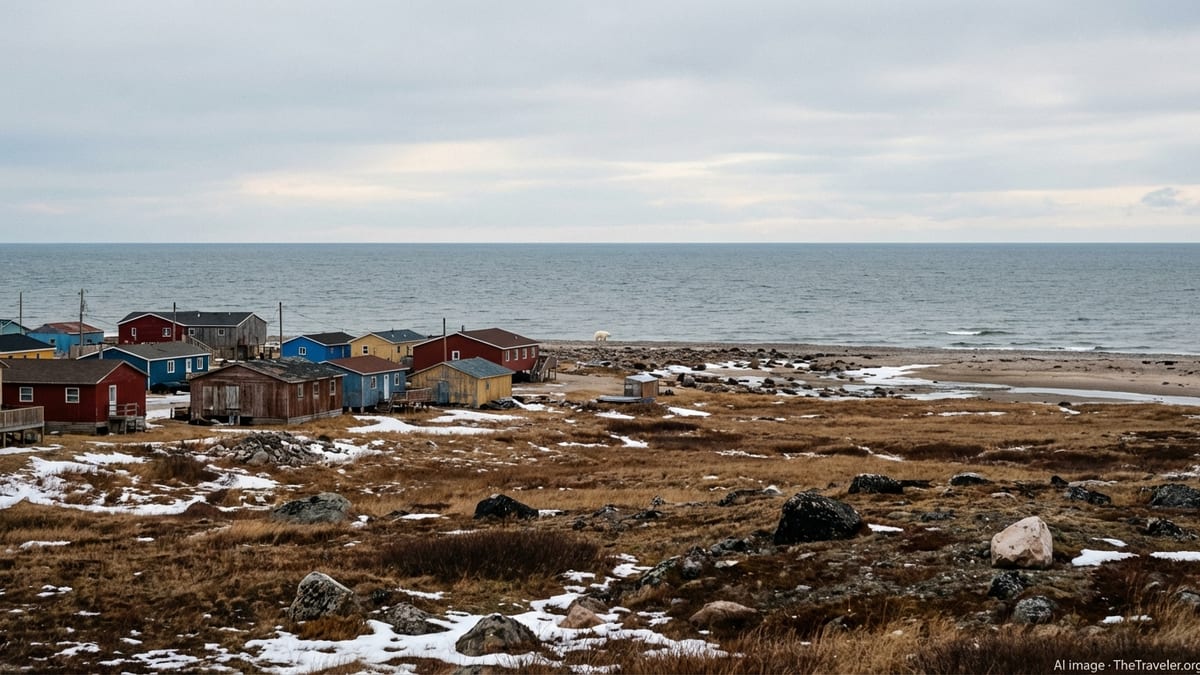
Churchill lies on the western shore of Hudson Bay in northern Manitoba, far from major roads and surrounded by boreal forest, wetlands, and open tundra. It is a frontier town in the truest sense, with fewer than 1,000 permanent residents and a seasonal influx of visitors who come to see polar bears in autumn, beluga whales in summer, and the northern lights in winter. The very isolation that makes Churchill feel adventurous is also part of its safety equation: services are limited, the climate is harsh, and wildlife is never far away.
The town sits at the northern edge of the boreal forest where it gives way to tundra and low-lying coastal flats. This transition zone creates rich habitat for wildlife. Polar bears wait here each fall for sea ice to form so they can hunt seals on Hudson Bay. Wapusk National Park, south of Churchill, protects one of the world’s most important polar bear denning areas, and several provincial and national protected areas surround the region. It is, in other words, true polar bear country, even when you are standing on Churchill’s main street.
In addition to bears, visitors may encounter arctic and red foxes, caribou, wolves, and a wide range of migratory birds. The Churchill River estuary fills with thousands of beluga whales in summer, and marine mammals such as seals and, less commonly, orcas may be spotted offshore. These animals are an enormous draw for travelers, but they are also wild and unpredictable, which shapes how the town manages safety.
Churchill has spent decades learning to coexist with wildlife. Rather than fencing animals out or shooting bears that wander too close, the community has developed a layered system of monitoring, education, and deterrence. This approach allows tourists to experience genuinely wild polar bears and other species while keeping serious incidents relatively rare.
How Safe Is Churchill in Practice?
For most visitors, Churchill is safe to visit provided they follow local guidance and respect the environment. Violent crime rates are low, and the town’s main safety concerns revolve around weather, remoteness, and wildlife. Serious polar bear attacks have been infrequent since the early 1980s, and the vast majority of tourists come and go without any dangerous encounters. When incidents do happen, they are taken very seriously and typically lead to a review of safety practices.
Within the town itself, you will immediately notice visible signs that Churchill operates differently from southern destinations. Polar bear warning signs stand at key access points, many residents leave their vehicles unlocked so anyone can use them as a quick refuge, and hotel staff routinely brief guests on when and where it is safe to walk. Conservation officers and local guides talk about safety as matter-of-factly as they discuss the weather, and their advice is based on long experience.
Travelers often find that the strict rules actually contribute to a sense of security. Knowing that there is a 24-hour polar bear alert line, that conservation officers actively patrol the area during peak bear season, and that tour companies operate under detailed safety regulations can be reassuring. Several local operators have been fined or sanctioned in recent years when they failed to follow established polar bear safety rules, which underscores that authorities are willing to enforce standards.
That said, it is important to recognize that Churchill will never be as predictable as a resort town in the south. This is a place where you might be advised not to walk between buildings alone late at night in autumn, where blowing snow can suddenly reduce visibility, and where a delayed flight or train can leave you in town longer than planned. Safety here depends on preparation, flexibility, and a willingness to listen to people who know the land.
The Polar Bear Alert Program and “Polar Bear Jail”
One of the key reasons Churchill remains relatively safe despite its proximity to polar bears is the long-running Polar Bear Alert Program. Operated by Manitoba conservation authorities, this program monitors bear activity in and around town, responds to public sightings, and works to prevent dangerous encounters before they happen. A 24-hour emergency number allows residents and visitors to report bears that approach too closely, triggering a rapid response from trained officers.
Most of the time, officers rely on deterrence rather than force. They use loud vehicles, horns, cracker shells, and other non-lethal tools to haze bears away from the community. These techniques create negative associations with town, encouraging the animals to move back to the coast or out onto the ice. During peak season in October and November, conservation staff may be called out multiple times during a single night as they escort curious or persistent bears away from neighborhoods and roadways.
If a bear continues to linger or shows signs of becoming habituated to human presence, it can be captured and taken to the Polar Bear Holding Facility on the edge of town. Often referred to by locals and visitors as the polar bear jail, this secure building houses problematic bears in individual cells for several weeks. The goal is to remove the animal from circulation during the most sensitive time of year and then relocate it by helicopter to a safer distance once Hudson Bay’s ice has formed.
This system has greatly reduced the need to kill bears that wander into town, and it plays a direct role in human safety. Instead of tolerating a bear until it becomes truly dangerous, officers can act early. For visitors, knowing that both proactive patrols and a secure holding facility exist offers another layer of reassurance. Still, the program is not a shield that allows people to ignore common sense. Residents emphasize that they remain alert every day of the season, and travelers should adopt the same mindset.
Season by Season: When Risks Are Highest
Churchill changes dramatically with the seasons, and so do the patterns of wildlife activity and associated risk. The most famous time to visit is autumn, typically from early October through mid November, when dozens of polar bears congregate along the coast awaiting the formation of sea ice. This is also when the potential for bear encounters is highest, and when safety rules are most strictly enforced.
During peak bear season, visitors are strongly discouraged from walking outside town after dark or roaming along the coast on their own. Many locals rely on taxis for even short nighttime trips, and small groups are advised to stay together, keep to well-lit areas, and constantly scan their surroundings. Tourists who want to see bears up close almost always do so on specialized tundra vehicles or guided tours to the Churchill Wildlife Management Area, where height, distance, and experienced guides provide controlled viewing.
Summer brings a different set of considerations. From roughly mid June to August, beluga whales fill the Churchill River estuary, migratory birds arrive, and temperatures moderate. A few polar bears may still be present around town and along the coast, so bear safety remains relevant, but encounter rates are generally lower than in late autumn. Boating and kayaking with belugas are popular, and reputable operators brief participants on how to behave safely around both whales and any bears that might appear on shore.
Winter and early spring tend to see fewer visitors, but those who come for the northern lights or deep-winter photography must prepare for extreme cold, limited daylight, and potential wildlife tracks near town. Even when bears are farther out on the sea ice hunting, residents advise checking surroundings before stepping outside, dressing for rapid temperature drops, and respecting any closures or warnings. In all seasons, the combination of remoteness, sparse infrastructure, and active wildlife means travelers should build contingency time into their plans.
Practical Safety Tips for Visitors
The most effective safety strategies in Churchill are simple, consistent habits rather than complicated techniques. Before arrival, it helps to thoroughly review official polar bear safety information and any materials provided by your tour operator or accommodation. Many hotels and lodges offer written guidelines in guest rooms, and guides will often repeat key points at the start of excursions.
In town, one of the golden rules in autumn is to avoid walking alone, especially at night or in low-visibility conditions. Travelers are urged to look outside before leaving a building, use main streets instead of back alleys, and steer clear of poorly lit or obscured areas. It is wise to identify safe zones in advance, such as open businesses, hotels, or vehicles you can retreat to if a bear appears. Locals commonly leave car doors unlocked for exactly this reason.
Outside town limits, independent exploration is generally discouraged during peak bear season unless you are with a qualified guide. Walking or cycling along the shoreline in autumn is considered particularly risky, as bears tend to follow the coast while waiting for ice. Even in summer, hikers are advised to avoid carrying food in accessible packs, minimize strong scents, and stay alert for tracks or fresh sign. Seemingly harmless attractions, such as seal or whale carcasses washed ashore, can be extremely dangerous because bears may be guarding them.
On organized tours, the best safety tip is to listen closely to your guide. Operators with long experience in Churchill know how bears typically behave around tundra vehicles, boats, or viewing platforms, and they will instruct guests not to lean too far over railings, feed animals, or encourage close interactions. Visitors who respect these rules not only protect themselves but also help ensure that bears do not become habituated to people or vehicles, which preserves safety for future travelers.
Human–Wildlife Coexistence and Local Regulations
Churchill’s relationship with wildlife is guided by a mix of community norms, conservation objectives, and formal regulations. The town’s residents have adapted their daily routines to minimize conflict. Children grow up with rules about where they can play and when they must stay indoors, especially in autumn. Seasonal patrols, Halloween bear watch teams, and school safety programs are all part of life here, and visitors step into a community that takes coexistence seriously.
Provincial and federal agencies regulate how tourism operators may interact with polar bears and other wildlife. Licences for bear-viewing activities, boat tours, and visits to protected areas come with conditions on distance, group size, and conduct. When operators fail to meet these conditions, authorities have shown a willingness to issue fines or other penalties. This enforcement is an important safeguard: it helps ensure that commercial pressures do not override safety or conservation needs.
Travelers also play a role in this system. By choosing reputable, licensed operators and declining activities that seem to push too close to wildlife, visitors send a clear signal that safety and animal welfare matter. Giving positive feedback to companies that follow best practices encourages others to do the same. Conversely, reporting unsafe behavior to local authorities helps maintain high standards across the industry.
In the long term, Churchill’s viability as a destination depends on both human safety and the well-being of the wildlife that draws people north. Climate change is already altering sea ice patterns and potentially affecting bear behavior and body condition. While scientists and policymakers debate the long-range implications, the community’s day-to-day response remains rooted in practical steps: keep attractants under control, deter bears from town, educate visitors, and work with tour operators who minimize disturbance.
Health, Weather, and Logistical Considerations
Wildlife is only part of the safety picture in Churchill. The subarctic climate, limited medical facilities, and logistical constraints all add layers of complexity that travelers should consider. Temperatures can drop sharply in autumn and winter, with wind chill making conditions feel significantly colder than the thermometer suggests. Blizzards and fog occasionally disrupt flights or train service, and the town’s isolation means that delays can last longer than in more connected regions.
Visitors with existing medical conditions should consult a health professional before traveling and carry any necessary medications, as pharmacy options in Churchill are limited and specialized care is not available locally. Travel insurance that covers medical evacuation can provide peace of mind, particularly for winter visits or remote excursions. Dressing appropriately is another core safety measure: layered clothing, insulated boots, windproof outerwear, and proper head and hand protection can prevent frostbite and hypothermia.
Because Churchill is not connected to the rest of Manitoba by road, most travelers arrive by air or train. This isolation has safety implications. You cannot easily rent a car and drive to a larger city if your flight is cancelled, and supplies in local stores may be limited or more expensive. Planning a buffer day at the start or end of your trip is prudent, and being mentally prepared for schedule changes reduces stress if weather intrudes on your plans.
Communication infrastructure may be less robust than in major urban centers. While mobile coverage exists in town, it can drop quickly once you move into surrounding areas. On organized tours, operators typically carry radios or satellite devices, but independent visitors should not assume they will always have a strong mobile signal. Letting someone know your movements, sticking to established routes, and avoiding spontaneous side trips off the beaten path contribute to basic personal safety.
The Takeaway
Churchill is one of the few places on earth where you can watch wild polar bears pacing across sea ice, hear beluga whales breathing just meters from a boat, and step out of a small town hotel into a landscape that feels truly remote. With that privilege comes a responsibility to respect the environment and the animals that live there. For travelers willing to prepare, listen, and adapt, Churchill can be a remarkably safe place to experience the subarctic.
The town’s layered safety systems, from the Polar Bear Alert Program to strict tour regulations and deep local knowledge, have kept serious incidents relatively rare. At the same time, Churchill is not a controlled wildlife park. It is a real community in a challenging environment, where the risks of weather, remoteness, and large predators are managed rather than eliminated. Approaching your trip with humility and caution is not a reason to be afraid; it is the key to fully enjoying what Churchill offers.
Ultimately, the decision to visit comes down to personal comfort with adventure and uncertainty. If you are excited by the idea of a town where cars are left unlocked as emergency bear shelters, where conservation officers patrol the streets in autumn, and where the northern lights can blaze overhead on a clear winter night, Churchill may be exactly the right destination. With sound planning and respect for local expertise, most travelers find that the rewards far outweigh the risks.
FAQ
Q1: Is Churchill safe for tourists overall?
Churchill is generally safe for tourists who follow local guidance, stick with reputable tour operators, and respect wildlife and weather conditions. Most visitors experience no serious safety issues.
Q2: How common are polar bear attacks in Churchill?
Polar bear attacks are rare, especially since the Polar Bear Alert Program and holding facility were established. However, the risk is real enough that safety rules are taken very seriously.
Q3: Can I walk around town on my own?
You can usually walk around central Churchill during daylight, but in autumn you should avoid walking alone at night, stay in well-lit areas, and always check outside before leaving a building.
Q4: Do I need a guide to see polar bears safely?
Yes. The safest and most responsible way to see polar bears is on a guided tour using tundra vehicles or licensed operators who understand bear behavior and local regulations.
Q5: What time of year is safest to visit Churchill?
Each season has different considerations. Autumn has more bears and stricter safety rules, while summer offers beluga viewing with somewhat lower bear activity. Weather and preparedness matter in all seasons.
Q6: Is Churchill safe for children and families?
Many families visit Churchill safely every year. Parents must closely supervise children, follow all bear safety advice, and rely on experienced guides for wildlife viewing.
Q7: How prepared is Churchill for medical emergencies?
Churchill has basic medical services but no large hospital. Serious cases may require evacuation to a bigger center, so travel insurance with medical coverage is strongly recommended.
Q8: What should I do if I see a polar bear near town?
Do not approach or try to photograph the bear up close. Move calmly to the nearest safe building or vehicle and alert local authorities or your accommodation immediately.
Q9: Are beluga whale tours safe?
Beluga tours with licensed operators are generally safe. Guides brief guests on how to behave around whales and any potential bears on shore, and provide appropriate safety gear for conditions.
Q10: Is it safe to explore outside town on my own?
Independent exploration beyond town limits is not recommended during peak bear season. Even in other months, travelers should use extreme caution and ideally go with a local guide.