

Colorado’s soaring peaks, lively cities, and outdoor adventures attract millions of visitors every year. Yet like any popular destination, it has genuine risks travelers should understand. This honest guide looks at crime, roads, weather, wildlife, and natural hazards so you can decide how safe Colorado is for you and how to visit wisely.
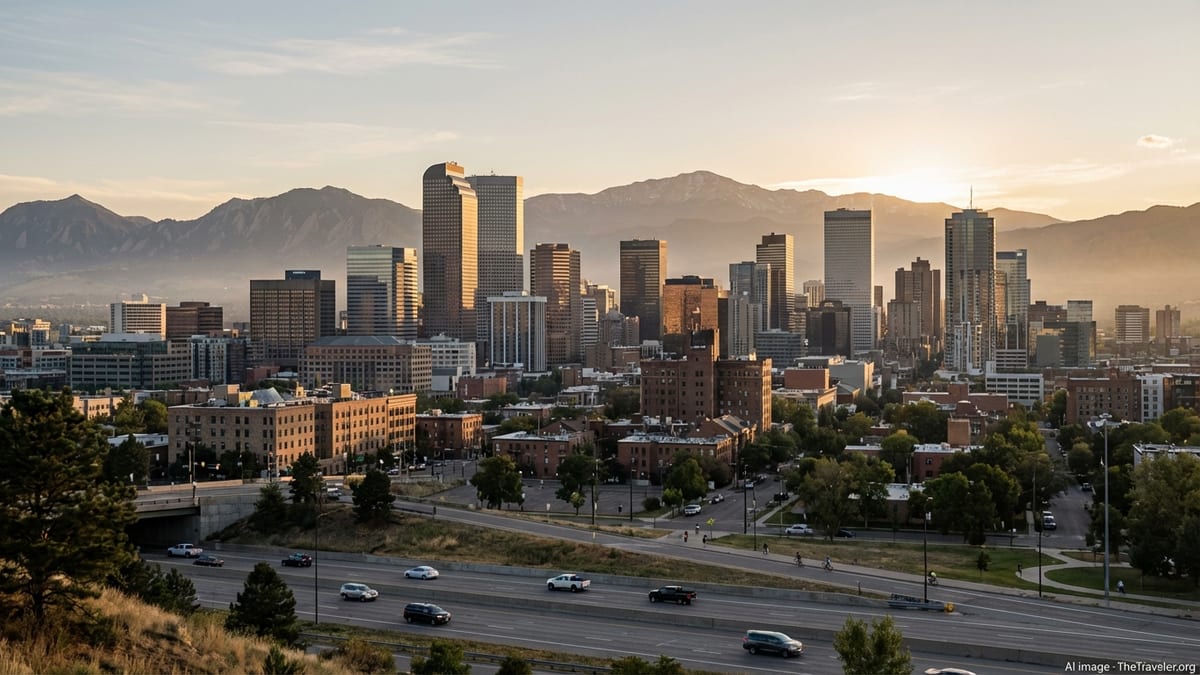
How Safe Is Colorado Overall for Visitors?
For most tourists, Colorado is generally a safe destination, especially if you stick to well‑traveled areas and use the same common‑sense precautions you would in any major U.S. state. Millions of people visit Denver, Colorado Springs, ski towns, and national parks every year without serious incidents. Violent crime rarely touches typical sightseeing, hiking, or ski itineraries, and most trips pass without more than a minor mishap like sunburn or a twisted ankle.
Statewide crime patterns mirror many other parts of the United States: some city neighborhoods and nightlife districts see higher rates of violent and property crime, while mountain towns and rural areas tend to feel quieter and more community‑oriented. Visitors who research neighborhoods, stay aware in downtown cores at night, and lock vehicles and hotel doors dramatically reduce their risk.
It is important to recognize that Colorado’s biggest safety challenges for travelers often come from its environment rather than from crime. Altitude, winter driving, rapidly changing weather, and seasonal wildfires all play a major role in travel safety. Preparing for these factors is often more critical than worrying about street crime.
Overall, if you plan ahead, monitor conditions, and respect the mountains and weather, Colorado can be as safe as other leading U.S. vacation spots. The key is understanding where the real risks lie and building your itinerary around smart choices.
Crime and City Safety: Denver, Colorado Springs and Beyond
Denver, Colorado Springs, and a handful of resort communities are the main urban hubs most visitors encounter. Crime in these areas is not uniform. Central business districts, nightlife corridors, and some residential neighborhoods see more violent incidents and property thefts than outlying or tourist‑focused zones. At the same time, large parts of these cities remain relatively calm and family‑friendly, especially during daytime hours.
Recent data show that Denver has experienced a notable decline in homicides, reversing some of the spikes seen during the pandemic period. Analysts point out, however, that several categories of violent and property crime still sit above pre‑2020 levels. That means visitors should avoid complacency in downtown districts, especially late at night. In practice, that looks like staying in well‑reviewed accommodation, favoring busy lit streets over deserted shortcuts, and using rideshares or taxis rather than walking long distances after dark.
Tourists are more likely to experience minor theft than violent crime. Car break‑ins in city centers, trailhead parking lots, and popular viewpoints remain a recurring problem. Never leave bags, electronics, or luggage visible in a parked car, even during quick stops. Store valuables out of sight before you arrive at your destination, keep doors locked, and consider choosing parking garages or lots with attendants when available.
Smaller cities and mountain towns such as Fort Collins, Boulder, Durango, Aspen, Vail, and Breckenridge typically report lower violent crime rates but are not completely immune to theft, bar‑related scuffles, or the occasional high‑profile incident. In these destinations, the most common issues for visitors are impaired driving, late‑night disorder in bar districts, and vehicle theft or break‑ins. Basic big‑city habits go a long way: moderate your alcohol consumption, stick with trusted companions, and secure your belongings.
Road Safety, Winter Driving and Mountain Passes
Colorado’s road network gives access to some of the most spectacular scenery in the United States, but it also presents serious safety challenges, particularly in winter and during storms. Interstate 70, the main artery to major ski resorts, is notorious for heavy traffic, sudden snow, and long closures caused by crashes, avalanche control operations, or spinouts on steep grades. Pileups involving dozens of vehicles are not unheard of during intense winter storms.
State transportation officials emphasize that unprepared drivers, especially visitors unfamiliar with mountain conditions, are a major factor in closures and serious incidents. Winter traction and chain laws are enforced along key segments of I‑70 and other high‑elevation highways from roughly early September through late May. During storms, passenger vehicles may be required to have adequate winter or all‑weather tires with sufficient tread, chains, or other traction devices. Two‑wheel‑drive cars without proper tires or chains can face fines and, more importantly, create dangerous situations for everyone on the road.
In addition to traction rules, Colorado increasingly uses targeted enforcement such as speed cameras in work zones and stricter restrictions on trailers and towed vehicles during storm periods on mountain corridors. These measures are meant to reduce crashes and shorten closure times, but they also mean visitors must pay careful attention to posted signs and variable message boards. Ignoring these warnings not only risks a citation; it can put you, your passengers, and responders in danger.
For safe driving, plan extra time, check road conditions and closures before departure, and be willing to delay or reroute your trip if forecasts look severe. On snow or ice, reduce your speed, lengthen following distance, and avoid abrupt lane changes or hard braking. Many visitors prefer to book shuttle services or local transportation in winter to avoid the stress of navigating icy passes. In the summer months, the main hazards shift to heavy traffic, steep drop‑offs, distracted driving, and sudden thunderstorms that can reduce visibility. The same rule applies in every season: drive slower than you think you need to and respect the mountains.
Altitude, Weather and Outdoor Adventure Risks
Colorado’s outdoor lifestyle is a major draw, but the same high‑altitude environment that makes for great skiing and hiking can challenge unacclimated visitors. Much of the state’s population centers sit around 5,000 to 6,500 feet above sea level, and many popular trailheads and ski resorts are considerably higher. Visitors arriving from sea level can experience headaches, fatigue, dizziness, or nausea within the first day or two at elevation. While most cases of altitude sickness are mild, severe forms can be dangerous and require immediate descent and medical care.
To reduce altitude‑related risks, ease into physical activity, especially within the first 24 to 48 hours after arrival. Drink more water than you usually would, avoid excessive alcohol on your first nights in the state, and choose gentler hikes or lower‑elevation activities before tackling high passes or summit routes. Families traveling with young children, older adults, or travelers with heart or lung conditions should speak with a health professional before their trip and consider spending the first night or two in a lower‑elevation city before heading higher into the mountains.
Rapidly changing weather is another major safety factor. In the mountains, clear blue skies can give way to thunderstorms, hail, or snow within a few hours, even in late spring or early fall. Lightning strikes are a serious risk above treeline, particularly in summer afternoons. Align your days so that high‑exposure hikes start early in the morning and bring layers, waterproof gear, and extra food and water. Turn back if dark clouds build or thunder is audible, even if your original plan was to continue.
In winter, cold temperatures and wind can cause frostbite or hypothermia faster than many visitors expect, especially when combined with exertion and wet clothing. Whether you are skiing, snowshoeing, or simply walking around town, proper footwear with traction, insulated layers, hats, and gloves are essential. Backcountry travelers should treat avalanche risk with utmost seriousness and consider guided trips or courses if venturing beyond controlled ski areas. Respect posted warnings, area closures, and local advice; ignoring them can have life‑threatening consequences.
Wildlife, Wildfires and Natural Hazards
Colorado’s landscapes are home to elk, bighorn sheep, black bears, mountain lions, and, in some regions, moose. For most visitors, wildlife encounters are peaceful and memorable. Attacks on humans are rare, but they can occur when animals feel threatened, cornered, or habituated to human food. The safest approach is to observe from a distance, never feed wildlife, secure food and trash at campsites and cabins, and give large animals plenty of space on trails or roads.
Bear activity increases in many mountain communities during late summer and fall as they search for food, and moose can be surprisingly aggressive if approached too closely. Follow park and forest guidelines on food storage, keep car windows closed when food is inside, and back away slowly if an animal notices you and seems agitated. A zoom lens or binoculars are safer tools for photos than walking closer for a better shot.
Wildfires have become a recurring seasonal concern in Colorado, especially during hot, dry summers and early autumn. Fires can burn quickly through forests and grasslands, leading to road closures, trail and campground evacuations, and air‑quality alerts. In some years, large incidents near communities have triggered state emergency declarations and prompted major firefighting operations. For visitors, the primary risks are smoky air, reduced visibility, and potential disruptions to itineraries rather than direct exposure to flames.
Travelers can help reduce wildfire risk by strictly following local fire restrictions, using existing fire rings where fires are allowed, fully extinguishing campfires, and avoiding activities that could send sparks into dry vegetation. Before and during your trip, monitor local news, park or forest service updates, and state tourism resources for fire conditions and closures. If an evacuation is ordered in your area, follow instructions immediately and calmly; plans are designed to move people out of danger before conditions become critical.
Tourist Hotspots: Ski Towns, National Parks and Trailheads
Colorado’s top tourist destinations each come with distinct safety profiles. Ski resorts such as Vail, Breckenridge, Aspen Snowmass, and Winter Park revolve around managed slopes, patrol teams, and medical clinics that handle common injuries like sprains, fractures, and concussions. Within resort boundaries, terrain is controlled for avalanches and marked according to difficulty. The primary risks for visitors are skiing or snowboarding beyond their skill level, ignoring slow zones, and mixing alcohol or cannabis with high‑speed snow sports.
In these towns, nightlife and crowded après‑ski scenes can lead to impaired judgment, slips and falls on icy sidewalks, or conflicts in bars. Visitors can minimize trouble by pacing their drinks, wearing traction‑friendly footwear in the evenings, and arranging safe transportation back to lodging. Personal theft rates in ski villages tend to be lower than in big cities, but unattended gear, skis, and snowboards can still disappear from racks or outside bars. Label your equipment and avoid leaving valuables unattended.
National parks such as Rocky Mountain National Park, Mesa Verde, and Black Canyon of the Gunnison offer more remote, rugged experiences. Search and rescue calls in these areas often stem from overconfidence, poor preparation, or ignoring posted signs. Visitors who stick to marked trails, carry maps or downloaded offline navigation, and pack essentials like extra layers, water, and a simple first‑aid kit are far less likely to need assistance. Cell coverage can be spotty or nonexistent, so you should never rely on your phone alone for navigation or emergencies.
Trailhead parking areas throughout the state remain one of the more frequent locations for car break‑ins targeting outdoor gear and visible electronics. Reduce your risk by arriving early, keeping valuables unseen, and choosing busier trailheads where turnover is high. In many regions, parking lots can fill up quickly in peak season; plan backup options so you are not forced into unsafe shoulder parking on narrow roads or rushing to beat sunset.
Legal Environment: Cannabis, Alcohol and Local Regulations
Colorado’s legal landscape can surprise visitors, especially when it comes to cannabis and alcohol. Recreational cannabis is legal for adults 21 and older under state law, and licensed dispensaries operate in many cities and towns. However, using cannabis in public spaces, driving under the influence, or attempting to carry products across state lines remains illegal. Police and highway patrol officers do enforce impaired‑driving laws, and visitors can face serious legal and safety consequences if they use cannabis or alcohol and then get behind the wheel.
Effects of cannabis and high‑altitude alcohol consumption can feel stronger than expected for some travelers. Combined with unfamiliar mountain roads or intense outdoor activities, impairment can quickly become dangerous. The safest approach is to avoid using intoxicants before driving, skiing, or hiking and to consume only in private spaces where it is permitted. Hotels, rentals, and homeowners may set their own rules; violating them can result in fines or eviction.
Open‑container laws still apply in Colorado, though some cities have designated social districts or specific zones where public alcohol consumption is allowed during certain hours or events. These areas are clearly marked, and outside them you can be cited for public drinking or disorderly conduct. Visitors who are unsure about local rules should check with tourism offices, hotel staff, or city information before bringing drinks outside.
Other regulations with safety implications include leash requirements for dogs on many trails, seasonal closures to protect wildlife, and restrictions on drones near airports, wildfire operations, or sensitive natural areas. Following posted instructions protects not only you and your group but also residents, emergency responders, and the landscapes you came to enjoy.
Practical Safety Tips for a Low‑Stress Colorado Trip
Even though Colorado has real risks, most of them are manageable with planning and awareness. Start by choosing lodging in reputable neighborhoods or well‑known resort areas and reading recent reviews that mention safety, noise, and cleanliness. Share your itinerary with someone at home, especially if you plan to hike, drive remote passes, or visit less populated regions. Many visitors build a rest day into their schedule after arrival to adjust to altitude before strenuous activities.
Pack for variety. Regardless of season, layers, sturdy walking shoes, sun protection, and a refillable water bottle are essential. In colder months, add insulated, waterproof outerwear, gloves, and traction aids for shoes if you will be walking on snow or ice. For summer and shoulder seasons, include a light rain jacket and warmer layers for evenings, particularly in the mountains. If you plan on backcountry hiking or camping, consider carrying basic navigation tools, a headlamp, and a small emergency kit.
In cities, treat Denver or Colorado Springs like any other sizeable metro area. Avoid flashing expensive jewelry or electronics, keep bags zipped and close to your body, and use hotel safes for passports and spare cash when available. Rideshare apps, taxis, and public transit can offer safer choices than walking long distances late at night, especially in unfamiliar neighborhoods. If an area feels uncomfortable, trust your instincts and move to a busier or better‑lit location.
For road trips, check weather and road condition resources before each driving day and again shortly before departure, since conditions can shift quickly. Top off your gas tank in larger towns, particularly when heading into the mountains, and keep warm clothing, snacks, and water in the car in case of delays. Respect any closure or chain‑control points you encounter; they are usually in place because of active hazards ahead, not as an inconvenience designed to slow you down.
The Takeaway
Colorado is not a risk‑free playground, but it is also not an especially dangerous destination for travelers who prepare thoughtfully. Its main hazards revolve around environment and infrastructure: altitude, winter roads, intense weather, wildfires, and, to a lesser extent, property crime in urban and parking‑lot settings. Serious violent incidents involving tourists are uncommon, especially for those who stick to mainstream attractions, national parks, and resort towns.
By combining basic big‑city awareness with mountain‑savvy habits, you can dramatically reduce your exposure to problems. That means checking road and weather conditions, easing into activity at altitude, staying sober when driving or navigating technical terrain, securing valuables, and respecting local laws and closures. Local agencies invest heavily in safety measures from avalanche control to highway traction enforcement so that visitors and residents can move more confidently around the state.
Ultimately, whether Colorado feels safe depends partly on your comfort with driving in snow, spending time at altitude, and exploring large cities. If you understand the landscape and plan within your limits, you are likely to find that Colorado offers a rewarding mix of adventure and security. Careful preparation does not diminish the magic of the Rockies; it lets you enjoy the state’s mountains, cities, and open spaces with peace of mind.
FAQ
Q1. Is Colorado safe for solo travelers?
Colorado is generally safe for solo travelers who use common‑sense precautions, especially in cities and on trails. Choose well‑reviewed lodging, avoid isolated urban areas at night, share your plans with someone at home, and favor popular, well‑marked hiking routes.
Q2. Which areas of Colorado should tourists avoid?
Most visitors do not need to avoid entire cities, but some neighborhoods in Denver and Colorado Springs have higher crime rates, particularly at night. Research specific districts, ask locals or hotel staff for current advice, and focus your time on established downtown, cultural, and resort areas.
Q3. How dangerous is winter driving in Colorado?
Winter driving can be hazardous, especially on mountain passes and Interstate 70 during storms. With proper tires or chains, slower speeds, and good planning around weather and closures, many visitors navigate safely, but inexperienced drivers may prefer shuttles or public transport.
Q4. Do I need to worry about altitude sickness?
Many travelers feel mild altitude effects when arriving in Colorado, particularly above 5,000 to 8,000 feet. Most cases are manageable with rest, hydration, and easing into activity, but more serious symptoms require descending and seeking medical care.
Q5. Are Colorado’s ski resorts safe?
Ski resorts operate with professional patrols, marked runs, and medical facilities, making them relatively safe for guests who stay in bounds and choose terrain that matches their skill level. Most injuries result from falls, collisions, or fatigue rather than major environmental dangers.
Q6. How common are wildlife attacks on tourists?
Wildlife attacks on tourists in Colorado are rare. Problems usually arise when people get too close, feed animals, or fail to secure food and trash. Keeping a safe distance and following park rules makes encounters far more likely to be positive than dangerous.
Q7. What should I do if there is a wildfire near my destination?
If a wildfire is burning near your destination, monitor official updates, follow any evacuation orders, and be flexible with your plans. Often the safest choice is to reroute or postpone travel to affected areas until conditions improve and authorities reopen roads and trails.
Q8. Is Denver safe to walk around at night?
Many parts of central Denver are safe to walk in the evening, especially busy, well‑lit streets and entertainment districts. As in any city, avoid poorly lit blocks, stay aware of your surroundings, and consider using rideshares or taxis for longer distances after dark.
Q9. How can I protect my car and belongings while hiking?
To reduce the risk of break‑ins at trailheads, remove or hide valuables before you park, lock doors and windows, and avoid leaving bags or electronics in view. When possible, choose busier trailheads and daylight hours, and carry essentials like wallets and passports with you.
Q10. Is Colorado safe for families with children?
Colorado is a popular destination for families and is generally safe for children when adults manage altitude, weather, and activity levels carefully. Choose age‑appropriate hikes and activities, keep kids close near roads and drop‑offs, and pack extra snacks, layers, and sun protection for long days outside.