

Colorado inspires big travel dreams. Snow capped peaks, red rock canyons, buzzing craft beer cities and iconic national parks all compete for attention on social media feeds. But behind the glossy images are real questions for travelers: Is Colorado actually worth visiting right now, with record tourism numbers, rising prices and reports of crowding in popular spots? This honest guide weighs the scenery, culture, costs and tradeoffs so you can decide if the Centennial State deserves a place on your itinerary.
How Popular Is Colorado Really Right Now?
Colorado is not a “hidden gem” anymore. Tourism has become one of the state’s economic engines, with tens of millions of visitors arriving each year. State tourism research indicates that roughly 95 million people visited Colorado in 2024, up from about 93 million in 2023, and visitor spending climbed to more than 28 billion dollars. That sustained demand tells you one thing clearly. Travelers keep coming back because they find the experience worth the trip.
Denver and the Front Range cities attract a huge share of those visitors. Recent figures show Denver alone welcoming more than 37 million visitors in 2024, with about 10 billion dollars in related spending supporting tens of thousands of local jobs. Colorado Springs and the Pikes Peak region also continue to grow, seeing more than 25 million visitors in 2024 and several billion dollars in spending. For a traveler, this popularity is a double edged sword. It means well developed tourism infrastructure and plenty of choice, but also crowds in marquee locations at peak times.
Zooming out, traveler behavior here closely tracks broader US trends. Outdoor recreation, road trips and city breaks remain primary reasons people come. Visiting friends and relatives continues to be the single biggest trip purpose, followed by touring, nature, events and city experiences. In practice that translates into full hotel lobbies on summer weekends, busy airport terminals and mountain trailheads with license plates from all over the country.
So when you ask whether Colorado is worth visiting, you are not testing an unproven destination. You are weighing a mature, high demand state that many travelers consider a “must see” for its outdoor landscapes, while accepting that you will not have it to yourself.
Colorado’s Landscapes: Are They As Spectacular As Advertised?
In a word, yes. The core reason Colorado continues to draw repeat visitors is the sheer variety of its natural scenery across a relatively compact area. The state is defined by the spine of the Rocky Mountains that runs north to south, but the story does not end at alpine peaks. You can stand above treeline on a 14,000 foot summit in the morning and watch sunset against desert cliffs or Great Plains grasslands that same day.
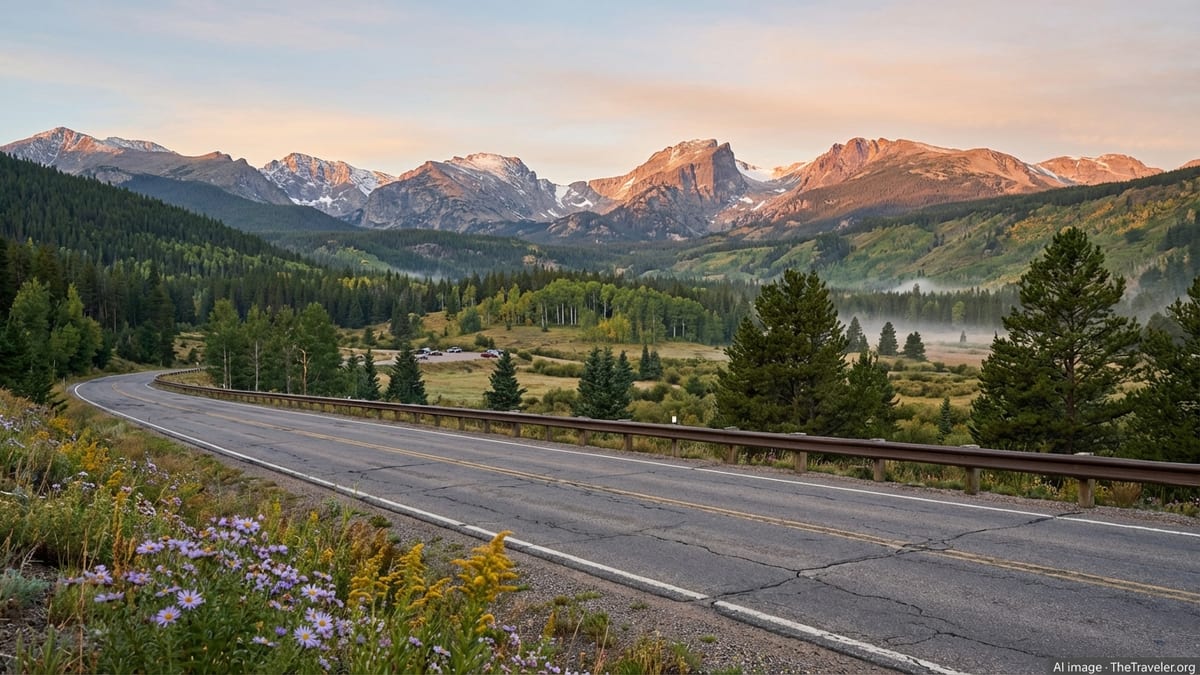
For classic mountain vistas, Rocky Mountain National Park remains a headliner. Peaks over 12,000 feet, glacially carved valleys, elk filled meadows and the high elevation Trail Ridge Road create the kind of views that draw people from around the world. Farther south, the San Juan Mountains near Ouray, Silverton and Telluride offer a wilder, often less developed feel, with tight canyons, high passes and abandoned mining roads that appeal to hikers and four wheel drive enthusiasts alike. These are the scenes many people picture when they imagine “Colorado.”
Yet some of the state’s most surprising landscapes are far from those alpine postcards. Great Sand Dunes National Park delivers an almost surreal spectacle of towering dunes backed by snowy peaks. To the southwest, the canyons and mesas near Mesa Verde and the broader Four Corners region transition toward the red rock country more often associated with neighboring Utah. Eastern Colorado, by contrast, flattens into wide open plains that can feel endless, especially at sunrise and sunset, and still carry a quieter, less touristed atmosphere.
For travelers deciding if Colorado is worth it, the key is matching expectations to geography. If you want dramatic alpine scenery with lots of trail access and mountain towns, you will find more than enough to fill a trip. If your ideal vacation is palm lined beaches or dense urban skylines, Colorado cannot offer that. Its strengths lie in big skies, rugged terrain and easy access to the outdoors rather than tropical relaxation or megacity nightlife.
Culture, Food and City Life: More Than a Mountain Backdrop?
Colorado’s cities are not just overnight bases for mountain excursions. Particularly along the Front Range corridor from Fort Collins through Denver to Colorado Springs, you will find a young, outdoors oriented population, a strong craft beer and distilling scene and increasingly diverse food options. Denver in particular has matured into a city with a recognizable personality. It blends railroad era historic districts, modern glass towers, large immigrant communities and a long established arts and music culture.
Food has followed that growth. While you can still find the hearty green chili, bison burgers and diner style staples many associate with the region, restaurant openings in recent years skew toward contemporary American, Latin American, Asian fusion and plant forward menus. Farmers market supply chains, local ranching and craft producers feed a dining scene that feels more varied than outsiders often expect, especially in Denver, Boulder and some mountain resort towns.
Culture here expresses itself strongly through events and everyday lifestyle. Professional sports, from football and basketball to hockey and baseball, draw intense local followings. Live music ranges from small venues to major amphitheaters, with Red Rocks often serving as the bucket list setting. Museums in Denver and Colorado Springs cover Western history, Indigenous cultures, science, art and space, though they are generally mid sized rather than on the scale of the largest coastal institutions.
If you hope for a city break with a dense historic core, world class opera seasons and late night public transit, you may find Colorado’s cities somewhat smaller in ambition than New York, Chicago or Los Angeles. If what you want is a balanced trip that pairs breweries, food halls, neighborhoods to wander and accessible trailheads a short drive away, the state’s urban centers support that style of travel extremely well.
Crowds, Reservations and Overtourism: How Bad Is It Really?
As Colorado’s visitor numbers have climbed, so have concerns about crowding in certain places and seasons. Some of the state’s most visible natural attractions now function with systems designed explicitly to spread out demand. Rocky Mountain National Park, for example, has used timed entry reservations during its busiest months to manage congestion on popular corridors and trailheads. Similar tools and parking controls appear at heavily used trail systems near Boulder, Golden and other front range communities.
In practice that means the experience varies sharply by timing and location. Show up on a sunny Saturday in July at mid morning without a reservation and you may find long entrance queues, full parking lots and “try again later” signs at popular trailheads. Visit the same sites on a weekday morning in September or an early spring shoulder period and you might share a trail mostly with locals. The scenery does not change, but the quality of your visit does, and the difference often comes down to planning.
Outside the well known national parks and resort towns, crowding drops dramatically. State parks, national forest areas and lesser known wilderness trailheads still see substantial use but often retain a quieter feel, especially beyond the first mile of any trail. Western Slope towns, high plains communities and smaller mountain valleys host far fewer visitors than the I 70 corridor and major ski resorts. If your tolerance for lines and packed restaurants is low, structuring your itinerary to focus on these secondary destinations can make Colorado feel far less overrun.
The honest assessment is that Colorado has both overcrowded hot spots and vast stretches of space. The state’s tourism office and local communities are increasingly promoting “destination stewardship,” encouraging visitors to travel in off peak seasons, respect trail and fire regulations and spend money in less visited regions. Travelers who are flexible on timing and willing to go slightly off the marquee route often find a far more relaxed version of Colorado than headlines about overtourism might suggest.
Costs, Lodging and Getting Around: Is Colorado Expensive?
There is no way around it. Colorado tends to be a relatively pricey destination compared with many other inland states in the United States. Strong demand, limited housing supply in mountain communities and a robust year round events calendar combine to keep average hotel and short term rental rates high in Denver, Colorado Springs and resort towns. Statewide tourism reports show visitor spending in the tens of billions annually and note that average daily spending by overnight visitors is significantly higher than the national norm, reflecting both lodging and activity costs.
Peak winter ski weeks and midsummer in resort towns often see the stiffest prices, where nightly rates for central accommodations can rival those in coastal cities. Lift tickets at major ski areas are among the most expensive in North America if you buy walk up access rather than season or multi day passes purchased in advance. Dining in resort villages, guided outdoor activities and festival weekends add to the total. Budget minded travelers can still visit by staying farther from the slopes, traveling midweek or outside holiday windows and focusing on self guided hiking, scenic drives and picnics rather than paid attractions.
Transportation presents another cost consideration. Travelers flying into Denver International Airport will find it relatively well connected, with direct flights from many US and some international cities. From there, reaching mountain areas usually requires renting a car. Public transit options exist along the Front Range and limited bus services reach some ski towns, but the network is not comprehensive enough to support fully car free exploration in most regions. Fuel, tolls on certain highways and paid parking add up, especially during peak periods.
At the same time, a new consumer protection law in Colorado that took effect in January 2026 targets “junk fees” and requires more upfront pricing transparency across several sectors, including elements of travel and lodging. While implementation is ongoing and travelers should still read the fine print on quotes and receipts, the intent is to make it easier to understand the true cost of a room, ticket or service before purchase. For visitors, that could gradually reduce the surprise factor, even if overall prices remain elevated.
Weather and Seasons: When Is Colorado Actually Worth Visiting?
Colorado’s climate is a major part of its appeal, but also one of its biggest variables. The state is famous for “300 days of sunshine” a year, though that shorthand glosses over sharp seasonal swings, altitude effects and rapid changes in mountain conditions. Whether Colorado is “worth it” for you will depend heavily on how you feel about snow, heat, wind and dramatic temperature shifts.
Winter from roughly December through March is prime time for skiing and snowboarding, especially at higher elevation resorts. Snow can be excellent and bluebird days are common, but storms can close mountain passes, slow traffic and strand unprepared drivers. In cities like Denver and Colorado Springs, winter tends to be a mix of mild sunny days and occasional heavy snow, with fast melting compared to more humid climates. If your goal is a classic ski vacation or snowshoeing among pines, winter delivers. If you dislike cold, long nights and potential travel delays, you might want to avoid it.
Summer roughly June through August brings warm days, cooler nights at elevation and peak access to hiking, rafting, cycling and festivals. Wildflowers blanket high meadows, and mountain towns hum with activity. It is also when crowds and lodging prices spike in many destinations. Afternoon thunderstorms are common, especially in July and August, and can form rapidly, which matters if you plan to hike above treeline. On the plains and in some lower valleys, heat can feel intense, though generally less humid than coastal areas.
For many travelers, the sweet spots are the shoulder seasons of late spring and early fall. May and early June can feel unpredictable but often provide quieter trails and lower prices than the heart of summer. September and early October frequently combine crisp, clear weather with fall color, particularly in aspen groves at mid elevation, and somewhat smaller crowds once school terms resume. Each season offers real advantages, but if you have flexibility and want to balance cost, crowds and weather, targeting shoulder periods will usually make Colorado feel more relaxed and rewarding.
Is Colorado Right for You? Matching the State to Your Travel Style
Ultimately, whether Colorado is worth visiting depends on your interests, physical comfort zone and what you hope to gain from a trip. The state is exceptionally well suited to travelers who value access to the outdoors, are comfortable renting a car and driving mountain roads and enjoy pairing moderate to active days with casual, social evenings in breweries, restaurants or small venues. If your happiest moments on vacation happen on a trail, on a ski slope or watching sunset over distant peaks, Colorado will almost certainly feel worth it.
Families often find the mix of kid friendly museums, zoos, scenic railways, easy hikes and city parks appealing, especially when combined with multigenerational visits to relatives who already live here. Couples can build itineraries around hot springs, scenic byways, food and wine regions on the Western Slope or mountain town festivals. Solo travelers may appreciate the strong outdoor community, abundance of guided group activities and generally relaxed social atmosphere in hostels and taprooms.
On the other hand, if your ideal trip centers on beach days, nightlife that runs until dawn, dense old world architecture or luxury shopping districts, Colorado may feel limited. While Denver and resort towns have bars, nightclubs and high end retail, they are not the main reason people come. Altitude is another factor some visitors underestimate. Denver sits around 5,280 feet above sea level and many mountain destinations are far higher. That can affect sleep, energy levels and even safety for people with certain health conditions, especially during the first couple of days.
The most honest answer is that Colorado is a great destination for many, but not all, travelers. It excels at delivering everyday access to big landscapes and a certain kind of relaxed, outdoor focused lifestyle. If that lines up with your priorities and you are prepared for higher costs, some planning around crowds and the realities of high elevation, the state is very likely worth your time.
The Takeaway
Colorado today is a mature, high demand destination that continues to attract record or near record numbers of visitors. The draw is straightforward. Few places blend dramatic mountains, high plains, desert fringes, vibrant mid sized cities and four season outdoor recreation as compactly as this state does. The combination of scenery, reasonably strong infrastructure and a laid back, outdoorsy culture explains why so many visitors return repeatedly.
At the same time, the very popularity that fuels Colorado’s tourism numbers has introduced tradeoffs. Certain national parks, scenic byways and resort towns are undeniably crowded in peak seasons. Lodging, lift tickets and dining can strain budgets, and car based travel is still the norm outside a handful of corridors. Altitude, weather swings and wildfire seasons add another layer of complexity. None of those challenges are insurmountable, but they do mean that a trip here tends to reward advance planning more than spontaneous arrivals.
If you imagine Colorado as a quiet, undiscovered frontier full of cheap cabins and empty trails, you will almost certainly be disappointed. If you picture it as a place where world class outdoor experiences sit alongside evolving cities, with prices and crowds that reflect that, your expectations will be closer to reality. Actually being there feels less like entering a postcard and more like slipping into an active, lived in landscape that residents and visitors share.
So is Colorado worth visiting? For travelers who are drawn to mountains more than oceans, who enjoy sunshine more than humidity and who see a vacation as a chance to be outside as much as possible, the answer is a clear yes. Arrive with realistic expectations, build in off peak days and less famous stops, and the state is likely to reward you with the kind of trip that lingers in memory long after you leave.
FAQ
Q1. Is Colorado still worth visiting if I am not a big hiker or skier?
Yes, as long as you enjoy scenery and mild outdoor time. You can focus on scenic drives, short walks, hot springs, city neighborhoods, museums and food instead of intense adventures.
Q2. How many days do I need for a first trip to Colorado?
A long weekend lets you sample one city and nearby nature, but five to seven days is a more comfortable window to combine a city stay with at least one mountain or high desert region.
Q3. Is Colorado too crowded now to enjoy the national parks?
Peak summer and holiday periods are busy, but using timed reservations where required, arriving early or late in the day and visiting in shoulder seasons can still deliver a rewarding experience.
Q4. Do I need a car to visit Colorado?
You can explore parts of Denver, Boulder and Colorado Springs without a vehicle, but a car makes it much easier to reach mountain towns, trailheads and more remote attractions.
Q5. Is Colorado an expensive destination for budget travelers?
It can be, especially in resort towns, but costs drop if you visit outside peak weeks, stay in simpler lodging, cook some meals, use public transit where possible and focus on free outdoor activities.
Q6. When is the best time to visit Colorado for good weather and fewer crowds?
Late May to mid June and September to early October often balance pleasant temperatures with lighter visitation and more moderate prices than the height of summer or major winter holidays.
Q7. Will altitude sickness ruin my trip to Colorado?
Most visitors experience only mild effects such as shortness of breath or poor sleep, especially in the first days. Staying hydrated, taking it easy at first and sleeping at lower elevations help reduce problems.
Q8. Is Colorado safe for solo travelers?
Generally yes, with typical big city precautions in urban areas and extra care in the backcountry. Let someone know your plans, respect weather and trail conditions and avoid hiking alone in risky terrain.
Q9. Are there parts of Colorado that feel less touristy?
Yes. Eastern plains towns, many Western Slope communities, smaller mountain valleys and lesser known state parks often see far fewer visitors than major resorts and headline national parks.
Q10. Is Colorado worth visiting if I have already been to Utah or Wyoming?
Often yes. While the broader region shares some landscapes, Colorado’s particular mix of big cities, high peaks, ski culture and diverse micro regions offers a distinct experience.