

Connecticut often flies under the radar for travelers, overshadowed by nearby New York and Boston. Yet this small New England state offers an appealing mix of historic towns, sophisticated coastal cities, forested hills, and world-class universities. For many potential visitors, one question comes first: is Connecticut safe for tourists? The answer is generally yes, especially compared with many other parts of the United States, but there are important nuances to understand about crime patterns, driving conditions, and seasonal weather before you go.
How Safe Is Connecticut Overall?
By national standards, Connecticut is generally considered a relatively safe state. Federal crime data show that both violent and property crime rates here sit well below the US average. In recent years, the state has ranked near the bottom of the national list for violent crime, indicating that serious offenses such as homicide and aggravated assault are less common here than in many other regions of the country. For visitors, that translates into a baseline environment where day-to-day sightseeing, dining, and hotel stays are unlikely to be disrupted by serious crime.
Recent figures compiled from FBI data indicate that Connecticut’s violent crime rate is significantly lower than the national rate, and its property crime rate is also modestly lower. In addition, overall crime in the state has been trending downward, with declines reported across major categories from robbery to vehicle theft. While statistics never guarantee individual safety, the direction and relative position of these numbers suggest that Connecticut has become safer over the last several years, not more dangerous.
Of course, statewide averages can mask local differences. Urban centers such as Hartford, New Haven, and Bridgeport record higher crime rates than many of the state’s smaller towns and affluent suburbs. Even in those cities, however, crime is typically concentrated in particular neighborhoods and at certain times of day. Most visitors who stick to well-traveled downtown areas, cultural districts, university neighborhoods, and waterfronts during normal waking hours will find that these places feel similar in safety to other mid-sized cities in the Northeast.
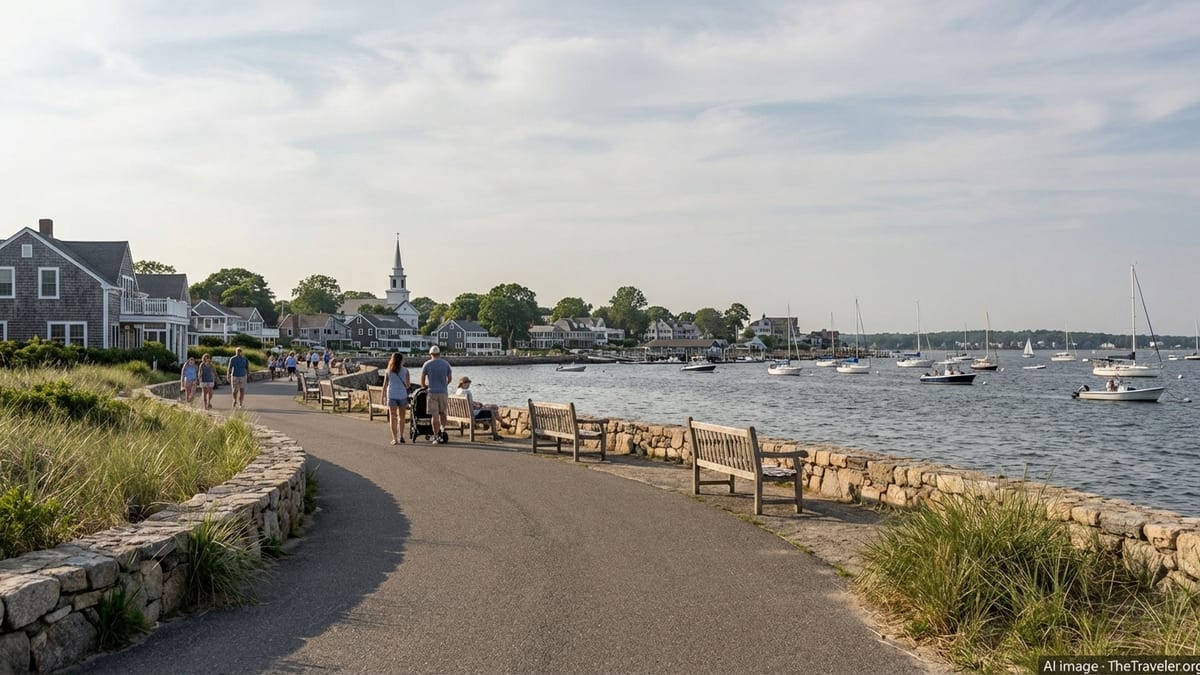
For tourists, the practical takeaway is that Connecticut as a whole is not a high-risk destination. With sensible urban travel habits and a bit of advance research into neighborhoods, most travelers can explore comfortably, whether they are strolling a historic green in New Haven, visiting museums in Hartford, or enjoying a coastal walk in Mystic or along Long Island Sound.
Understanding Crime Patterns in Key Destinations
When evaluating safety as a visitor, it helps to understand how crime is distributed within Connecticut’s major tourism hubs. Data based on FBI reporting show that, among cities with at least 10,000 residents, Hartford and New Haven have some of the highest rates of reported violent crime in the state, followed by Bridgeport, Waterbury, and New Britain. Those statistics can look unsettling at first glance, but they do not mean that every block in these cities is dangerous or that tourists are routinely targeted.
In practice, many of the incidents that drive local crime rates occur in residential areas well away from the main visitor corridors. Downtown Hartford, for example, where you will find the Wadsworth Atheneum, the Old State House, and the riverfront, typically has a strong visible police presence during business hours and events. Similarly, New Haven’s core areas around Yale University, the New Haven Green, and the restaurant districts tend to be active, well-lit, and heavily trafficked, especially during the academic year.
Property crime, such as theft from vehicles, remains a more common concern for visitors than violent crime. In busy city centers and popular coastal towns, unattended cars with visible luggage or shopping bags can present opportunities for opportunistic thieves. Simple precautions go a long way: avoid leaving valuables in sight, lock your vehicle, and favor secured parking garages or hotel lots where possible. When walking, keep bags zipped, avoid flashing large amounts of cash, and stay aware of your surroundings, particularly at night.
Smaller destinations and resort areas such as Mystic, Essex, Madison, or Litchfield County’s country inns tend to see much lower levels of serious crime. In these places, typical rural and small-town patterns prevail, and disharmony is more likely to involve minor disturbances than major incidents. Even so, Boston- and New York-area visitors sometimes bring weekend crowds, and busy summer evenings on the shoreline can see an uptick in petty theft or alcohol-related disorder, which is another reason to maintain basic situational awareness.
Neighborhoods, Nightlife, and Common-Sense Street Smarts
Like most American states, Connecticut’s urban safety picture changes noticeably after dark. Central business districts and university areas that feel bustling and relaxed by day can become quieter and more isolated after office workers and day-trippers leave. Visitors who plan to enjoy nightlife in cities such as New Haven, Hartford, Stamford, or Norwalk should apply the same common-sense precautions they would in any unfamiliar city.
Sticking to well-known nightlife strips and staying within a short, direct route between your restaurant, bar, venue, and hotel is usually the smartest approach. Rideshare services and licensed taxis are widely available in larger cities and many suburbs, and using them late at night can be a safer choice than walking several blocks through sparsely populated areas. If you do walk, travel with a companion when possible, stay on main streets, and avoid cutting through alleys, parks, or poorly lit side streets.
University towns, particularly New Haven and Storrs, can see occasional problems related to student drinking, from loud late-night gatherings to scuffles outside bars. For visitors, these situations are typically more of a nuisance than a direct safety threat. Still, if you encounter a crowd that feels rowdy or volatile, it is wise to cross the street, change direction, or step inside a nearby business until things calm down.
Connecticut’s suburbs and small towns generally feel very safe to walk at night, but you may find that sidewalks are less continuous and lighting can be limited once you move away from town centers. If you are staying at a roadside motel or in a rural inn, remember that distances between properties may be greater than they appear on a map. Driving, rather than walking, is sometimes the more practical option after dark, especially in winter or during inclement weather.
Driving Safety, Highways, and Seasonal Hazards
For many visitors, the most significant safety challenges in Connecticut are related not to crime but to driving. The state is threaded with major highways, including Interstate 95 along the shoreline, Interstate 84 across the center, and the Merritt Parkway and Route 15 through Fairfield County. Traffic volumes can be heavy, and congestion is common around Hartford, New Haven, Stamford, and the New York City commuter belt. Aggressive driving, sudden lane changes, and stop-and-go conditions demand alertness, particularly for drivers unaccustomed to dense Northeast traffic.
Seasonal weather adds another layer. Connecticut experiences all four seasons, and winter can bring snowstorms, freezing rain, and the dreaded black ice, especially in shaded or elevated areas. Transportation officials regularly remind drivers to slow down, increase following distances, and avoid travel during major storms whenever possible. In more rural areas and the northwest hills, steep grades, narrow roads, and limited shoulders can make winter driving particularly challenging. Meanwhile, coastal bridges and elevated stretches of interstate can experience strong crosswinds that affect taller vehicles.
In severe winter weather, the state may declare emergencies and temporarily restrict certain types of travel, particularly for commercial trucks, to help road crews clear highways. Even when private vehicles are allowed, local police and transportation agencies urge motorists to stay off the roads unless travel is essential. Tourists who are not confident in winter driving conditions should be especially cautious about planning road trips during active snow or ice events, and should build flexibility into their itineraries in case postponements or route changes become necessary.
Outside of winter, heavy rain, coastal storms, and occasional tropical remnants can cause localized flooding and hazardous driving conditions. Low-lying roads and underpasses can flood quickly, and it is never wise to attempt to drive through standing water of unknown depth. Connecticut’s scenic byways, especially in the Litchfield Hills and along the coastline, are beautiful but can also be winding and narrow. Drive at or below the posted limit, expect sharp bends, and resist the temptation to take your eyes off the road to admire the scenery; instead, pull into a safe turnout or designated viewpoint.
Weather, Coastal Risks, and Outdoor Safety
Connecticut’s climate is one of its attractions, with crisp autumn foliage, snowy winters, blossoming springs, and warm, humid summers along Long Island Sound. Each season, however, brings its own safety considerations for visitors who plan to be outdoors. In winter, beyond driving risks, icy sidewalks, untreated parking lots, and steps can pose slip-and-fall hazards. Sturdy footwear with good traction and cautious walking are essential, especially after storms when melting and refreezing can create nearly invisible ice patches.
Summer and early autumn along the coast can involve heat, humidity, and strong sun, particularly on beaches in towns like Westport, Fairfield, Madison, and New London County. Sunburn and heat exhaustion are more common risks than many travelers expect, especially for those who spend long days on boats, at beaches, or on outdoor trails. Wearing sunscreen, staying hydrated, and taking breaks in shaded or air-conditioned spaces can significantly reduce these risks.
Connecticut can also experience coastal storms, including the remnants of Atlantic hurricanes or strong nor’easters that push water into rivers and bays. These events can lead to high surf, dangerous rip currents, and localized flooding in low-lying shoreline communities. Local authorities and news outlets typically provide detailed warnings when these conditions arise, and visitors should heed posted signs, warnings from lifeguards, and any temporary closures of beaches, piers, or coastal roads.
Inland, hiking in the state’s forests and hills is generally low-risk when basic precautions are taken. Popular state parks and preserves have marked trails, but cell service can be patchy in some rural areas. Carry a charged phone, let someone know your plans, bring water, and respect posted notices about trail closures, wildlife, or fire danger. Tick exposure is a concern across much of New England, including Connecticut, so it is wise to use insect repellent and check yourself for ticks after walking through tall grass or wooded areas.
Health, Emergency Services, and Practical Precautions
Connecticut benefits from having several major hospitals and medical centers, including university-affiliated facilities in New Haven, Hartford, Farmington, and other cities. For visitors, access to emergency care, urgent-care clinics, and pharmacies is generally good, especially near population centers and along main corridors. In true emergencies, dialing 911 will connect you with police, fire, or medical response services anywhere in the state.
Tourists should travel with proof of health insurance and understand what their plan covers when visiting from out of state or from abroad. International visitors may want to purchase travel medical insurance to avoid unexpectedly high bills. Routine needs, such as filling prescriptions or obtaining over-the-counter medication, are easily handled at major pharmacy chains and supermarkets spread throughout the state.
On the financial side, Connecticut does not have unique safety issues beyond those found elsewhere in the United States. Credit card use is widespread and widely accepted, and contactless payments are increasingly common. Scams targeting tourists are not a notable statewide problem, but visitors should still be cautious about unsolicited offers, high-pressure sales, and situations that feel off. Use ATMs in bank branches or well-lit retail locations, rather than isolated machines, and shield your PIN when entering it.
For added peace of mind, consider sharing your itinerary with a trusted friend or family member, especially if you are traveling solo or driving long distances between destinations. Keep copies of important documents, such as identification and reservation confirmations, stored securely in digital form. Finally, remember that local residents and hotel staff are usually excellent resources for neighborhood-specific advice; they can often tell you which areas are best avoided late at night and which routes are most straightforward and safe.
Traveling Connecticut With Kids, Solo, or in a Group
Connecticut is a popular destination for family trips, from aquarium visits in Mystic and Norwalk to hands-on science museums and outdoor adventure parks. Families will find that most attractions are designed with safety in mind, including clear signage, on-site staff, and established security procedures. The main watchpoints are familiar ones: keeping an eye on children in crowded spaces, agreeing on meeting points in case anyone becomes separated, and making sure youngsters know basic safety rules like staying within sight of adults and not wandering off with strangers.
Solo travelers, whether for business or leisure, can navigate Connecticut with relatively little difficulty. Larger cities provide a reasonable amount of foot traffic and activity in central areas, particularly during working hours and early evenings. As a solo visitor, you will want to be especially mindful of late-night movements, public transportation stops, and parking garages. When in doubt, choose bright, busy routes and consider ride-hailing services for door-to-door transport after dark.
Groups of friends visiting for concerts, casino trips, or weekend getaways may face a different set of risks, many of them related to alcohol and late-night transportation. Mohegan Sun and Foxwoods, two major casino resorts in southeastern Connecticut, maintain their own security teams and extensive surveillance, and incidents involving guests are typically handled quickly. The greater danger often lies in the drive to and from these complexes, especially late at night or in winter. Designating a sober driver, scheduling a shuttle, or staying overnight on-site can significantly reduce those risks.
Regardless of your travel style, it is wise to review hotel safety basics: know where emergency exits are located, use the main entrance after dark, secure valuables in a room safe when available, and verify any unexpected visitor or phone call that claims to be from the front desk. These habits, combined with the generally moderate risk profile of the state, make it quite feasible for different types of travelers to experience Connecticut safely.
The Takeaway
Connecticut offers a compelling blend of coastal charm, historic towns, academic culture, and outdoor recreation, and for most visitors it is a reasonably safe place to explore. Statewide crime rates sit below national averages, and the more serious incidents that do occur are often concentrated in specific urban neighborhoods that most tourists have little reason to visit. Tourism districts, downtown cultural areas, and popular small-town destinations are generally well-policed and accustomed to out-of-state visitors.
The main safety issues travelers are likely to encounter relate to driving conditions, particularly on busy highways and during winter storms. Seasonal weather, from snow and ice to heavy rain and coastal storms, can disrupt travel and create hazards for the unprepared. With flexible planning, careful attention to forecasts, and conservative driving habits, these risks can be managed effectively.
Ultimately, Connecticut’s safety profile is comparable to or better than many other Northeastern destinations. By combining common-sense urban precautions, respect for local weather, and basic travel planning, tourists can focus less on danger and more on the state’s maritime history, leafy villages, and vibrant cultural institutions. For those seeking a New England experience without the intensity of the region’s biggest cities, Connecticut is a solid and generally safe choice.
FAQ
Q1. Is Connecticut generally safe for tourists?
Yes. Connecticut’s overall crime rates are lower than the US average, and most visitors who use standard precautions experience no serious safety issues.
Q2. Which cities in Connecticut have higher crime levels?
Cities such as Hartford, New Haven, Bridgeport, Waterbury, and New Britain report higher crime rates than many suburbs and small towns, though problems are often concentrated in specific neighborhoods.
Q3. Are Connecticut’s tourist areas safe at night?
Most downtowns, waterfronts, and university districts that attract visitors are reasonably safe in the evening, especially where there are crowds, good lighting, and visible security or police patrols.
Q4. How safe is it to drive in Connecticut?
Driving is generally safe, but traffic can be heavy and fast on major routes, and winter weather can create hazardous conditions. Slower speeds, extra following distance, and weather awareness are important.
Q5. Is public transportation in Connecticut safe for visitors?
Local and regional buses and trains are typically safe, especially during daytime and early evening. As with any system, keep an eye on belongings and avoid isolated stations late at night when possible.
Q6. Are Connecticut’s beaches and coastal areas safe?
Yes, in normal conditions. During storms or when rip current warnings are posted, obey lifeguards, heed local advisories, and avoid entering rough surf or flooded areas.
Q7. What should international tourists know about safety in Connecticut?
International visitors will find safety conditions similar to many other US states: emergency services are reliable, tap water is generally safe to drink, and serious crime rarely affects tourists directly.
Q8. Is Connecticut safe for solo female travelers?
Many solo women travel comfortably in Connecticut. Staying in reputable accommodations, using rideshares at night, and following normal city precautions can help maintain safety and confidence.
Q9. Are there specific health risks travelers should worry about?
There are no major unusual health risks for most visitors. Seasonal concerns include winter slips on ice, summer heat on the coast, and tick exposure in wooded or grassy areas.
Q10. What is the single most important safety tip for visiting Connecticut?
The most important tip is to stay informed: watch local weather forecasts, check traffic updates before driving, and ask locals or hotel staff about any neighborhoods or routes you should avoid at night.