

Duluth, Minnesota, perched on the rocky shores of Lake Superior, has a reputation for rugged beauty, outdoor adventure and a quietly thriving food and craft beer scene. What it does not always have is a clear price tag. For travelers trying to decide whether Duluth is an affordable destination, the answer depends heavily on when you visit, how you stay and how much you plan to explore. This practical cost breakdown looks at current prices across lodging, food, transport and activities so you can build a realistic budget while still enjoying what makes Duluth special.
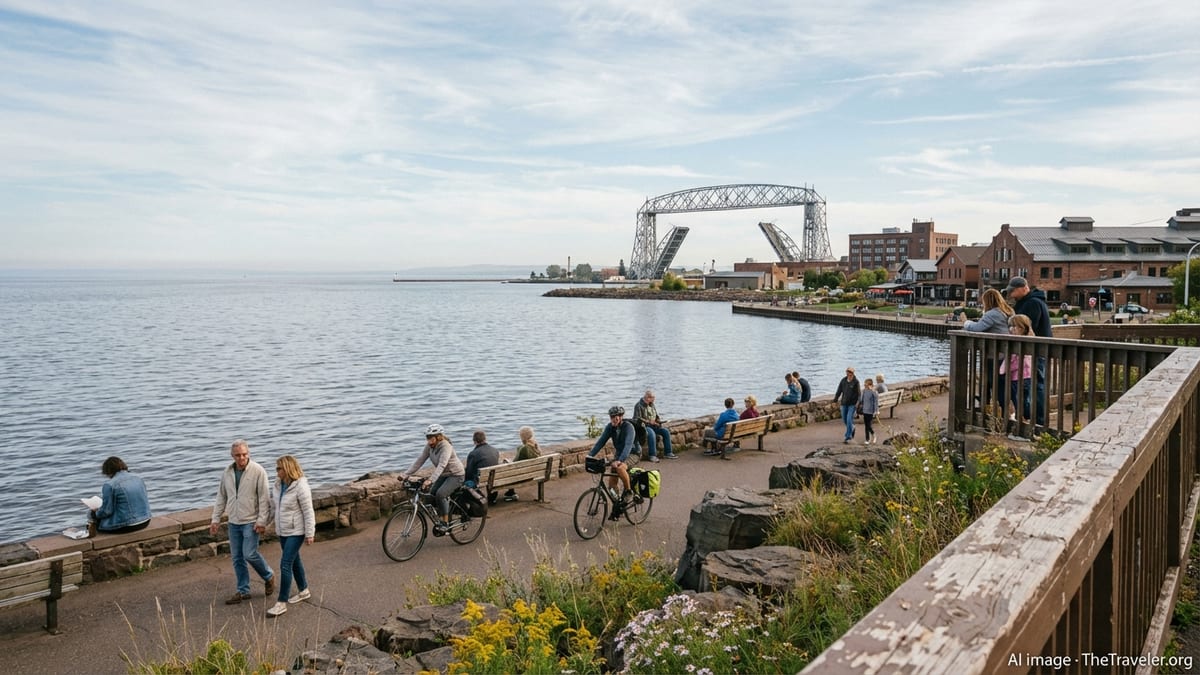
Big Picture: How Pricey Is Duluth in 2026?
Compared with major metropolitan hubs, Duluth tends to feel moderately priced, but it is not a classic budget destination. Accommodation costs, in particular, can spike in peak summer and during major events when demand surges from Midwestern road trippers and visitors escaping city heat. Travelers who time their trip for shoulder seasons, book early and mix in some low-cost activities can keep overall spending in check.
Recent travel pricing data suggests that typical hotel rates in Duluth for standard properties often fall in a middle range compared with other regional cities, with average nightly prices that can sit well into the triple digits in busy periods. Budget-minded visitors will want to look beyond the waterfront and consider vacation rentals or motels farther from Canal Park to get better value. Private rooms and smaller rentals can be significantly cheaper than branded lakefront hotels, especially outside school holidays.
Aside from lodging, daily expenses in Duluth are broadly in line with many mid-sized American cities. Restaurant prices for an inexpensive sit-down meal are generally moderate, while mid-range dining, craft beer and specialty coffee can quickly increase the tab. Transport, local transit and many outdoor attractions, however, remain relatively affordable, helping to balance the higher cost of a night’s sleep.
Ultimately, Duluth can be affordable if you lean into its natural assets. The lake, trails and parks are free, or close to it, and even a short stay can feel rich in experiences without requiring a luxury budget. The key is knowing where costs are likely to climb and making conscious choices around those big-ticket categories.
Accommodation: Where the Budget Moves Most
Lodging is almost always the largest line item for a Duluth trip. A recent analysis of hotel prices in the city found that the average nightly rate for standard hotels sits in roughly the mid-100 to low-200 dollar range, with typical averages around the high 100s. During peak summer weekends and fall color season, many properties raise rates substantially, so it is common to see prices at the higher end of that spectrum or above, particularly for waterfront rooms or recognizable brands clustered around Canal Park.
At the lower end, budget hotels and motels in and around Duluth can come in noticeably cheaper than flagship lakeside options. Data that groups local hotels by category suggests that budget properties often average in the low-to-mid 100 dollar range per night before taxes, provided you are willing to be a short drive from the most touristy areas. Some travelers also find value in staying on the Wisconsin side of the harbor, then driving or using transit into Duluth for the day, although this adds time and fuel costs.
Vacation rentals and private rooms are another way to trim accommodation spending, especially for families and small groups. Recent comparisons of Duluth stays indicate that a full vacation rental can often fall in a mid-range nightly band, while private rooms in homes or small apartments can trend lower than standard hotels. The true cost benefit depends on cleaning fees, minimum stays and how many people you are housing, so it is worth running the numbers. For two couples or a family, a multi-bedroom rental with a kitchen may compete well with booking two hotel rooms.
Seasonality cannot be overstated. A midweek visit in late spring or mid-autumn may secure rates much closer to the low end of average hotel pricing, while July weekends, large festivals and long fall-color weekends typically push Duluth toward its most expensive tiers. Flexible travelers can save by watching event calendars and avoiding high-demand dates, even shifting a visit by a few days.
Food and Drink: From Budget Bites to Lakeview Splurges
Daily food costs in Duluth vary widely, but the city makes it relatively easy to eat well without overspending. Recent cost-of-living data places the price of an inexpensive restaurant meal at roughly the mid-teens in US dollars, with mid-range three-course dinners for two climbing into the upper double digits or low triple digits depending on drinks and location. That positions Duluth’s restaurant scene as comparable in price to many other US regional cities with a strong tourism presence.
Casual diners will find that breakfast and lunch are the easiest meals to keep affordable. Independent coffee shops and cafes across the city typically charge prices in line with national urban averages, so a specialty coffee may cost only slightly less than in a large coastal city. However, pairing that with a simple bakery item or diner-style breakfast remains relatively inexpensive. For lunch, sandwich shops, food trucks and casual harbor-side spots offer filling meals in a moderate price range, especially if you skip alcoholic drinks.
Dinner is where your food budget will flex the most. Duluth has several restaurants focused on local fish, seasonal ingredients and craft beverages, particularly around Canal Park and downtown. These establishments offer high-quality meals, but their menus reflect view and quality pricing, with main courses and shared plates quickly adding up. If you want to sample the scene without overspending, consider sharing dishes, focusing on lunch specials or limiting sit-down dinners to one or two evenings of your stay while cooking or grabbing takeaway on other nights.
Self-catering can be a powerful tool in Duluth. Typical grocery prices for staples such as bread, milk, eggs and fresh produce track close to overall US averages, perhaps a touch higher on certain items given the northern location and smaller market. By picking up breakfast supplies and snacks at a supermarket, then preparing a few simple meals in a rental kitchen or hotel room with a microwave and fridge, you can significantly reduce per-day food costs without feeling deprived.
Getting Around: Transit, Driving and Parking Costs
Transportation within Duluth is relatively affordable if you plan ahead. The city’s main public transit provider, the Duluth Transit Authority, operates buses across the city and into neighboring communities. As of early 2026, standard local bus fares sit around the low single-digit dollar range for a one-way ride, with an off-peak discounted fare under that and day passes priced at just a few dollars. Frequent riders can also buy multi-day or monthly passes, which bring down the average cost per trip for longer stays.
For many visitors, though, a car remains the most convenient way to explore the region’s spread-out attractions, from Skyline Parkway overlooks to state parks along the North Shore. Fuel costs fluctuate, but recent averages for regular gasoline in northeastern Minnesota have tended to land around national norms or modestly above. Renting a car will add a daily base rate, insurance and taxes, but can be cost-effective for families or groups planning multiple day trips where public transit coverage is limited.
Parking is an important budget line, especially if you stay near downtown or Canal Park. The Duluth Transportation Center’s public parking facility, for example, currently lists daytime hourly rates in the low single digits, with a capped daily maximum that remains under typical big-city downtown prices. Across the city, on-street metered parking and private lots vary, but most remain more affordable than those in major metropolitan cores, particularly outside the most popular waterfront blocks.
Travelers arriving by air should note that Duluth’s regional airport has fewer flight options than larger hubs, which can raise ticket prices compared with flying into Minneapolis and driving. However, for those within driving distance in Minnesota, Wisconsin and neighboring states, reaching Duluth by car allows more control over costs and timing. Intercity bus services also connect Duluth with other regional destinations, generally offering lower fares than flying, though schedules can be limited.
Attractions and Activities: How Much Will You Spend on Fun?
One of Duluth’s biggest advantages for budget-conscious visitors is the abundance of low-cost or free activities. Lakewalk strolls, public beaches, hillside parks, scenic overlooks and neighborhood wandering through historic districts all come without an admission ticket. For many travelers, these free experiences form the core of a Duluth itinerary and help offset higher lodging or dining costs.
Paid attractions in and around Duluth vary in price but are generally modest compared with major theme-park cities. Small museums, historic homes and local cultural centers often charge affordable entry fees per adult, with discounts for children, students or seniors. Seasonal experiences, such as boat tours on the harbor or guided outdoor excursions, usually fall into a mid-range price band, especially when booked at standard group rates rather than private charter levels.
Outdoor recreation offers a wide cost spectrum. Hiking nearby state parks typically involves a vehicle permit or day-use fee that is still relatively low when spread across multiple people in one car. Mountain biking trail systems may require a pass, but these fees tend to remain accessible for regular users and visiting enthusiasts alike. In winter, cross-country skiing, snowshoeing and fat biking can be relatively inexpensive if you already own equipment, while downhill skiing or boarding at regional hills costs more but still often under the price of major Rocky Mountain resorts.
Entertainment at night, such as live music, local theater or ticketed events, can be as low-key or as pricey as you choose. Many bars and venues host no-cover shows or low-fee performances, while bigger concerts and special events command higher prices. Travelers prioritizing budget can lean into free lakefront sunsets, self-guided walking tours and community events, while those wanting a splurge can build one or two ticketed experiences into their plans.
Seasonality: When Duluth Is Cheapest and When It Is Not
Choosing the right season may be the single most effective way to make Duluth more affordable. Summer, particularly from late June through August, is prime tourism time along Lake Superior. Warm weather, festivals, school holidays and long daylight hours combine to push demand, and prices tend to follow. Expect higher nightly rates for hotels, more competition for popular restaurants, and busy parking areas around Canal Park and the lakefront.
Autumn, especially late September into early October, brings a second wave of demand as visitors chase fall colors along the North Shore and in the surrounding hills. While nights may be cooler, the combination of vibrant foliage and fewer bugs is a strong draw, and weekend rates during peak color often rival midsummer prices. Flexible visitors who can arrive midweek or just before or after the color peak may find better deals without sacrificing scenery.
Winter in Duluth is cold, snowy and, for the right traveler, rewarding. This is generally a more affordable time to visit in terms of lodging, as long as your dates do not coincide with major winter events. Many hotels lower their rates to attract guests, and you may find generous packages that include parking, breakfast or attraction discounts. The trade-off is serious winter weather: heavy lake-effect snow, icy sidewalks and bitter windchill. You may spend slightly more on appropriate clothing and gear, but daily room costs can be significantly friendlier.
Spring is the city’s classic shoulder season. March can still feel wintry, while April and early May see ice leaving the lake and trails slowly drying out. Prices often remain lower than in summer while offering glimpses of Duluth’s outdoor life returning. Rain and unpredictable conditions are part of the package, so this is a good time for travelers who value savings and do not mind building in some indoor backup plans.
Sample Budgets: What Different Travelers Might Spend
Because Duluth’s prices can span a wide range, it helps to imagine a few sample budgets. A frugal solo traveler visiting in spring or winter and staying in a basic motel or modest vacation rental outside the main tourist zones could potentially keep nightly accommodation close to the lower end of the city’s averages. By using public transit or walking, cooking some meals, relying on free outdoor attractions and limiting paid activities, this traveler might keep total daily costs in a relatively low band for a US city, aside from any long-distance transport into Duluth.
A mid-range couple traveling in early summer or fall and booking a comfortable but not luxury hotel might expect to pay closer to the city’s average nightly rate. If they rent a car for a few days to explore the North Shore, eat one restaurant meal per day, enjoy craft beer or cocktails and pay for a handful of attraction tickets or tours, their per-day spending will likely land squarely in the moderate category, offering a balance of comfort and value.
A family of four visiting during peak summer and opting for a waterfront hotel suite or large vacation rental will see a more substantial daily outlay. Higher accommodation costs, multiple restaurant meals and tickets for family activities such as harbor cruises, museums or nearby recreational attractions can push spending into clearly expensive territory. However, by substituting some picnics for restaurant meals, using day passes on local transit when possible, and prioritizing free beaches and parks, that same family can rein in expenses without sacrificing enjoyment.
In all scenarios, advance planning helps. Securing lodging early, watching for off-peak flight or bus fares, pre-booking popular tours at promotional rates and tracking fuel prices if you are driving into Duluth can collectively shave meaningful amounts off your final trip cost.
Money-Saving Strategies That Work in Duluth
Leveraging Duluth’s natural and civic infrastructure is one of the easiest ways to keep the trip affordable. The lakefront Lakewalk, public parks along Skyline Parkway, and nearby forests and trails cost nothing to access beyond any parking fees. Building your days around these free experiences and interspersing them with a smaller number of paid attractions can dramatically reduce overall spending while still delivering a rich sense of place.
Public transit, particularly the Duluth Transit Authority buses, can be an underused savings tool for visitors. With single-ride fares priced in the low dollar range and day passes still very inexpensive, using the bus to move between downtown, the waterfront and residential neighborhoods can eliminate parking costs and reduce reliance on rideshares. Some institutions, such as local universities and high schools, have partnerships that offer very low-cost or free rides to students and staff, which can indirectly lower costs for families visiting or staying with someone who has access to those benefits.
On the dining side, shifting your main meal of the day to lunch, when many restaurants offer smaller portions or slightly lower prices, then opting for lighter, home-prepared dinners can preserve both your budget and your energy. Shopping at local supermarkets or co-ops for picnic supplies also lets you dine with lake views without paying restaurant markups. If your accommodation includes complimentary breakfast or a small kitchenette, treating that as a central part of your meal planning can yield substantial savings over several days.
Finally, flexibility pays off. Being open to staying a few blocks farther from the lake, traveling midweek, visiting in shoulder seasons and adjusting dates to avoid major events can have more impact on your bottom line than cutting small treats. A well-timed trip that takes advantage of lower demand can transform Duluth from a moderately expensive getaway into a genuinely good-value escape.
The Takeaway
So, is Duluth affordable to visit? It can be, but it is not automatically a bargain. Accommodation is the dominant cost driver, with peak-season hotel rates easily stretching typical vacation budgets. Dining, attractions and transportation are more forgiving, especially if you mix restaurant meals with self-catering and lean into the city’s many free or low-cost outdoor experiences.
Travelers who choose their season carefully, book lodging early, use public transit where practical and build itineraries around Duluth’s natural assets will find that the city rewards thoughtful budgeting. Whether you come for cool summer breezes, fiery autumn hillsides or the stark beauty of Lake Superior in winter, Duluth offers a rich experience that can fit a range of wallets, as long as you plan with your priorities and price limits clearly in mind.
FAQ
Q1. Is Duluth generally cheaper than Minneapolis or Chicago for a weekend trip?
Duluth is often cheaper than major cities for attractions and parking, but peak-season hotel rates can be similar to, or higher than, some big-city neighborhood options.
Q2. When is the cheapest time of year to visit Duluth?
Late fall, winter and early spring are usually the most affordable periods, with lower lodging rates outside major holidays and special events.
Q3. How much should I budget per day for food in Duluth?
A moderate budget might be around a few dozen dollars per person per day, assuming one restaurant meal, one cafe stop and one simple self-catered meal.
Q4. Do I need a car to visit Duluth affordably?
No, but a car can be helpful. You can explore much of downtown and Canal Park on foot and use low-cost local buses, reserving a rental car for specific day trips if needed.
Q5. Are there many free things to do in Duluth?
Yes. The lakefront, Lakewalk, public parks, beaches and many scenic overlooks are free, and they can easily fill several days of exploring without admission fees.
Q6. How expensive are hotels right on Lake Superior compared with other areas?
Waterfront hotels typically cost noticeably more than properties a few blocks inland or in outlying neighborhoods, especially in summer and during fall color season.
Q7. Can families visit Duluth on a tight budget?
Yes, particularly if they choose a vacation rental with a kitchen, visit in the off-season, use transit or one car, and focus on free outdoor activities.
Q8. Are restaurant prices in Duluth high for a small city?
They are moderate overall. Casual meals can be quite affordable, while popular lakeview and chef-driven restaurants are priced similarly to other tourism-focused cities.
Q9. Is public transportation in Duluth a good value for visitors?
Local bus fares are low compared with many US cities, and day passes are especially good value if you plan multiple rides in a single day.
Q10. What is the biggest factor that makes Duluth feel expensive?
The main factor is accommodation, particularly during summer weekends and major events, when room rates can rise sharply compared with off-peak periods.