

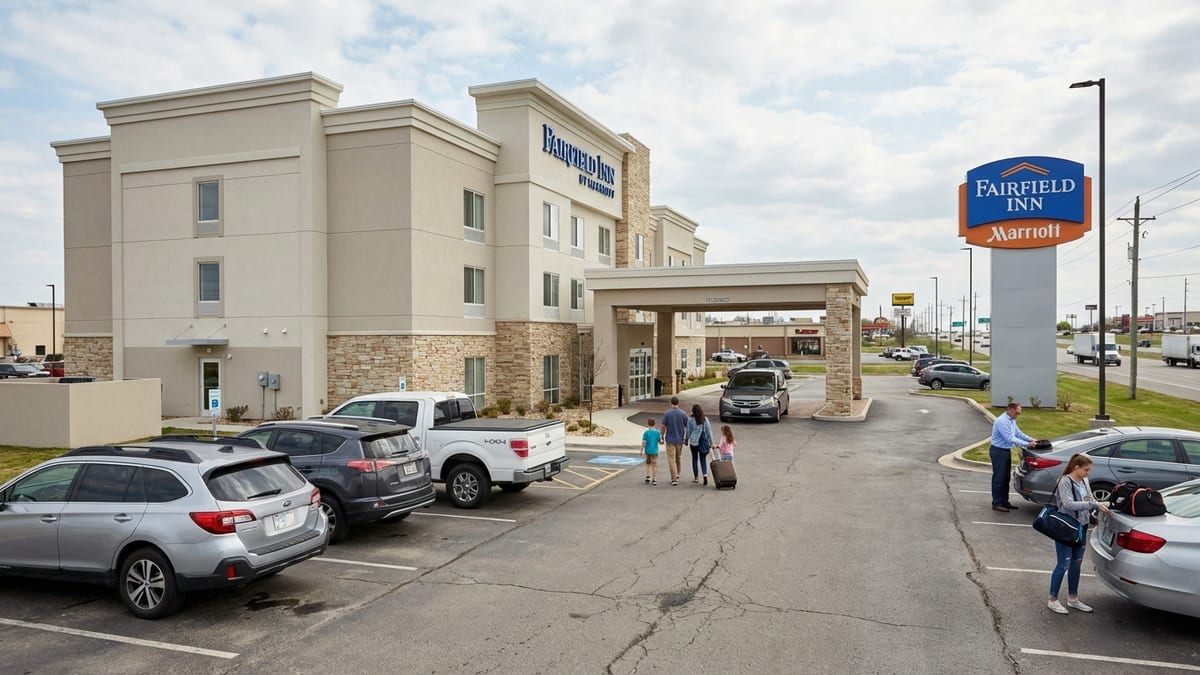
Fairfield Inn, part of the sprawling Marriott portfolio, has become a familiar sight along highways, near airports, and in business districts across North America. With more than 1,100 Fairfield by Marriott properties open globally as of late 2024, the brand aims squarely at travelers who want a clean, reliable room, modern basics, and a free breakfast without paying full-service hotel prices.
But with rising rates and strong competition from rival midscale chains and vacation rentals, many travelers are asking a simple question: is Fairfield Inn still worth it, and what should real guests expect today?
Where Fairfield Inn Fits in the Marriott Universe
Fairfield Inn sits in Marriott’s “select service” category, a step below full-service brands such as Marriott Hotels and Sheraton, and generally comparable to competitors like Hampton by Hilton and Holiday Inn Express. Rooms are typically midscale: more stylish than a budget motel, but not as spacious or amenity-rich as upscale extended-stay or boutique properties.
The brand’s footprint is one of its biggest strengths. Recent Marriott filings show Fairfield by Marriott as one of the company’s most numerous flags, with more than a thousand properties open worldwide and a strong pipeline still under development. That scale translates to consistent availability in smaller markets where higher-end brands may not exist, especially near interstate exits, regional airports, and suburban office parks.
Fairfield is not designed as a destination in itself; instead, it positions as a dependable overnight stop for road trippers, families visiting relatives, youth sports teams, and business travelers who need a solid place to sleep, work, and shower. Understanding that positioning is key to deciding whether it is the right fit for your trip.
What Guests Can Realistically Expect: Rooms, Breakfast and Amenities
Room design at newer and recently renovated Fairfield Inns is contemporary and functional. Expect firm but comfortable beds, a large flat-screen television, built-in desk or work surface, multiple outlets and USB charging ports, and a compact but efficient bathroom. Many locations feature walk-in showers instead of bathtubs, reflecting a shift toward business travelers and shorter stays.
Fairfield’s most heavily advertised perk is the complimentary hot breakfast. Although exact offerings vary by hotel, the standard spread usually includes scrambled eggs, a breakfast meat such as sausage or bacon, make-your-own waffles or pancakes, cereals, bread and pastries, yogurt, fruit, and coffee and juices. In guest reviews, the breakfast is often described as “good for the price” and “exactly what we needed before getting back on the road,” rather than lavish. Those expecting a full-service brunch will be disappointed; those simply wanting a quick, filling start to the day tend to be satisfied.
Other core amenities are geared toward practicality. Most Fairfield locations provide free Wi-Fi, a small fitness room, and either an indoor or outdoor pool. Business centers and lobby work areas are common, as are small pantry markets for snacks and basic toiletries. Parking policies vary: many suburban and roadside hotels offer free parking, while downtown and airport locations may charge a nightly fee in line with local norms.
One recurring theme in guest comments is quiet. Because many Fairfield Inns are built as newer, purpose-designed properties rather than converted older hotels, soundproofing is often better than at older motels. That said, noise from hallways or highway-adjacent locations can still be an issue if you are sensitive; requesting a room away from elevators and on a higher floor is a wise move.
Price, Value and How Fairfield Compares to Competitors
In terms of price point, Fairfield Inn typically lands in the midscale to upper-midscale bracket. Rates vary significantly by location and date, but in many U.S. markets it competes directly with Hampton, Holiday Inn Express, Comfort and Best Western’s midscale lines, and often sits just below Courtyard by Marriott in price. Peak dates in popular cities can push Fairfield rates into territory that feels closer to upscale, which is when guests begin to scrutinize value more closely.
On the value side, several factors work in Fairfield’s favor. The inclusion of a hot breakfast can offset daily food costs, especially for families or small groups. Free Wi-Fi and, in many cases, complimentary parking also contribute meaningful savings compared with some urban and full-service alternatives. For travelers who mainly care about a clean, modern room and a solid breakfast, the brand often delivers a good cost-to-experience ratio.
When stacked up against key competitors, Fairfield’s performance is mixed but generally strong. Industry satisfaction benchmarks over the last two years show major midscale chains clustered fairly close together, with differences of only a few points between top and mid-tier performers. Full-service giants such as Hilton and Marriott’s flagship hotels lead the pack, but midscale brands like Hampton and Holiday Inn Express consistently score well for guest satisfaction, and Fairfield is typically just a notch behind those leaders while outperforming many older budget brands.
Where Fairfield sometimes loses ground is in perceived “extras.” Hampton and Holiday Inn Express properties in some markets have slightly more generous breakfast spreads, fresher décor, or marginally larger rooms. On the other hand, Fairfield benefits from integration into the Marriott Bonvoy loyalty program, which adds value for frequent travelers who can earn and redeem points across an enormous global network.
Pros: Where Fairfield Inn Delivers
Consistency is one of Fairfield Inn’s strongest advantages. Travelers who stay frequently note that the overall experience is predictable: similar room layouts, recognizable décor, and standard amenities from one property to the next. While each hotel is individually owned and operated, Marriott’s brand standards keep design and service within a relatively narrow band, which many guests appreciate after encountering wildly inconsistent independent motels.
Cleanliness is another recurring positive theme in guest feedback. As hotel guest satisfaction surveys have shown improvement in room cleanliness and maintenance since 2023, many Fairfield properties appear to be tracking with that broader trend. Travelers often highlight tidy common areas, well-kept lobbies, and bathrooms that feel fresher than lower-tier motels for just a modest increase in nightly rate.
For business travelers, Fairfield’s combination of reliable Wi-Fi, ergonomic workspaces, and early breakfast hours is a draw. Many locations are near corporate parks and industrial zones, making them convenient bases for sales calls or training events. The check-in process is generally efficient, with front desk staff praised for courtesy and problem-solving even when staffing levels are lean.
The integration with Marriott Bonvoy is a significant plus. Guests earn points on Fairfield stays that can be redeemed at higher-end Marriott properties worldwide, and elite members enjoy perks such as bonus points, room upgrades when available, and late checkout. For travelers commuting regularly through smaller cities where luxury options are limited, being able to burn points on a resort or upscale city hotel later can tip the value equation heavily in Fairfield’s favor.
Cons: Common Complaints and Where Fairfield Falls Short
Despite its strengths, Fairfield Inn is not without downsides. The first is price creep. As overall lodging rates have climbed post-pandemic, travelers increasingly report sticker shock when a simple roadside Fairfield commands rates that used to buy a full-service city hotel. On high-demand nights, the value proposition can feel strained, especially when breakfast and amenities are similar to those at cheaper competitors.
Another frequent complaint is inconsistency across the older part of the portfolio. Fairfield has undergone a brand refresh over the last decade, and newly built or fully renovated properties tend to impress guests with modern décor and comfortable beds. Older hotels awaiting renovation, however, may have dated carpeting, worn furniture, or aging HVAC units that can be noisy or difficult to control. Because online listings often show images from the latest design standard, guests sometimes feel misled when they arrive at a property that has not yet been updated.
Breakfast, while generally appreciated, is not immune to criticism. Some guests note limited variety for longer stays, shortages of popular items during peak morning rush, or quality that feels more cafeteria than café. As labor and food costs have climbed, certain properties have pared back offerings or rely more on prepackaged items, which can disappoint travelers expecting a more generous spread.
Finally, service gaps do occur, especially at hotels with lean staffing. Check-in lines at peak times, delays in getting extra towels, or slower housekeeping responses appear in reviews at a minority of properties. While many guests still rate staff friendliness highly, those lapses stand out more sharply when rates are at the higher end of the midscale spectrum.
Who Fairfield Inn Is Best For (and Who Might Prefer Something Else)
Fairfield Inn is particularly well suited to a few distinct traveler profiles. Road-tripping families often find it a strong choice: rooms typically accommodate four people comfortably, breakfast helps manage food costs, and pools provide an easy outlet for kids to burn energy after hours in the car. Sports teams and wedding groups appreciate the combination of group-friendly common areas and predictable room standards.
Business travelers on moderate per diem budgets also benefit from Fairfield’s formula. The absence of resort fees in most locations, free Wi-Fi, and included breakfast translate to fewer expense report surprises. Locations near highways, industrial zones, and regional airports are often cheaper than downtown full-service hotels while still providing adequate comfort and connectivity for work.
Where Fairfield is a weaker fit is at the extremes of the market. Travelers seeking a memorable, indulgent stay for a honeymoon, milestone celebration, or luxury city break will likely find Fairfield’s utilitarian design and limited amenities underwhelming, regardless of how clean or efficient the hotel is. At the other end, travelers on a strict budget who simply want the absolute lowest price might do better at a no-frills economy motel, accepting lower service and weaker amenities in exchange for substantial savings.
Guests who prioritize character and local flavor may also prefer independent boutique hotels or thoughtfully designed lifestyle brands. Fairfield emphasizes consistency and reliability over design quirks or regionally inspired experiences, and its properties can feel somewhat generic as a result. For some travelers, that is reassuring; for others, it is a reason to look elsewhere.
How to Choose the Right Fairfield Inn (and Spot the Red Flags)
Because performance differs from property to property, the key to deciding whether a specific Fairfield Inn is worth it lies in doing a bit of homework. Guest review patterns over the last year or two are especially telling. Look for consistent comments about cleanliness, noise, and whether the hotel feels newly renovated or dated. A long series of complaints about musty hallways or broken air conditioning is a sign to consider another option.
Photos uploaded by recent guests can help distinguish between the latest Fairfield prototype and an older design. In newer rooms you will see light wood tones, streamlined desks, and minimalist headboards; older versions tend to feature darker furniture, patterned carpets, and bulkier TV cabinets. If design and comfort matter to you, choosing hotels that have been explicitly renovated in the last five years is a smart move.
It is also wise to compare all-in costs rather than base room rates alone. Check whether the specific Fairfield you are considering charges for parking, applies any destination or facility fees, or has higher pet fees than local competitors. In some downtown or resort areas, these extras can erode the value advantage that Fairfield normally enjoys.
Finally, match the property’s location to your plans. A Fairfield off the interstate is ideal for a one-night stopover but may be inconvenient for sightseeing in a city center. Conversely, a central Fairfield may cost more but dramatically cut your transportation costs and time. Weighing nightly rate against commuting time, parking charges, and dining options nearby will help you decide if that particular Fairfield is truly worth it for your itinerary.
The Takeaway
Fairfield Inn occupies a clear and useful niche in the modern hotel landscape. It is not a luxury product and does not try to be one. Instead, it offers what many travelers genuinely need: a clean, functional room, a decent hot breakfast, and reliable connectivity at a price that is generally lower than full-service competitors and often competitive with other midscale chains.
For families on the road, business travelers with moderate budgets, and loyalty members who want to earn or redeem Marriott Bonvoy points in smaller markets, Fairfield can absolutely be worth it. The brand’s strengths in consistency, cleanliness and convenience, combined with the tangible value of included breakfast and Wi-Fi, make it a solid default choice in countless towns and highway exits.
At the same time, rising rates and variability between newly built and older properties mean Fairfield is no longer a guaranteed bargain. On peak dates or at lagging locations that have not yet been renovated, the experience may not justify the price, especially when nearby competitors offer fresher rooms or better breakfasts for similar money.
Ultimately, whether Fairfield Inn is “worth it” for your trip comes down to expectations. If you are looking for a dependable place to sleep, refuel, and get back on the road, it often delivers exactly what it promises. If you are hoping for destination-worthy style or resort-style amenities, you will want to look higher up the hotel ladder. Do a quick comparison of reviews, recent photos, and total costs, and you will know within minutes whether that particular Fairfield is the right fit for your stay.
FAQ
Q1: Is breakfast always free at Fairfield Inn?
Yes, Fairfield Inn is marketed as including complimentary hot breakfast at virtually all properties. Offerings vary by hotel, but you can generally count on eggs, a breakfast meat, waffles or similar, cereals, baked goods, fruit, yogurt, and beverages included in the room rate.
Q2: How does Fairfield Inn compare to Hampton Inn and Holiday Inn Express?
Fairfield Inn competes directly with Hampton and Holiday Inn Express in the midscale segment. All three typically include free breakfast and Wi-Fi. Hampton and Holiday Inn Express sometimes rank slightly higher in guest satisfaction surveys, but Fairfield benefits from close integration with the Marriott Bonvoy loyalty program and a very large footprint in smaller markets.
Q3: Are Fairfield Inn rooms quiet enough for light sleepers?
Many Fairfield properties are newer builds with decent soundproofing and solid doors, which helps keep rooms relatively quiet. However, noise can still be an issue in highway-adjacent locations or busy corridors. Light sleepers should request a high floor away from elevators and ice machines, and consider bringing earplugs if staying near major roads or airports.
Q4: Do Fairfield Inns charge for parking?
Parking policies depend on location. Suburban, roadside, and many small-city Fairfields usually offer free self-parking. Urban, downtown, and airport properties are more likely to charge nightly parking fees in line with local market norms. Always check the specific hotel’s parking details before booking to understand your total cost.
Q5: Is Fairfield Inn a good option for families with kids?
Yes, Fairfield Inn is generally family-friendly. Rooms usually accommodate four people, many hotels have pools, and the included breakfast can significantly reduce food expenses. Families appreciate the straightforward layout and easy access to highways and attractions, though those seeking resort-style activities or large suites might prefer an extended-stay or resort brand.
Q6: How clean are Fairfield Inn properties on average?
Recent guest feedback and industry trends suggest that many Fairfield Inns score well on cleanliness, particularly newer or recently renovated properties. As with any large chain, there are exceptions, so it is wise to read recent reviews for the specific location you are considering to confirm that housekeeping standards meet your expectations.
Q7: Can I earn and use Marriott Bonvoy points at Fairfield Inn?
Yes, Fairfield Inn is fully integrated into the Marriott Bonvoy loyalty program. You earn points on eligible stays and can redeem points for free nights at Fairfield and other Marriott brands worldwide. Elite members can receive benefits such as bonus points, room upgrades when available, and late checkout, which can enhance the value of a stay.
Q8: Are Fairfield Inns suitable for longer stays?
Fairfield Inns are designed primarily for short to medium stays of a few nights. They offer closets, workspaces, and basic amenities, but typically lack full kitchens and the expanded storage you find at extended-stay brands. For week-long or multiweek stays, a Residence Inn, TownePlace Suites, or similar extended-stay property may provide better comfort and value.
Q9: What is the biggest downside guests mention about Fairfield Inn?
The most frequently cited downsides are price creep in high-demand markets and inconsistency across older properties. Some guests feel that rates at certain Fairfields have climbed faster than the perceived improvement in décor or amenities, especially at hotels that have not been recently renovated. Checking recent photos and reviews helps avoid underperforming locations.
Q10: How can I tell if a specific Fairfield Inn is newly renovated?
The most reliable approach is to read recent guest reviews and look at the most recent traveler photos. Newly renovated Fairfields feature light, modern décor, minimalist furniture, and updated bathrooms, while older properties show darker woods and more traditional styling. Some hotel descriptions also mention renovation dates in the overview or “what’s new” section, which can guide your choice.