

Florida welcomes tens of millions of visitors every year, from families headed to Orlando’s theme parks to snowbirds chasing winter sun along the Gulf and Atlantic coasts. Yet headlines about hurricanes, shark bites, red tide, and high‑profile crimes can leave would‑be travelers wondering: is Florida actually safe for tourists right now? The reality is more nuanced than any single news story. Overall, Florida remains a popular and generally safe destination, provided visitors understand the main risks, choose where and when to travel thoughtfully, and follow basic safety precautions. This guide breaks down what you need to know in 2026 to make smart, informed decisions before you book and once you arrive.
How Safe Is Florida for Tourists Overall?
Florida is one of the most visited places on earth, and the overwhelming majority of trips are incident‑free. Major tourism hubs such as Orlando, Miami Beach, Tampa Bay, the Florida Keys, and the Panhandle are accustomed to hosting large numbers of domestic and international travelers. Local governments, theme parks, and hotel districts invest heavily in policing, surveillance, emergency planning, and visitor assistance because tourism underpins a substantial share of the state’s economy. For most travelers who stick to established tourist areas and behave with normal caution, serious crime or injury is unlikely.
That said, safety in Florida is not uniform. Some urban neighborhoods have higher rates of violent crime than the state average, and coastal regions are exposed to recurring natural hazards like hurricanes and storm surge. Beachgoers also must navigate risks that rarely make headlines back home, including rip currents, marine life encounters, and periodic red tide blooms that can irritate the lungs and skin. Rather than avoiding the state altogether, a better approach is to recognize these risks, learn where they are most concentrated, and adapt your plans accordingly.
Perception often lags reality. Shark bites and alligator encounters, for example, receive intense media attention but remain statistically rare compared with hazards like car crashes, dehydration, or drowning. On the other hand, travelers sometimes underestimate how quickly tropical weather or heat can turn dangerous. A balanced understanding helps you focus on the risks that matter most while still enjoying the state’s beaches, springs, cities, and theme parks.
Ultimately, whether Florida feels safe depends on your expectations and preparation. If you research your destination, monitor weather conditions, choose reputable accommodation, and stay situationally aware, Florida can be as safe as other major U.S. vacation states while offering an unusually wide range of experiences, from national parks and coral reefs to nightlife and world‑class attractions.
Crime and Tourist Areas: What Visitors Should Know
Like any large state with major cities, Florida sees a mix of petty and serious crime. The key for visitors is understanding that crime is highly localized. Tourist zones around Orlando’s theme parks, popular beach strips such as Miami Beach’s main oceanfront, and well‑known resort corridors in places like Clearwater, Sarasota, Fort Lauderdale, and Key West tend to be heavily patrolled and relatively secure, especially during busy seasons. Most reported incidents involving tourists in these areas are nonviolent: theft of unattended belongings on the beach, vehicle break‑ins in poorly lit parking lots, or pickpocketing in crowded nightlife districts.
By contrast, some neighborhoods in larger cities such as Miami, Jacksonville, Tampa, and Orlando report higher levels of violent crime, often unrelated to tourism. These areas are generally far from hotel clusters and tourist attractions, and most visitors have no reason to enter them. As in any unfamiliar city, it is wise to ask hotel staff which districts to avoid, use licensed taxis or reputable ride‑share services, and favor well‑lit streets with visible foot traffic after dark.
Scams are a more common concern than violent crime for many tourists. In Florida’s busiest areas you may encounter aggressive street vendors, unlicensed tour sellers, or people offering unofficial parking or ticket deals that sound too good to be true. Use only official ticket windows or trusted online platforms for theme parks and attractions, confirm that parking attendants are wearing recognizable uniforms, and be skeptical of anyone pressing you to make immediate cash payments. Protect your personal information, and avoid displaying expensive jewelry, large wads of cash, or high‑end electronics in crowded, alcohol‑fueled areas.
Standard urban safety habits go a long way. Lock your rental car, remove valuables from view, keep a copy of your passport stored separately from the original, and share your daily plans with a trusted contact. If you do encounter trouble, local law enforcement agencies in tourist hubs are accustomed to working with visitors and usually provide translation support through phone services. Keep emergency numbers and your embassy or consulate details accessible, particularly if you are visiting from overseas.
Weather, Hurricanes, and Seasonal Risks
Florida’s subtropical and tropical climate is a major part of its appeal, but it also creates some of the state’s most significant safety challenges. Hurricane season officially runs from June through November, with the greatest risk of major storms typically concentrated from August through October. Powerful systems can bring extreme winds, storm surge, heavy rainfall, and inland flooding that disrupt travel for days or weeks in the hardest‑hit regions. In recent years, storms making landfall along the Gulf Coast and southwest Florida have prompted mass evacuations, closed airports, and damaged hotels and infrastructure.
For travelers, the main question is not whether hurricanes exist, but how to plan around that risk. Many visitors continue to travel during hurricane season, particularly in early summer and late fall, but they do so with flexible itineraries and comprehensive travel insurance that covers weather‑related cancellations. If your trip falls within those months, consider booking refundable accommodations, avoiding tight connections, and monitoring official forecasts closely in the week before departure. Should a significant storm threaten your destination, local authorities may issue evacuation orders, close beaches, or suspend parks and attractions; obey these directives immediately, even if conditions still appear calm.
Outside of major storms, Florida’s day‑to‑day weather still deserves respect. High heat and humidity are common from late spring through early autumn. Heat index values can climb to levels that pose real risks of heat exhaustion or heatstroke, especially for children, older adults, and people with underlying health conditions. Theme park visitors in Orlando, for instance, may spend long hours outdoors on concrete surfaces with limited shade. Plan regular breaks in air‑conditioned spaces, drink more water than you think you need, and avoid overexertion during the hottest midday hours.
Lightning is another underappreciated hazard. Florida has one of the highest rates of cloud‑to‑ground lightning in the United States, with frequent afternoon thunderstorms in summer. Outdoor activities like golf, boating, beachgoing, and wilderness hikes should pause when thunder is heard, not when rain starts. Seek shelter in a substantial building or fully enclosed vehicle until at least 30 minutes after the last rumble. Local parks, beaches, and attractions often have lightning protocols in place, and lifeguards or staff may close pools, rides, or sections of beach when storms approach.
Beach, Ocean, and Wildlife Safety
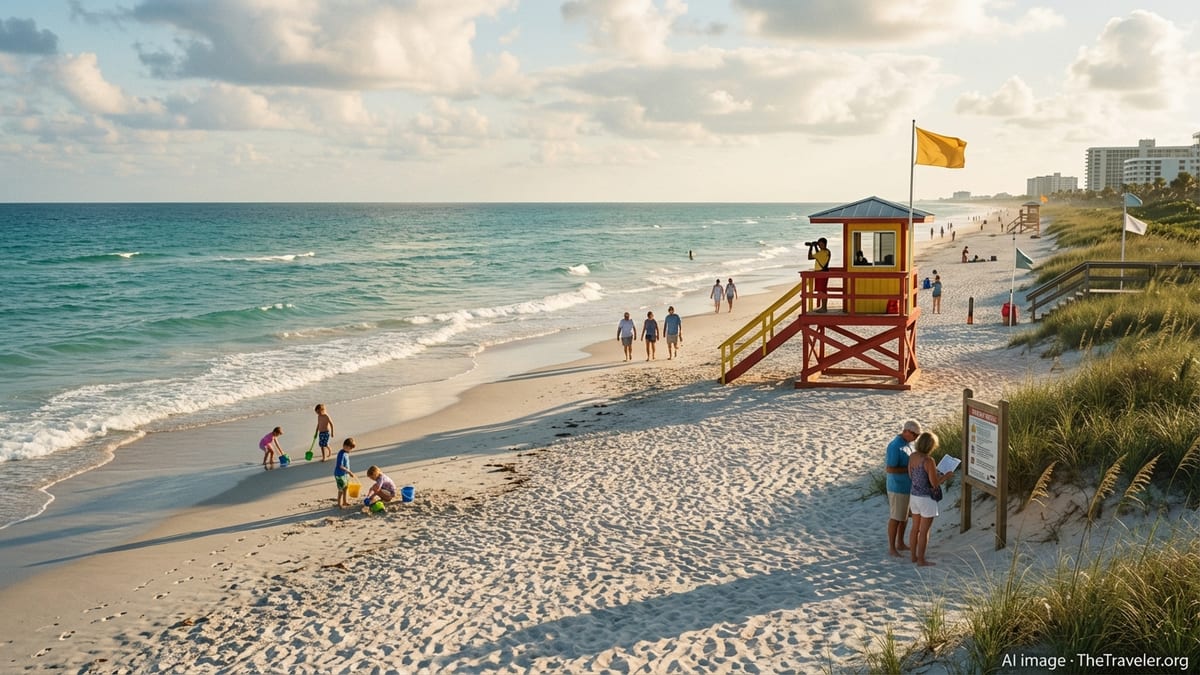
Florida’s coastline stretches for hundreds of miles along the Atlantic Ocean and Gulf of Mexico, drawing swimmers, surfers, anglers, and divers year‑round. While the sea is a powerful asset to tourism, it also brings specific risks that visitors should understand. The most common incident is not a shark bite, but drowning or near‑drowning associated with rip currents. These fast, narrow channels of water flowing away from shore can quickly pull even strong swimmers into deeper water. Beaches with lifeguards often post daily surf and current conditions; red flags or double red flags signal dangerous conditions where swimming is discouraged or prohibited. If you are caught in a rip current, experts advise staying calm, floating or treading water, and swimming parallel to the shoreline until you are out of the current’s pull.
Shark encounters receive outsized attention. Florida routinely records more unprovoked shark bites than any other state, particularly along the central Atlantic coast around Volusia County, which includes New Smyrna Beach and Daytona Beach and is often labeled the shark bite capital of the world. Yet even in years where the state leads global statistics, the number of bites remains tiny compared with the millions of people who enter the water. Most incidents involve small to medium‑sized sharks that mistake a foot or hand for prey in murky, surfy water and result in bite‑and‑release injuries rather than prolonged attacks. Fatalities remain uncommon compared with other coastal hazards.
Other marine risks include jellyfish, stingrays, and coral cuts. Some Florida beaches occasionally experience blooms of stinging jellyfish; local lifeguards may fly purple flags to indicate hazardous marine life. Shuffling your feet when entering shallow Gulf waters can help avoid stepping directly on stingrays, which may defend themselves with a painful sting. When snorkeling or diving near coral reefs, especially in the Florida Keys, avoid touching or standing on coral, both to protect the fragile ecosystem and to reduce your risk of scrapes that can become infected in warm seawater.
On land, Florida’s wildlife can be both fascinating and potentially hazardous. Alligators inhabit freshwater bodies across much of the state, from retention ponds to lakes and wetlands. Serious incidents involving tourists are rare, but visitors should never swim in unmarked freshwater ponds or canals, especially at dusk or dawn, and should keep a generous distance from any alligator seen on shore or in the water. Feeding alligators or other wildlife is both dangerous and typically illegal. In more rural or wooded areas, hikers should also be aware of snakes and biting insects; long pants, closed shoes, and insect repellent are sensible precautions for nature walks, especially in state parks and wildlife areas.
Environmental and Health Concerns: Red Tide, Water Quality, and Heat
Environmental conditions sometimes affect how safe and enjoyable Florida’s beaches and coastal waters are for visitors. Periodic blooms of red tide, a naturally occurring but toxic algae, can cause respiratory irritation, eye and throat discomfort, and fish kills along stretches of the Gulf Coast. Health authorities have issued recurring advisories in recent years for parts of southwest Florida when concentrations rise, affecting destinations such as Naples, Sanibel, and the Sarasota area. Symptoms are usually temporary but can be more serious for people with asthma or chronic lung disease. During an active bloom, many locals choose to avoid spending time on the beach, especially when onshore winds blow aerosolized toxins toward land.
Before heading to the coast, it is wise for travelers to check current beach and water quality updates for their specific destination. While statewide closure of beaches is rare, localized advisories can recommend against swimming or harvesting shellfish at certain sites due to bacteria levels, runoff after heavy rains, or algal blooms. Red tide conditions can vary even between neighboring beaches, so up‑to‑date local information is more useful than broad headlines. If you notice a strong odor, visible dead fish, or discolored water, reconsider swimming or spending long periods near the surf line that day.
Water quality issues are not limited to the Gulf. Parts of South Florida and the Indian River Lagoon system have experienced algae outbreaks and periodic fish kills tied to nutrient pollution and warm temperatures. For most short‑term visitors, the main impact is aesthetic and respiratory rather than long‑term health harm, but sensitive individuals should be cautious about spending extended periods near affected waterways. When participating in boating, paddleboarding, or kayaking, rinsing off after contact with murky or scummy water and avoiding ingestion are sensible measures.
Heat‑related health concerns deserve equal attention. High humidity can make temperatures feel significantly hotter than they appear on a forecast, and pavement and sand can become dangerously hot for bare feet and pets. Tourists walking theme parks, city streets, or long beachfronts often underestimate how quickly sun and heat can lead to exhaustion, headache, or nausea. Regular hydration, broad‑spectrum sunscreen, light clothing, and alternating outdoor activities with indoor, air‑conditioned breaks are simple but effective safeguards. Parents and caregivers should remain especially vigilant with children, who can dehydrate faster and may not recognize early signs of heat stress.
Getting Around Safely: Roads, Rides, and Watercraft
Transportation is a major safety factor for Florida visitors, simply because so much time is spent in cars, on highways, or on water. The state’s road network includes long, multilane interstates, congested urban expressways, and scenic but busy coastal routes. Traffic volumes peak during winter high season and around major holidays and special events, contributing to collisions and delays. Defensive driving is essential, particularly if you are not accustomed to high‑speed interstate travel, frequent lane changes, or heavy truck traffic. Allow extra time for journeys, avoid distracted driving, and familiarize yourself with toll road payment systems before you set out.
In cities, ride‑share services, taxis, and hotel shuttles are common and generally safe when used through official apps or verified stands. To reduce risks, confirm that the vehicle and license plate match the information in your booking, sit in the back seat, and share your trip status with a trusted contact if traveling alone at night. Avoid accepting rides from unmarked vehicles or individuals approaching you directly at airports or outside bars and clubs.
Water transport and recreation add another dimension. Florida’s boating culture is vibrant, from airboats in the Everglades to fishing charters, sunset cruises, and personal watercraft rentals on coastal bays and lakes. Unfortunately, alcohol, inexperience, and crowded waterways can contribute to accidents. Choose operators that are licensed and carry appropriate safety equipment, including life jackets for every passenger. Listen carefully to safety briefings, and do not hesitate to ask questions about emergency procedures or weather contingency plans. If renting a boat, jet ski, or kayak to pilot yourself, be honest about your skill level and take local navigation hazards seriously.
Cycling and walking are popular in many tourist areas, but the built environment can be inconsistent. Some beachfront communities offer excellent boardwalks and dedicated bike lanes, while others force cyclists into fast traffic. When renting bikes or scooters, wear helmets where provided, obey traffic laws, and be especially careful at night or after drinking. On foot, use marked crossings, assume drivers may be distracted, and stay alert when crossing multi‑lane roads common in suburban retail and resort corridors.
Practical Safety Tips for Different Types of Travelers
Safety considerations vary somewhat by traveler profile. Families with young children should focus on water, heat, and crowd management. Many Florida beaches slope gently, but surf and currents can change quickly; designate active adult supervision any time children are in or near the water and consider life vests for weaker swimmers. At theme parks, agree on meeting points in case someone becomes separated, take photos of children each morning so their outfits are easy to describe, and write a contact number on a card or wristband. Strollers, hydration packs, and frequent shade breaks make long days more manageable and safer.
Solo travelers, particularly women, often prioritize personal security and social environments. In Florida’s cities and nightlife destinations, stick to well‑lit streets with other people around, limit alcohol intake in unfamiliar company, and keep your drink in sight. Choose accommodation in central, reputable areas even if it costs slightly more, and let someone know your plans for the evening. Solo beachgoers should stay near lifeguard towers and avoid swimming alone in remote areas, especially after hours.
Older travelers and those with chronic health conditions may be more affected by heat, long walking distances, or respiratory irritants such as red tide. When planning, consider visiting in shoulder seasons such as late fall or early spring, when temperatures are milder and humidity is lower. Request accessible hotel rooms if mobility is an issue, and check whether attractions offer shaded seating, trams, or wheelchairs. Keep medications in carry‑on baggage, bring copies of prescriptions, and identify nearby urgent care clinics or hospitals at your destination so you know where to go in case of illness.
International visitors should remember that the United States relies on private health care, and medical treatment can be very expensive without adequate insurance. Purchase travel insurance that covers emergency care, evacuation, and trip interruption before arrival. Keep identification and insurance details with you, and be prepared to pay an initial bill or deposit in case of treatment, later reclaimable from your insurer. While these precautions add planning steps, they significantly reduce the stress of handling unexpected medical issues far from home.
The Takeaway
Florida’s safety profile is complex, but the broad picture for tourists in 2026 remains reassuring. The state continues to draw vast numbers of visitors, and serious incidents involving travelers are uncommon relative to the scale of tourism. Crime in well‑traveled resort and theme park areas is mostly limited to theft and scams, natural hazards like hurricanes and rip currents are predictable with modern forecasting and signage, and much‑publicized threats such as shark attacks or alligator encounters remain rare for the average visitor who follows local guidance.
That does not mean risks can be ignored. Sensible planning and situational awareness are essential, particularly during hurricane season, heat waves, or periods of poor water quality linked to red tide or algae. Travelers who understand the rhythms of Florida’s climate, respect the power of the ocean, choose transportation and nightlife options carefully, and carry appropriate insurance dramatically improve their odds of a safe and enjoyable trip.
In deciding whether Florida is safe for you, consider your personal risk tolerance, health needs, and travel style. If you prefer well‑organized, amenity‑rich environments, established beach towns and theme park resorts offer layered security and services. If you are drawn to remoter springs, backcountry trails, or offshore adventures, investing extra effort in weather checks, equipment quality, and local advice is key. With thoughtful preparation, Florida’s mix of sun, sea, cities, and natural wonders can be experienced confidently rather than anxiously.
Ultimately, safety in Florida, as elsewhere, is a shared responsibility. State agencies and local communities continue to refine emergency response and visitor information, but individual choices on the ground make the biggest difference. Approach your trip informed and prepared, and you are likely to find that the Sunshine State lives up to its reputation as a welcoming, vibrant destination for travelers from around the world.
FAQ
Q1. Is Florida safe to visit right now for a beach vacation?
For most travelers, Florida’s main beach destinations are considered reasonably safe, provided you monitor weather and water conditions, swim near lifeguards, and follow local advisories.
Q2. How dangerous are hurricanes for tourists in Florida?
Hurricanes can seriously disrupt travel during season, especially from August to October, but forecasts give days of warning and visitors who heed official guidance usually stay safe.
Q3. Should I worry about crime in Orlando or Miami as a tourist?
Tourist areas in Orlando and Miami are generally well policed; violent crime is more common in outlying neighborhoods that visitors rarely enter, so staying in central, reputable areas reduces risk.
Q4. Are shark attacks common on Florida beaches?
Florida records more shark bites than other states, especially along parts of the Atlantic coast, but incidents remain rare compared with the huge number of people who enter the water each year.
Q5. What is red tide and should it change my plans?
Red tide is an algae bloom that can irritate eyes and lungs and cause fish kills; it is usually localized, so checking current local beach reports is more useful than canceling an entire trip.
Q6. Is it safe to swim where there are alligators in Florida?
Visitors should avoid swimming in unmarked freshwater ponds, canals, or lakes where alligators may live; instead, use designated swimming areas and follow posted signs and park guidance.
Q7. Do I need special health insurance to travel to Florida?
International travelers should have travel health insurance because medical care in the United States can be expensive, while domestic visitors typically rely on their usual coverage and optional trip insurance.
Q8. How can families keep children safe at Florida theme parks?
Families can improve safety by staying hydrated, taking shade breaks, setting meeting points, supervising kids closely in crowds, and using height and safety guidelines on rides.
Q9. Is it safe to walk around Florida cities at night?
In busy, central districts it is generally safe to walk at night if you stay in well‑lit areas, avoid excessive drinking, and use taxis or ride‑shares rather than wandering into unfamiliar neighborhoods.
Q10. What is the single most important safety step for visitors to Florida?
Staying informed is crucial: check weather forecasts, local advisories, and beach conditions daily, then adjust your plans and activities promptly when official guidance changes.