

Georgia does not always top the list of first-time U.S. destinations, yet travelers who venture into the Peach State often come away wondering why they waited so long. Stretching from Appalachian summits to wild Atlantic marshes, Georgia blends deep history with a thriving modern culture, world-class food, and year-round outdoor escapes. The question is not so much whether Georgia is worth visiting, but which side of this diverse state you want to discover first.
Why Georgia Has Become a Standout Southern Destination
Georgia has emerged as one of the South’s most appealing destinations thanks to its rare combination of big-city energy, preserved historic districts, and easy access to nature. Atlanta, the state capital, anchors the region with major cultural institutions, professional sports, and one of the world’s busiest airports, while cities like Savannah and Augusta offer slower-paced charm and walkable streets lined with trees and historic architecture. For many visitors, the variety packed into a single state is what makes Georgia feel rewarding even on a short trip.
Tourism officials report that Georgia has welcomed record numbers of visitors in recent years, driven in part by strong demand for road trips and domestic travel. Travel spending continues to inject billions of dollars into the state economy, supporting jobs from the mountains of north Georgia to the coastal islands. For travelers, this growth translates into better infrastructure, more lodging options at a range of price points, and increasingly polished visitor experiences that still feel authentic rather than over-produced.
Georgia’s popularity also stems from its role as a cultural touchstone in American history and contemporary life. It was a major stage for the civil rights movement, is home to influential music scenes, and functions today as a powerhouse for film and television production. Many visitors come with mental images shaped by TV series and movies filmed across the state, then find that the real Georgia is both more complex and more welcoming than they expected.
Importantly, Georgia remains relatively affordable compared with some neighboring coastal destinations. Lodging and dining in secondary cities and small towns can be especially good value, and free or low-cost attractions such as public squares, riverfront promenades, and state parks help stretch a travel budget. Combined with the state’s central location in the U.S. Southeast, this makes Georgia a practical choice for both quick getaways and longer itineraries.
Atlanta: Global City With Southern Soul
Atlanta is often the gateway for international and domestic visitors, and it offers far more than a convenient airport hub. The city has grown into a major cultural and business center, with a skyline of glass towers contrasted by leafy residential neighborhoods and historic districts. Visitors can easily fill several days with museums, live music, sports, shopping, and dining without ever leaving the metropolitan area.
Civil rights history is a compelling reason to visit Atlanta. The city was home to Martin Luther King Jr. and remains a powerful place to engage with the ongoing story of voting rights, equality, and social change in the United States. Carefully curated museums and memorial sites offer context and reflection, while neighborhoods around them showcase how Atlanta’s communities continue to evolve.
Atlanta’s food scene is another major draw. You can eat your way from classic meat-and-three diners and soul food kitchens to contemporary restaurants led by nationally recognized chefs. The city supports inventive takes on Southern staples alongside global cuisines that reflect Atlanta’s diverse population. For many travelers, evenings spent hopping between neighborhood eateries, breweries, and dessert spots become trip highlights in their own right.
Sports and entertainment also help make Atlanta popular. The city hosts professional teams in several major leagues and frequently stages national-level events and concerts. Between games, large public parks and the growing network of urban trails provide green breaks from the bustle, and family-friendly attractions appeal to travelers with children. For visitors who want a dynamic, urban experience paired with Southern hospitality, Atlanta alone can justify a trip to Georgia.
Savannah and the Coast: Romantic Squares to Wild Marshes
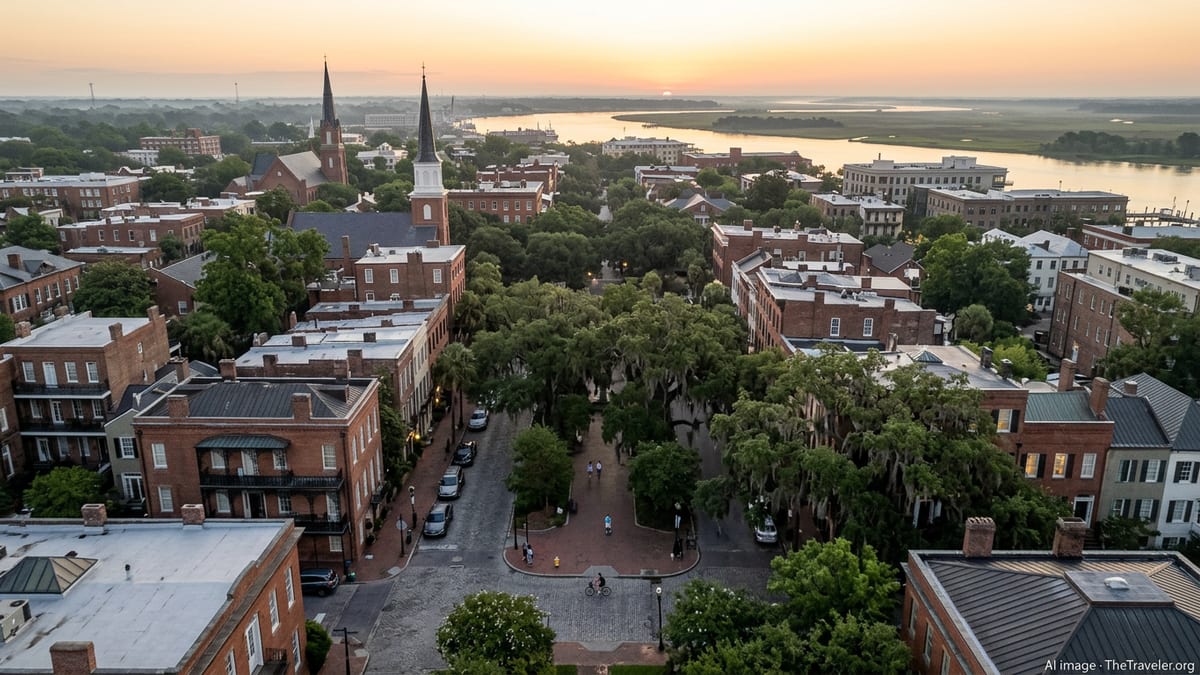
On the coast, Savannah offers one of the most atmospheric historic districts in the United States. The city’s grid of oak-shaded squares, brick sidewalks, and restored mansions creates a setting that feels both cinematic and lived-in. Visitors come to wander among filigreed iron balconies, small gardens, and centuries-old churches, often discovering that the city is as much about quiet corners as marquee landmarks.
Part of Savannah’s appeal is how walkable it is. Many of the most photogenic streets, museums, and restaurants sit within a compact area, making it easy to explore on foot over a couple of days. The city’s riverfront, with its cobblestone lanes and converted warehouses, adds another layer of history and offers views of container ships moving along the Savannah River. In the evenings, soft lighting, live music, and the scent of coastal air lend the city an undeniably romantic mood.
Beyond Savannah, Georgia’s coastline is surprisingly wild and lightly developed compared with some neighboring states. Barrier islands like Tybee, Jekyll, and St. Simons provide easy beach escapes, with broad stretches of sand, salt marsh vistas, and a choice of simple motels, vacation rentals, and family resorts. Other islands remain largely protected, drawing nature lovers with opportunities for birdwatching, kayaking, and guided eco-tours.
The coastal region appeals to travelers seeking a slower rhythm and a closer connection with nature. Tidal creeks, maritime forests, and estuaries shelter diverse wildlife, while small fishing communities and historic sites like lighthouses offer glimpses into the area’s maritime heritage. For many visitors, splitting time between Savannah’s architecture and the nearby islands’ open skies and beaches provides a balanced introduction to Georgia’s coastal character.
Mountains, Lakes, and Outdoor Adventure
Head north from Atlanta and Georgia quickly turns mountainous. The southern reaches of the Appalachian range roll into the state as forested ridges, trout streams, and cool valleys dotted with cabins and mountain towns. This landscape offers a very different side of Georgia and is a major reason outdoor enthusiasts rank the state highly.
North Georgia is home to popular lakes and rivers where travelers can paddle, fish, or simply unwind on the shore. State parks around features such as canyons, waterfalls, and high-elevation viewpoints have been steadily improved with marked trails, campgrounds, and cabins. These public lands provide outstanding value for visitors who enjoy hiking or scenic drives, especially during spring bloom and autumn leaf season.
Backcountry trails link to larger networks like the Appalachian Trail, making Georgia a starting or ending point for long-distance hikers as well as a base for day hikes. Small towns in the region have grown into gateways for outdoor tourism, with outfitters, breweries, and local restaurants catering to both weekenders and through-hikers. Even travelers without specialized gear can enjoy short, well-signed walks to overlooks, picnic areas, and lakefronts.
In winter, the mountains stay relatively mild compared with more northern states, but cooler temperatures and occasional frost bring a change of atmosphere that some visitors cherish. Fireplaces, quiet roads, and bare-branched vistas create a contemplative mood, and off-peak pricing can make cabins and lodges more affordable. For those who want fresh air and wide horizons without extreme conditions, Georgia’s mountains offer a satisfying middle ground.
Culture, Food, and the Film Connection
Georgia’s cultural life is one of the strongest answers to the question of what makes the state popular with visitors. Long known for music that spans gospel, blues, country, hip-hop, and indie rock, the state continues to produce influential artists and host festivals that draw regional audiences. Live music venues in cities and college towns keep that tradition alive on a smaller scale, serving as gathering places for locals and curious travelers.
Food is another defining part of the experience. Classic Southern dishes such as fried chicken, biscuits, barbecue, and peach desserts are widely available, but Georgia’s culinary scene has diversified well beyond tradition. Immigrant communities have introduced rich layers of global flavor, and young chefs are reinterpreting regional ingredients with modern techniques. Travelers can seek out everything from roadside barbecue shacks to elegant tasting menus, often at lower prices than in coastal metropolitan areas.
In recent years, Georgia’s reputation as a filming destination has added fresh intrigue. A strong production infrastructure and varied landscapes have attracted major film and television projects, with Atlanta and surrounding areas doubling for locations across the world. Visitors are often surprised to recognize backdrops from familiar series while exploring neighborhoods and small towns. This connection to screen culture subtly influences tourism, inspiring themed tours and photo stops for fans.
Festivals, markets, and seasonal events across the state provide additional reasons to visit. From spring flower celebrations and summer food festivals to fall harvest fairs and winter holiday lights, these gatherings showcase local crafts, music, and traditions. They also offer a chance to meet residents and experience the state’s personality beyond its landmarks. For many travelers, those human interactions are what they remember most vividly.
Practical Reasons Georgia Is Easy to Visit
Beyond scenery and culture, Georgia stands out for practical reasons that matter when planning a trip. Atlanta’s large international airport serves as a major gateway to the United States, providing direct connections from many domestic and overseas cities. That makes it simple to add Georgia to a broader U.S. itinerary or to use the state as a starting point for exploring the wider Southeast.
Within Georgia, a relatively dense network of interstate highways and state roads connects major cities, small towns, and natural attractions. Many visitors choose to rent a car, which offers flexibility to combine urban and rural stops in a single journey. Travel times between key destinations are manageable, making it realistic to include Atlanta, Savannah, and the mountains or coast in one week-long trip if you are comfortable with some driving.
Accommodation options have expanded in recent years, from major hotel brands in city centers to boutique inns, renovated historic properties, and a growing number of vacation rentals. Data from large home-sharing platforms show that short-term rentals now play a significant role in dispersing visitor spending into neighborhoods beyond traditional hotel districts, benefiting local businesses and giving travelers more choice in where to stay. For budget-conscious visitors, this variety can make the difference between a quick weekend and a longer, more immersive trip.
In terms of safety, Georgia’s overall conditions for travelers are broadly in line with other popular U.S. states. Major tourist areas are accustomed to hosting out-of-state and international guests, with established transportation services and emergency response systems. As with travel anywhere, it is sensible to follow standard precautions, stay aware of your surroundings, and monitor local news and weather, especially during periods when summer storms or heavy holiday traffic are expected.
Best Times to Visit and Seasonal Highlights
Georgia’s climate is generally mild, which makes the state visitable year-round, though heat and humidity can be pronounced in the height of summer. Many travelers consider spring and fall to be the best seasons, when temperatures are more moderate and the landscape is at its most photogenic. In spring, flowering trees and azaleas brighten cities and parks, while in autumn, the forests of north Georgia turn shades of red, orange, and gold.
Summer remains popular, especially for families tied to school holidays. Coastal destinations and mountain lakes draw swimmers and boaters, and long daylight hours allow for extended sightseeing. However, visitors should be prepared for warm, often humid conditions, particularly in the southern part of the state and in larger cities, and plan midday breaks in shaded or air-conditioned spaces.
Winter can be an underrated time to visit. While occasional cold snaps and light snow can affect the northern mountains, most of the state experiences cool but not severe conditions. This can be an excellent moment to enjoy historic districts without peak-season crowds, take advantage of lower accommodation rates, and see a different side of Georgia’s landscapes. Holiday events, light displays, and seasonal performances add atmosphere in many communities.
Weather-related disruptions are possible during the Atlantic hurricane season, particularly along the coast and in low-lying areas. Even when Georgia is not directly in the path of a storm, heavy rain and strong winds can affect travel plans. Checking forecasts in the days before a trip and remaining flexible with outdoor activities is important, especially during late summer and early autumn.
The Takeaway
So, is Georgia worth visiting? For most travelers, the answer is a clear yes. The state delivers a compelling blend of urban culture, layered history, outdoor adventure, and coastal relaxation, all within relatively easy reach of one another. Whether you are drawn by civil rights landmarks, romantic squares, mountain trails, or quiet beaches, Georgia offers experiences that feel distinctive yet approachable.
What makes Georgia popular is not just its individual attractions, but how well they fit together. You can spend a morning in a world-class museum, an afternoon among live oaks or mountain overlooks, and an evening over a generous Southern meal, often without crossing a state line. Add in expanding lodging options, strong transportation links, and a generally welcoming atmosphere, and it is easy to see why Georgia continues to rise on travelers’ lists.
Perhaps the strongest endorsement comes from the many visitors who return. They come back to explore a different region, taste a new restaurant, try another trail, or simply revisit a favorite square at a different time of year. Georgia rewards that curiosity with fresh perspectives and deeper connections, making it not just a place to pass through, but a state worth getting to know.
FAQ
Q1. Is Georgia a good destination for first-time visitors to the United States?
Yes. Georgia works well for first-time visitors because it combines a major international gateway in Atlanta with accessible historic cities, coastal areas, and nature, all within one state.
Q2. Is Georgia safe for tourists?
Overall, Georgia is broadly comparable to other popular U.S. states in terms of visitor safety. Most trips are trouble-free, especially when travelers follow standard precautions such as staying aware of their surroundings and securing valuables.
Q3. How many days do I need to see the main highlights of Georgia?
A long weekend is enough for one city such as Atlanta or Savannah, but five to seven days allows you to combine at least two regions, for example a city plus either the coast or the mountains.
Q4. Do I need a car to explore Georgia?
Public transport and rideshare options work within Atlanta and, to a lesser extent, Savannah, but a car makes it much easier to visit smaller towns, state parks, and coastal or mountain areas.
Q5. What is the best time of year to visit Georgia?
Spring and fall are generally the most comfortable, with milder temperatures and scenic foliage or flowers. Summer is popular for beaches and lakes but can be hot and humid, while winter is quieter and often more affordable.
Q6. Is Georgia expensive compared with other U.S. destinations?
Georgia is typically more affordable than many major coastal cities. Prices vary by region, but visitors often find good value in accommodations, dining, and state park activities.
Q7. What are the must-see places for a first trip to Georgia?
Many first-time visitors focus on Atlanta for museums and culture, Savannah for historic charm, and either north Georgia’s mountains or the coastal islands for nature and relaxation.
Q8. Is Georgia family-friendly?
Yes. Georgia offers family-friendly attractions such as aquariums, science centers, zoos, beaches, lakes, and state parks with easy trails and picnic areas suitable for children.
Q9. Can I visit both Savannah and Atlanta on the same trip?
Yes. The two cities are connected by major highways, and many travelers combine them in a one-week itinerary, sometimes adding a stop in the mountains or at the coast.
Q10. What kind of food is Georgia known for?
Georgia is known for Southern comfort food such as fried chicken, barbecue, biscuits, and peach dishes, along with a growing scene of global and modern Southern cuisine.