

Is Germany expensive to visit right now, or still reasonable compared with its European neighbors? With price rises across Europe, rail reforms and public debate over the cost of living, many travelers are rethinking their budgets for trips to Berlin, Munich or the Rhine. The answer is that Germany sits in the middle of the Western European price range: not as cheap as parts of Central or Eastern Europe, but usually more affordable than Scandinavia, France or Switzerland. What you actually spend will depend heavily on how you move around, where you stay and how often you eat out. This guide explains the real costs on the ground so you can plan a realistic daily budget for Germany in 2026.
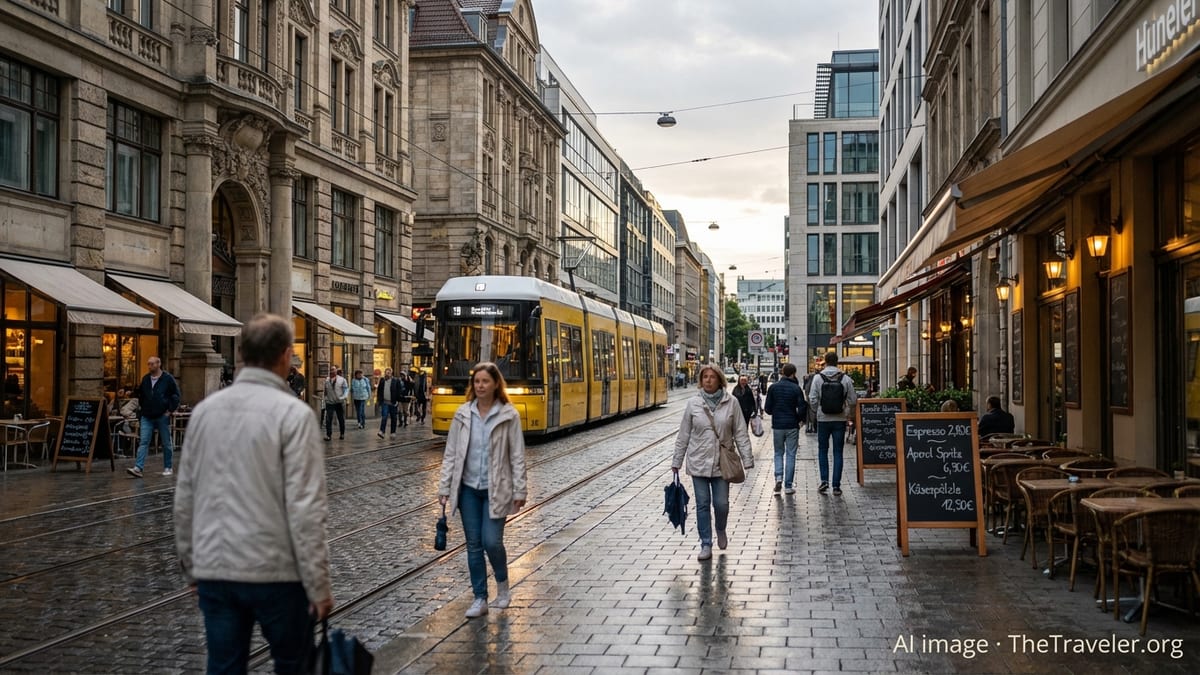
How Germany’s Prices Compare in Europe
Germany is best described as a mid to upper mid range destination within Europe. Everyday prices are clearly higher than in Southern and Eastern Europe, but they are generally lower than in the Nordic countries and slightly below or similar to neighboring France and Austria. For most travelers coming from North America, Australia or the United Kingdom, Germany will not feel shockingly expensive, but you will notice that certain categories such as eating out and train travel can add up quickly if you do not plan ahead.
Recent European statistics put German food prices modestly above the European Union average, roughly in line with Italy and a little higher than Spain, but below Denmark and the Nordic region. That means supermarket runs and simple restaurant meals will feel reasonable by Western European standards, though not a bargain. Accommodation in major cities, especially during trade fairs or big events like Oktoberfest and Christmas markets, can spike sharply above the national average, so flexibility with dates and neighborhoods pays off.
Where Germany often feels good value is in its public infrastructure. City public transport networks are dense and reliable, and intercity buses and some advance purchase train tickets can keep long distance travel affordable. Museum prices remain comparatively moderate for a wealthy country, and many outdoor experiences from river promenades to national parks are free, so you can balance out higher spends on accommodation or dining with low cost or no cost activities.
Typical Daily Budgets: From Backpacker to Comfort Traveler
The amount you spend in Germany per day will depend mostly on your travel style and how often you change locations. For a lean backpacker trip, staying in hostel dorms, cooking some meals and sticking to public transport, a realistic daily budget in 2026 often lands somewhere in the lower double digits in euros, not including flights. This would usually cover a hostel bed, simple groceries, one inexpensive hot meal, local transport and a low cost attraction or two.
For a mid range traveler who prefers a private room in a two or three star hotel or guesthouse, eats out once or twice a day and includes regular sightseeing and occasional intercity train trips, a more comfortable daily budget is in the mid double digits in euros. Couples sharing a room often benefit from lower per person costs for accommodation, which can balance out spending on meals and activities. Travelers who choose a few splurges, such as a special dinner or a scenic rail journey, will need to nudge this estimate upward on those days.
At the upper end, those seeking four star hotels, frequent restaurant meals, bars and paid cultural events should plan on significantly higher daily spending in the high double digit or even low triple digit range per person. In this tier, the main cost drivers are accommodation quality and frequency of long distance train travel, particularly if tickets are bought at short notice. The good news is that infrastructure and service levels are generally high at this price point, so you are likely to feel you receive solid value, particularly in well run family hotels and higher end regional dining.
Accommodation Costs Across Germany
Accommodation is usually the single biggest line item in a German travel budget. Prices vary widely by city, season and whether a major trade fair or festival is taking place. Berlin, Hamburg and Cologne tend to offer a broad spread of options, with hostel dorm beds often available at relatively moderate prices outside peak events. Munich, Frankfurt and smaller but high demand cities can be noticeably more expensive, especially during Oktoberfest, major exhibitions or big football matches, when even simple rooms can jump dramatically in price.
Hostel dormitory beds remain the go to option for solo budget travelers, with prices that are competitive for Western Europe yet higher than in parts of Central and Eastern Europe. Many hostels in major cities include free Wi fi and sometimes breakfast, which can help keep the overall daily cost down. Private rooms in hostels and simple guesthouses are a sensible midpoint, giving you more privacy than a dorm but often at a lower price than a full service hotel. Booking early for popular cities and weekends generally secures better rates.
Mid range hotels, typically in the two to three star category, usually occupy the middle of the price spectrum. In smaller towns and rural regions, family run guesthouses and pensions can offer good value, sometimes including a hearty breakfast that effectively replaces the need for a separate morning meal. In big cities, chain hotels near major train stations and business districts can be convenient but may charge a premium during conferences and fairs. Vacation rentals and apartments are available in most urban areas, but cleaning fees and minimum stays mean they are often best value for longer visits or groups sharing costs.
Food, Drink and Grocery Prices
Germany’s food and drink prices are broadly in line with other large Western European economies, but your choices can swing your daily spending up or down considerably. Supermarkets are widespread and offer good value, particularly the discount chains that are well known locally. Buying breakfast items, snacks and drinks from these stores instead of cafes or kiosks can noticeably reduce your daily outlay without feeling like a sacrifice. Pre made sandwiches, salads and bakery items are common and make quick, affordable meals.
Eating out in restaurants and cafes ranges from modestly priced to expensive depending on the city and the type of venue. In many towns you can still find filling lunches or daily specials at central European style restaurants for a reasonable cost, especially at midday when business lunch menus are common. In big tourist centers, particularly around major sights and old town squares, menus often carry a markup, so walking a few streets away from the main attractions usually leads to better value offerings without a huge compromise in atmosphere.
Alcohol can be relatively affordable in supermarkets and some pub style venues, with locally brewed beer often cheaper than imported wine or cocktails. However, ordering multiple rounds at busy bars or trendy venues in big cities can quickly inflate your daily budget. Non alcoholic drinks in cafes, particularly specialty coffees and soft drinks served at tourist heavy spots, are another quiet cost driver; sticking to tap water where it is offered, or limiting impulse drink stops, can help keep spending under control. Tipping is customary but modest in Germany, typically rounding up the bill or adding a small percentage, so it should not drastically alter your dining budget.
Getting Around: Trains, Passes and Local Transport
Transport costs are one of the most important factors when calculating whether Germany feels expensive. The country’s rail network is extensive, efficient and often the most convenient way to move between cities, but last minute long distance tickets on express trains can be costly. Booking intercity train tickets in advance, choosing slower connections or taking advantage of occasional saver fares can bring these prices down significantly. Intercity buses remain a lower cost alternative on many routes, trading time for savings.
For local and regional travel, Germany’s nationwide public transport pass, the Deutschlandticket, has been a game changer. Introduced in 2023 as a monthly subscription for local and regional transport, it now costs in the low double digits in euros per month and is scheduled to rise further from January 2026. The ticket allows unlimited use of local buses, trams, U Bahn, S Bahn and most regional trains across the country, but it does not cover long distance services such as ICE, IC and EC trains. For travelers spending at least a full month in Germany or basing themselves in one region with frequent day trips, this pass can drastically reduce per day transport costs.
In cities, single public transport tickets and day passes are common and priced at levels that will feel moderate by Western European standards. Using contactless payment or local apps can simplify buying tickets and sometimes unlock small discounts. Taxis and ride hailing services are reliable but not cheap, so they are best reserved for late night returns, airport transfers with heavy luggage or situations where time savings justify the cost. Cycling is a viable option in many German cities thanks to dedicated bike lanes and rental schemes, providing a cheap and healthy way to get around once you have oriented yourself.
Attractions, Culture and Seasonal Price Spikes
Spending on sightseeing and culture in Germany is usually manageable compared with the cost of accommodation and long distance transport. Entrance fees to major museums, palaces and galleries are typically set at moderate levels relative to other Western capitals. Many cultural institutions offer reduced rates on certain days, discounts for students, seniors and families, and occasionally free admission hours, so checking timetables and planning your visits strategically can lower costs without limiting your experience. Outdoor attractions such as riverside promenades, historic town centers and many castles viewed from the outside remain free to enjoy.
Where travelers need to be especially mindful is around seasonal price spikes. During Oktoberfest in Munich, hotel prices can multiply several times over their usual rates, and even simple restaurant meals and beer inside festival grounds carry a substantial markup. Similarly, during popular Christmas market periods in cities like Nuremberg, Dresden and Cologne, central accommodation fills quickly and becomes more expensive. Trade fairs in cities such as Frankfurt, Hanover and Düsseldorf can also push hotel rates up well beyond what leisure travelers might expect for those dates.
Tickets for concerts, opera and Bundesliga football matches can represent a significant but optional extra in your budget. Prices vary widely, with standing room or upper tier seats often remaining accessible while prime spots can be pricey. Booking early and being flexible about dates and seating categories helps control these costs. Free or low cost cultural events, from open air concerts in summer to local festivals in smaller towns, offer enjoyable alternatives that showcase German culture with minimal impact on your wallet.
Money Saving Strategies Without Sacrificing Experience
Germany rewards travelers who plan ahead and are flexible about how they spend. One of the most effective ways to control costs is to fix your most expensive nights early, particularly if your trip coincides with major events. Booking accommodation well in advance, considering neighborhoods just outside the main tourist districts and remaining open to alternatives such as guesthouses or well reviewed hostels can keep your average nightly rate down without significantly affecting convenience. Traveling slightly outside peak months, for example in late spring or early autumn, often brings lower prices and fewer crowds.
On the ground, mixing self catering with selected meals out is a powerful budget tool. Buying breakfast and some lunches from supermarkets or bakeries while saving restaurant spends for special dinners or regional specialties allows you to experience local cuisine without overspending. Many German cities have inexpensive student canteens or casual dining areas near universities where prices remain relatively modest. Carrying a refillable water bottle, making use of supermarket snacks and choosing coffee from less touristy cafes all contribute to meaningful daily savings.
In terms of transport, clustering your sightseeing by neighborhood and using day passes or regional tickets efficiently can reduce the number of single fares you pay. If your itinerary involves multiple long distance trips, compare the cost of individual advance tickets with the price of a rail pass or strategic use of intercity buses. For longer stays or slow travel, the Deutschlandticket or regional variants are often excellent value, even if you do not use them every day. Finally, keeping a small buffer in your budget for unexpected price increases or spontaneous activities will make Germany feel less stressful and more enjoyable, even if you encounter higher than expected costs in one or two categories.
The Takeaway
So, is Germany expensive to visit in 2026? The honest answer is that it is moderately priced by Western European standards, with enough flexibility that most travelers can shape a trip to match their budget. Accommodation and last minute express trains are the main items that can make Germany feel costly, while supermarkets, public transport passes and a rich supply of free or low cost cultural experiences help keep overall spending under control. Travelers who plan ahead, avoid the priciest peak dates and mix their spending levels day by day usually find that Germany delivers strong value for the quality of infrastructure and experiences on offer.
If you are used to traveling in Southern or Eastern Europe, certain everyday prices in Germany will feel higher, particularly for dining out in big cities. If your reference point is Scandinavia, Switzerland or high cost North American cities, Germany may come as a pleasant surprise. With a realistic daily budget, some strategic use of passes and advance bookings, and a willingness to explore beyond the most touristed districts, you can enjoy the country’s culture, landscapes and cities without feeling that your wallet is under constant pressure.
FAQ
Q1. Is Germany more expensive than France or Italy for travelers?
Germany generally sits in a similar price band to France and Italy, sometimes a little cheaper for transport and accommodation, but more expensive than Spain or much of Eastern Europe.
Q2. How much should a budget traveler expect to spend per day in Germany?
A budget traveler who stays in hostel dorms, uses public transport and cooks some meals can often manage on a modest double digit euro amount per day, excluding long haul flights.
Q3. Are train tickets in Germany expensive?
Long distance high speed train tickets can be pricey if bought at the last minute, but advance purchase deals, slower regional routes and passes can bring per journey costs down.
Q4. Is the Deutschlandticket worth it for tourists?
The Deutschlandticket can be excellent value for visitors staying at least a full month or using local and regional transport extensively, but it does not cover long distance express trains.
Q5. Are restaurants in Germany affordable?
Restaurant prices range from moderate to high depending on location and style; eating at lunchtime, choosing neighborhood spots and mixing in supermarket meals helps keep costs reasonable.
Q6. When is the cheapest time of year to visit Germany?
Late spring and early autumn outside major trade fairs and festivals often offer better value for flights and hotels than peak summer, Oktoberfest or Christmas market periods.
Q7. How much does accommodation usually cost in German cities?
Costs vary widely, but hostel dorms are generally the lowest priced option, mid range hotels and guesthouses form the middle, and central four star hotels occupy the higher end.
Q8. Is cash still necessary in Germany for everyday expenses?
Card and contactless payments are widely accepted, but carrying some cash remains useful for small vendors, local markets and occasional older establishments that prefer cash.
Q9. Are museums and attractions in Germany expensive?
Most museums and cultural sites charge moderate entry fees by Western standards, and many offer reduced prices on certain days or discounts for students, families and seniors.
Q10. Can I travel Germany on a tight budget without missing key experiences?
Yes, by prioritizing a few must see sights, using public transport, relying on supermarkets for some meals and choosing budget friendly accommodation, you can keep costs low and still enjoy the highlights.