

Germany attracts millions of visitors every year with its historic cities, efficient transport and world-class culture. Yet recent headlines about isolated attacks, political tension and crime in major cities have raised a reasonable question for many would-be visitors: is Germany actually safe for tourists in 2026? This guide takes an honest, up to date look at the risks, how they affect travelers in real life, and the practical steps you can take to stay safe while still enjoying everything the country offers.
Overall Safety Picture: How Safe Is Germany Right Now?
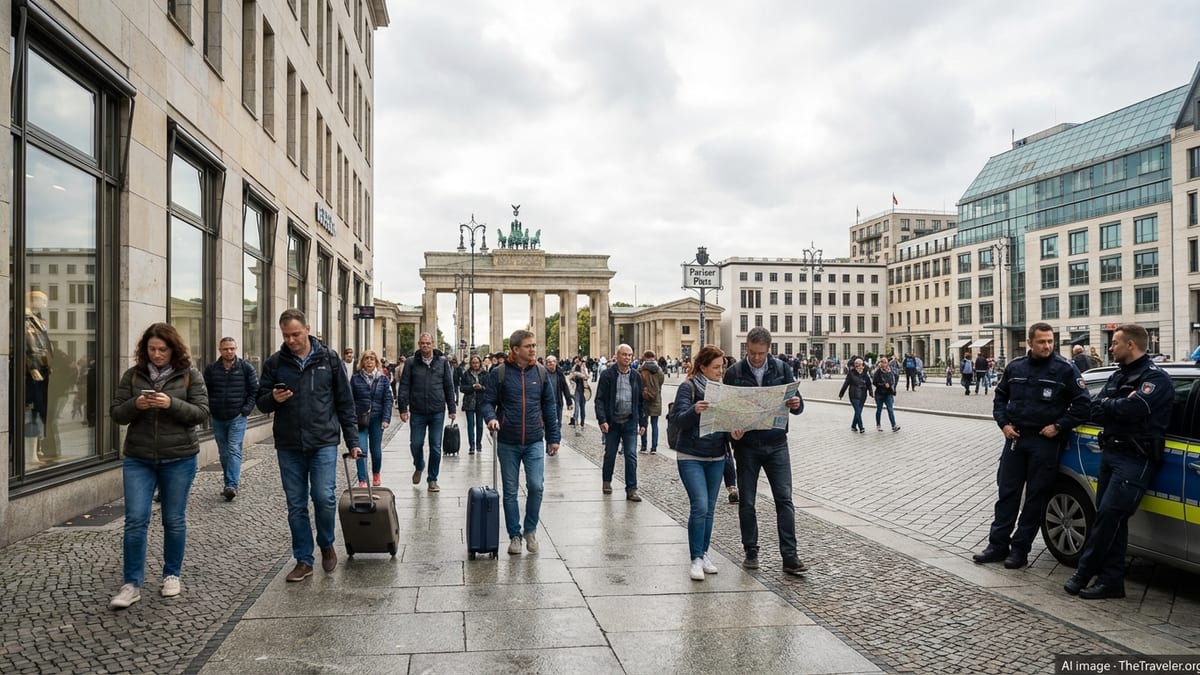
For most visitors, Germany remains a generally safe destination by global standards. Major cities like Berlin, Munich, Hamburg and Cologne feel comparable to other large Western European hubs: busy, sometimes gritty in certain districts, but largely orderly and well policed. Violent crime involving tourists is relatively rare, and the vast majority of trips pass without any serious incident beyond the occasional pickpocketing attempt or minor scam.
That said, the safety picture is not uniform. Petty theft and bag snatching are common in crowded tourist zones and on public transport in big cities. Germany has also experienced a small number of high-profile attacks in recent years, including vehicle-ramming and stabbing incidents in public spaces and at Christmas markets. These events are deeply troubling and have prompted stronger security measures, but they remain statistically rare when set against the millions of daily journeys and visits that pass peacefully.
Authorities are highly sensitive to security concerns in locations frequented by visitors, from Christmas markets and large festivals to transit hubs. Visible police patrols, cameras and security checks are a normal sight in big-city centers and around major events. Travelers who stay alert to their surroundings, avoid obvious risk-taking and follow local instructions are unlikely to encounter more than routine urban nuisances.
It is also worth noting that Germany is politically stable and has strong institutions, an independent judiciary and generally trusted law enforcement. Public debate about extremism, migration and social cohesion has intensified in recent years, but that has also led to large, peaceful demonstrations in support of democracy and against violent extremism. Visitors will sometimes see protests or heightened security, especially in federal election seasons or after major incidents, but these are usually well managed and not directed at tourists.
Crime, Scams and Everyday Risks Tourists Actually Face
The most common safety threat tourists experience in Germany is petty theft rather than violence. Pickpockets operate in crowded public transport, in busy shopping streets, at major squares, at train stations and around popular attractions. They tend to work in small groups and target distracted visitors carrying bags loosely or keeping phones and wallets in easily accessible pockets.
Bag snatching, especially of backpacks left on the backs of chairs in cafés or handbags placed on the floor, also occurs in urban centers. Thieves often rely on speed and surprise rather than confrontation. In most cases, victims do not realize what has happened until the thief is long gone. Keeping valuables out of sight, using cross-body bags that close securely, and carrying only what you need for the day are simple but effective countermeasures.
Scams targeting tourists are less aggressive than in some other parts of the world but do exist. In nightlife areas, particularly around red-light districts or crowded club streets, there are reports of inflated bar bills, dubious “special offers” and unlicensed taxis that overcharge. In very touristy zones, you may also encounter street games or petitions that act as distractions for pickpockets. Most of these are easy to avoid by politely declining interaction, checking prices before ordering and using only clearly marked, licensed taxis or reputable ride apps.
Violent crime is relatively uncommon in tourist contexts, but it does exist, especially late at night and often linked to alcohol or disputes between groups that already know each other. Street harassment can occur, particularly around intoxicated crowds at big festivals or in nightlife districts. As elsewhere, basic street sense reduces risk significantly: stay with people you trust, avoid confrontations, and do not follow strangers to secondary locations or unregistered venues.
Terrorism, Public Attacks and Political Tensions
Germany, like many European countries, has experienced a handful of serious attacks in recent years involving vehicles, knives and firearms in public places. These have included incidents at festivals, Christmas markets and symbolic locations. Security services treat the risk of terrorism and politically or ideologically motivated attacks as an ongoing concern rather than a one-off anomaly.
These events are distressing and receive extensive international coverage, which can create an impression of constant danger. In reality they are rare compared with the scale of everyday life. Millions of residents and visitors attend markets, concerts, football matches and cultural events each year without incident. When an attack does occur, police responses tend to be swift and followed by visible security adjustments in similar venues nationwide.
Travel advisories from major countries currently classify Germany as a place where travelers should “exercise increased caution,” largely due to the general terrorism risk in Europe and the possibility of isolated, unpredictable acts of violence. This language is similar to advisories for other major Western European destinations. Authorities regularly adjust security at airports, stations and large events, with temporary road closures or bag checks if they perceive an elevated threat.
Protests and demonstrations are common parts of public life in Germany, especially around social issues, extremism, climate policy and foreign conflicts. Most demonstrations are peaceful, but a small minority can lead to clashes with police or counter-protesters. As a visitor, you should avoid getting caught up in any protest you do not intend to attend, particularly after dark. If you encounter a sudden gathering, it is usually safest to steer clear, follow police directions and choose an alternate route.
City by City: Where Tourists Feel Most Secure
Germany’s large cities differ in atmosphere and perceived safety, but all major urban centers have well-trodden areas where tourists move around comfortably. Berlin, the capital, has a reputation for being both creative and slightly rough around the edges. Central districts with key attractions feel busy but manageable, with plenty of families, students and workers on the streets into the evening. Issues such as pickpocketing, bike theft and petty scams are more common than violent confrontations.
Munich generally feels more conservative and orderly, with a polished city center and strong police presence, especially around marquis events like the Oktoberfest beer festival. While serious incidents do occasionally take place, they are exceptions to an overall environment that most visitors experience as safe and predictable. During large events, bag checks, security filters and crowd control are standard, which can slow queues but contribute to a sense of security.
Hamburg, Cologne, Frankfurt and Düsseldorf all have busy nightlife districts where alcohol-fueled disorder is more likely. Around harbor or station areas, you may see more visible homelessness, street drinking or drug use than in postcard-perfect historic cores. In these districts, staying in well-reviewed accommodation, avoiding poorly lit back streets in the early hours and using registered taxis or ride apps can make a significant difference in how safe you feel.
Smaller cities and many university towns such as Heidelberg, Freiburg or Regensburg are often perceived as especially relaxed. They typically have compact old towns, strong cycling cultures and lively student scenes. Crime does occur, but at lower volumes, and visitors often remark on how comfortable it feels to walk around in the evening. Rural regions, Alpine areas and wine-growing valleys tend to feel very safe, with the main risks shifting from crime to road conditions, hiking safety and weather.
Public Transport, Driving and Night Travel
Germany’s public transport network is generally safe, efficient and widely used by locals at all times of day. In metropolitan areas, U-Bahn and S-Bahn trains, trams and buses are the main way many residents commute. Tourists share the system with families, schoolchildren and office workers, which contributes to a sense of normalcy rather than danger. The main risk on public transport is again pickpocketing in crowded carriages or on platforms, especially during rush hour or on busy lines serving popular tourist stops and airports.
Train stations in large cities can feel hectic and attract a mix of commuters, travelers, and people sleeping rough or seeking shelter. While this can be disconcerting, most interactions remain non-violent. Keep bags zipped and within sight, avoid counting cash in public, and do not leave luggage unattended even for a moment. At night, sit in carriages with other passengers rather than empty ones, and consider traveling in the front car near the driver or operator if it makes you feel more comfortable.
Driving in Germany is considered safe from a security standpoint, though it does require focus and confidence due to high-speed Autobahn sections and strict traffic rules. Road infrastructure is generally excellent, and road rage incidents are less common than in some other countries. Vehicle break-ins in rest areas and city parking garages do occur, so do not leave valuables visible in your car. In winter, snow and ice in the Alps or rural regions can pose more of a threat than crime, so seasonal tires and cautious driving are essential.
At night, city centers remain active, particularly in warmer months when restaurants and beer gardens stay open late. Walking between well-lit, central locations is normal and widely practiced. Risks increase in very late hours around nightlife zones where heavy drinking and occasional drug use are more visible. If you feel uncomfortable, switch to a taxi or ride app service. Women and LGBTQ+ travelers in particular may find that using door-to-door transport late at night reduces the chance of unwanted attention or harassment.
Solo, Female, LGBTQ+ and Minority Travelers
Germany is broadly welcoming to visitors and has robust legal protections against discrimination. Many solo travelers, including women and LGBTQ+ visitors, report feeling comfortable navigating major cities, using public transport and dining or sightseeing alone during the day. University towns and big urban centers often have visible queer communities, pride events and inclusive venues, contributing to a sense of openness.
That said, experiences vary by location and context. Street harassment can happen, especially in nightlife areas and around groups of intoxicated individuals. Solo female travelers may occasionally experience unwanted comments or attention late at night. Adopting familiar precautions such as staying in central, well-reviewed accommodation, informing someone of your evening plans, and moderating alcohol consumption when you are alone can lower risk and increase peace of mind.
LGBTQ+ travelers generally find Germany safe, particularly in larger cities where same-sex couples holding hands or queer-coded clothing are common sights in certain neighborhoods. However, as in most countries, not every area is equally progressive. In some districts, overt public displays of affection or obviously queer presentation may attract stares or, in rare cases, verbal abuse. Trust your instincts, and if an area feels hostile, move on to a busier, more central part of town.
Travelers who are visibly Jewish, Muslim, Black or part of other minority groups may be more aware of targeted incidents reported in the media, including antisemitic or racist attacks. These incidents are taken seriously by authorities and civil society, and they have sparked large counter-protests and renewed efforts to combat hate crime. Still, they can understandably weigh on visitors’ minds. Choosing accommodations in diverse, central neighborhoods, connecting with local community organizations or synagogues when appropriate, and staying alert to surroundings can help mitigate concern while allowing you to enjoy your visit.
Health, Emergency Services and Practical Safety Tips
Germany’s health care system is well regarded, with high standards in hospitals and clinics and widespread availability of English-speaking medical staff in large cities. Pharmacies are easy to find and can provide advice for minor ailments. For emergencies, dialing 112 connects you to ambulance, fire and rescue services. Police can also be reached on a national non-emergency number, but for urgent situations you should call 110, which is widely publicized.
Emergency services typically respond quickly in urban areas, and hospital emergency departments are accustomed to dealing with visitors. Travel health insurance is strongly recommended, as treatment without European Union coverage can be expensive even in public facilities. Carry a list of your medications and any key medical conditions translated into German or at least into simple English to show staff if needed.
Standard travel precautions go a long way. Keep copies of your passport photo page, visa and insurance policy separate from the originals, either digitally or in a secure hotel safe. Use hotel safes or locked suitcases for spare cash, travel documents and backup cards. When withdrawing cash from ATMs, use machines inside bank branches where possible, and shield your PIN. Be cautious if strangers offer unsolicited help at ticket machines, ATMs or platforms.
It is also wise to familiarize yourself with your home country’s latest travel advisory before departure and to register your trip if such a service exists. These advisories summarize current security concerns, including terrorism alerts, protest activity and public health issues, and they often include contact details for embassies and consulates. Conditions can evolve, so checking again a few days before travel and during longer stays allows you to adapt plans if necessary.
The Takeaway
Germany in 2026 presents a nuanced safety picture: it is broadly safe for tourists, especially when compared with many global destinations, yet not free of risk. Petty theft in crowded places, isolated but high-impact attacks, and the usual urban challenges of nightlife districts and major transport hubs are part of the reality. These risks are real but manageable for travelers who stay aware, use common sense and respect local advice.
Most visitors experience Germany as an orderly, hospitable country with efficient services, clean streets and a strong rule-of-law culture. City centers brim with museums, cafés and public spaces where locals and tourists mix comfortably, and public transport remains a practical, generally safe way to move around. Incidents that do occur tend to be concentrated in specific environments: late-night party zones, crowded transit lines, major events and the occasional political flashpoint.
If you are prepared to take the same sensible precautions you would in any major Western city, there is little reason for safety fears to overshadow your plans. Stay informed, respect any security measures you encounter, and listen to your instincts about people and places. With this mindset, you can focus less on worry and more on enjoying Germany’s culture, landscapes and everyday life.
FAQ
Q1. Is Germany safe for American tourists in 2026?
Germany is generally safe for American tourists. Authorities advise exercising increased caution, especially in crowded public spaces, but most visits proceed without serious incidents.
Q2. How worried should I be about terrorism in Germany?
The risk of terrorism exists, as in many European countries, but attacks remain rare. Security is tight at major events, transport hubs and high-profile sites to reduce the likelihood of incidents.
Q3. Is public transportation safe at night in German cities?
Public transport is widely used at night and is mostly safe, though pickpocketing and occasional harassment are more likely after dark. Sit near other passengers and keep valuables secure.
Q4. Are Christmas markets in Germany still safe to visit?
Christmas markets remain a beloved tradition and attract huge crowds. After past attacks, security has been significantly increased, with visible policing and access controls at busier markets.
Q5. Is Germany safe for solo female travelers?
Yes, many solo female travelers feel comfortable in Germany, particularly in central areas. Usual precautions apply, especially at night and around nightlife districts or intoxicated crowds.
Q6. What are the most common scams tourists face in Germany?
The most common issues are pickpocketing, overcharging in some nightlife venues and unlicensed taxis that inflate fares. Checking prices, using licensed transport and limiting valuables help greatly.
Q7. Is it safe to drive on the German Autobahn?
Driving is generally safe thanks to high road standards and disciplined drivers, but speeds can be high on some sections. Observe rules carefully, keep right except when overtaking and rest regularly.
Q8. How does Germany compare to other European countries for safety?
Germany is broadly in line with other major Western European destinations in terms of risk. It is not entirely free of crime or terrorism concerns, but it is far from a high-risk destination.
Q9. Is Germany safe for LGBTQ+ travelers?
LGBTQ+ travelers usually find Germany welcoming, particularly in larger cities with visible queer communities. Isolated prejudice can occur, so gauging the atmosphere in specific areas is still wise.
Q10. What should I do in an emergency in Germany?
In an emergency, call 112 for medical help or fire services and 110 for police. Operators can often assist in English, especially in cities, and response times are typically prompt.