

Germany is one of those countries that quietly sits on many Europe itineraries without always stealing the spotlight. People talk endlessly about France or Italy, and Germany is sometimes reduced to clichés about beer, castles and Christmas markets. After spending multiple trips exploring the country, from major cities to small towns and remote alpine valleys, I can say that the reality is far more nuanced. So, is Germany worth visiting right now? Here is my honest experience, with both the highlights and the frustrations you should know before you book.
First Impressions: Order, Efficiency and Subtle Charm
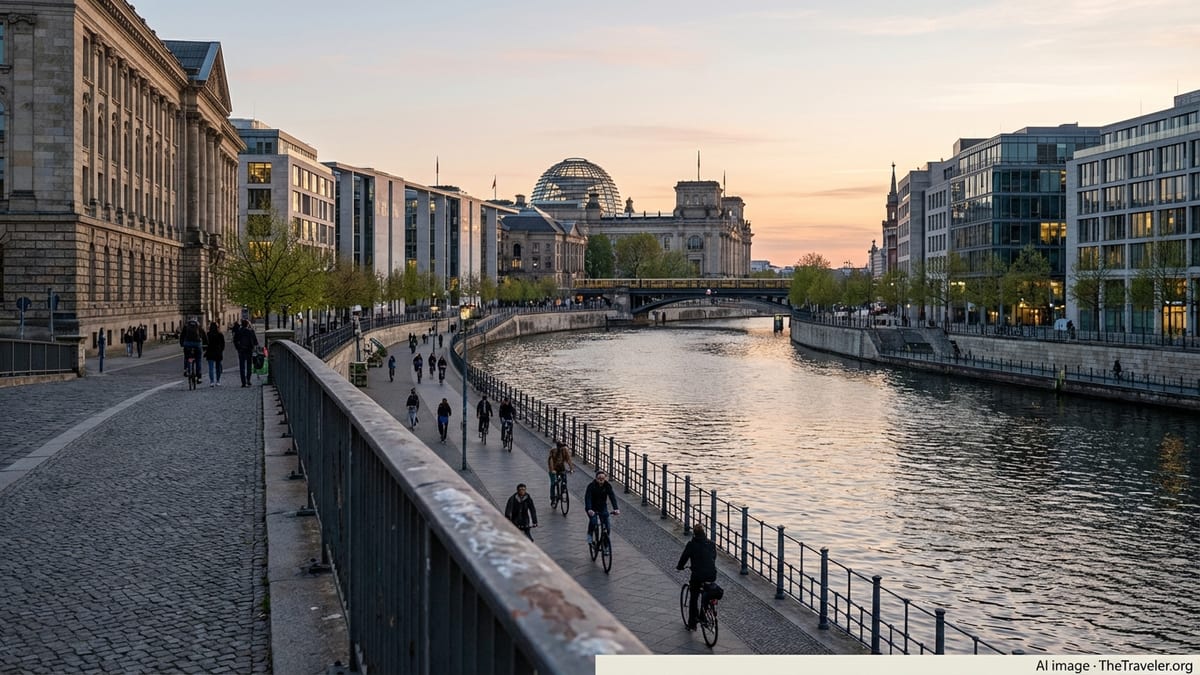
Arriving in Germany, the first thing that stood out to me was not a single landmark but a feeling: calm order. Trains were clearly signposted, streets felt predictable and safe, and even in big cities there was a quiet, methodical rhythm underneath the bustle. It did not deliver the instant sensory overload of southern Europe; instead, Germany unfolded gradually, with small details like spotless suburban train platforms, well-maintained bike lanes and tidy village streets making a strong first impression.
For some travelers this understated character can initially feel a little plain. If you expect every corner to be theatrical or romantic, Germany might seem reserved on day one. Yet, as I moved from Berlin to Munich to smaller places like Bamberg and Garmisch-Partenkirchen, I found the country’s appeal lies in how livable everything feels. Cafes are designed for lingering, public parks are generous and inviting, and the infrastructure quietly supports your journey rather than getting in the way.
Another early impression was how comfortable Germany is for first-time visitors to Europe. English is widely spoken in cities and tourist areas, card payments are now accepted much more frequently than a few years ago, and up-to-date transport information is easy to access. That said, there are still cultural quirks: grocery stores close earlier than many North American travelers expect, and Sundays can feel almost completely shut down in smaller towns. Adjusting to that rhythm is part of the experience.
Icons and Hidden Corners: What There Is To See
Germany’s tourism numbers have fully recovered from the pandemic years and overnight stays recently climbed back above pre-2020 levels, which matches what I experienced on the ground: the big-name sights are busy again. In Berlin, Museum Island, the Brandenburg Gate and the Memorial to the Murdered Jews of Europe are rarely quiet, and spots like the East Side Gallery can feel crowded in peak season. In Bavaria, Neuschwanstein Castle is firmly back to being one of Europe’s classic bottlenecks, with timed tickets and a steady flow of tour buses.
Beyond the headline attractions, what impressed me most was the variety compressed into a relatively small country. In a single trip you can walk through medieval lanes in Rothenburg ob der Tauber, admire modern architecture and trade fair grounds in Frankfurt, and then be in dense forest in the Black Forest or Saxon Switzerland National Park within a few hours by train. Germany’s dense rail network and central position in Europe make it particularly rewarding if you like to combine cities with nature without renting a car.
There are also newer or evolving cultural sites that show Germany is not just about the past. Berlin, for example, continues to refresh its museum landscape with immersive, contemporary-style institutions dedicated to German history, design and everyday life. Across the country, industrial heritage sites such as former coal mines and steelworks have been turned into cultural parks and climbing areas, offering a very different atmosphere from palaces and cathedrals.
My honest view is that you get the best of Germany by mixing famous stops with at least a few out-of-the-way places. Spend a day in Cologne for its cathedral and riverfront, but then give yourself time to explore smaller Rhine towns or lesser-known wine regions, where the pace is gentler and the tourism feels more personal.
Urban Experiences: Berlin, Munich, Hamburg and Beyond
Germany’s big cities each have distinct personalities, and your feelings about the country may depend heavily on which one you use as your base. Berlin is raw, layered and often contradictory. You are constantly reminded of history, from remaining stretches of the Wall to sobering museums about dictatorship and division. At the same time, there is a creative energy in its galleries, repurposed industrial spaces and nightlife that still feels unique in Europe. Berlin can be scruffy and occasionally chaotic, but for me that is part of its authenticity.
Munich offers almost the opposite mood. It is wealthier, tidier and more traditional on the surface, with grand boulevards, beer halls and proximity to the Alps. In summer, locals float down the Isar River and gather in beer gardens under chestnut trees; in winter, Christmas markets bring a postcard charm to the city center. It can feel more expensive and curated than other German cities, but if you enjoy a mix of culture, food and easy day trips to lakes and mountains, it is an excellent base.
Hamburg was one of the most pleasant surprises of my travels. Its maritime character, canals and repurposed warehouse districts give it a distinctive feel, somewhere between a working port and a creative hub. The concert hall on the harbor and the historic Speicherstadt district create a skyline that is striking but not over-polished. For travelers interested in music, design and nightlife without the intensity of Berlin, Hamburg is a strong contender.
Elsewhere, cities such as Leipzig, Dresden and Stuttgart each offer their own mix of culture, industry and green space. What they share is a high standard of public services: efficient local transport, extensive parks and reliable facilities. The downside is that some travelers find German cities less immediately “romantic” than those in southern Europe. For me, their strength lies in how livable and human-scaled they are, rather than in over-the-top spectacle.
Nature, Small Towns and Seasonal Magic
While many visitors focus on Germany’s cities, my most memorable experiences came in its landscapes and smaller communities. The Bavarian Alps, especially regions around Berchtesgaden and the Zugspitze, offer alpine lakes, hiking routes and villages with painted facades. On clear days, the views rival those in neighboring Austria and Switzerland, often at slightly lower prices and with fewer international tour groups, especially outside peak holiday weeks.
Further north, Germany’s low mountain ranges and forests create entirely different moods. The Black Forest is dotted with spa towns, traditional guesthouses and hiking trails under dense canopies, while Saxon Switzerland near the Czech border offers dramatic sandstone rock formations, river gorges and viewpoints that are particularly stunning at sunrise or sunset. These areas are popular with local and regional travelers, but with careful timing you can still find quiet trails and viewpoints that feel far removed from city life.
Seasonality matters a lot in Germany. Winter brings Christmas markets that are genuinely atmospheric, with regional specialties, crafts and a strong sense of tradition. However, it also brings short days, early darkness and potentially gray, damp weather, especially in the north. Spring and early autumn are, in my experience, the sweet spots: milder temperatures, longer days and fewer crowds than high summer. Summer is ideal for lake swimming, beer gardens and open-air festivals, but popular regions and city centers can feel noticeably busier, reflecting the record tourism levels the country has recently reached.
If you enjoy slow travel, Germany’s network of guesthouses, farm stays and family-run hotels in rural areas can be especially rewarding. They offer a window into everyday life that you simply do not get from ticking off major sights. Just be prepared for more limited English outside cities and for very quiet Sundays.
Getting Around: Trains, Passes and Practical Realities
Germany is one of Europe’s most rail-friendly destinations, and that shapes the entire travel experience. The long-distance network connects major cities at high frequencies, while regional trains reach deep into rural areas and small towns. For international visitors using multi-country rail passes, Germany remains one of the most visited countries in Europe, and recent data from major pass providers shows it consistently near the top of traveler itineraries. On my own trips, this translated into an easy ability to improvise, adding or changing stops with relatively little stress.
However, it is important to update outdated assumptions. People often imagine German trains as perfectly punctual, but in recent years delays and occasional cancellations have become more common, especially on some long-distance routes. During my journeys I experienced a mix: many trains were on time, but a few involved tight connections and last-minute platform changes. Most of the time the system still worked, but I would not plan itineraries with extremely short transfer windows or same-day long journeys to critical flights.
On the positive side, regional ticket offers and period-specific passes can make travel surprisingly affordable, particularly if you are flexible with times and accept slower trains. Within cities, local public transport is generally excellent, with integrated tickets covering buses, trams and metro systems. Cycling is also a realistic option in many urban areas thanks to dedicated lanes and bike-friendly rules. Driving is useful for reaching very remote corners, but between fuel costs, parking rules and speed restrictions, it is not essential for most classic routes.
Practical issues to keep in mind include occasional engineering works, especially on weekends or overnight, and crowded trains during major events or holidays. In my view, Germany’s transport remains one of the country’s biggest advantages for visitors, as long as you build in modest buffers and stay flexible.
Culture, Food and Daily Life: What It Really Feels Like
Culturally, Germany is more diverse and informal than many first-time visitors expect. The stereotype of rigid formality does not entirely hold in cosmopolitan neighborhoods of Berlin, Cologne or Frankfurt, where you will find a mix of international restaurants, contemporary art spaces and relaxed social scenes. At the same time, there is still a strong sense of structure in everyday life: appointments are taken seriously, quiet hours in residential buildings are respected and recycling rules are detailed.
From a visitor’s perspective, this structure can be both reassuring and occasionally frustrating. On the reassuring side, I consistently felt safe in German cities, including when using public transport late in the evening or walking through central areas. Street harassment was minimal compared to some other major destinations, and there is a visible presence of staff in stations and on trains. On the frustrating side, some shops and restaurants keep shorter opening hours than many tourists are used to, and there is less last-minute, late-night convenience outside big city centers.
Food in Germany is undergoing a quiet evolution. Traditional dishes like sausages, schnitzel, roast pork and hearty stews are still widely available, especially in southern regions, but larger cities now offer an impressive range of international cuisines and a growing number of vegetarian and vegan options. Bakery culture remains a highlight: fresh bread, pastries and pretzels are available almost everywhere, and grabbing breakfast at a neighborhood bakery became one of my favorite daily rituals.
One aspect I value highly is how family-friendly and accessible many attractions are. Museums, zoos, parks and historic sites typically provide clear information, child-friendly exhibits and decent facilities. There is an emphasis on education and context, especially in museums dealing with 20th-century history, which can make visits emotionally heavy but deeply meaningful. For travelers interested in understanding not just Germany’s beauty but also its complexities, this openness about the past is a powerful reason to visit.
Costs, Crowds and Common Frustrations
From a budget perspective, Germany sits in the middle range for Western Europe. It is generally more affordable than Switzerland or parts of Scandinavia, but it is not a bargain destination. Accommodation in major cities has become more expensive as tourism has rebounded and housing demand has grown. I found that booking well in advance, especially for popular dates like Christmas market season or major trade fairs, was essential to avoid very high prices or limited options.
Dining costs varied widely. You can still find reasonably priced set lunches, street food and casual beer gardens, particularly away from the most touristy streets. However, sit-down dinners in central areas of Berlin, Munich or Hamburg can add up quickly once drinks and service are included. Groceries, on the other hand, remain relatively good value, and self-catering or picnic-style meals are very realistic ways to keep costs under control.
Crowds are another real consideration. With overnight stays recently surpassing pre-pandemic levels, the most famous attractions and central neighborhoods can feel saturated at peak times. In my experience, this was most noticeable in old towns that receive a high volume of day-trippers from river cruises or bus tours. Simple strategies like starting early, visiting in shoulder seasons and venturing just a few streets beyond the main squares made a significant difference.
As for frustrations, service culture can feel more reserved than in countries that rely heavily on tips and aggressive hospitality. Staff are generally professional but not overly warm, and you might interpret this as unfriendliness if you expect constant small talk. Once I adjusted my expectations and recognized that efficiency and respect for personal space are valued, interactions felt smoother. The key is to approach Germany on its own terms rather than expecting it to mirror other destinations.
Who Will Love Germany, and Who Might Not
After several trips, I have come to believe that Germany is especially rewarding for travelers who appreciate depth over instant drama. If your ideal trip is packed with iconic selfies and dramatic, cinematic vistas at every turn, you may initially be more dazzled by other parts of Europe. Germany’s charm tends to emerge over conversations in quiet cafes, long walks along rivers, well-curated museum exhibits and evenings in neighborhood beer gardens rather than in single, overwhelming “wow” moments.
History enthusiasts, design lovers, hikers and rail fans are particularly well served here. The density of museums and memorials, the quality of classical music venues and the variety of trails and cycle routes give you endless ways to tailor your trip. Families will appreciate the safety, playgrounds, zoos and child-friendly museums. Solo travelers benefit from the reliable infrastructure and the fact that navigating cities and transport alone feels manageable and secure.
On the other hand, travelers seeking very low prices, ultra-relaxed rules or constant nightlife might find Germany a little constrained. While there are clubs and bars in abundance in cities like Berlin, the broader culture values order, punctuality and quiet. Street life can be less exuberant than in Mediterranean countries, and laws around noise, drinking and public behavior are enforced more consistently.
Ultimately, whether Germany is “worth it” depends on what you look for in a destination. In my honest experience, it is less about spectacle and more about substance: high-quality infrastructure, thoughtful engagement with history, and a steady stream of small pleasures rather than a few headline-grabbing moments.
The Takeaway
So, is Germany worth visiting today? Based on my experience and the recent resurgence in tourism, the answer is yes, with thoughtful expectations. Germany offers a blend of historic cities, evolving cultural scenes and accessible nature, all supported by one of Europe’s most extensive transport networks. It may not shout for your attention, but it delivers a consistently high-quality travel experience if you are willing to meet it halfway.
The country’s strengths are subtle but substantial: safety, cleanliness, reliable infrastructure and a deep, sometimes challenging engagement with its own past. You are unlikely to leave with just a handful of postcard images; instead, you carry home impressions of how a modern European society functions, from recycling systems and bike lanes to memorials and music halls.
Germany will not suit everyone. If you are chasing the cheapest possible destination or constant sunshine and beach life, there are better fits elsewhere. But if you value efficient travel days, a mix of old and new, and the feeling of temporarily slipping into a well-organized, thoughtful society, Germany is more than worth a place on your itinerary.
In the end, my honest verdict is that Germany is not the loudest or flashiest country in Europe, yet it is one of the easiest to actually live in for a while as a visitor. That livability, combined with its cultural depth and increasingly diverse experiences, makes it a destination I would readily return to and one I confidently recommend to travelers who appreciate substance over spectacle.
FAQ
Q1. Is Germany safe for solo travelers?
Germany is generally very safe for solo travelers, including women, with low violent crime in tourist areas and reliable public transport even late in the evening.
Q2. When is the best time of year to visit Germany?
Spring (April to June) and early autumn (September to early October) usually offer mild weather, fewer crowds than high summer and good daylight hours.
Q3. Is Germany expensive compared with other European countries?
Germany is mid-range in cost: usually cheaper than Switzerland or Scandinavia, similar to France, and more expensive than many Eastern or Southern European countries.
Q4. Do I need to speak German to visit?
No, you can get by in most cities and tourist areas with English, though learning a few basic German phrases is appreciated and helpful in smaller towns.
Q5. How reliable are German trains right now?
Trains still cover the country well, but in recent years delays and occasional cancellations have become more common, so allow some buffer time for connections.
Q6. Is Germany a good destination for families with children?
Yes, Germany is very family-friendly, with many playgrounds, zoos, interactive museums and well-maintained public parks, plus child discounts on transport.
Q7. Can I visit Germany on a tight budget?
It is possible with careful planning, using regional train offers, budget accommodation, supermarket meals and visiting free attractions like parks and some churches.
Q8. Are German Christmas markets worth a special trip?
Many travelers find them worth a dedicated visit, as markets combine festive atmosphere, regional food, crafts and historic backdrops, though they can be crowded.
Q9. Is tipping expected in Germany?
Tipping is customary but modest; rounding up the bill or adding around 5 to 10 percent in restaurants and for taxis is typical when service is satisfactory.
Q10. How many days should I spend in Germany on a first trip?
For a first visit, around 7 to 10 days allows you to see at least two major cities and one smaller town or nature area without rushing too much.