

Haiti has long captivated travelers with its raw beauty, artistic vibrancy and powerful history as the world’s first Black republic. Yet in early 2026, the question of whether Haiti is safe to visit is no longer academic. An unprecedented collapse in security, a humanitarian emergency and the near breakdown of basic services have transformed the risk calculation for even the most adventurous visitors. Understanding the current reality is essential before considering any trip.
The Current Security Situation in Haiti
Haiti’s security situation has deteriorated dramatically since the assassination of President Jovenel Moïse in July 2021. Armed gangs have expanded their territorial control from pockets of Port au Prince to most of the capital and key transport corridors. Human rights monitors and humanitarian agencies report that criminal groups now dominate the majority of neighborhoods in and around the city, often displacing local authorities and rendering the police largely absent or overwhelmed.
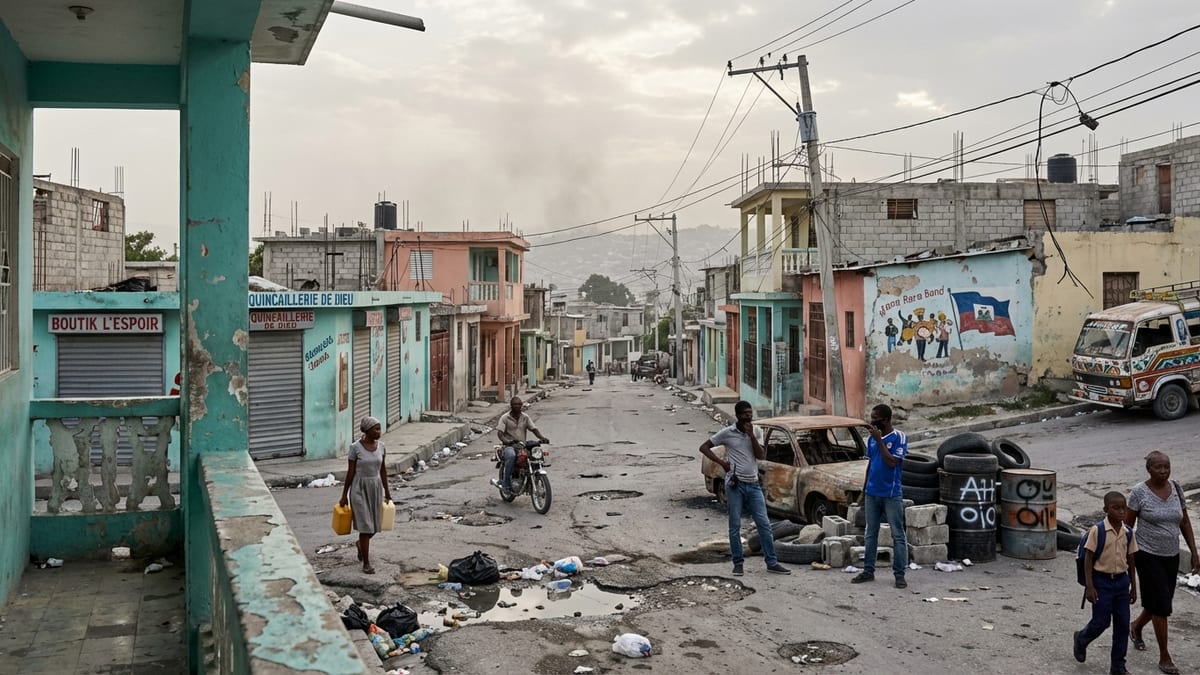
Daily life for Haitians in affected areas is dominated by roadblocks, extortion checkpoints, sporadic gunfire and the constant threat of kidnappings. Residents face curfews imposed not by the state but by criminal coalitions, and attempts to move between neighborhoods can involve negotiating with multiple armed groups. In many areas, gangs use heavy weapons and vehicles, and engage in battles that last for hours or days, trapping civilians in their homes.
The crisis is not confined to the capital. Over the past two years, violence has spread into regions that were traditionally more stable, including parts of Artibonite and the Centre department. Attacks on rural communities, massacres in villages and forced displacement have intensified, undermining local agriculture and small-town commerce. The United Nations and humanitarian organizations now characterize Haiti’s security situation as among the most severe in the Western Hemisphere.
Official Travel Advisories and What They Mean
As of January 2026, Haiti is under a Level 4 “Do Not Travel” advisory from the United States Department of State. The advisory explicitly urges travelers not to visit Haiti under any circumstances, citing widespread kidnapping, violent crime, terrorist activity, civil unrest and severely limited health care. Nonessential U.S. government personnel were ordered to leave the country, a step Washington reserves for the most volatile environments.
Other governments and international bodies echo this assessment. Many Western countries advise their citizens to leave Haiti if they can do so safely, and to avoid all travel there. These advisories are not routine cautionary notes. A Level 4 designation signals that the government believes it cannot reliably assist citizens who encounter trouble, either because of security conditions on the ground or because its diplomatic presence is extremely limited.
Travel insurance often follows these warnings. Many policies explicitly exclude coverage for travel to countries or regions under a “Do Not Travel” or equivalent advisory. This can leave visitors exposed to substantial medical, evacuation or repatriation costs if they are injured or caught in unrest. Even specialized adventure or crisis coverage may be restricted or priced at a level that reflects significant personal risk.
Violent Crime, Kidnapping and Civil Unrest
Violent crime is the defining feature of Haiti’s current emergency. Gangs routinely engage in armed robbery, carjackings and home invasions, frequently in broad daylight and along major roads. Firearms are plentiful, and many groups wield military style rifles and automatic weapons. Shootouts between rival coalitions or between gangs and police can erupt with little warning in residential districts, around markets or near key intersections.
Kidnapping for ransom has become one of the most lucrative criminal enterprises. Both wealthy and modest income Haitians have been abducted off the street, from vehicles or from their homes. Foreigners, when present, are high value targets because they are perceived as more likely to generate large payouts. Victims have included aid workers, clergy, businesspeople and family members of diaspora Haitians visiting from abroad. In some cases, abductees have been injured or killed even after ransom payments.
Civil unrest compounds these dangers. Protests, barricades and spontaneous demonstrations erupt in response to fuel shortages, political developments or gang offensives. These events can shut down traffic in a matter of minutes and sometimes turn violent when gangs, police or vigilante groups intervene. Once blockades go up, it can be extremely difficult to move within the city or to reach the airport or seaports safely.
Collapse of Infrastructure, Health Care and Basic Services
Even if a traveler were to avoid direct confrontation with gangs, the collapse of infrastructure and basic services poses grave risks. Health care has been particularly hard hit. Many clinics and hospitals in Port au Prince and other urban areas have closed, reduced services or operated intermittently due to insecurity, lack of staff, looting or damage to facilities. International medical organizations have repeatedly suspended operations in specific neighborhoods because fighting made access impossible or too dangerous.
The result is a patchwork of overstretched facilities with limited capacity to handle emergencies that fall outside very narrow lines of humanitarian triage. Routine medical care is difficult to obtain, and specialized treatment such as surgery, advanced imaging or intensive care can be effectively out of reach. For travelers, this means that a car accident, serious illness or even a complication from food poisoning or dehydration can quickly become life threatening when adequate care is hours or days away.
Electricity, fuel and water supplies are also unreliable. Gangs have repeatedly targeted fuel depots, highways and storage facilities, creating chronic shortages that cripple transportation, backup power systems and water pumping. Rolling blackouts and total outages are common. In poorer districts and displacement camps, access to clean water and sanitation is severely constrained, raising the risk of cholera, diarrheal disease and other infections.
Food security has deteriorated dramatically. With major roads under gang control or threat, it has become difficult and expensive to move goods from ports and agricultural areas to markets. Farmers report being extorted or forced to hand over portions of their harvests, while traders pay illegal “tolls” to armed groups. International agencies warn that millions of Haitians are facing crisis or emergency levels of hunger, with malnutrition rising among children. For visitors, this environment translates into supply disruptions, inflated prices and limited availability of safe, reliable food and water.
Air Travel, Borders and Practical Barriers to Entry
Even travelers willing to accept personal risk face practical obstacles just getting to and from Haiti. The country’s main international gateway, Toussaint Louverture International Airport in Port au Prince, has repeatedly closed or curtailed operations as gangs attack its perimeter roads, fire at aircraft and fight for control of nearby neighborhoods. While domestic services and limited international flights have periodically resumed, new incidents have forced airlines to suspend or cancel routes with little warning.
Major U.S. carriers have halted commercial passenger service to Port au Prince after multiple episodes in which aircraft were struck by gunfire or pilots deemed approaches unsafe. Regional airlines that continued flying have also scaled back operations due to direct attacks and heightened security concerns. As of late 2025 and early 2026, only sporadic services operate, often subject to abrupt suspension. This instability means travelers cannot rely on being able to leave when planned, or even to reach Haiti on a given day.
Sea access is not a simple alternative. Cruise lines that once included northern Haiti on their itineraries have paused or canceled port calls, citing the national security environment and government advisories. While some private boats and freight vessels still operate, they are not a substitute for scheduled, insured and regulated passenger transport. In the event of a rapid deterioration in security, maritime evacuation options would likely be extremely limited.
Overland travel across the Haitian Dominican border is also problematic. The frontier has experienced repeated closures and tensions between the two countries, with travelers warned against attempting overland crossings in light of potential violence, smuggling activity and unpredictable border enforcement. From an emergency planning standpoint, it is unsafe to assume that Haiti’s land border offers a reliable backup exit route.
Humanitarian Conditions and Ethical Considerations
Haiti is currently in the grip of a severe humanitarian emergency. Displacement has soared as gangs burn homes, fight for territory and forcibly evict residents. More than a million people have been uprooted, many sheltering in overcrowded schools, churches or improvised camps that lack adequate sanitation, food and medical care. Human rights organizations have documented widespread sexual violence, forced recruitment of children and targeted killings.
These realities raise ethical questions for would be visitors. Tourism in any crisis setting can be complicated, and there are contexts where carefully managed travel can help sustain local economies. Haiti’s situation, however, is distinguished by a profound imbalance between the security risk borne by locals and the limited capacity of the state or international community to protect even its most vulnerable citizens. Visitors require security arrangements and logistical support that are far beyond what ordinary Haitians can access, often relying on resources that might otherwise be deployed for humanitarian work.
Moreover, many communities that once relied on visitors are now severely traumatized and focused on basic survival. Businesses have closed, artisans and guides have been displaced, and iconic cultural sites lie in areas that are effectively off limits because of gang control or ongoing clashes. Attempting to access these locations can put local intermediaries, drivers and fixers at risk of reprisal if gangs suspect them of facilitating foreign presence or sharing information.
Are There Any Circumstances in Which Travel Might Be Justified?
In practice, almost all nonessential travel to Haiti is currently halted. Those who do travel tend to fall into a narrow set of categories: humanitarian workers, journalists, diplomatic personnel and individuals with urgent family obligations. Even for these groups, extensive security planning is required, often involving professional risk assessors, secure transportation, communications backup and detailed evacuation protocols.
International organizations typically operate with strict movement restrictions, curfews and real time threat monitoring. Staff are briefed on kidnapping prevention, emergency medical measures and what to do during shootings or roadblocks. Travel outside certain corridors or beyond daylight hours can be prohibited without clearance. This level of precaution underscores how volatile conditions have become.
Private travelers rarely have access to that kind of support. Some members of the Haitian diaspora still attempt short visits to see relatives, typically entering through comparatively calmer northern cities when possible and minimizing time in Port au Prince. Even these trips carry heavy emotional and physical risks, and community networks often advise postponement when violence spikes. It is telling that many Haitians who have the option are leaving the country or relocating internally rather than traveling into higher risk areas.
Practical Advice If You Must Travel
For most readers, the responsible advice in early 2026 is straightforward: do not travel to Haiti for tourism or discretionary purposes. The combination of security threats, infrastructure collapse and unpredictable access routes places it outside the realm of what can reasonably be mitigated by individual caution. No amount of avoiding “bad neighborhoods” or staying inside after dark can compensate for systemic instability and heavily armed criminal control of key territory.
If you are among the small minority who must travel for essential reasons, preparation is critical. Engage with your employer, sponsoring organization or faith group to ensure that robust security protocols are in place. Confirm that there is a current, professional risk assessment of the specific areas you will visit, that safe transport is arranged, and that there are clear contingency plans if fighting erupts or roads are cut. Understand how medical emergencies will be handled, including which facilities remain operational and how medical evacuation would work given limited air access.
Register with your embassy or consulate before departure, monitor official alerts continuously and maintain regular communication with trusted contacts outside Haiti. Pack essential medications and supplies, recognizing that pharmacies may be poorly stocked. Above all, be prepared to cancel or abort your trip at short notice if security conditions deteriorate or airlines suspend service.
The Takeaway
Haiti is a country of extraordinary cultural richness, resilience and beauty, and it has long deserved a tourism narrative more nuanced than the clichés that have often defined it. Yet travel decisions must be anchored in present realities, not just potential. As of January 2026, Haiti is facing a convergence of violent crime, state fragility, hunger and institutional collapse that places it among the most dangerous destinations in the Americas for outsiders and citizens alike.
For travelers, that means accepting a hard truth. No landscape, no festival and no sense of being among the “first back” can justify exposing oneself, local hosts and already burdened communities to additional risk in such an environment. The responsible choice for would be visitors is to postpone leisure travel, support reputable humanitarian and Haitian led organizations from afar and follow developments closely in the hope that conditions will one day allow a safer return.
Until there is a fundamental improvement in security, the reestablishment of reliable basic services and the restoration of dependable air and ground access, Haiti cannot reasonably be considered a safe place to visit. Respect for the country and its people, in this moment, is best expressed through solidarity, advocacy and patience rather than physical presence.
FAQ
Q1. Is Haiti safe to visit right now for tourism?
At present, Haiti is not considered safe for tourism. The country is under a Level 4 “Do Not Travel” advisory from major governments, including the United States, due to widespread gang violence, kidnapping, civil unrest and a breakdown in basic services. Travelers are strongly urged to postpone nonessential trips.
Q2. Are there any parts of Haiti that are safer than others?
Some areas outside Port au Prince may experience fewer incidents, but the situation is fluid and can change quickly. Violence has spread beyond the capital, and routes linking different regions are often controlled by armed groups. There is no part of the country that can be reliably described as safe in the way most travelers would expect.
Q3. Can I still fly into Haiti from the United States or other countries?
Commercial air service to Haiti has been heavily disrupted. Major U.S. airlines have suspended flights to Port au Prince after incidents involving gunfire near the airport, and regional carriers operate only sporadically. Flight schedules can change with little notice based on security events, so you cannot count on consistent access or a guaranteed way out.
Q4. What are the main risks for travelers in Haiti right now?
The primary risks include kidnapping for ransom, armed robbery, carjackings, stray gunfire during clashes between gangs and police, and exposure to civil unrest and roadblocks. On top of these, the collapse of health services, shortages of fuel and clean water, and the difficulty of securing medical care in an emergency all pose indirect but serious dangers.
Q5. If I have family in Haiti, should I still visit?
Decisions about visiting family are deeply personal, but they must be weighed against the very real and significant risks. Many Haitians in the diaspora have chosen to delay trips because of kidnapping and violence, even when they feel strong obligations to return. If travel is unavoidable, it should be planned with extreme caution, local guidance and a clear understanding that conditions can deteriorate rapidly.
Q6. Are cruises still stopping in Haiti?
Several major cruise lines have paused or canceled stops at Haitian ports, including private resort areas, in response to the national security situation and government travel advisories. Itineraries that once featured Haiti now substitute other Caribbean destinations, and future calls will depend on a sustained improvement in conditions.
Q7. Will travel insurance cover a trip to Haiti?
Many travel insurance policies limit or exclude coverage for destinations under “Do Not Travel” or equivalent advisories. Even if you can purchase a policy, it may not cover security incidents, evacuations or cancellations linked to the current crisis. It is essential to read the fine print and contact the insurer directly before making any plans.
Q8. What health risks should I consider besides violence?
Health risks include limited access to functioning clinics and hospitals, shortages of medicines, potential outbreaks of waterborne diseases such as cholera, and general challenges securing safe food and drinking water. In the event of an accident or sudden illness, you may not be able to obtain timely, adequate treatment, especially for serious conditions requiring surgery or intensive care.
Q9. How can I support Haiti if I decide not to travel?
You can assist by donating to reputable humanitarian and Haitian led organizations working on food security, health care, education and violence prevention. Advocacy also matters: staying informed, amplifying credible reporting on the crisis and supporting policies that strengthen Haitian institutions and communities can all contribute more meaningfully than a risky visit.
Q10. When might Haiti become safe to visit again?
There is no clear timeline. Safety will depend on significant progress in restoring security, reducing gang control, reestablishing reliable basic services, and stabilizing the political and economic environment. Travelers considering future trips should monitor official advisories and news from independent, reputable sources, and be prepared to wait until conditions have clearly and sustainably improved.