

More news on this day
Hyatt’s rapid rollout of artificial intelligence tools, from a rebuilt search engine to a new presence inside ChatGPT, is sharpening industry debate over whether major hotel groups can use AI to pull travelers away from online travel agencies and back into their own booking channels.
Get the latest news straight to your inbox!
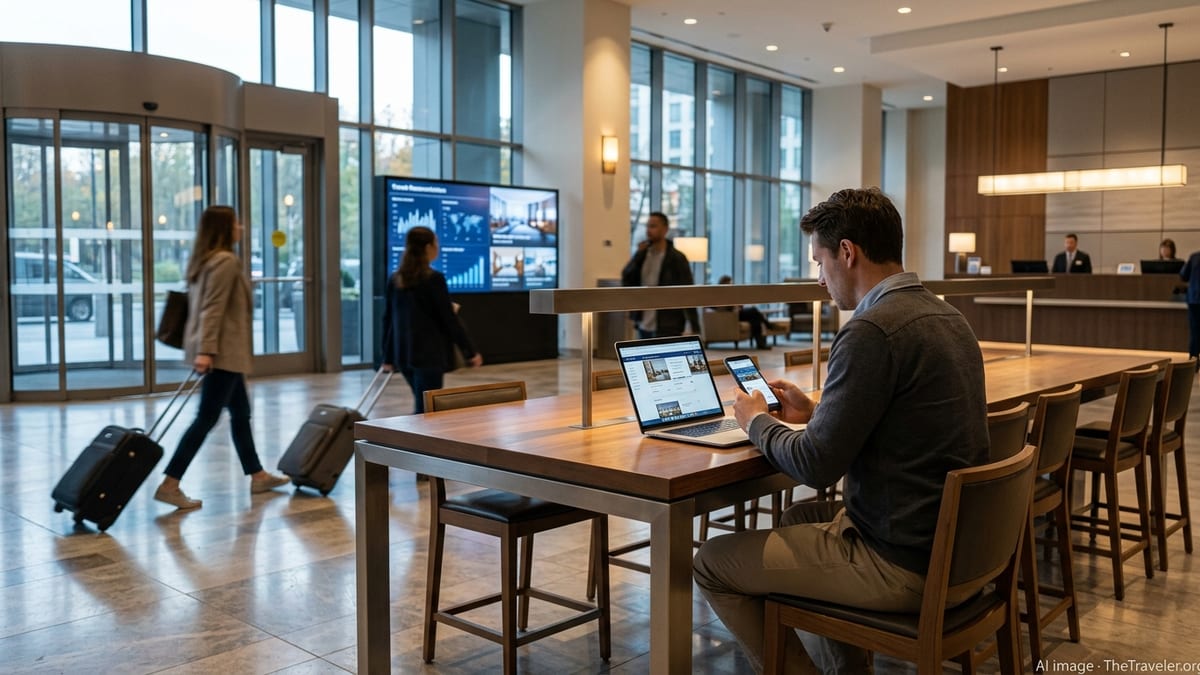
Hyatt Bets on AI to Rethink Hotel Discovery
Hyatt Hotels Corporation has spent the past several years investing heavily in artificial intelligence and data infrastructure, and those efforts are now becoming visible to travelers. Recent earnings coverage describes how the group rebuilt search on Hyatt.com to better match how guests actually plan trips, emphasizing natural language queries, richer filters, and more contextually relevant results. The company is positioning AI not as a marketing add-on, but as a foundation for how its digital storefront works.
According to published reports on its 2025 results, Hyatt credits AI-driven search and personalization with improving conversion and engagement on its direct channels. Executives have highlighted that guests who use the enhanced search tools are more likely to complete bookings and explore multiple properties within the brand’s portfolio. The shift suggests that Hyatt sees AI as a way to replicate some of the comparison-shopping ease that travelers associate with online travel agencies, while keeping the transaction inside Hyatt’s ecosystem.
This effort also aligns with a wider push across the hotel sector to compete more effectively in the “discovery” phase of travel planning. Research and industry analysis increasingly argue that AI search and conversational assistants could redistribute power in hotel distribution, allowing brands with strong content and structured data to surface more prominently when travelers ask broad questions about where to stay.
From Hyatt.com to ChatGPT: New Front Door for Direct Bookings
The launch of a Hyatt-branded app within ChatGPT in early 2026 marked another significant step in the company’s AI strategy. Coverage of the rollout indicates that travelers can now ask open-ended questions about destinations, receive tailored Hyatt property suggestions, and refine their options through follow-up questions without leaving the conversational interface. The experience is designed to feel more like chatting with a knowledgeable assistant than clicking through conventional hotel search filters.
Industry observers note that OpenAI’s work on integrated checkout flows could eventually make it possible for travelers to move from inspiration to booking within the same AI environment. In that scenario, Hyatt’s presence inside ChatGPT would function as a powerful direct channel, sitting alongside or even ahead of traditional online travel agencies in the path to purchase.
The move also reflects a broader distribution trend identified by multiple hospitality consultancies, which forecast that a growing share of travel search traffic will originate from AI engines such as ChatGPT, Google’s AI Overviews, and similar tools. For hotel groups, the strategic question is no longer only how they appear on classic search result pages, but how well their content, rates, and inventory connect into conversational systems where recommendations are generated on the fly.
Loyalty, Data and the Economics of Beating OTAs
Behind Hyatt’s AI push is a familiar economic motivation: reducing dependence on high-commission intermediaries. Industry analyses of hotel distribution costs often put OTA commission levels in the mid-teens to mid-twenties as a percentage of room revenue, a significant margin impact for large portfolios. By improving discovery and conversion on its own channels, Hyatt is aiming to reclaim bookings that might otherwise flow through Expedia, Booking Holdings, or regional online travel agencies.
Reports on wider loyalty trends show that major hotel groups, including Hyatt, are doubling down on member-only rates, targeted offers, and personalized perks as a way to nudge travelers toward direct booking. AI makes it easier to operationalize that strategy at scale. With more granular data and predictive models, a hotel group can decide when to surface bonus points, late checkout, room upgrade offers, or bundled experiences to retain a potential direct customer who might otherwise defect to an OTA.
Consultants focused on hospitality technology argue that AI is changing the nature of distribution strategy rather than simply optimizing existing campaigns. They point out that if a hotel can shift even a few percentage points of bookings from OTAs to direct channels, the commission savings can be reinvested into better guest experiences, richer loyalty benefits, or further technology upgrades. Hyatt’s current initiatives are often cited as an example of this reinvestment loop beginning to play out in practice.
GMH Hotels and the Management-Company View
For management companies such as GMH Hotels, which oversees portfolios across multiple brands, the rise of AI-driven direct booking tools presents both opportunity and complexity. These firms typically operate properties under flags like Hyatt, Marriott, or Hilton, while relying on a mix of brand.com channels, OTAs, and corporate travel partners to fill rooms. Any shift in how demand flows between those channels has direct implications for revenue strategy at the property level.
Publicly available information on management groups indicates that they closely track the performance of brand-provided technologies, weighing whether new tools genuinely increase net revenue or simply reshuffle bookings across channels. If Hyatt’s AI search and ChatGPT integration meaningfully grow direct demand, GMH-operated Hyatt properties could see lower distribution costs and richer guest data that can be reused for upselling, ancillary sales, and repeat-stay marketing.
At the same time, management companies need to navigate a fragmented technology landscape. Properties within a single GMH portfolio might rely on different central reservation systems, customer relationship management tools, and pricing engines depending on their brand affiliation. Aligning those systems with emerging AI channels, and ensuring rate parity and accurate content wherever a property appears, is an operational challenge that sits alongside the strategic goal of reducing OTA reliance.
Will OTAs Lose Ground in an AI-First Future?
The question of whether Hyatt and its peers can use AI to “beat” online travel agencies remains open. Academic research on AI search in travel suggests that conversational engines may reduce hotels’ reliance on paid placements and traditional OTA merchandising, but they may also create new forms of intermediation. If AI agents aggregate rates and availability from brands, OTAs, and global distribution systems alike, they could essentially become a new type of meta-distributor, charging referral fees and prioritizing results based on relevance, reputation, and commercial agreements.
Industry outlooks for 2026 and beyond anticipate several possible scenarios. In one, OTAs adapt quickly, embedding their own AI assistants and leveraging vast inventories and review datasets to stay central in the planning process. In another, hotel brands that have invested early in structured data, loyalty integration, and AI-native search, such as Hyatt, capture a larger share of high-value direct bookings, particularly among frequent travelers who already have strong brand preferences.
Most analysts currently see a more nuanced outcome, where both sides adjust to an AI-first distribution landscape. For Hyatt, the near-term goal is less about eliminating OTAs than about improving its negotiating position and customer lifetime value by owning more of the discovery and booking journey. For GMH Hotels and other management companies, the practical measure of success will be whether these AI tools translate into healthier channel mixes and stronger property-level profitability, even as the definition of “travel agent” itself continues to evolve.