

Idaho’s jagged peaks, high desert canyons, and quiet small towns make it a dream for travelers who love wide open spaces. It also raises a reasonable question: how safe is Idaho to visit, especially if your plans revolve around hiking, skiing, camping, or long scenic drives? The answer is that Idaho is generally a safe destination, but like any outdoor playground, it comes with specific risks that are easier to manage when you know what to expect. From wildlife and wildfires to winter roads and river trips, here is what visitors need to understand and how to prepare.
How Safe Is Idaho Overall?
From a crime perspective, Idaho ranks among the safer states in the United States, particularly compared with many urban coastal destinations. Recent data compiled from FBI and state reports shows that Idaho’s violent crime rate remains relatively low by national standards, and property crime is also on the lower side, especially in many of the rural and mountain communities that attract visitors. While numbers fluctuate year to year, the broad picture is that most travelers are far more likely to encounter a bad pothole or a sudden snow squall than criminal activity.
Travelers tend to cluster in places like Boise, Coeur d’Alene, Idaho Falls, Sun Valley and resort or gateway towns near major outdoor attractions. These areas generally have visible law enforcement, active local communities, and a strong focus on tourism services, which all contribute to a feeling of overall safety. That said, normal precautions still apply: lock your vehicle, avoid leaving valuables in sight at trailheads, and be cautious in nightlife areas just as you would anywhere else.
In Idaho, the most meaningful safety questions for visitors usually have less to do with crime and more to do with nature. Weather, terrain, wildlife, and the remoteness of many recreation areas create conditions where small mistakes can have outsized consequences. A safe trip is much more about preparation for the environment than about worrying over personal security in towns and cities.
For many travelers, that is good news. It means that with basic planning, awareness of seasonal conditions, and respect for local guidelines, Idaho is not only safe but also rewarding. Understanding the types of risks that are realistic, rather than sensational, will help you enjoy the state’s mountains, rivers, and forests with confidence.
Understanding Idaho’s Wild Country
Idaho is one of the most rural and least densely populated states in the country, with vast tracts of national forest, designated wilderness, and working ranchland. This sense of emptiness is part of the allure but it also means that emergency services can be far away. Cell coverage drops quickly once you leave the interstate or head into deeper canyons and high basins, and response times are measured in hours rather than minutes in many regions.
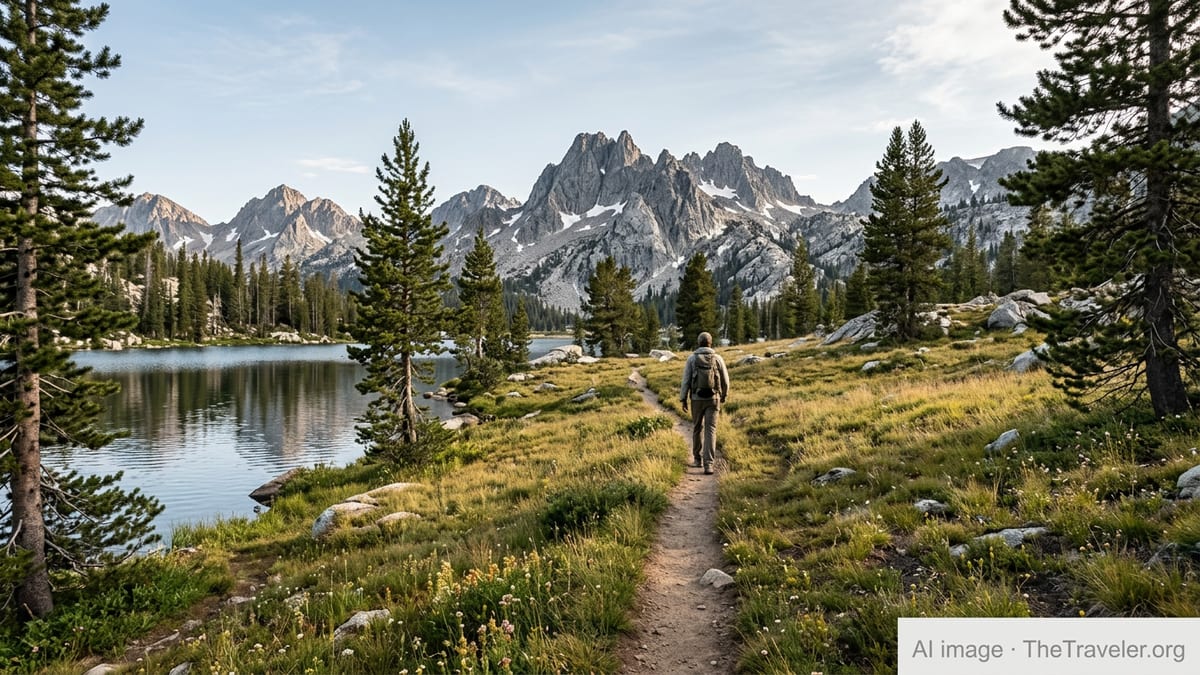
Trail networks around Boise, Coeur d’Alene, McCall, Stanley, Sandpoint, and Sun Valley are generally well traveled, particularly in summer. In these popular zones, help is usually closer at hand and other hikers are often nearby. Venture deeper into the Frank Church River of No Return Wilderness, the Selway-Bitterroot area, or remote stretches of the Sawtooth and Salmon-Challis national forests and you are in true backcountry, where self-sufficiency is essential.
This context shapes safety planning. Even for day hikes, it is wise to carry extra water, layers for changing conditions, a paper map or downloaded offline mapping app, and a basic first aid kit. Let someone know your intended route and timing, especially if you are visiting from out of state and are less familiar with how quickly mountain weather can change in the Northern Rockies.
Travelers who are used to heavily developed national parks with constant signage and services sometimes underestimate how wild many parts of Idaho still are. Trailheads may be simple dirt lots with limited information, and back roads can turn from smooth gravel to rutted tracks much faster than expected. Treat backcountry excursions like real expeditions, even if you intend to be out only for an afternoon.
Wildlife Safety: Bears, Cougars, and Snakes
Idaho is home to black bears, a small but slowly expanding population of grizzly bears in certain regions, mountain lions, moose, elk, deer, and several species of rattlesnakes, among other wildlife. Encounters that result in injuries are rare compared with the number of visitors each year, but they do occur, and most are preventable with basic behavior changes.
Black bears are common in much of central and northern Idaho, especially in forested and mountain areas. Grizzly bears are present in limited zones in the eastern part of the state and near the borders with Montana and Wyoming. Outdoor agencies in the region emphasize classic bear country precautions: hike in groups when possible, make noise on brushy trails, carry bear spray where it is recommended or required, store food and scented items in bear-resistant containers or vehicles, and never approach or feed bears. Most negative encounters happen when a bear is surprised at close range or attracted by poorly stored food.
Mountain lions, or cougars, are widespread but elusive. Trail users near the Boise foothills, central mountains, and forested areas across the state occasionally report sightings. To reduce risk, children should stay close to adults, pets should be leashed in cougar habitat, and hikers should avoid running alone at dawn and dusk in remote areas. In the unlikely event of a close encounter, experts advise making yourself look larger, speaking firmly, maintaining eye contact, and backing away slowly rather than running.
Rattlesnakes are typically encountered in lower elevation, rocky or sagebrush country, especially in southern and western Idaho. They are most active in warm months. Staying on established trails, watching where you place hands and feet, and wearing closed-toe footwear significantly reduce the chance of a bite. Most bites occur when people step directly on a snake, handle one, or attempt to kill it. If you are bitten, seek medical care immediately; do not cut the wound or attempt to suck out venom.
Weather, Seasons, and Road Safety
Idaho’s weather can be polite and sunny in one season, harsh and hazardous in another. Winters bring snow and ice to much of the state, particularly in the mountains and higher valleys. Mountain passes, canyon roads, and open stretches of interstate can experience sudden storms, whiteout conditions, and black ice. The Idaho Transportation Department and state police emphasize slowing down, increasing following distance, and avoiding cruise control on icy roads, along with carrying winter essentials like blankets, water, and a charged phone in your vehicle.
Avalanche risk is a real concern in some mountainous corridors, such as sections of Idaho Route 21 and high backcountry basins near popular ski and snowmobile areas. The transportation department periodically closes roads when avalanche danger is elevated, and state parks and recreation agencies publish guidance for snowmobilers, backcountry skiers, and snowboarders. If your trip involves winter backcountry travel, checking the latest avalanche forecasts and carrying appropriate safety gear, including beacon, shovel, and probe, is crucial.
Summer and early autumn introduce a different set of hazards. Daytime temperatures in canyon country and lower valleys can climb quickly, while higher peaks remain cool and breezy. Dehydration, heat exhaustion, and sunburn are among the most common issues for visitors who underestimate the combination of altitude, dry air, and intense sun. Carrying more water than you think you need, wearing a hat and sunscreen, and planning strenuous hikes for early morning or evening windows are straightforward ways to stay safe.
Shoulder seasons, particularly spring, bring rapidly changing conditions. Trails can be muddy, snow-packed, or washed out, and rivers may run high and fast with snowmelt. Even paved roads in rural areas can suffer from frost heaves, standing water, and gravel patches. Checking the weather and road reports on the day you travel is more reliable than planning solely by long-range forecasts.
Wildfire Smoke and Summer Fire Season
Like much of the interior West, Idaho experiences a recurring summer and early autumn wildfire season. The severity varies year to year, but travelers should assume that fire restrictions, smoke, and occasional closures are possible between roughly July and September, especially in dry years. Many fires are sparked by lightning in remote forests, while others result from human activity along roadsides, campgrounds, or recreation areas.
In most years, major tourist hubs remain open and accessible, but smoke can drift over long distances and temporarily degrade air quality, particularly in valleys. Visitors with asthma, cardiovascular conditions, or other respiratory vulnerabilities should monitor air quality forecasts and be prepared to adjust plans if smoke levels become unhealthy. Sometimes this is as simple as choosing a different region of the state for a few days, such as heading to higher elevations or changing a backcountry backpacking trip to a lake-based stay where indoor options are available.
Fire restrictions during the season may limit campfires, fireworks, or certain types of equipment that can generate sparks. Land management agencies commonly institute stage-based restrictions, and fines for violations can be significant. For travelers, the safest approach is to assume that local rules are in place for a reason, follow posted guidance in campgrounds and trailheads, and practice conservative fire behavior even when restrictions are not in effect.
If you are visiting during a particularly active fire season, pay attention to local news and official social media channels for closure information. Backcountry routes, forest roads, and even popular scenic byways can close on short notice if a fire threatens. Building flexibility into your itinerary and having a backup plan for alternative hikes or destinations will reduce stress and keep you safer.
Water, Rivers, and Recreation Safety
Idaho’s rivers and lakes draw paddlers, anglers, rafters, and casual swimmers from around the world. Iconic rivers such as the Salmon, Snake, Payette, and Clearwater, along with hundreds of alpine lakes, underpin much of the state’s outdoor tourism. They are also powerful, cold, and sometimes deceptively fast. Each spring and early summer, search and rescue teams respond to incidents involving boaters and swimmers who underestimate current, temperature, or changing flows.
Wearing a properly fitted life jacket on moving water is one of the single most effective safety measures you can take. Many rafting outfitters and guided trips maintain excellent safety records because they pair professional guides with mandatory flotation, safety briefings, and appropriate gear. Independent travelers should be equally disciplined, whether tubing an apparently gentle stretch of river or paddling a lake that can be whipped into choppy waves by afternoon winds.
Water temperature is another hidden factor. Snowmelt-fed rivers and lakes can remain very cold even on hot days. Sudden immersion can trigger cold shock, impairing judgment and swimming ability. The safest practice is to treat Idaho’s waterways with the same respect you would give to ocean surf: understand the conditions, recognize that they can change quickly, and avoid mixing alcohol with boating or swimming.
On popular whitewater runs, such as portions of the Payette River near Boise, local authorities and outfitters regularly stress that visitors should know their limits. Rapids are classified by difficulty for a reason, and water levels can change day to day depending on releases from dams or upstream weather. When in doubt, opt for a guided commercial trip or choose easier sections of river more aligned with your experience level.
Trail, Camping, and Backcountry Best Practices
Hiking and camping in Idaho can feel wonderfully uncrowded compared with some better-known national parks, but that solitude comes with responsibility. Search and rescue teams in mountain counties often report that many of their calls involve visitors who underestimated distances, overestimated their navigation skills, or carried inadequate clothing and water for the conditions. A bit of extra preparation significantly lowers the chance of needing help.
Staying on established trails reduces your risk of getting lost, encountering unstable ground, or stumbling into wildlife unexpectedly. It also protects fragile alpine and desert vegetation. Even if trails are not perfectly marked, paying attention at junctions, checking your map or GPS regularly, and turning back before you are exhausted are straightforward ways to stay safe.
At camp, storing food properly is essential, both for your safety and for the health of wildlife. Use bear-resistant storage where provided, or keep all food, trash, and scented items inside a locked vehicle. Cooking and eating away from sleeping areas is a common recommendation in bear country. Keeping a clean campsite, extinguishing campfires thoroughly when they are allowed, and respecting quiet hours also helps reduce conflicts not only with animals but with fellow campers.
Backpackers and those heading into areas far from roads should consider carrying communication tools such as satellite messengers, especially in regions with no cell coverage. Let a trusted person know your route and return date, and build in extra time for changing weather or trail conditions. In winter, backcountry travelers should have training in avalanche safety and route finding, and in all seasons, be aware that Idaho’s high, rocky terrain can turn a minor misstep into a serious injury when help is far away.
The Takeaway
Idaho is broadly a safe state for visitors, particularly those who arrive with realistic expectations about its wild character. Most trips pass without incident, and travelers often report feeling more at ease in Idaho’s small towns and quiet trailheads than in crowded urban destinations. The true risks lie not so much in crime as in rapidly changing weather, powerful rivers, wildfire conditions, winter roads, and the presence of large wildlife in relatively undeveloped landscapes.
Managing those risks comes down to preparation and mindset. Check forecasts and road reports on the day you travel, not just the week before. Respect seasonal hazards such as avalanche danger and fire restrictions. Give wildlife plenty of space, store food securely, and treat rattlesnake and cougar habitat with awareness rather than fear. On the water, wear life jackets and choose routes that match your skills. On the road, especially in winter, slow down and carry basic emergency supplies.
For travelers willing to plan ahead and adapt, Idaho offers an exceptional blend of safety and adventure. The same remoteness that can complicate rescue efforts also creates dark skies, quiet campsites, and uncluttered views of mountains and rivers. With thoughtful preparation, your trip to Idaho can be both secure and unforgettable.
FAQ
Q1. Is Idaho generally safe for tourists compared with other U.S. states?
Idaho is widely regarded as relatively safe for visitors, with lower than average violent crime rates and many small, community-oriented towns. Most safety concerns for tourists relate to outdoor conditions rather than crime.
Q2. Are bears a serious threat when hiking or camping in Idaho?
Bear encounters that result in injury are rare, but black bears are common in many forests and grizzlies exist in limited areas. Following bear-smart practices such as carrying bear spray, making noise on the trail, and storing food properly keeps risk low.
Q3. Do I need bear spray everywhere in Idaho?
Bear spray is strongly recommended in known bear country, particularly in forested mountain regions and near grizzly habitat. In urban parks, heavily developed areas, or low-elevation desert zones, it is less critical, though some travelers choose to carry it out of caution.
Q4. How dangerous are Idaho’s winter roads for visitors?
Winter roads can be challenging due to snow, ice, and limited visibility, especially on mountain passes and rural highways. With appropriate tires, slower speeds, extra following distance, and attention to road advisories, most drivers navigate them safely.
Q5. When is wildfire smoke most likely to affect travel in Idaho?
Wildfire activity and smoke are most common from mid-summer into early autumn, though timing varies by year. Smoke may reduce visibility or air quality, but major tourist centers usually remain accessible, and conditions often improve with changing winds or weather.
Q6. Are rattlesnakes common on Idaho hiking trails?
Rattlesnakes are present in warmer, lower elevation areas, especially in southern and western Idaho. They are less common in high alpine zones. Staying on trails, watching where you step, and wearing closed-toe shoes significantly reduce the chance of a bite.
Q7. Is it safe to swim in Idaho’s rivers and lakes?
Many people safely enjoy swimming, rafting, and paddling each summer, but rivers can be cold and fast-moving, especially during snowmelt. Wearing life jackets on moving water, avoiding alcohol while boating, and respecting local warnings or closures are key to staying safe.
Q8. How remote is medical care if something goes wrong outdoors?
In cities and larger towns, emergency services are comparable to elsewhere in the United States. In remote backcountry, help may be many miles away and response times can be long, which is why trip planning, communication tools, and conservative decision-making are so important.
Q9. Are solo travelers safe in Idaho’s outdoor areas?
Many people hike and explore alone without issues, especially on popular trails. However, going with a partner is generally safer, and solo travelers should be extra diligent about telling someone their plans, checking weather, and carrying navigation and emergency gear.
Q10. What is the single most important safety tip for visiting Idaho?
The most important tip is to respect the environment. Check current conditions, prepare for rapid changes in weather, give wildlife space, and choose activities that match your experience level. Doing so will keep your Idaho trip both memorable and safe.