

Illinois welcomes tens of millions of visitors each year for its big-city culture, historic river towns, and Great Lakes scenery. At the same time, headlines about Chicago crime, powerful Midwest storms, and extreme winter weather can make travelers understandably cautious. The reality is more nuanced: Illinois is generally safe to visit if you choose your neighborhoods carefully, stay informed about the weather, and use the same street smarts you would in any major U.S. destination. This guide looks at current safety trends, Chicago-specific tips, the scams visitors most often encounter, and the state’s main weather risks so you can plan your trip with realistic expectations and practical strategies.
The Big Picture: How Safe Is Illinois Right Now?
Illinois is a large and varied state, and its safety profile reflects that diversity. Quiet rural counties and college towns typically experience relatively low crime rates, while certain urban areas, particularly parts of Chicago and some mid-sized cities, struggle with higher levels of violent and property crime. For most visitors, the greatest risks are not targeted violence but opportunistic theft, car break-ins, and occasionally being in the wrong place at the wrong time in a busy city environment.
Recent crime data from Illinois cities show that Chicago is no longer the only focus of concern. Some smaller cities report higher overall crime rates per resident, while Chicago’s overall reported crime has shown modest declines in the last couple of years. Even so, Chicago’s size means that incidents there get more national coverage. From a traveler’s perspective, your actual risk in Illinois depends heavily on where you go, when you are out, and how aware you are of your surroundings rather than the statewide statistics alone.
Visitors should also remember that Illinois is firmly in the U.S. Midwest, where weather can be as significant a safety issue as crime. Tornado outbreaks, severe thunderstorms, flooding, and dangerous winter storms have all affected the state in recent years. Knowing the seasonal patterns and how local authorities communicate warnings is just as important as understanding which neighborhoods to avoid after dark.
Overall, Illinois is manageable and rewarding to visit for travelers who plan ahead. If you focus on well-trafficked districts, rely on reputable transportation, stay alert to your belongings, and pay attention to weather forecasts, you can enjoy everything from Chicago’s architecture and museums to small-town festivals and scenic drives with relatively low personal risk.
Chicago Crime Trends and What They Mean for Visitors
Chicago has long been shorthand in national conversations about urban crime, but the on-the-ground picture is more complex than the stereotypes. City data show that total reported index crimes, including violent and property offenses, have edged down recently, suggesting modest improvement in overall safety. These broad trends reflect a mix of policing strategies, community initiatives, and changes in how certain offenses are reported, but they do not eliminate risk in specific neighborhoods.
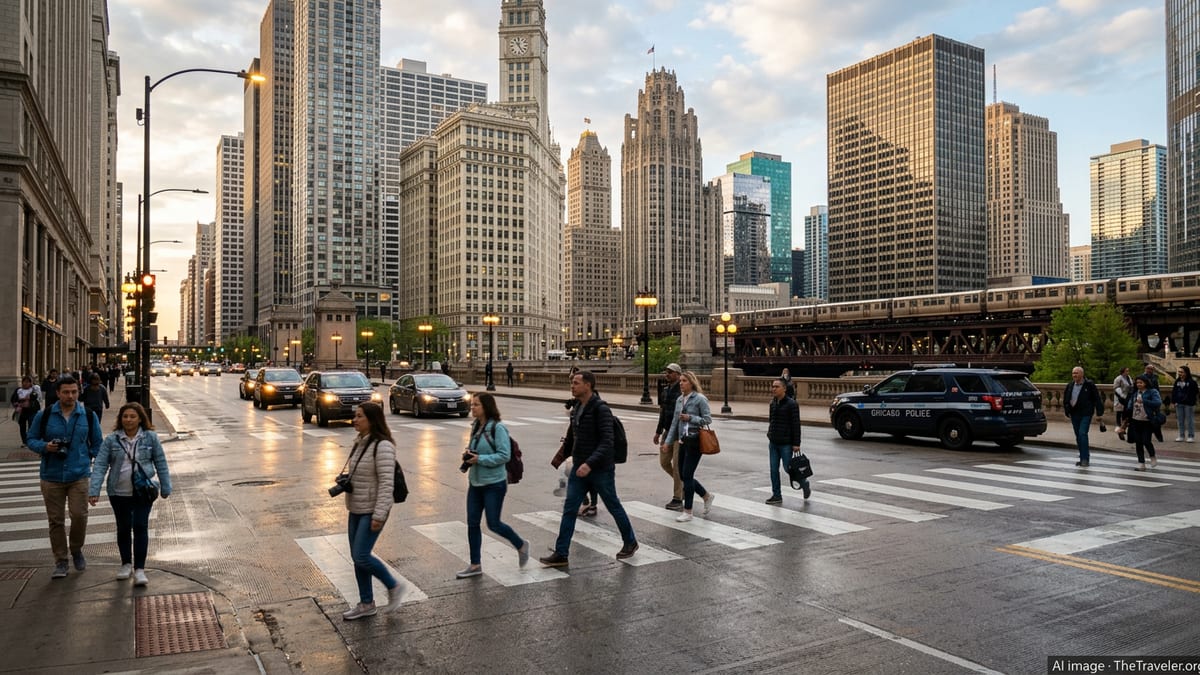
Violent crime in Chicago tends to be concentrated in residential areas on the South and West Sides, far from the business district and the lakefront neighborhoods that most visitors see. The central business district, known as the Loop, along with adjacent areas such as River North, Streeterville, West Loop, and the Near North Side, sees far more foot traffic and police presence and generally experiences lower rates of serious violent crime than the hardest-hit neighborhoods. That said, theft, car break-ins, and occasional robberies still occur, particularly late at night or in less crowded pockets.
Tourist-focused crimes in Chicago are more likely to involve nonviolent theft than assault. Phones and laptops left unattended in cafes, bags placed on the backs of chairs in crowded bars, and items visible in parked cars are all common targets. Public transit, especially packed trains and platforms, also presents opportunities for pickpockets. Visitors who keep valuables secured, avoid displaying large amounts of cash, and remain aware of their surroundings significantly reduce their risk.
Another point to keep in mind is that Chicago’s crime patterns can shift from year to year and even month to month. Construction projects, new nightlife venues, and changes in transit use can all influence where opportunistic crime occurs. Before your trip, it is sensible to check very recent local news about the areas you plan to stay in, and once you arrive, ask hotel staff or hosts about any current hot spots or incidents to be aware of.
Staying Safe in Chicago: Neighborhoods, Transit and Nightlife
For most visitors, safety in Chicago comes down to choosing accommodations in well-trafficked neighborhoods, using transportation wisely, and making conservative choices about late-night activities. The Loop and adjoining downtown districts are usually the most straightforward areas for first-time visitors, offering a dense mix of hotels, restaurants, museums, and transit options. Popular lakefront neighborhoods such as Lincoln Park, Lakeview, and parts of the Near North Side combine residential streets with busy commercial corridors that feel comfortable for walking during the day and evening.
Neighborhoods that are popular for dining and nightlife, such as West Loop, Wicker Park, Logan Square, and Pilsen, attract many locals as well as tourists. These areas can be lively and generally safe when busy, but the risk of incidents such as phone theft or occasional street robberies can increase late at night or on quieter side streets. If you visit these districts, travel with companions when possible, stay on main streets, and use a rideshare or taxi rather than walking long distances after midnight.
Chicago’s public transit system, primarily the elevated “L” trains and buses, is a practical way to get around. Daytime and early evening rides on major lines are typically uneventful for visitors who keep their belongings close and stay alert. Late-night trains, particularly on less busy lines or platforms with few other riders, can feel less comfortable; in those situations it can be safer to opt for a rideshare. Always avoid falling asleep on trains, keep headphones at a low volume, and be discreet when using your phone or camera.
Basic urban safety practices go a long way in Chicago. Stick to well-lit streets, avoid alleys and deserted blocks after dark, and trust your instincts if a place feels off. Withdraw cash from ATMs located inside banks or busy stores, not isolated machines. When using rideshares, confirm the driver’s name and the vehicle’s license plate before getting in, and if something does not match your app, cancel the ride and move to a more public location.
Common Scams in Illinois and How to Avoid Them
Illinois, and Chicago in particular, generally has fewer aggressive street scams than some other major U.S. and international cities, but that does not mean visitors are never targeted. Instead of elaborate cons, travelers are more likely to encounter low-level hustles, online fraud, or situations where someone takes advantage of distraction or confusion. Recognizing typical patterns helps you avoid becoming a target in the first place.
In busy tourist areas such as downtown Chicago, Millennium Park, Navy Pier, and major transit hubs, the most common issues involve distraction-based theft. A stranger may bump into you while an accomplice lifts your phone or wallet, or someone may ask you to sign a petition or accept a “free” item, drawing your attention away from your bag. To reduce risk, carry valuables in a closed, crossbody bag or money belt worn in front, and keep your phone in a zipped pocket when not actively in use. If a situation feels engineered to distract you, politely decline and move on.
Ticket scams are another concern. This can include resold or counterfeit tickets for sporting events, concerts, river cruises, or popular attractions, often marketed at a discount near venues or online marketplaces. While many resellers are legitimate, it is safer to purchase directly from the venue, team or an established ticket platform rather than informal sellers on the street or unverified listings. For major events, avoid last-minute deals that seem unusually cheap, and be wary of anyone pressuring you to decide immediately.
Online and phone-based scams also affect visitors, especially those booking accommodation or transportation. Fraudsters may create fake rental listings, demand payment through untraceable methods, or impersonate government agencies and threaten fines. To protect yourself, use reputable booking platforms, avoid wiring money to individual landlords you cannot verify, and be skeptical of unsolicited calls or messages claiming to be from authorities. Law enforcement in Illinois regularly warns residents about these schemes, and the same advice applies to travelers: if something feels high-pressure, confusing, or too good to be true, pause and verify through an official channel.
Weather Risks: Tornadoes, Storms and Extreme Seasons
Weather is one of the most serious safety considerations for visitors to Illinois. The state sits in the U.S. Midwest, where the collision of warm, moist air from the Gulf of Mexico and cooler northern air can create powerful storms. In recent years, Illinois has experienced active severe-weather seasons, including record numbers of tornado reports and multiple large storm systems that produced damaging winds, hail, and flooding. Meteorologists and state climatologists have noted that severe weather has arrived earlier in the year and affected all regions of the state, from Chicago and the suburbs to small towns and farmland.
Spring and early summer are typically peak tornado and severe thunderstorm months. Travelers during these seasons should pay close attention to local forecasts and be familiar with common terms used by the National Weather Service, such as “watch” and “warning.” A tornado or severe thunderstorm watch indicates that conditions are favorable, while a warning means dangerous weather is occurring or imminent and you should take shelter immediately. While the chance that a visitor will experience a direct tornado strike is low, the same storms can bring destructive straight-line winds, large hail, cloud-to-ground lightning, and flash flooding, any of which can pose significant risks if you are on the road or outdoors.
Winter brings its own set of hazards. Illinois rarely escapes a season without at least one impactful snow or ice storm. These systems can quickly turn highways treacherous, reduce visibility to near zero, and lead to closures or long delays. Even in Chicago, which is well-equipped for snow removal, heavy storms can disrupt public transit, close attractions, and make walking difficult due to ice and slush. Temperatures can drop well below freezing, and strong winds increase the risk of frostbite for anyone unprepared.
Summer heat and humidity can also be dangerous, particularly in Chicago and other densely built-up cities where pavement and buildings hold heat. Heat waves have become more frequent and intense, occasionally prompting heat advisories or warnings. Visitors spending long days sightseeing should stay hydrated, take breaks in air-conditioned spaces, and avoid strenuous outdoor activity during the hottest part of the afternoon. When planning your trip, consider both the crime and weather profiles of your target month, and build flexibility into your itinerary so you can adjust plans if severe conditions develop.
Season-by-Season Safety Planning for Illinois Trips
Travel safety in Illinois looks different in July than it does in January. Matching your preparation to the season helps you avoid common pitfalls. In spring, when severe thunderstorms and tornadoes are more common, focus on flexibility and information. Keep a close eye on daily forecasts, enable emergency alerts on your phone, and know where to shelter indoors if a warning is issued. Outdoorsy plans such as hiking, lakefront bike rides, or day trips on rural highways should always have a backup indoor option in case storms move in.
Summer is peak tourism season in Chicago and along Illinois’s rivers and lakes. Crowds are largest, events run late into the evening, and public transit and nightlife are at their busiest. Safety-wise, this translates into greater risk of pickpocketing or bag theft in crowded spaces, more congested traffic on highways, and the potential for heat-related illnesses. Dress for the heat, carry only what you need each day, guard your bag on packed trains or festival grounds, and pace your alcohol consumption, especially if you are not accustomed to high humidity.
Autumn is often one of the most comfortable times to visit, with milder temperatures and generally calmer weather, though severe storms can still occur. College towns, harvest festivals, and scenic drives draw visitors, and road safety becomes more about longer evening hours, wildlife on rural roads, and occasional heavy rain. Evening temperatures can drop quickly, so pack layers and be prepared for early nightfall if you are driving between towns.
Winter trips require the most gear and caution. If you plan to drive, ensure your vehicle is winter-ready with good tires, a full tank of fuel, and an emergency kit that includes warm clothing, a blanket, snacks, and a flashlight. Check road conditions before setting out and avoid travel during active winter storm warnings when possible. In Chicago, invest in waterproof boots with traction, a warm coat, hat, and gloves; slippery sidewalks are a common source of minor injuries. If a particularly intense storm is forecast, consider rescheduling long drives or flights rather than trying to push through dangerous conditions.
Practical Safety Tips for Cities and Small Towns
Whether you are exploring Chicago’s skyline, wandering through historic riverfront districts, or visiting a college campus, a consistent set of practical habits will improve your safety. The first is situational awareness. Keep your attention on your surroundings rather than on your phone while walking, especially at night or in unfamiliar neighborhoods. Note where the nearest open businesses are, stay on well-lit streets, and avoid cutting through parks or alleys after dark.
When it comes to valuables, minimize what you carry each day. Leave passports, large amounts of cash, and rarely used cards in a hotel safe or locked bag at your accommodation. In urban areas, carry your bag in front of you in crowded spaces and close all zippers. In small towns and roadside stops, resist the temptation to leave bags visible in an unattended car. Smash-and-grab theft from vehicles can occur anywhere there is a quick opportunity, including at trailheads, rest areas, and parking lots outside popular attractions.
If you drive in Illinois, obey speed limits and watch for sudden changes in conditions, especially in rural areas where weather can shift quickly. Heavy rain can cause hydroplaning and obscure lane markings, while fog along rivers and low-lying fields can reduce visibility. At railroad crossings, never try to beat a train, even if you do not immediately see one approaching; the state emphasizes rail safety because high-speed freight and commuter trains cross many communities.
Interacting with locals and authorities is straightforward. Most Illinois residents are accustomed to visitors and are happy to offer directions or advice. If you feel unsafe, step into a busy business or hotel lobby and ask staff to call a cab or help you contact the police. In an emergency, dial 911 anywhere in the state. For non-urgent issues, local police departments often list non-emergency numbers and online reporting tools, which can be helpful if you experience theft or lose important documents.
The Takeaway
Illinois is neither the unmanageable danger zone some headlines imply nor a risk-free playground. It is a large, complex state that offers rich cultural, historical, and natural experiences alongside the same types of safety challenges found in many parts of the United States. Chicago’s crime issues are real but heavily concentrated in areas that most visitors never enter, and downtown districts remain busy and generally safe with normal urban precautions. Smaller cities and rural areas present different concerns, from highway driving in bad weather to ensuring your car and belongings are secure.
The most distinctive safety factors in Illinois are its changeable weather and its big-city dynamics. Severe storms, winter blizzards, and intense summer heat are all manageable risks if you plan ahead, respect official warnings, and keep your itinerary flexible enough to adapt. Street crime, scams, and petty theft, while present, tend to respond to the same countermeasures that work in other major destinations: awareness, discretion with valuables, and choosing well-lit, populated routes.
For travelers willing to plan around these realities, Illinois offers enormous rewards, from Chicago’s museums, dining, and architecture to quiet small-town squares and state parks. With informed decision-making, careful neighborhood and season selection, and attention to both the sky and your surroundings, you can safely enjoy the state’s highlights and leave with the kind of memories you hoped to make.
FAQ
Q1. Is Chicago safe for tourists right now?
Chicago’s central and lakefront neighborhoods that most tourists visit are generally safe with normal big-city precautions, though visitors should remain alert to theft and avoid wandering into unfamiliar residential areas late at night.
Q2. Which areas of Chicago should visitors avoid?
Many visitors choose to avoid residential parts of the South and West Sides that see higher levels of violent crime, particularly after dark, and instead focus on downtown, the lakefront, and well-known commercial districts.
Q3. Is it safe to use the “L” train in Chicago?
The “L” is widely used and typically safe during the day and early evening for riders who stay aware of their surroundings, keep belongings close, and avoid isolated cars or platforms late at night.
Q4. Are tornadoes a serious risk for visitors to Illinois?
Tornadoes are possible in Illinois, especially in spring and early summer, but the chance of a direct hit is low; the greater risk comes from severe storms, so visitors should monitor forecasts and follow local warnings.
Q5. How dangerous are Illinois winters for travelers?
Illinois winters can bring snow, ice, and bitter wind chills that make driving and walking hazardous; with proper clothing, flexible plans, and attention to advisories, most travelers can manage the conditions safely.
Q6. What scams should tourists watch out for in Chicago?
Visitors should be cautious about distraction-based pickpocketing, unofficial ticket resellers, high-pressure street offers, and suspicious online rental or ticket listings that ask for untraceable payments.
Q7. Is it safe to walk around downtown Chicago at night?
Busy downtown streets and entertainment areas are usually safe for walking in the evening, but it is wise to stick to main routes, travel with others when possible, and use rideshares instead of walking long distances after midnight.
Q8. Are smaller Illinois cities safer than Chicago?
Many smaller cities and towns feel calmer and have lower violent crime levels than Chicago’s highest-risk neighborhoods, though some mid-sized cities have relatively high crime rates and still require the same basic precautions.
Q9. How should I prepare for Illinois weather when packing?
Check the forecast for your travel dates and pack in layers, including waterproof outerwear and sturdy shoes in colder months, along with sun protection and light clothing for hot, humid summer days.
Q10. Is Illinois generally safe for solo travelers?
Yes, many solo travelers visit Illinois without problems when they stay in well-reviewed accommodations, avoid risky areas after dark, share itineraries with someone at home, and remain alert in public spaces and on transit.