

India can be one of the most rewarding countries in the world to visit, but it is also one of the most challenging. For many travelers, the question is not whether India is fascinating, but whether it is safe to explore, especially in the wake of recent security incidents, renewed travel advisories, and ongoing concerns about women’s safety. The honest answer is nuanced: millions of trips pass without serious problems, yet risks around petty crime, harassment, traffic, health, and isolated terrorism incidents are real and worth understanding before you go.
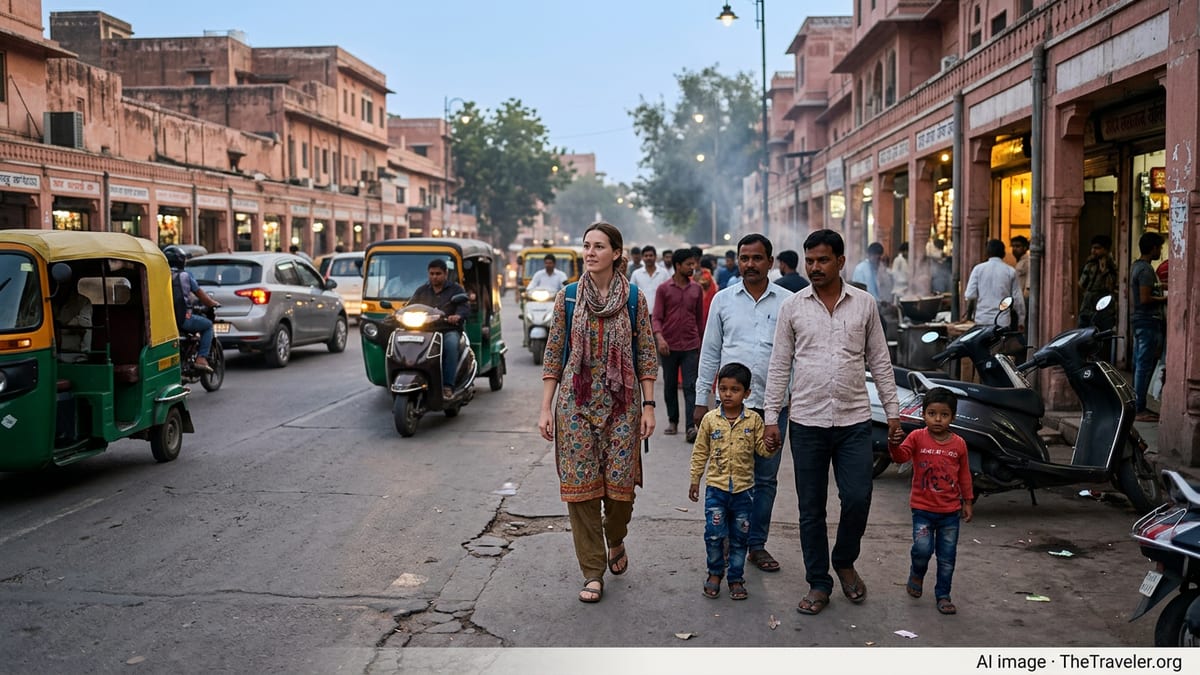
The Current Safety Picture: How Safe Is India in 2026?
International governments continue to describe India as a country where travel is generally possible, but with areas and situations that require increased caution. Recent advisories highlight concerns about crime in major cities, sporadic terrorism, and the specific vulnerability of women travelers in certain locations. These warnings are not a call to avoid India completely, but rather to plan thoughtfully, stay informed about regional conditions, and travel with realistic expectations.
At the same time, India remains one of the most visited destinations in Asia, with tens of millions of domestic and international tourists moving through its cities, beaches, mountains, and heritage sites each year. Most visits are trouble free in terms of serious crime, especially for those who stick to established routes, use reputable accommodation and transport, and observe basic street smarts. The contrast between positive experiences and the small but serious number of high profile incidents is what makes safety in India feel so polarized.
Travel risk is also highly uneven across the country. Some regions, especially certain parts of Jammu and Kashmir and areas close to international borders, have seen recent security incidents including a deadly attack on tourists in 2025. Other parts of India, such as much of Kerala, Himachal Pradesh, and many smaller hill and beach towns, are perceived by both locals and foreign visitors as relatively calmer and more welcoming to travelers, including women and families. Rather than asking whether India as a whole is safe, it is more useful to ask which parts of India are appropriate for your risk tolerance and travel style.
Finally, it is important to put India’s risks in a global context. Large, fast growing countries with stark inequalities generally struggle with crime and gender based violence, and India is no exception. Yet it is also a country investing in tourist police units, emergency helplines, Safe City projects, and women focused safety initiatives. If you approach India with preparation, humility, and a willingness to adapt to local norms, you can significantly tilt the odds in your favor.
Key Risks Travelers Should Understand
The main risks for most visitors in India are not violent attacks but everyday issues such as petty theft, scams, road accidents, and health problems. Pickpocketing and bag snatching can occur in crowded markets, stations, and buses. Common scams include inflated taxi fares, unofficial “guides” steering you to commission based shops, fake ticket offices, and touts who insist a hotel is “closed” then divert you to a more expensive option. These can be frustrating, but with awareness and firm boundaries they are usually manageable.
Road safety is a more serious concern. India’s roads have high accident rates, and traffic norms may feel chaotic to visitors. Overloaded buses, speeding on highways, poor lighting at night, and a mix of pedestrians, animals, and vehicles share the same space. For many travelers, the riskiest moments of a trip are long distance road journeys or late night rides on poorly regulated buses. Choosing reputable drivers, avoiding overnight road travel when possible, and wearing seat belts can reduce, but not eliminate, these risks.
Women’s safety is a key concern. While most women will not experience violent crime, sexual harassment ranging from staring and unwanted photos to groping can occur, particularly in crowded urban areas and on public transport. Official statistics and lived experiences often diverge, partly because many incidents are never reported. This does not mean women should never visit India, but it does mean they need to plan more cautiously, choose destinations and neighborhoods carefully, and maintain stronger personal boundaries than they might at home.
There is also a residual risk of terrorism and targeted violence, particularly in a few sensitive regions and occasionally at high profile religious or political sites. These attacks are rare relative to the volume of travel, but they are the reason some governments advise avoiding specific districts or exercising extra caution at large gatherings. Checking up to date advisories before finalizing itineraries, especially for border areas or politically sensitive regions, is a sensible step.
Regional Differences: Where Caution Matters Most
Safety in India is highly regional. Northern and central megacities such as Delhi and some parts of Uttar Pradesh and Haryana often attract headlines about crime and harassment, particularly involving women and foreign tourists. Experiences vary widely, and many visitors pass through without incident, but these cities demand a higher level of vigilance, especially after dark, in isolated areas, or when using unregulated transport.
By contrast, parts of southern and southwestern India, including much of Kerala, Goa outside peak party zones, coastal Karnataka, and cities like Bengaluru and Kochi, are often perceived as somewhat more relaxed for travelers. Some of these states are frequently cited in national data and local reports as having relatively lower rates of crimes against women compared with certain northern regions. This does not make them “safe” in an absolute sense, but many solo travelers, including women, report feeling more at ease in these areas.
Hill states such as Himachal Pradesh and Uttarakhand are popular with backpackers and families seeking nature, trekking, and spiritual retreats. Tourist towns like Rishikesh, McLeod Ganj, and parts of the Kullu Valley have well established travel infrastructure and communities of repeat visitors. Local authorities in some of these regions are actively promoting women friendly tourism and upgrading safety infrastructure, which is good news for cautious solo travelers.
Regions with active security concerns, such as parts of Jammu and Kashmir, certain border belts, and occasionally areas experiencing local unrest or bandhs (shutdowns), require special attention to current conditions. Travel advisories from your own government will usually single out such regions separately from the rest of India. If you are considering these areas, it is wise to have flexible plans, use reputable local operators, register your travel if your embassy offers that service, and be prepared to change your route quickly if conditions deteriorate.
India for Solo Travelers: Realities and Strategies
For solo travelers, India can be both exhilarating and overwhelming. Traveling alone means more direct exposure to touts, scammers, and, for women, unwanted attention. At the same time, solo travelers often find that India’s intense social fabric works in their favor: guesthouse owners, families on trains, and other travelers frequently look out for solo visitors, offer advice, and share information about which areas feel safe at different times of day.
Solo male travelers usually find India manageable with standard big city precautions: avoiding obvious displays of wealth, staying aware of surroundings, and being cautious with alcohol and late night situations. They are less likely to be targeted for harassment, although scams and overcharging are common. Many men travel extensively by train and bus, including overnight, without serious issues, particularly when they opt for reputable private operators and mid to higher class train compartments.
Solo female travelers face a more complex landscape. While some women report relatively smooth journeys, others describe persistent staring, intrusive questions, and occasional groping or aggressive behavior. Many experienced female travelers advise structuring India trips in a way that reduces exposure to high risk situations: choosing neighborhood based boutique hotels over isolated budget stays, hiring trusted drivers arranged by accommodations, using pre booked taxis or reputable apps, and favoring day travel over overnight road journeys. Traveling in popular routes with many other visitors can also provide a buffer.
Starting gently is often wise. First time solo visitors might focus on a few well trodden circuits such as parts of Rajasthan, Kerala’s backwaters and beaches, or the yoga and meditation hubs of Rishikesh and Dharamshala, rather than attempting an all India odyssey on their first visit. Joining small group tours for specific segments, such as long distance travel days or remote trekking, can provide companionship and logistical support without giving up the freedom of solo travel entirely.
India With Kids: Safety Considerations for Families
Families travel to India every year for wildlife safaris, cultural immersion, beach breaks, and visits to relatives, and many describe it as one of the most memorable trips their children have ever taken. However, India is not an effortless family destination. The main safety concerns for children are health, traffic, and the stress of sensory overload rather than targeted crime.
Health wise, children are more susceptible to dehydration, foodborne illness, and heat related exhaustion, especially in the pre monsoon and peak summer months. Parents should be meticulous about hand hygiene, safe drinking water, and food choices. Many families choose accommodations with good in house restaurants, allowing them to control what and where their children eat, and keep a basic medical kit on hand. Having travel insurance that includes pediatric care and evacuation is essential.
Traffic and crowd management require constant attention. Holding hands near busy roads, using seat belts and car seats where possible, and avoiding motorbikes or open rickshaws for young children are simple but crucial steps. When sightseeing at major attractions, agree clear meeting points and introduce older children to basic safety rules such as staying within sight, not accepting food or gifts from strangers, and knowing the name and address of the hotel.
Families should be prepared for stares and curiosity, particularly in areas less accustomed to foreign tourists. This is often more about fascination than hostility, but it can feel intense. Setting boundaries politely yet firmly, limiting how many strangers your children are allowed to pose for photos with, and leaving situations that feel uncomfortable are all reasonable responses. Many parents find that traveling at a slower pace, choosing smaller cities or quieter beach and hill destinations, and building in down time at family friendly resorts helps maintain a sense of safety and calm.
Practical Safety Tools and Local Resources
Modern India offers a growing network of safety tools and services that travelers should know about. The national emergency number 112 connects you to police, fire, and ambulance services in most of the country. The long standing police number 100 and the tourist specific helpline 1363 can also be useful, and many states highlight women focused numbers such as 1091 or 181 for those experiencing harassment or violence. Saving these contacts in your phone under clear labels before your trip is a simple but powerful step.
Several major cities and tourist regions operate tourist police units, often based around popular attractions and transport hubs. Their role is to assist visitors, respond to scams or harassment, and coordinate with local police stations. If you feel pressured by touts, overcharged for a service, or uncomfortable with someone’s behavior, approaching tourist police or asking your hotel to help you contact them can be more effective than confronting the situation alone.
In recent years, some Indian states have developed women focused safety initiatives such as women only police patrols, special help desks at stations, and emergency response apps. In parts of Kerala, for example, all women patrols dubbed “pink patrol” focus on women’s safety in busy public areas. Larger metro systems in cities like Delhi and Mumbai maintain women only carriages at peak times. These measures are not a guarantee of safety, but they add useful layers of protection if you actively use them.
Digital tools can also support safer travel. Reputable ride hailing apps, where available, tend to be safer than hailing random taxis on the street because rides are tracked and drivers are registered. Mapping apps help you verify routes and avoid obviously unsafe detours. Sharing live locations with trusted friends or family during long journeys, and using hotel messaging or email to confirm who is coming to pick you up, creates a simple digital paper trail that can discourage bad actors.
Smart Conduct: Everyday Habits That Reduce Risk
In India, small habits add up to a meaningful difference in safety. Dressing in a relatively modest way, particularly outside of major cosmopolitan enclaves, can reduce unwanted attention. This does not mean erasing your identity, but leaning towards loose, breathable clothing that resembles what many urban Indians wear can help you blend in. Keeping valuables out of sight, using cross body bags that close securely, and dividing cash and cards between different pockets or money belts can limit losses if you are targeted by pickpockets.
Managing alcohol and nightlife carefully is also important. Bars and clubs in big cities and tourist hubs can feel familiar, yet the risks of drink spiking, harassment, or unsafe late night transport are not negligible. Sticking with trusted companions, watching drinks prepared, avoiding accepting alcohol from strangers, and pre arranging your return transport before going out are sensible strategies. For solo travelers, especially women, it is usually safer to prioritize daytime socializing and keep evenings lower key.
When moving around, try to avoid appearing disoriented. Study maps before leaving your hotel, have your route in mind, and pause in visible, busy places if you need to check your phone. In crowded spaces like stations and festivals, keep bags in front of you and be alert to unusual jostling. If someone is making you uncomfortable, trust your instincts, change your seat, move closer to families or women, or get off at a busy, well lit stop rather than waiting it out.
Finally, cultivate a confident but courteous demeanor. Firmly saying no to persistent touts, insisting on the use of meters or agreeing fares in advance, and refusing unsolicited help with ATMs or ticket machines are all reasonable. At the same time, maintaining politeness and patience goes a long way in India’s dense social environment. Most people you meet will be curious, not threatening, and a calm but assertive approach allows you to benefit from the kindness of strangers without feeling obliged to accept every offer.
Women’s Safety: A Candid Look for Female Travelers
Women’s safety in India is a subject of intense local and international debate, and it deserves explicit attention. On one hand, India has made visible investments in helplines, women only transport options, and public awareness campaigns. Some states and cities are working with civil society groups and technology providers to map unsafe areas, improve lighting, and increase police presence in harassment hotspots. Tourism departments in several regions now openly court solo women travelers while promising better safety standards.
On the other hand, deeply rooted gender inequalities, social stigma around reporting sexual crime, and inconsistent law enforcement mean that women continue to face risks that are higher than in many travelers’ home countries. Reports from both local women and foreign visitors speak of routine street harassment, intrusive questions about marital status, and in some cases serious assaults. The fact that many women do travel successfully through India does not erase these realities, but it shows that risk can be managed through informed planning and cautious behavior.
Female travelers who choose to visit India often adopt a set of personal rules. Common approaches include avoiding empty streets and parks after dark, choosing central hotels with good reputations and 24 hour reception, using women only train carriages where available, and sitting or standing near families or other women in public transport. Many avoid sleeping alone in open train or bus compartments, and instead opt for air conditioned classes with closed berths, or split longer journeys into daytime segments.
Setting verbal and physical boundaries is essential. Being willing to say a clear, loud “no” to unwanted touching or invasive questions, moving away from uncomfortable situations without worrying about offending, and involving bystanders, hotel staff, or police when someone crosses a line are all part of traveling as a woman in India. Carrying basic tools such as a charged phone, offline maps, a small flashlight, and if local regulations permit, a legal self defense spray can offer additional peace of mind.
The Takeaway
India is neither the lawless danger zone that some headlines suggest nor the uncomplicated spiritual playground portrayed in glossy travel brochures. It is a vast, contradictory country where genuine warmth and hospitality coexist with structural problems around gender, inequality, and infrastructure. For most travelers who prepare carefully, choose their destinations wisely, and use common sense, the greatest challenges will be sensory overload, logistical hiccups, and occasional uncomfortable encounters rather than life threatening crime.
Whether India is “safe enough” for you depends on your personal risk tolerance, experience level, and identity. Solo male backpackers with experience in other complex destinations may find India challenging but manageable. Solo female travelers need to think more deliberately about routes, transport, and accommodation, and some may decide that group travel or traveling with a trusted companion aligns better with their comfort level. Families can have rich, educational trips so long as they take health, traffic, and pace seriously.
The most important safety tool you bring to India is an informed mindset. Read current advisories and recent traveler reports, understand regional differences, learn how local emergency systems work, and build realistic buffers into your plans. Accept that you cannot control everything, but you can meaningfully reduce your exposure to many common risks. With this approach, India’s intensity becomes less of a threat and more of a powerful, unforgettable part of your journey.
FAQ
Q1. Is India safe for solo female travelers in 2026?
India can be traveled solo by women, but it requires more caution than many destinations. Risks of harassment are real, so careful route planning, conservative nightlife habits, and choosing reputable accommodation and transport are essential.
Q2. Which parts of India are considered relatively safer for tourists?
No region is risk free, but many travelers report feeling more comfortable in parts of Kerala, Goa outside intense party zones, hill areas of Himachal Pradesh and Uttarakhand, and in well known tourist towns that have long experience welcoming visitors.
Q3. Are there areas of India that tourists should generally avoid for safety reasons?
Conditions change, but regions with recent terrorism incidents, some border belts, and locations under active security advisories are often best avoided or visited only with up to date information, flexible plans, and reputable local operators.
Q4. How common is violent crime against tourists in India?
Serious violent crime against foreign tourists is relatively rare compared with the huge number of trips taken each year, but incidents do occur. More common are petty theft, scams, and harassment, which can usually be mitigated with awareness and precautions.
Q5. Is it safe to travel around India by train and bus?
Millions of people travel safely by train and bus every day, but standards vary. For longer journeys, higher class train compartments and reputable private bus operators are generally safer. Many travelers avoid overnight road travel and keep valuables close.
Q6. What emergency numbers should travelers know in India?
The national emergency number is 112, which connects to police, fire, and ambulance. Travelers should also note 100 for police in many areas and the tourist helpline 1363, along with any women focused helplines promoted locally.
Q7. How should families with children think about safety in India?
Families should focus on health, traffic, and crowd management. Careful food and water choices, seat belts and car seats where available, holding hands near roads, and slower itineraries in child friendly destinations all help keep trips safe and enjoyable.
Q8. What should women wear in India to feel safer?
Many female travelers choose loose, modest clothing similar to what local women wear in cities and towns. This is not a guarantee of safety, but it can reduce unwanted attention and help visitors blend more easily into everyday life.
Q9. Are ride hailing apps safe to use in Indian cities?
Reputable ride hailing apps are often safer than unmetered street taxis because drivers are registered and journeys are tracked. Travelers should still check vehicle details, share trip information with trusted contacts, and avoid sitting in the front seat if they feel uneasy.
Q10. Should first time visitors to India join an organized tour?
Organized tours can reduce stress and safety concerns, especially for first time or nervous travelers, solo women, and families. Many visitors combine short guided segments for complex legs with independent travel in easier, well known destinations.