

India is a country that inspires superlatives and strong opinions. For some travelers it becomes a life changing destination they return to again and again. For others it can feel overwhelming, chaotic or simply not the right fit. With tourism rebounding and the country investing heavily in new airports, trains and attractions, many people are asking a simple question: is India worth visiting right now, and for whom?
India in 2026: A Big, Complex Tourism Picture
India’s tourism story in the mid 2020s is one of strong growth, uneven recovery and striking contrasts. International visitor numbers have climbed back into the high single digit millions per year, still slightly below pre pandemic peaks but rising. Domestic travel has exploded, filling trains, flights and hotels during peak seasons and transforming once sleepy pilgrimage towns into major tourism hubs. For visitors, this means more infrastructure and services, but also more crowds at headline sights.
Spending by international visitors has reached record levels, according to industry groups, even as total foreign arrivals lag behind global trends. That suggests those who do come to India are staying longer or traveling more widely across the country. At the same time, trade bodies and hotel groups note that India is competing for tourists with destinations such as Thailand, Vietnam and the United Arab Emirates, which often offer easier visas, denser resort infrastructure and simpler first time travel experiences.
Regionally, the picture is equally mixed. Himalayan states, beach destinations in Goa and Kerala, the desert forts of Rajasthan and spiritual centers such as Varanasi, Rishikesh and Bodh Gaya continue to draw both domestic and foreign travelers. New and renewed pilgrimage magnets, such as the Ram temple in Ayodhya and large scale gatherings like the Maha Kumbh Mela in Prayagraj in early 2025, have brought tens of millions of visitors. At the same time, flashpoints of tension, like the April 2025 attack on tourists in Kashmir and subsequent security operations, remind travelers that risks are not uniform across the country.
For potential visitors, the takeaway is that India is not a monolithic destination but a patchwork of very different tourism realities. The experience in a Delhi business hotel will be nothing like trekking in Himachal Pradesh or staying in a heritage haveli in Rajasthan. Understanding this diversity and planning accordingly is the first step in deciding whether India is worth it for you.
The Powerful Reasons India Is Worth Visiting
Ask devoted India travelers why they keep coming back and a few themes repeat: depth of culture, sensory richness, human warmth and sheer variety. Few countries pack so many distinct worlds into a single passport stamp. In two or three weeks you can move from Mughal architecture in Delhi and Agra to palm backed beaches in Goa, tea covered hills in the Western Ghats, and temple towns in Tamil Nadu or Odisha, each with their own languages, cuisines and traditions.
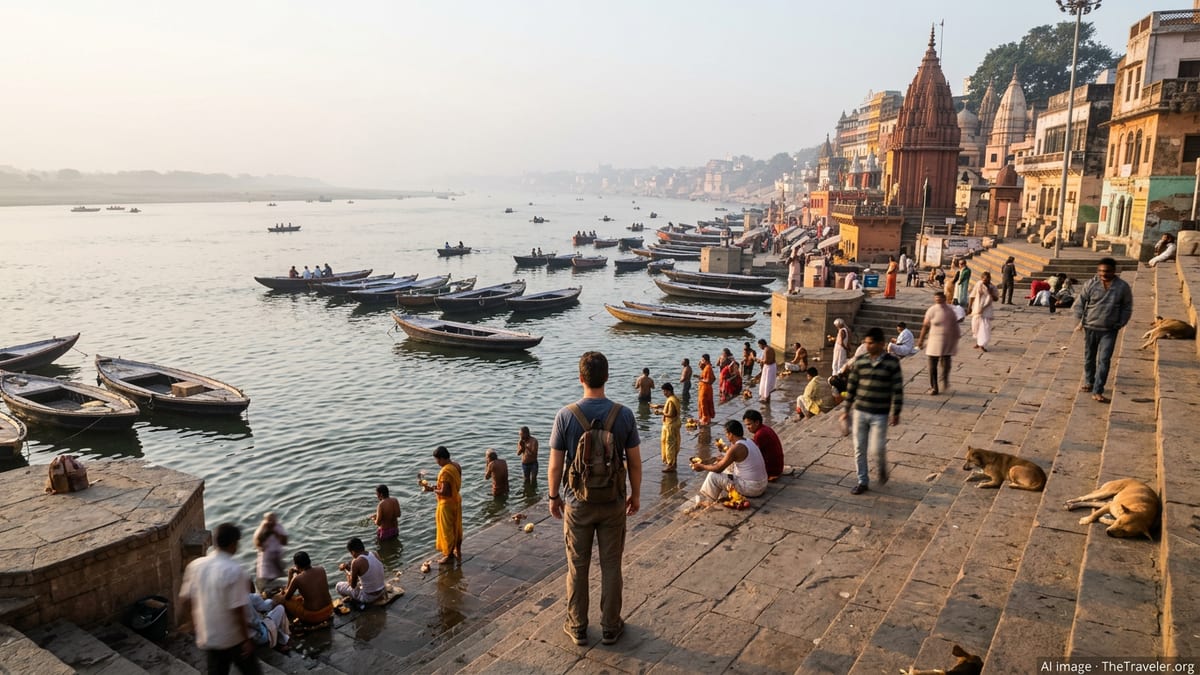
Culturally, India can feel like a graduate level course in world history and religion compressed into a single trip. Ancient Buddhist sites, Islamic dynasties, Hindu kingdoms, European colonial forts and modern megacities all coexist, often on the same street. Festivals are frequent and vivid, from regional harvest celebrations to national holidays. Even outside of big events, daily rituals along the Ganges in Varanasi or in neighborhood temples and mosques offer a window into living traditions that are not staged for tourists.
Food alone can justify the trip for many visitors. While international travelers have long known the northern standards of tandoori, naan and rich curries, a journey through India reveals an extraordinary diversity of regional cuisines: fermented breakfasts in the south, seafood and coconut based dishes along the coasts, robust lentil and millet cooking in the interior, and refined vegetarian thalis that turn a simple meal into a tasting menu. Street food scenes in cities like Mumbai, Delhi and Kolkata are intense, inexpensive and, with sensible precautions, accessible.
Then there is the human dimension. Many travelers describe encounters in India that feel unusually personal, from long train conversations to invitations to weddings or family meals. English is widely spoken in cities and tourism hubs, making it easier to connect. While hard bargaining and touts can be tiring, it is equally common to find generous hospitality and small kindnesses that leave lasting memories.
The Major Drawbacks: Crowds, Chaos and Travel Stress
All of that richness comes with real challenges. For many first time visitors, India can be genuinely exhausting. Big cities are crowded, noisy and traffic clogged, with honking, construction and dense human activity from early morning until late at night. Even smaller towns can feel hectic around markets or festivals. This intensity is part of what some travelers love, but for others it is simply too much.
Infrastructure ranges from impressive to frustrating. India has invested in new airports, expressways and semi high speed trains, and premium services between major cities are increasingly reliable. At the same time, older train lines, regional buses and urban public transport can still be crowded, slow and confusing. Power cuts, patchy water pressure, delayed flights and traffic jams are not rare. Travelers who expect seamless logistics may find themselves stressed unless they build in extra time and flexibility.
Pollution is another significant drawback. Air quality in north Indian cities, especially in and around Delhi during the winter months, can be very poor, with visible smog and official health warnings. Noise and light pollution are common in urban areas. In some popular tourist towns, garbage management struggles to keep up with rising visitor numbers, leading to litter along rivers, beaches and trails. Sensitive travelers may find this upsetting or physically uncomfortable.
Finally, there is the mental load of constant negotiation. In tourism hot spots, visitors will encounter touts, commission seeking guides and aggressive sales tactics for everything from rickshaw rides to handicrafts. Prices are often flexible, bargaining is expected, and meter misuse or overcharging of obvious foreigners is well documented. Many travelers adapt quickly and even enjoy the drama of the deal, but it can be tiring, especially on a short trip.
Safety, Health and Practical Realities
On safety, India sits in the middle of the global spectrum. Most trips are uneventful, and millions of domestic and foreign travelers move around the country each year without serious incident. Petty theft, scams and overcharging are the most common issues, especially in crowded markets, train stations and around major monuments. Violent crime against foreigners is less common but does occur, particularly at night or in isolated areas, as in most countries.
Official travel advisories from Western governments typically recommend increased caution in certain regions. Areas near the international borders with Pakistan, parts of the northeast and specific districts in central and eastern India are sometimes highlighted due to insurgency, civil unrest or military tension. Events like the 2025 attack on tourists in Kashmir periodically lead to temporary closures of resorts, evacuations and a sharp drop in regional visitor numbers. Conditions can change, so checking up to date guidance before and during your trip is essential.
Health is a more predictable challenge. Many travelers experience some level of stomach upset, especially if they dive straight into street food or uncooked dishes. Heat can be severe in much of the country from April to June, with recent years bringing record breaking temperatures that have strained local health systems. Monsoon rains from June to September bring relief in some regions but also flooding, transport disruption and a spike in mosquito borne illnesses in others. Air quality, particularly in winter in the north, may aggravate respiratory issues.
With preparation, most of these risks can be managed rather than avoided entirely. Being selective about where and what you eat, drinking bottled or purified water, carrying basic medication for digestive issues, and dressing for sun and heat all help. Travel insurance that covers medical evacuation is strongly recommended, as is a realistic sense of your own health and risk tolerance. For solo women travelers, additional precautions around transport, accommodation choice and late night movements are advisable and well documented in recent guidebooks and online resources.
Costs, Value and What Your Money Buys
India is often marketed as a budget traveler’s dream, and for many visitors that reputation still holds, though in a more nuanced way than in the past. Day to day costs for local food, public transport and simple guesthouses can be very low compared with Europe, North America or East Asia. Inexpensive long distance trains, shared jeeps in the mountains and basic city hotels make it possible to travel for weeks on a modest budget, especially if you avoid peak holiday periods.
At the same time, prices in major cities and established tourist circuits have risen. Boutique hotels, heritage properties, domestic flights and high end safari lodges can rival or exceed prices in other international destinations. The surge in domestic tourism has increased demand for quality accommodation, particularly in hill stations, coastal resorts and desert towns, pushing rates higher during school holidays and festival periods. If you prefer comfort, private transfers and midrange or better hotels, India will not always feel like a bargain.
That said, value remains strong when you consider how much experience is packed into every travel day. Entry fees for monuments and museums are generally affordable, though foreigners often pay more than Indian citizens. Guided walks, cooking classes and workshops are usually good value compared with similar experiences in the West. Splurges like overnight train cabins, luxury river cruises or palace stays often feel more attainable in India than in many other countries, especially if you travel outside absolute peak seasons.
For cost conscious travelers, the key is to be honest about your comfort level. If you are willing to sleep in simple rooms, travel by slower trains and eat at local dhabas, India can still be very cheap. If you prefer air conditioning, reliable hot water, private drivers and international style coffee bars, you will spend more, but often still receive strong value for what you pay.
Best Time to Visit and Regional Variations
Choosing when to visit India is as important as deciding where to go. Climatically, the classic recommendation for much of the north and central belt is the dry, cooler period from roughly November to February. Daytime temperatures are generally comfortable, skies are clearer and major festivals often fall in this window. However, winter also brings heavy smog to cities like Delhi and can be surprisingly chilly in places without central heating, especially at night.
March and early April can offer pleasant weather in several regions before the pre monsoon heat intensifies. From late April through June, large parts of northern and central India experience intense heat waves, with daytime highs routinely above 40 degrees Celsius in some areas. Recent years have seen earlier, longer and hotter heat events, making midday sightseeing difficult and potentially unsafe for some travelers.
The southwest monsoon typically arrives in Kerala in June and moves across the country through July, retreating by September or October depending on the region. Coastal states and the Western Ghats become lush and atmospheric, with dramatic skies and fewer foreign tourists. However, heavy rains can disrupt travel, close hiking routes and flood streets, especially in major cities. Some regions, such as Rajasthan or the high Himalaya, are more appealing in the shoulder seasons or summer months, when mountain trails open and desert nights are milder.
Religious and cultural calendars also shape the experience. Massive gatherings such as the Maha Kumbh Mela, major temple festivals, and pan Indian celebrations like Diwali and Holi bring extraordinary atmosphere but also dense crowds and pressure on accommodation and transport. Some travelers plan their trips around such events, while others deliberately avoid them. Being clear about your tolerance for crowds and your interest in large scale spectacles will help you choose the right dates.
Who Will Love India, and Who May Not
India tends to reward certain traveler profiles more than others. If you are curious about culture, tolerant of ambiguity and comfortable letting plans flex, you are more likely to find the country fascinating rather than frustrating. Independent travelers who enjoy navigating unfamiliar systems, talking with strangers and spending long hours on trains or buses often thrive. Photographers, food lovers, yoga practitioners, spiritual seekers and history enthusiasts usually find more to explore than they can fit into a single trip.
Travelers with time also tend to fare better. India rarely reveals itself fully on a rushed one week itinerary squeezed between other commitments. Two or three weeks allow you to slow down, spend multiple nights in each place, and build some rest days into your schedule. Repeat visitors often say that their most rewarding experiences came after they stopped trying to see everything and focused on a few regions in depth instead.
On the other hand, if you strongly prefer predictability, quiet streets, strict adherence to schedules and minimal sensory overload, India may feel like hard work. Those who are easily distressed by poverty, visible inequality, stray animals or litter may struggle emotionally in some urban and rural settings. Travelers who are very sensitive to heat, pollution or noise might also find the environment physically challenging, even in shorter doses.
It is also worth considering your stage of life and travel experience. Families with young children can and do travel successfully in India, often with the help of private drivers and carefully chosen accommodation, but they should be realistic about heat, long journeys and food hygiene. First time international travelers may prefer to start with smaller, more straightforward destinations before tackling India’s complexity, or to join a reputable small group tour that handles logistics and offers cultural context.
The Takeaway
So, is India worth visiting? For the right traveler, the answer is a strong yes. Few countries offer such a dense mix of history, spirituality, food, landscapes and human connection in a single trip. The country’s tourism infrastructure is expanding, new experiences are opening every season, and there are more ways than ever to tailor a journey to your interests, from sustainable homestays to luxury trains.
Yet India is not, and probably never will be, a neutral destination. It asks something of you: patience, flexibility, resilience and a willingness to sit with contradictions. On the same day you might visit a centuries old temple, navigate a chaotic train station, eat one of the best meals of your life and have a conversation that shifts your perspective on the world.
If you are drawn to that intensity, comfortable with some discomfort and prepared to plan thoughtfully, India is likely to be worth every long flight, delayed train and noisy night. If you know you prefer calm, order and soft edges in your travels, you might instead appreciate India from a distance through books, films and the stories of others.
Ultimately, India is less a simple yes or no proposition than an invitation. For many who accept it with open eyes, it becomes one of the most memorable journeys they ever take.
FAQ
Q1. Is India safe to visit right now?
India is generally safe for most travelers who take normal urban precautions, but conditions vary by region. It is important to check current travel advisories for specific states and border areas, avoid known trouble spots, and stay informed about local news during your trip.
Q2. How many days do I need for a first trip to India?
For a first visit, two to three weeks is ideal. That allows time to explore one or two regions without constant rushing, adjust to the time zone and climate, and build in rest days to handle the sensory intensity.
Q3. What is the best time of year to travel to India?
For much of northern and central India, November to February offers cooler, drier weather. Hill stations and the high Himalaya are better from late spring to early autumn, while some coastal areas are appealing just before or after the main monsoon, when crowds thin and landscapes are green.
Q4. Is India too overwhelming for a first time international traveler?
It can be, depending on your temperament. Newer travelers who are flexible, patient and curious often do well, especially if they focus on a limited number of places or join a small group tour. Those who dislike uncertainty might prefer to gain experience elsewhere first.
Q5. How expensive is India compared with other destinations?
Daily costs can be very low for travelers who use trains and buses, eat local food and stay in simple guesthouses. Midrange and higher budget visitors will find prices rising in popular destinations but still competitive with many other international trips, especially given the richness of experiences.
Q6. What health precautions should I take before visiting India?
Consult a travel medicine specialist well before departure about recommended vaccinations and any region specific risks. In general, plan to drink only bottled or purified water, be cautious with raw foods, protect yourself from mosquitoes where relevant, and prepare for heat or poor air quality depending on the season and region.
Q7. Is India a good destination for solo women travelers?
Many solo women travel successfully in India, but they typically plan carefully and follow additional safety practices. Choosing reputable accommodation, arranging trusted transport at night, dressing modestly by local standards and staying alert in crowds all contribute to a more comfortable trip.
Q8. Do I need to join a tour, or can I travel independently?
Both options work. Independent travel offers maximum flexibility and is manageable with research and patience, especially along established routes. Small group or private tours can reduce logistical stress, provide cultural context and be helpful for first timers or those with limited time.
Q9. Will language be a problem for English speakers?
English is widely used in airports, major hotels, rail stations and many restaurants, and younger urban residents often speak it. In rural areas and small towns you may rely more on gestures, translation apps and a few basic words in local languages, but communication is usually possible.
Q10. What kind of traveler gets the most out of India?
Curious, open minded travelers who are comfortable with some discomfort and unpredictability tend to love India. If you enjoy rich culture, complex history, varied food and spontaneous human encounters more than you value perfect efficiency, India is very likely to reward you.